Decathlon CMA CGM set for Swiss licence switch despite Seixas-led success as financial reality reshapes team strategy
Cycling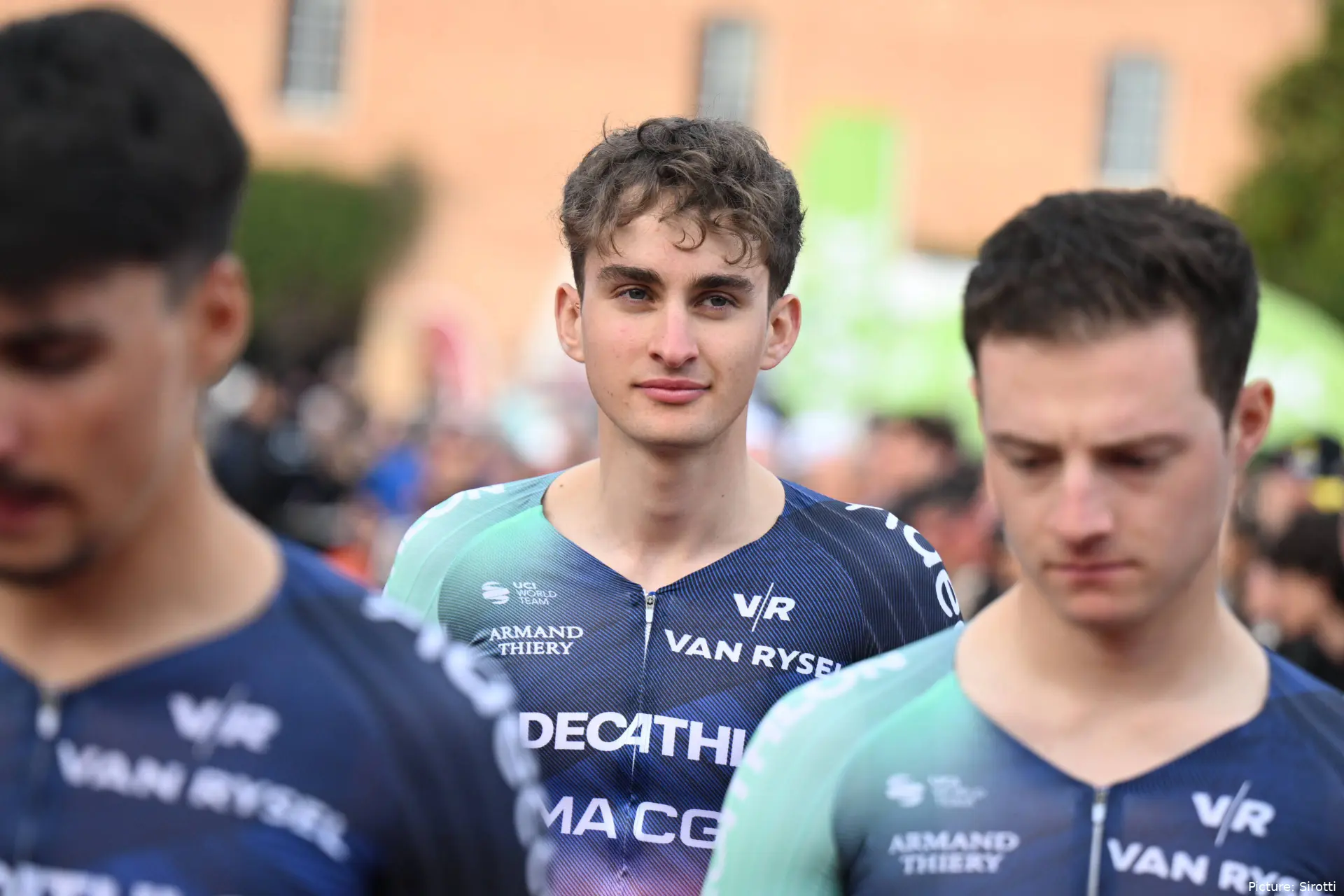
Decathlon CMA CGM may be one of the standout teams of the early 2026 season, but behind the results, significant structural changes are already in motion.
According to a report from WielerFlits, the team is set to switch from a French to a Swiss licence from 2027, a move driven not by performance, but by the financial realities of competing at WorldTour level. The timing is notable. With Paul Seixas currently dominating Itzulia Basque Country and emerging as one of the defining riders of the season, Decathlon appear to be building momentum on the road, while simultaneously rethinking how they operate off it.
Financial constraints behind the switch
Despite operating with a sizeable budget, Decathlon CMA CGM have struggled to match rivals in the same financial bracket, largely due to France’s high social charges. French employers are required to pay roughly 40 to 45 percent in social contributions on top of rider salaries, among the highest rates in Europe. That additional cost has long been viewed as a limiting factor for teams operating under a French licence.
The planned switch to a Swiss licence is intended to address that imbalance, allowing the team to allocate more of its budget directly towards performance rather than overhead.
Under current regulations, teams are not typically permitted to change nationality during an active WorldTour licence cycle. However, an exception can be granted if a new paying agent from another country is approved by the Professional Cycling Council. That process is expected to allow Decathlon CMA CGM to transition to a Swiss licence from 1 January 2027, with the new registration then locked in until at least 2029.
Seixas success highlights growing ambition
The move comes at a time when Decathlon CMA CGM are already demonstrating their potential on the road. Seixas’ performances at Itzulia Basque Country have not only placed him firmly in control of the general classification, but have also underlined the team’s ability to compete with the very best at WorldTour level.
At just 19, the Frenchman has become one of the most talked-about riders in the peloton, and his rise has only intensified attention on the team’s long-term direction.

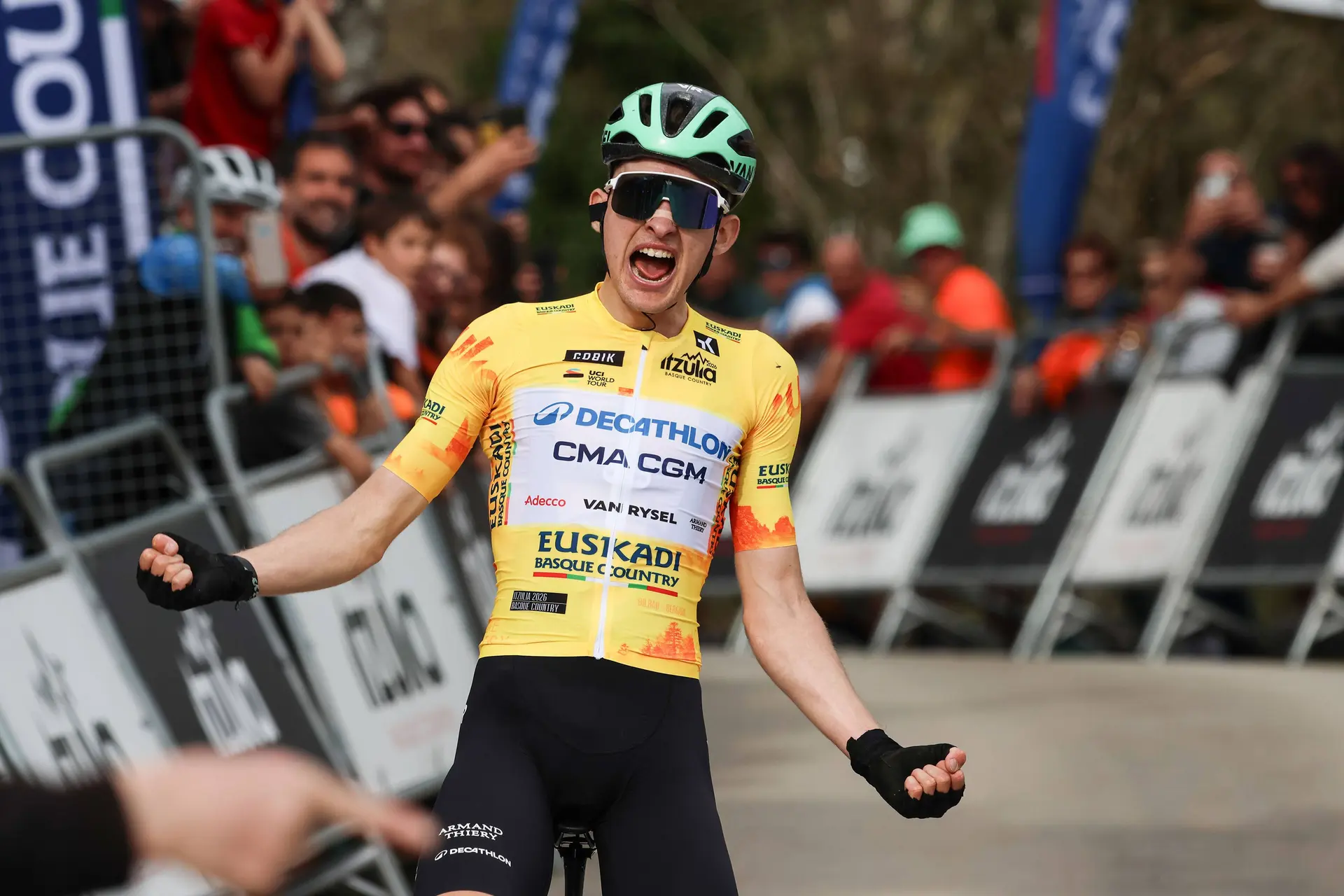
Paul Seixas wins in the yellow jersey at Itzulia Basque Country 2026
Holding on to their biggest asset
That direction may ultimately hinge on whether Decathlon can retain Seixas beyond his current contract, which runs until the end of 2027.
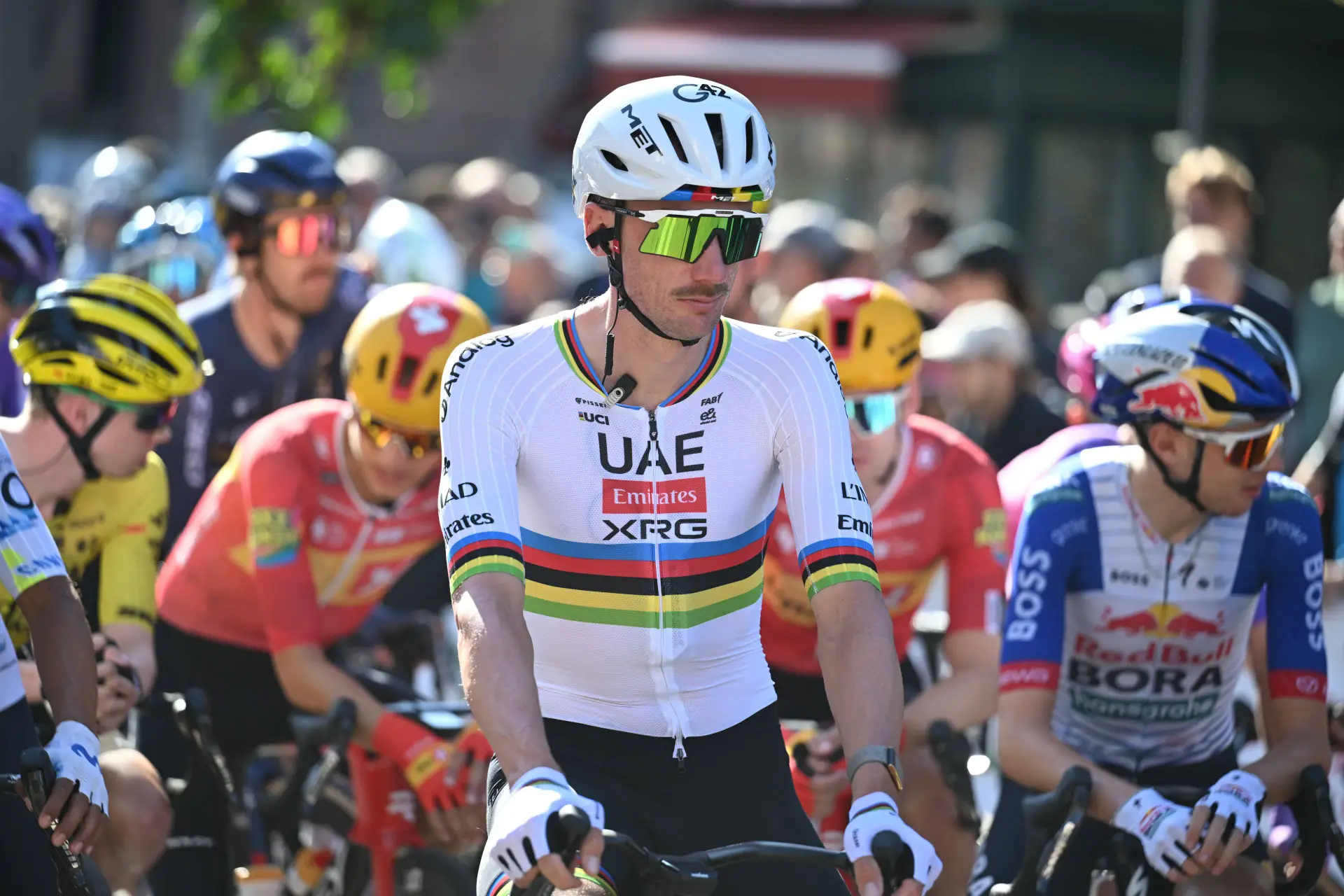
Interest in the young Frenchman is already widespread, with multiple WorldTeams monitoring his situation. UAE Team Emirates - XRG, the team of world champion Tadej Pogacar, are understood to be among those particularly well placed.
The licence switch, while primarily financial in nature, could also play a role in that battle. By reducing structural costs, Decathlon CMA CGM would be better positioned to compete for top talent, both in terms of recruitment and retention.
For now, the team’s focus remains on results, and those results are coming quickly. But the decision to change the licence suggests a longer-term calculation is already underway. One that could determine whether their current success becomes a foundation or a peak.

Kieran WoodDeputy Editor-in-Chief
Kieran Wood is a sports journalist based in Wales and has been active in journalism since 2022. He regularly contributes to DartsNews.com and CyclingUpToDate.com, where he covers professional cycling and darts. In cycling, his work includes liveblogs from major races, including the Tour de France, the Giro d’Italia, and La Vuelta a España, alongside race reports and analysis. He has also conducted interviews with professional riders.
His reporting spans the full racing calendar, from one-day classics to stage races, with a focus on accurate, real-time coverage and clear contextual analysis. For statistics, results, and historical context, he regularly uses resources such as ProCyclingStats. To support reporting on rider activity and training context where relevant, he also references Strava.
In his work, Kieran places strong emphasis on careful sourcing, editorial accuracy, and updating articles as new, verified information becomes available.
claps 1visitors 1
Just in
Popular news
Latest comments
- Great signing by Uno-X. Hope he develops and can get som great results.
 Vikingrider08-10-2026
 - It always worries me when people so knowledgeable about a subject base lengthy detailed explanations or analysis on a single erroneous fact or figure so blatantly wrong thereby invalidating just about everything they made the effort to say. I always wanted to meet some top theoretical physicist to make sure they hadn’t overlooked something obvious as their figures for the mass of the universe don’t work out. This is like basing the US budget on a debt of 4 trillion instead of 40, something I know one person would be very capable of attempting.Jumpyjohn08-10-2026
- His analogy is bad, there are a lot of things we use, we dont know how it works not do we have the brain capacity to know everything we use. as a cyclist he is supposed to know to how to race, not every detail about every tech on his bike or around him.abstractengineer08-10-2026
- Db cant do anything, its a physical issue not a mental or training issueabstractengineer08-10-2026
- If they’d run a poll, I’d vote this best CUTD post of 2026.Jumpyjohn08-10-2026
- Bernal's case the writing was already on the wall about his decline with the back issues that he had in 2020. then he had that horrendous crash. After that he was not the same plus he crashed a lot of other times. After that any potential to challenge for GTs went away. Now his max is Top 10, few stages wins, if Ineos cannot pay millions for that then no one else will. slaving for other for 100-300k may not be worth it since he earned more than 15-20million i would say.abstractengineer08-10-2026
- Starting to throw stones in glass houses?. Best not to associate individuals with their nationality if you’re going to go down that road.Jumpyjohn08-10-2026
- You can say that again, saved you from embarrassment. Better start concentrating on crowdfunding the next generation so you won’t have to spend the rest of your days being nostalgic.Jumpyjohn08-10-2026
- He also partly won because, like GT the year before, they were both in the right place at the right time for it, there being no outstanding riders around anymore. It is unlikely either would have won in most other years.Jumpyjohn08-10-2026
- You know what the difference is between you and Natalie Harp? She doesn’t harp on to everyone about her idol non-stop (although, not sure about her husband). If you could only see your logic from an outside perspective, there wouldn’t even be cycling because people like you would be saying football is the best and there’s no need for anything else to make life interesting. Why does everyone have to like or enjoy the same …. fill in your own if you believe in freedom of choice you taste dictator.Jumpyjohn08-10-2026
Loading
1 Comments