"Cycling isn’t just the Tour de France or Pogacar" - Former Lotto manager criticizes 'few human values' in modern business
Cycling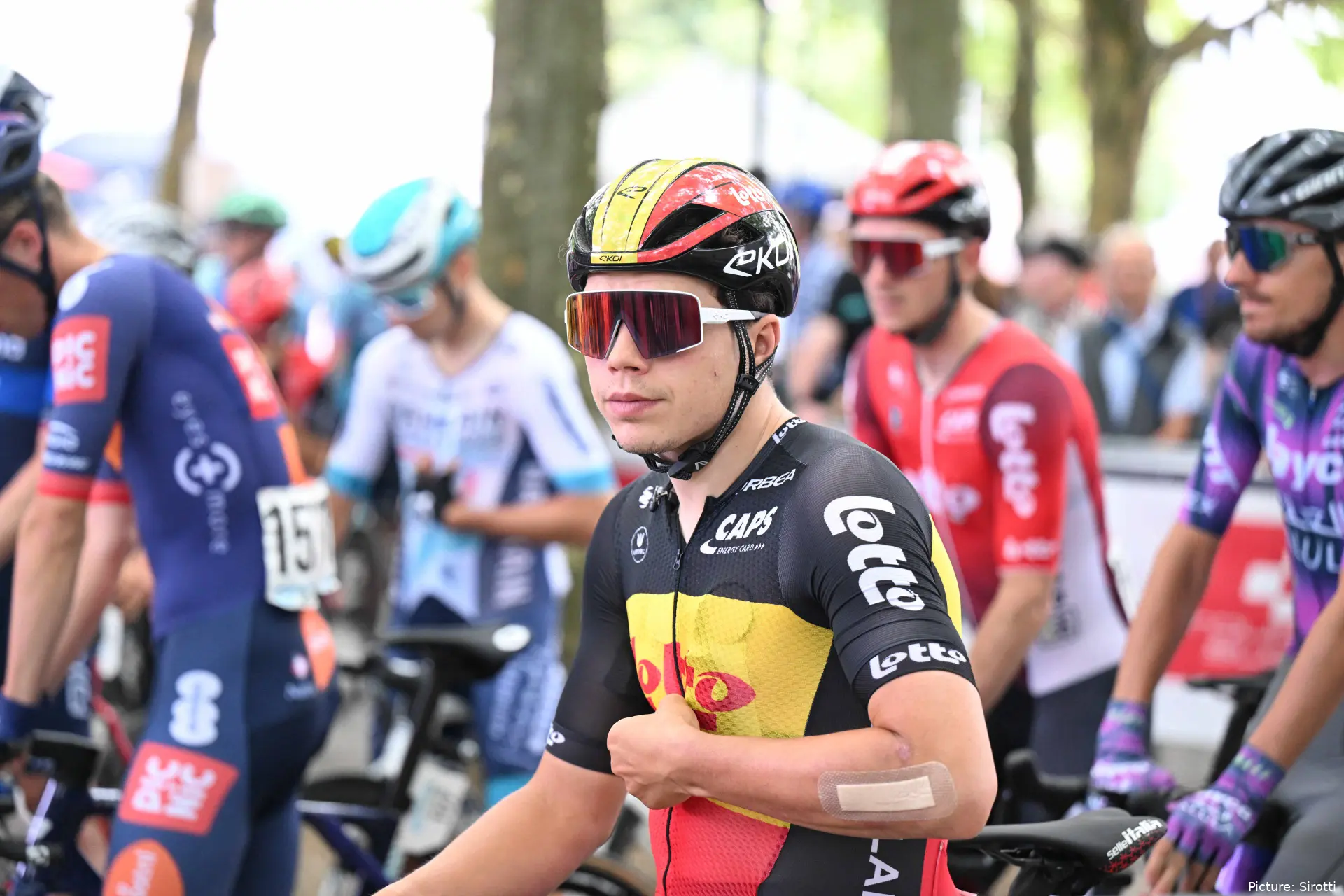
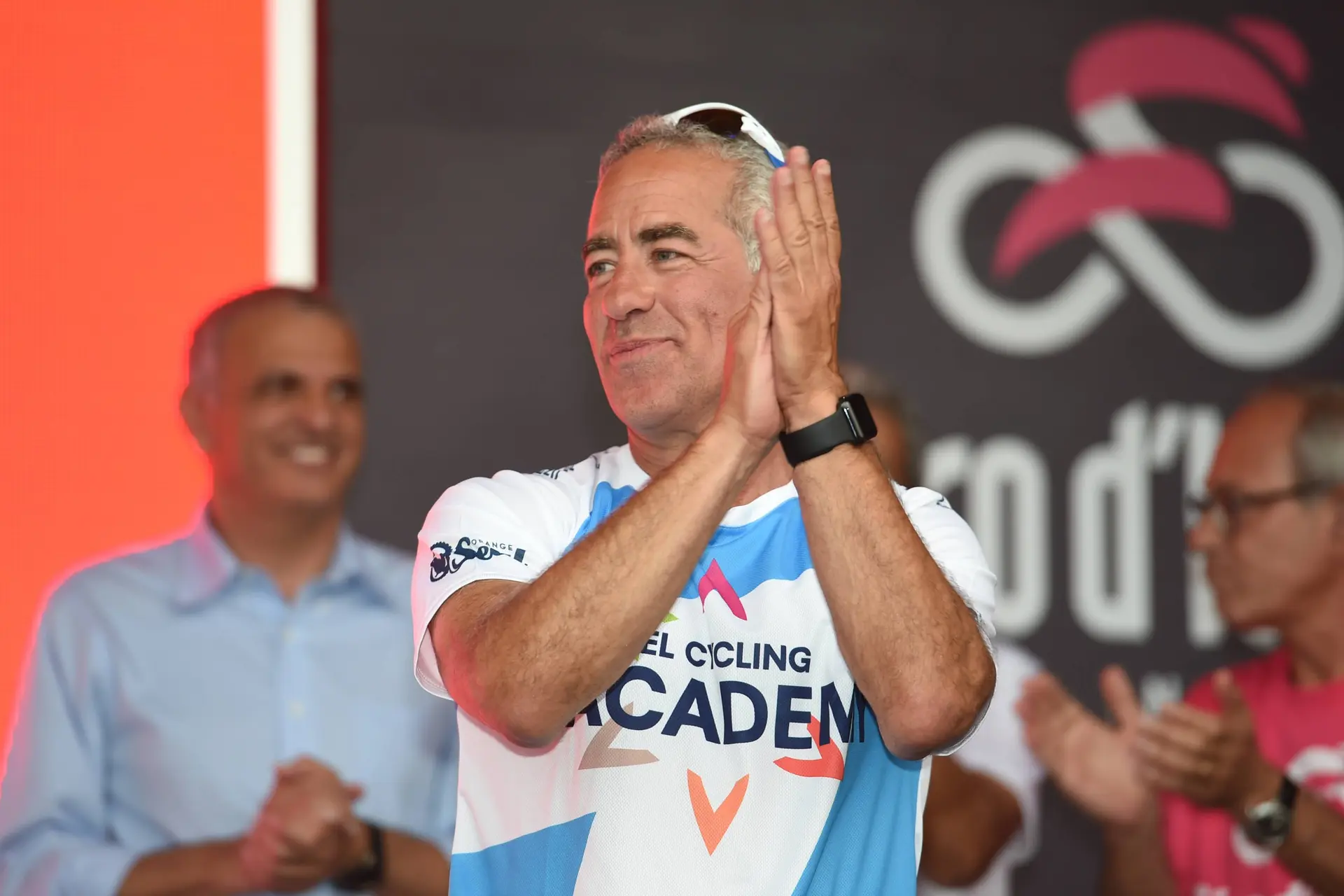
Stephane Heulot was the general manager behind the Lotto team for three years but that came to an end this summer, and the Frenchman admits quite a lot of dissatisfaction towards how business is conducted currently in pro cycling, with less and less human values, contract breakings and lack of long-term vision convincing Heulot that he had done all he could - against the backdrop of a chaotic merger that was to happen with Intermarché - Wanty.
“It wasn’t burnout. I feel I accomplished my mission. I arrived at a team that was falling apart financially, logistically and humanly. There was no real management. It was a huge rebuilding job, but after three years, I’d reached the limit of what I could do," he said in an interview with Cyclism'Actu. Rightfully so, the team bounced back and will be rejoining the World Tour now in 2026, and with a batch of young riders who can continue to lead and propel the team in coming years.
But on the management side, things were not pretty. "The system had become too political. During the second week of the Tour, I was finalizing discussions with sponsors ready to join us. When I presented the project to the board, the Lotto's CEO told me I was too late, that talks with Intermarché were already underway," he reveals. And these were the team's definitive plan. "I was stunned. Everything was ready to announce the new co-sponsor. From that moment, everything changed.”
And so over the past few months, it was the merger that took up the management's main effort. It is to be concluded soon, but with riders and staff of both teams being left without a job. “There were few human values left in the way decisions were made. I make a clear distinction between the team, with its staff and riders, and the ownership system, which is much more political. That’s beyond my capacity for patience and understanding.”
A change in pro cycling
“The credit goes to the riders. They’re the ones turning the pedals. My role was to rebuild confidence and redistribute responsibility. But cycling is changing fast," he fears, with very clear examples. "Contracts aren’t always respected anymore. There’s no long-term vision. When agreements aren’t respected, the whole balance collapses.”
“The real problem is that cycling’s business model isn’t sustainable. We talk about creating value at the top but never about redistributing it at the base. Amateur structures are collapsing, subsidies are shrinking, and local authorities are stepping back. Without a foundation, everything collapses," Heulot warns. "We’re forgetting the volunteers, the coaches, the people who guide young riders and pass on healthy values. When all that disappears, cycling will just be an empty shell.”
He sees the current state of cycling as far from its best, with too much emphasis on the money and the big deals whilst somewhat neglecting the base of what is key to maintain the sport on its feet. “Of course I want to stay in cycling. My son has relaunched a junior team based on the old Sojasun Espoirs. It’s a family passion, passed down from my father, who’s been involved in the sport for over 50 years. Cycling isn’t just the Tour de France or Pogacar. If we forget the grassroots, it’ll soon be too late," he concluded.
Rúben SilvaEditor-in-Chief
A founding contributor to CyclingUpToDate since its launch in January 2022, Ruben Silva has played a central role in shaping the site’s editorial direction and long-term growth. Before joining the project, he built his experience through independent blogging at Echelons Hub and by producing race previews for Ciclismo Internacional, developing a strong analytical voice rooted in daily engagement with professional cycling.
Beyond editorial work, he has been closely involved in the expansion and coordination of CyclingUpToDate’s wider network, helping establish and support sister platforms across multiple languages. This includes ongoing collaboration with CiclismoAlDia (Spanish), CiclismoAtual (Portuguese), WielrennenUpToDate (Dutch), and RadsportAktuell (German), contributing to a shared editorial vision and consistent international coverage.
He also helps oversee editorial governance across the network, setting standards for accuracy and consistency and coordinating updates or corrections when needed.
Originally from the Porto metropolitan area in Portugal, he holds a bachelor’s degree in Geography. His path into cycling journalism was shaped not through formal media training, but through independent reporting, community engagement, and sustained on-the-ground involvement in the sport.
Over the course of his career, he has conducted approximately 100 interviews across road cycling and cyclocross, ranging from one-to-one conversations and online formats to press conferences and on-site pre- and post-race coverage. His interviews include leading riders, team managers, and prominent figures within cycling media: Tadej Pogacar, Jonas Vingegaard, Mathieu van der Poel, Primoz Roglic, Wout van Aert, Joao Almeida and Tom Pidcock; managers like Patrick Lefevere and Joxean Matxin; and YouTube personality Bryan Kennedy (BKXC)...
Within 18 months of launch, he helped grow CyclingUpToDate’s English-language platform into one of the most-read cycling news websites, built entirely from the ground up. As both a professional journalist and lifelong cycling enthusiast, his focus remains on delivering accurate, timely, and well-contextualized coverage.
claps 0visitors 0
Just in
Popular news
Latest comments
- The article makes it sound like a great thing and something to be applauded. The reality is is gives the Americans another 6 years to fleece European cycling fans or force them to hunt around Europe with VPN’s for free feeds. Not something to be celebrated in my book. Before someone points out that coverage of this depth costs money, yes, I agree but not £30+ per month a fee I will wager will gradually increase now this deal has been cemented.Paul53119-10-2026
- Great. Thrilled. (Satire) Oh, how I miss the days of GCN. Still wear my GCN hoodie with pride.anonymouscyclist19-10-2026
- You could also look at it another way. How many riders have had better or more consistent results since the Tour?Jumpyjohn19-10-2026
- Whilst I love Tadej (and Remco, who deserves to be mentioned here, too), @JumpyJohn makes a valid point, and he isn’t wrong @MajorPayne. It is a fact that today’s official broadcasters of cycling struggle to keep our attention once the likes of Tadej (or Remco) attacks at ~80km or so. In the 142nd issue of Rouleur, Ned Boulting reflects on the often stressful paradox of commentating on a race that is effectively over before the broadcast window even hits its stride. In this edition, he centres on Remco’s 1hr solo at the Challenge Mallorca this year, and captures the panic and dread shared by the commentators when a dominant rider kills off the racing tension early. I recommend you read it, it’s a fascinating insight into the world of commentary, and the true viewing figures of today’s cycling. I must add here, I love Tadej and Remco, but I would be lying if my heart rate wasn’t higher when watching the World Championships this year. And I’m sure Rob Hatch would say something akin regarding his commentary!anonymouscyclist19-10-2026
- The shattered women’s marathon record was clean and highly surprising and then a few months later the athlete was very positive in another test for something not taken by mistake when recording far less impressive results. Sounds to me like the problem is still the age old one, detection is often way behind. Just like with crime, it’s not because you can’t catch the criminals that you aren’t aware of the crime.Jumpyjohn19-10-2026
- Listen, you have a point but on the other hand in cycling, once some of the riders go solo and build a minute’s gap, there’s hardly any action left to watch. Cycling is definitely not for today’s generations of accelerated viewing. Other people find skydiving or chess exciting but you can’t force everyone to feel the same.Jumpyjohn19-10-2026
- That’s a funny one. Yeah obviously he’s more aero than some but most of the aero effect at elite level is the bike. Now you have me starting to feel sorry for the guy behind him when he pulls a groupetto.Jumpyjohn19-10-2026
- Knew a World Tour promotion was coming for Ben this season. Thrilled for him, and can't wait to see what he can do at this level. Another one to watch at the TTs.anonymouscyclist19-10-2026
- It honestly breaks my heart to see this. I had a feeling this might happen over the last few years, but I kept praying it wouldn't, and that Joey would find his niche, especially back racing alongside his brother. After growing up racing alongside PH-MAS, the Pidcock brothers have always felt like one of our own, as we’ve watched them grow from Club level all the way up to PC and WT. I wish Joey nothing but the best of luck in whatever he does next, but selfishly… I do wish for him to move into the role of Q36.5 team staff.anonymouscyclist19-10-2026
- Predictable, sure! But boring??? OMG! Was Mike Tyson predictable and boring in his prime? Air Jordan? Schumacher or Senna? OMG!!!MajorPayne19-10-2026
Loading
1 Comments