ANALYSIS | Pogacar vs Evenepoel, or can someone else take world championship time trial glory?
Cycling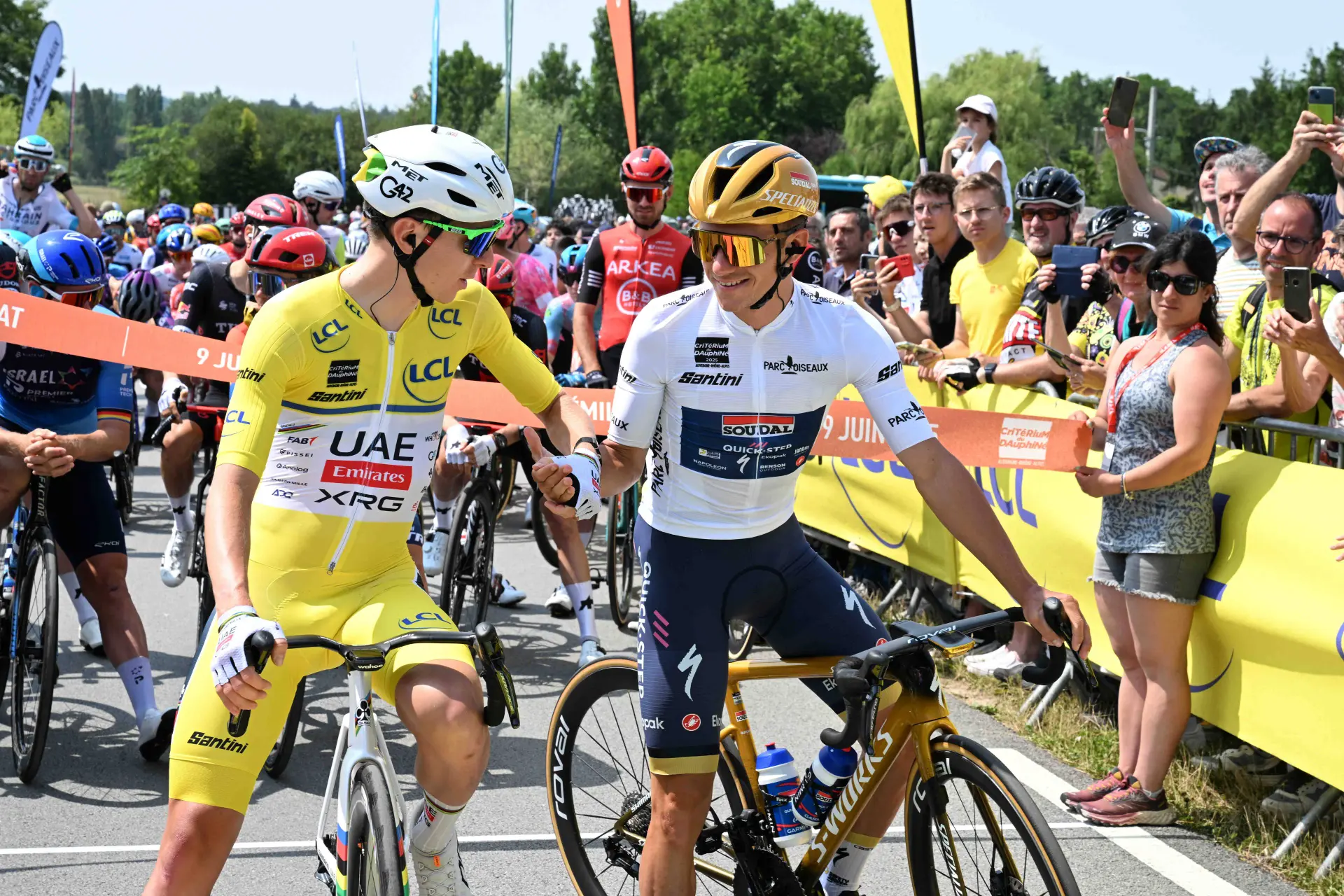
The wait is over. After months of anticipation, the UCI
World Championships arrive in Rwanda for the first time, with Kigali ready to
welcome the best riders on the planet. On Sunday, September 21st, the men’s
elite individual time trial will take place, setting the tone for a week in
which the eyes of the cycling world will be fixed firmly on East Africa. This
is not just another World Championships; it is a historic milestone for the
sport, with the first rainbow jerseys to be awarded on African soil. And with a
course that promises a punishing mix of climbing, cobbles, and technical
descents, it could hardly be a more dramatic opening. And that’s before we talk
about the headline acts…
The course
The race begins inside BK Arena, the largest indoor stadium
in East Africa, a venue usually alive with basketball and concerts, but on this
day transformed into a starting gate for the world’s most powerful cyclists.
From there, the riders tackle 40.6 kilometres across Kigali’s undulating
streets, finishing at the iconic Kigali Convention Centre, which glows at night
as a symbol of Rwanda’s modern identity.
But for those fighting the clock on Sunday, it is not the
architecture that will be remembered. The profile contains 680 metres of
climbing, enough to shred the legs of those who treat it like a flat drag race.
It is a course made to punish the riders and amplify the strengths of riders
who can do more than simply churn out watts on long straights.
The first eight kilometres are a deceptive calm. Flat and
relatively simple, they serve as a warm-up before the Côte de Nyanza, the
opening climb, changes everything. At 2.5 kilometres averaging nearly 6
percent, it is long enough to force riders out of their comfort zones and into
their red zones far earlier than is normal in a time trial.
After cresting the
climb, a descent brings little relief, because the road immediately turns
uphill again. This time the ascent lasts over 6 kilometres at 3.5 percent, not
steep but relentless, and certain to expose anyone who started too quickly.
Both summits also serve as intermediate checkpoints, making them the first
clear indications of who has arrived in Kigali with the right form.
By 31.6 kilometres, following a long seven-kilometre
descent, the third checkpoint appears just before the Côte de Péage, a
two-kilometre climb averaging six percent. It is a launchpad for the final
fireworks. The Côte de Kimihurura, 1.3 kilometres at 6.3 percent, is not just
steep but cruelly paved with African cobblestones, testing balance and traction
as much as leg power. And when that is done, the finish is still not flat. The
final kilometre drags uphill at four percent before the line at the Convention
Centre finally appears.
What happened last year?
Let’s cast our minds back to last year in Zurich. Remco
Evenepoel arrived as defending champion and left with his status reinforced,
destroying the course and his rivals as many expected him to do. Zurich was a
power-based test, with long sections for steady pacing, and Evenepoel thrived,
beating Filippo Ganna, Joshua Tarling, and a host of specialists to take his
second consecutive rainbow jersey.
It is part of a remarkable sequence for Remco: since 2021,
he has never failed to take home a world title in at least one discipline each
year. In 2022 he won the road race, in 2023 the time trial, in 2024 the time
trial again, and in Paris last summer he added both the Olympic road race and
time trial to his collection. Few riders in history have been so dominant in
races against the clock.
And yet, in 2025, cracks have shown. At the Tour de France,
Evenepoel’s general classification challenge collapsed in spectacular fashion.
He had started well, taking a time trial stage in the first week and holding
third overall, wearing the white jersey as best young rider. He looked on
course to repeat his result from his debut Tour in 2024.

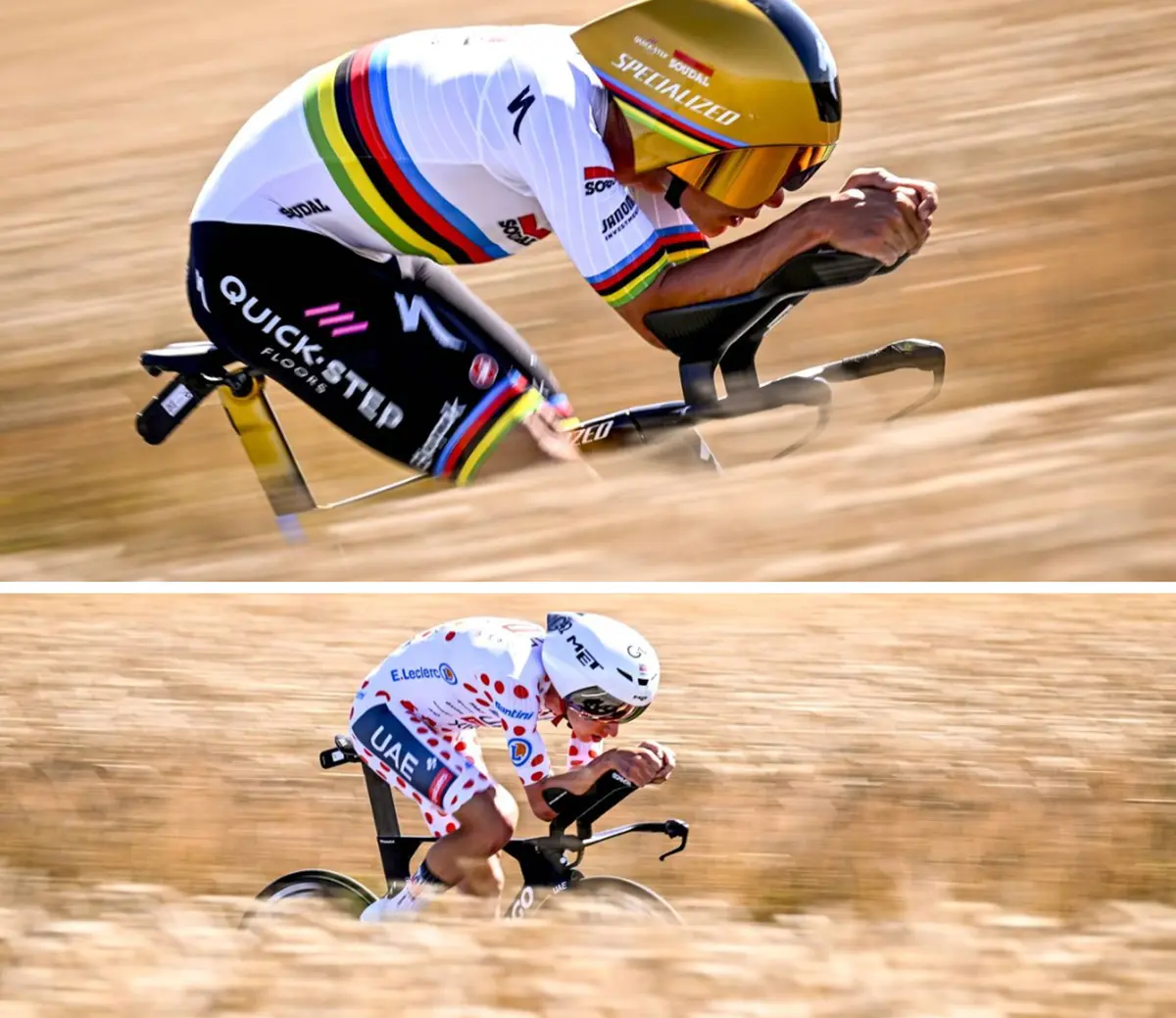
Evenepoel has been the undisputed time trial king since 2023
But then came stage 13, the mountain time trial from
Loudenvielle to the Peyragudes airfield. The 10.9 kilometre climb was Pogacar
territory, but nobody expected Evenepoel to implode the way he did. Tadej
Pogacar won the stage in exactly 23 minutes, 36 seconds faster than Jonas
Vingegaard. Evenepoel, meanwhile, cracked so completely that Vingegaard passed
him on the road, a humiliation for a reigning world champion.
His final time was two minutes and 39 seconds slower than
Pogacar. “I just could not keep pushing the power,” he admitted afterward,
looking shattered. One day later, on the Tourmalet, he abandoned the race,
unable to recover. For a rider who has built his career on TTs, it was a brutal
reminder that even the best can break.
Since then, the narrative has shifted. Can Evenepoel really
be trusted to dominate on hilly time trials? Is his reign in rainbow over? He
tried to silence those doubts at the Tour of Britain, where he returned to
racing after taking some time to recover, finishing second overall in the
general classification and winning a stage.
The numbers looked good, the form solid, but questions
remain. Kigali is not Zurich. It is not a flat Tour prologue. It is a lumpy,
technical course with cobbles and ramps that bite. It looks, in fact, more like
Peyragudes than any of the other TT rainbow jerseys Evenepoel has won.
That is why his words this week, spoken to Sporza, are
important. “I was able to do everything I needed to do perfectly. It was a
relaxing ten days. I trained well and have a good feeling about it. I’m ready
to go.” Clearly, Evenepoel’s confidence is undimmed, but whether his legs back
him up on Sunday is another matter.
Let’s now look at the main challengers to take Evenepoel’s
title.
Tadej Pogacar
If anyone can exploit Evenepoel’s vulnerability, it is Tadej
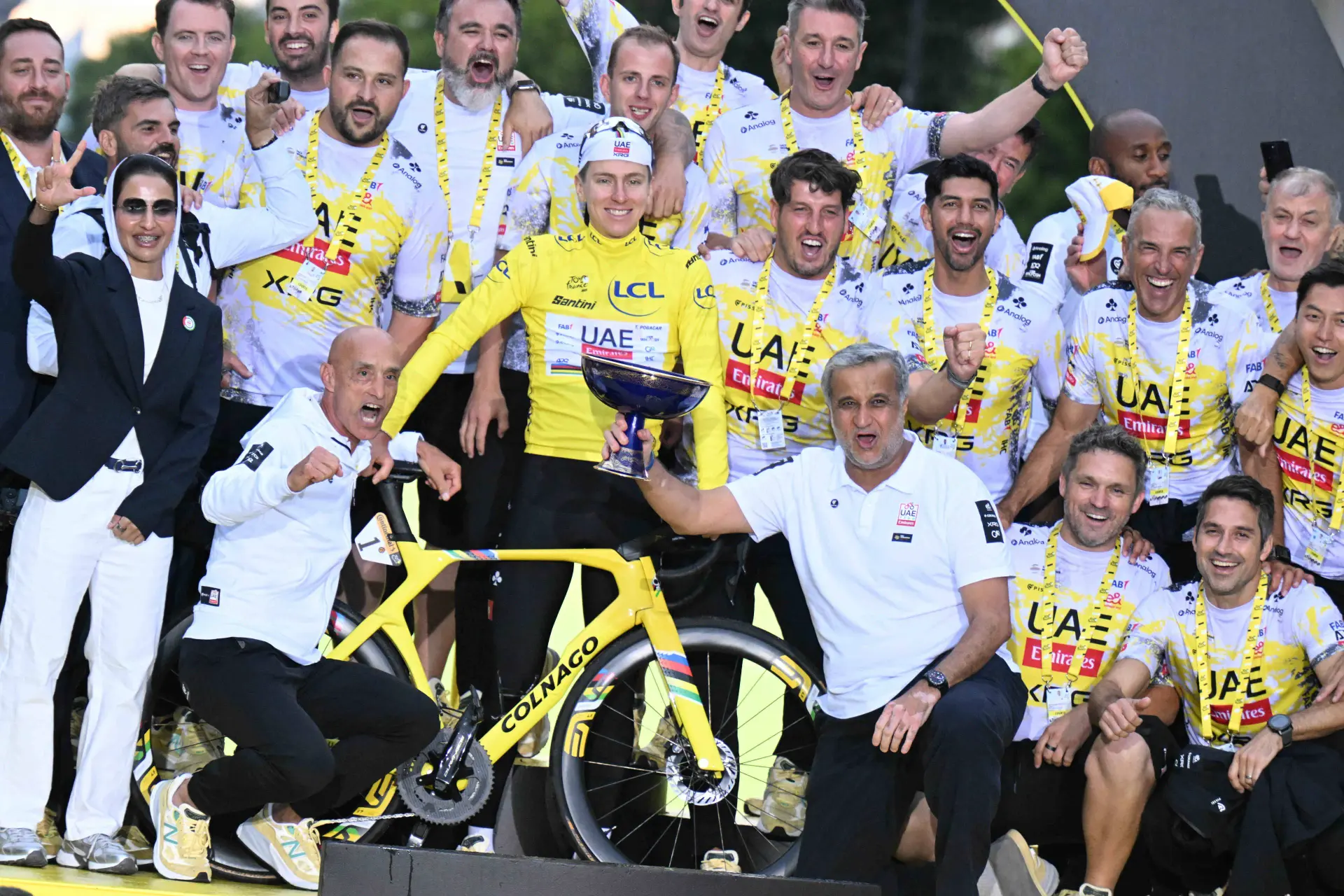
Pogacar. The Slovenian’s palmarès is already staggering: four Tour de France
titles, a Giro d’Italia, countless Monuments, and the defending rainbow jersey
in the road race.
The time trial world title, however, remains one of the rare
prizes missing, but Kigali might finally give him the chance. Pogacar thrives
in uphill time trials, his most famous being the 2020 Tour de France decider at
La Planche des Belles Filles, when he stunned Primoz Roglic and the cycling
world to seize yellow. In Peyragudes this summer, he repeated the trick,
winning the mountain time trial by a vast margin. His time of 23 minutes was
untouchable, even with Vingegaard having passed Evenepoel on the road.
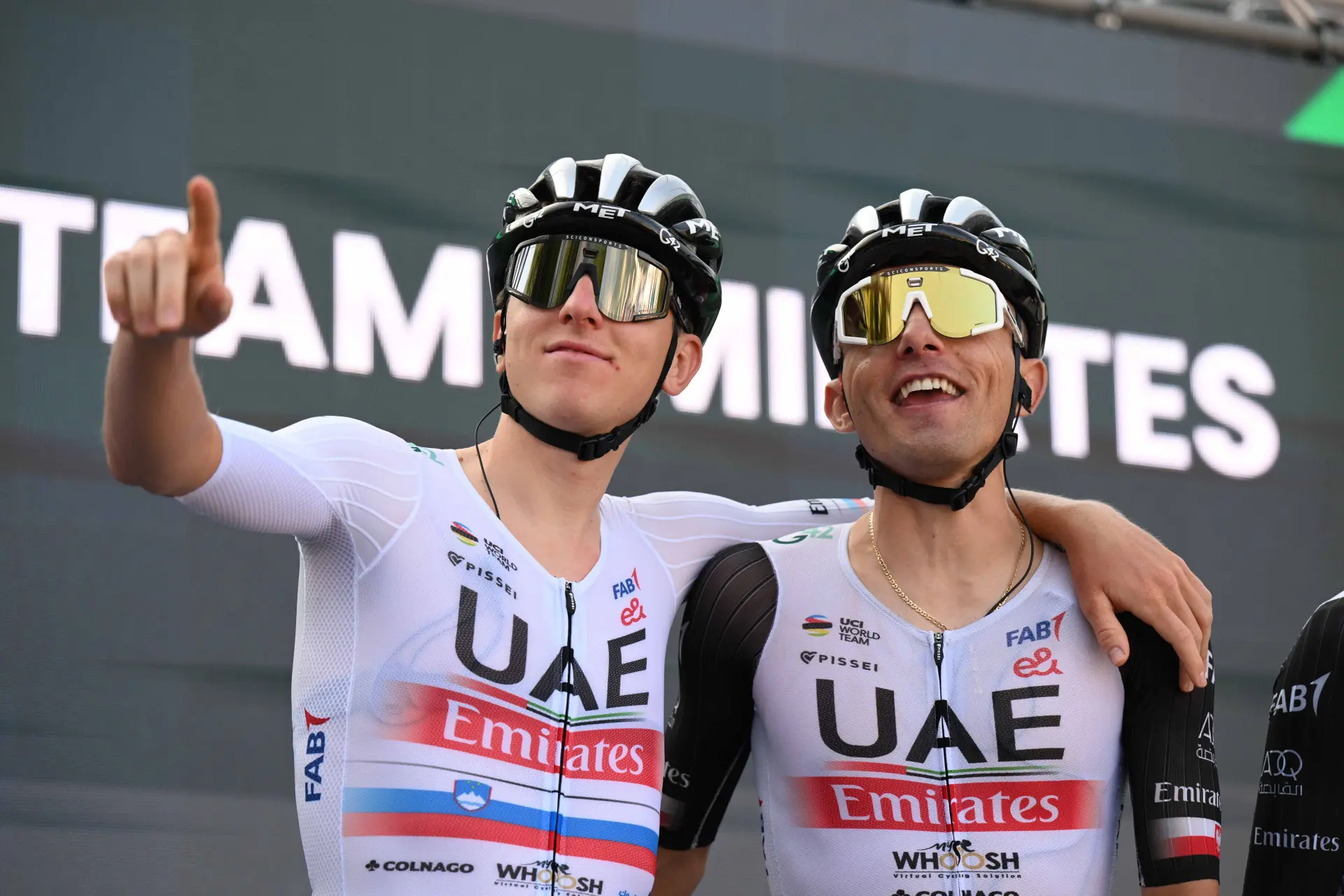
Yet Pogacar is not entirely immune to inconsistency. At the
Critérium du Dauphiné earlier in the summer, on a hilly time trial that on
paper should have suited him, he faltered badly, finishing fourth and conceding
a minute to Evenepoel. It was a rare off day, but a reminder that over longer,
mixed courses, there is a chance that the others have hope.
For Pogacar, the challenge will be to manage the flat
sections without bleeding time to Evenepoel, while exploiting the Côte de
Kimihurura and its cobbles to maximum effect. He is clearly the world’s best
rider, his confidence never in doubt, and he knows this is a perfect chance to
win the rainbow jersey for the TT. If he adds this jersey to his road race
title, the debate about whether he is the greatest of all time will only grow
louder.
Jay Vine
Beyond the duel between Evenepoel and Pogacar, there are
others worth watching. Jay Vine has built a reputation as a rider who thrives
in adversity. At the Vuelta a España, he came within a second of beating
Filippo Ganna in the Valladolid time trial, missing out by just 0.90 seconds on
a 12.2 kilometre course.
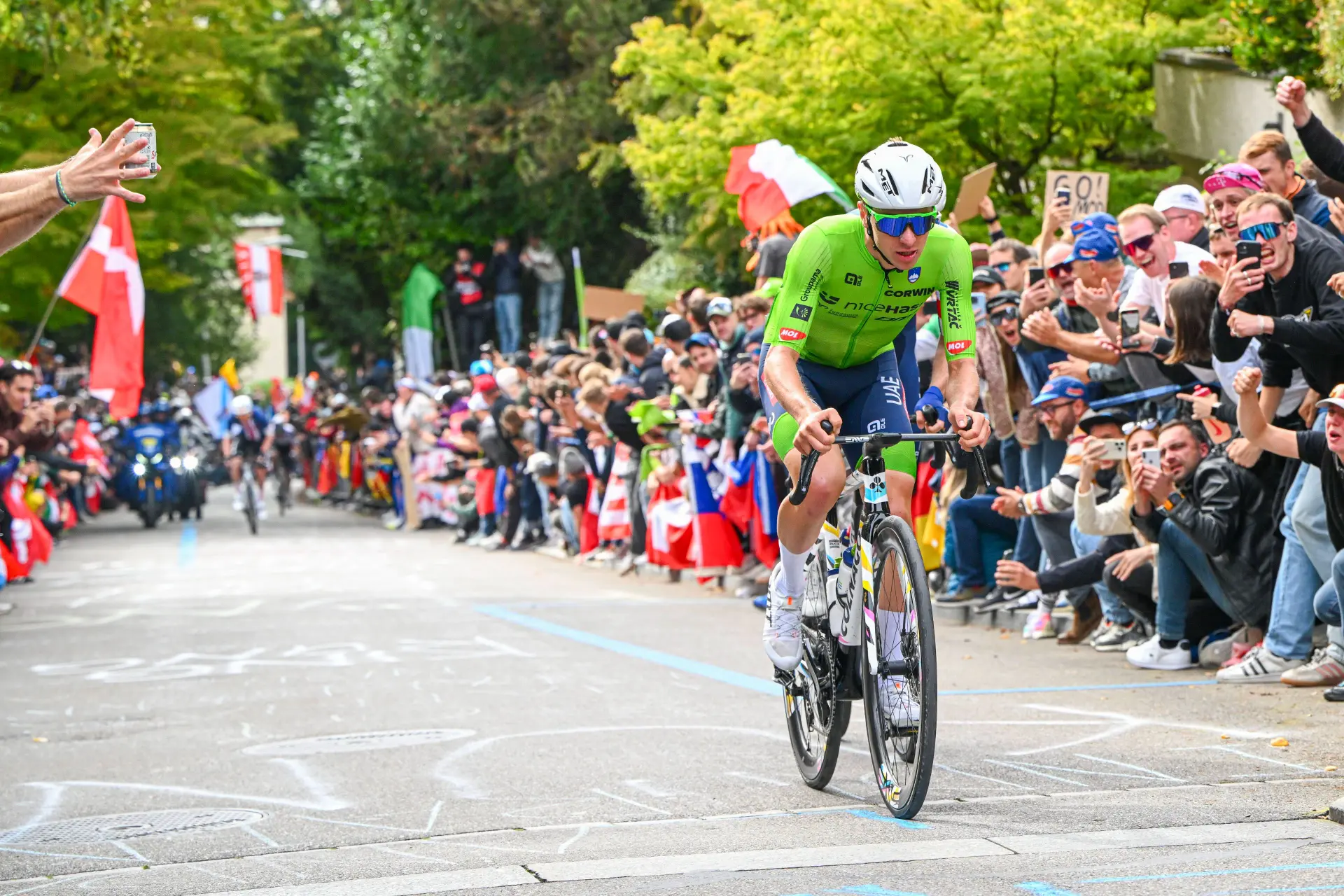
Earlier in the year, at the Giro d’Italia’s short time trial
in Tirana, he finished third, only three seconds down on Josh Tarling, despite
riding with heavy bandages after a crash. Vine has always been a strong
climber, but his progress against the clock has been rapid. For him, a podium
would be a career-defining achievement, and on this course it is not
impossible.
Thymen Arensman
Thymen Arensman is another rider who could thrive in Kigali.
The Dutchman has shown this season that he is capable of matching the best in
the mountains. At the Tour de France he won 2 stages, including stage 19 at La
Plagne, where he held off Pogacar and Vingegaard in dreadful conditions. His
time trial record is respectable rather than spectacular, but Kigali’s profile
plays to his strengths. He may lose time on the flatter sections, but the
repeated climbs and cobbled finish offer him a chance to claw back ground. If
he paces it correctly, he has the power to challenge for a top five, and
possibly even a medal if others falter.
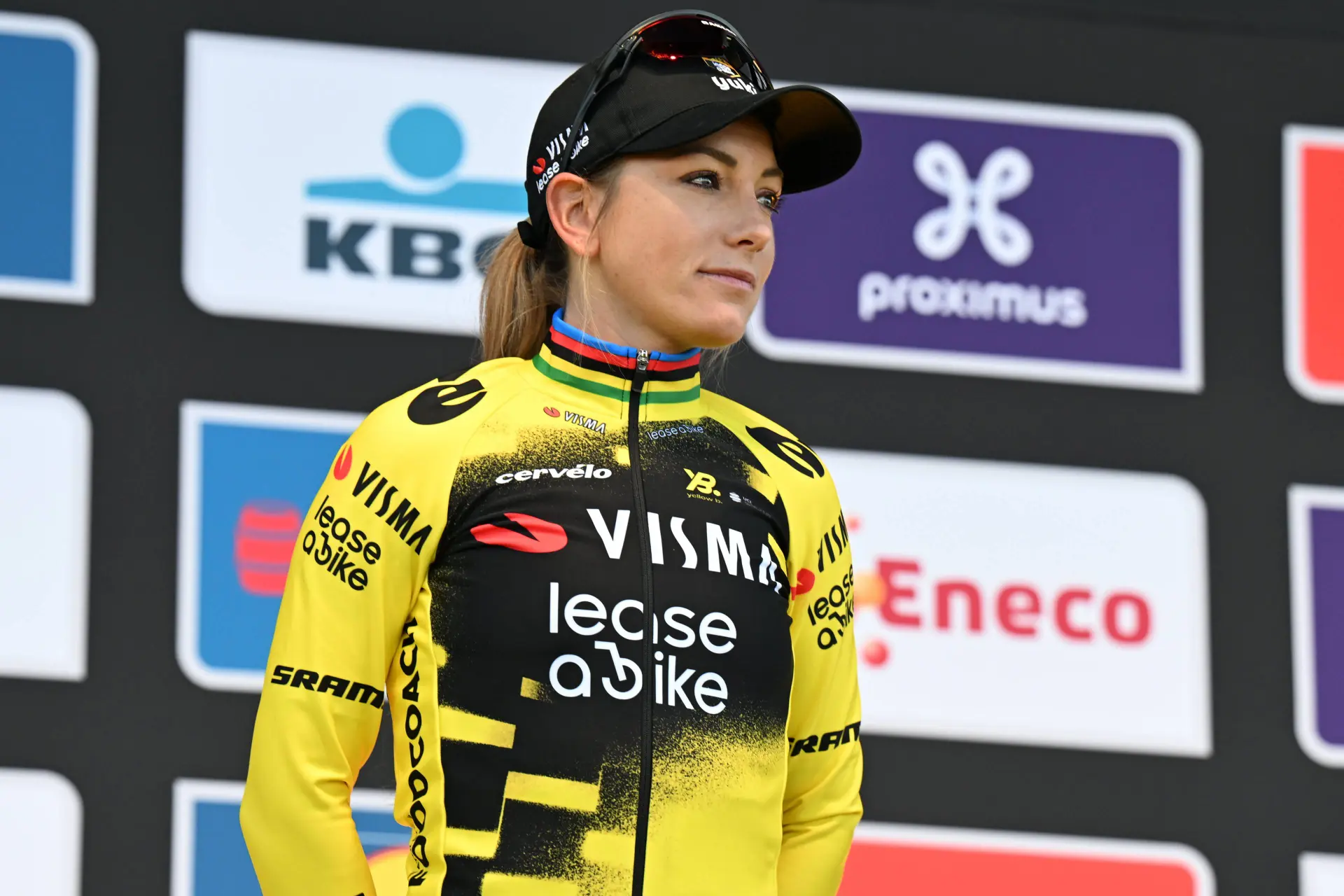
Isaac del Toro
Now we come to possibly the most exciting and surprising
stars of 2025: Isaac del Toro, the Mexican prodigy who lit up the Giro d’Italia
in May. He wore the maglia rosa until stage 20, eventually finishing second
overall behind Simon Yates, and claimed the white jersey as best young rider.
Along the way he proved his time trial strength, particularly on stage 10’s wet
and technical course from Lucca to Pisa, where he defended the leader’s jersey
against far more experienced rivals. Kigali will be another step up, but del
Toro has shown he is already one of the best climbers in the world.
As the sun sets on Sunday, the Kigali Convention Centre will
glow in its colours while one rider pulls on the rainbow jersey. If it is
Evenepoel, it will mark a third straight victory, a redemption after the
collapse of July. If it is Pogacar, it will fill one of the last gaps in his
glittering career. Or can someone else spoil the battle between the top two?
Let us know below!

Fin MajorCycling Journalist
Fin Major is a UK-based writer at CyclingUpToDate and has been part of the team since 2024. He is the site’s main writer for FAQs and evergreen explainers and has written around 2,000 pieces for the platform. Alongside this work, he focuses on in-depth analysis and covers the biggest races on the calendar, including the Tour de France, the Giro d’Italia, and La Vuelta a España, providing clear context around performance trends, tactics, and key storylines.
In his reporting, Fin uses reputable data sources such as ProCyclingStats for results, statistics, and historical context. He places strong emphasis on careful sourcing, editorial accuracy, and updating articles promptly when new, verified information becomes available. Outside of writing, Fin is an active cyclist, which supports his practical understanding of the sport and its demands.
claps 6visitors 2
Just in

Popular news
Latest comments
- 'Children these days'... Wout, since the caveman learned to say "Ug", older generations have always said this about younger generations. Not every young rider is a cowboy. So what's to say that the fact that Poels was respectful meant that his peers were equally so?
 Rafionain-Glas19-10-2026
 - "...In a weakened field" Most definitely ! YAWN !frieders319-10-2026
- Noted. But I had to appease his fans.MajorPayne19-10-2026
- I wonder if he'll race Challenge MallorcaRafionain-Glas19-10-2026
- Head to head time-splits: Jay Vine vs Remco Evenepoel: 10.5 km - Vine lost 45 seconds to Evenepoel 34.2 km - Vine lost a further 1:10, and was caught in the vicinity of that checkpoint. Note: I remember Vine getting caught before the second checkpoint, and ProCyclingStats log supports that, however, the gap at the second checkpoint was less than 2 minutes. 45.4 km - Vine lost only 16 seconds Of course, Vine lost less time in the middle section than the early section, but at the final segment rate, he'd have lost 15 seconds in the opening section and and 34 seconds in the middle. It is possible that Vine paced himself very well but that seems unlikely. In comparison with Stefan Küng: Kung lost: 26 seconds at T1. A further 1:11 by T2. A further 40 seconds by the finish. Relative to Evenepoel, Küng did slow down by the end. Maxime Decomble: Lost 47 seconds at T1. A further 1:20 by T2. A further 26 seconds by the finish. Mikkel Bjerg: Lost 37 seconds at T1. A further 1:34 by T2. A further 46 seconds by the finish. It is not concrete evidence that Vine cheated though it certainly doesn't absolve him. However, watching the race, I am 100% sure that Vine did not pull over and follow a different line when Remco passed him. Remco pulled away quite quickly, but the gap did not balloon and Vine definitely got aero assistance.Rafionain-Glas19-10-2026
- That ship has sailed years agovappaxbipmv19-10-2026
- He doesn't have to. I'd be perfectly happy if he loses SB if he then wins everything elsevappaxbipmv19-10-2026
- Please don't put Remco in the same sentence as Tadej. It's disrespectful to Tadej. Please make a note of this.KissinKate19-10-2026
- ....and you just described how americans are fleecing american fans as well. We don't even get the eurosport coverage you get. What you see on yurrup HBO is not available in this country. Trust me, being a cycling fan sucks everywhere.KissinKate19-10-2026
- While media outlets point to the loss of Richard Carapaz, Kasper Asgreen, and rising talents like Steinhauser as a sign of trouble, this is actually classic EF Pro Cycling tactical pivot at play. Operating on less than half the budget of state-backed super-teams, Jonathan Vaughters smartly maximized Carapaz’s return on investment by turning high salary and health setbacks into Tour stage wins, Yellow, and the Polka Dot jersey, before freeing up vital capital when his valuation peaked. Let us be completely honest here: Carapaz’s departure to NSN is strictly about securing one final massive payday before calling time on his career, rather than building a lasting sporting legacy. EF built a squad around him and gave him tactical freedom that few teams would offer, but given his ongoing health concerns and age, keeping him at that price point represented an unsustainable risk. It is very unlikely he will match the freedom or success he enjoyed at EF with his new team, making this move a pure business decision for a veteran rider cashing in on his remaining value. In contrast, while signing Tao Geoghegan Hart carries its own physical risk, it comes at a vastly different financial scale that protects EF's bottom line while offering immense upside. Replacing that climbing depth won't happen overnight, but bringing in Tao fits EF’s proven reclamation playbook perfectly by providing a low-pressure, culture-first environment for a proven Grand Tour winner to find his magic legs again. Backed by a secured core in Ben Healy, Neilson Powless, and Sean Quinn through 2029, EF isn't crumbling; they are simply resetting their wage structure, staying nimble, and betting on high-ceiling upside where richer teams only see risk.wambo19-10-2026
Loading
Write a comment