ANALYSIS | “An organised crime” and a “yellow card” for the organisers: The 2025 Vuelta a Espana in the words of the riders and experts
Cycling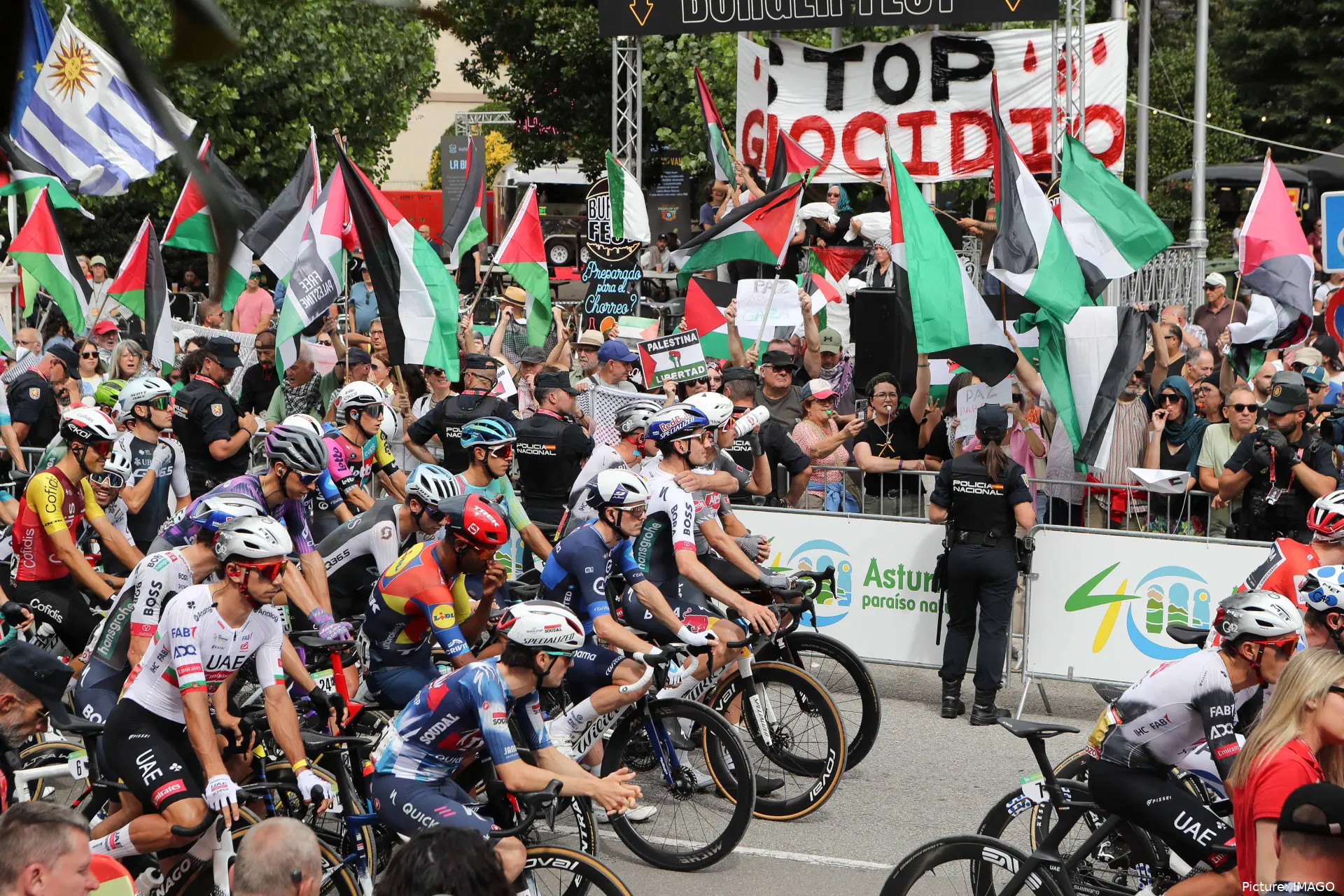
The 2025 Vuelta a España was supposed to end in Madrid with
the traditional parade stage and sprint finish, a day of champagne photos and
smiling podium ceremonies. Instead, the race was halted amid pro-Palestinian
protests in the Spanish capital, leaving Jonas Vingegaard crowned champion in
the unglamorous setting of a hotel car park. For riders, staff, and organisers,
it was a surreal and unsettling conclusion to three weeks already marked by
disruption, shortened stages, and questions about the role of sport in
politics.
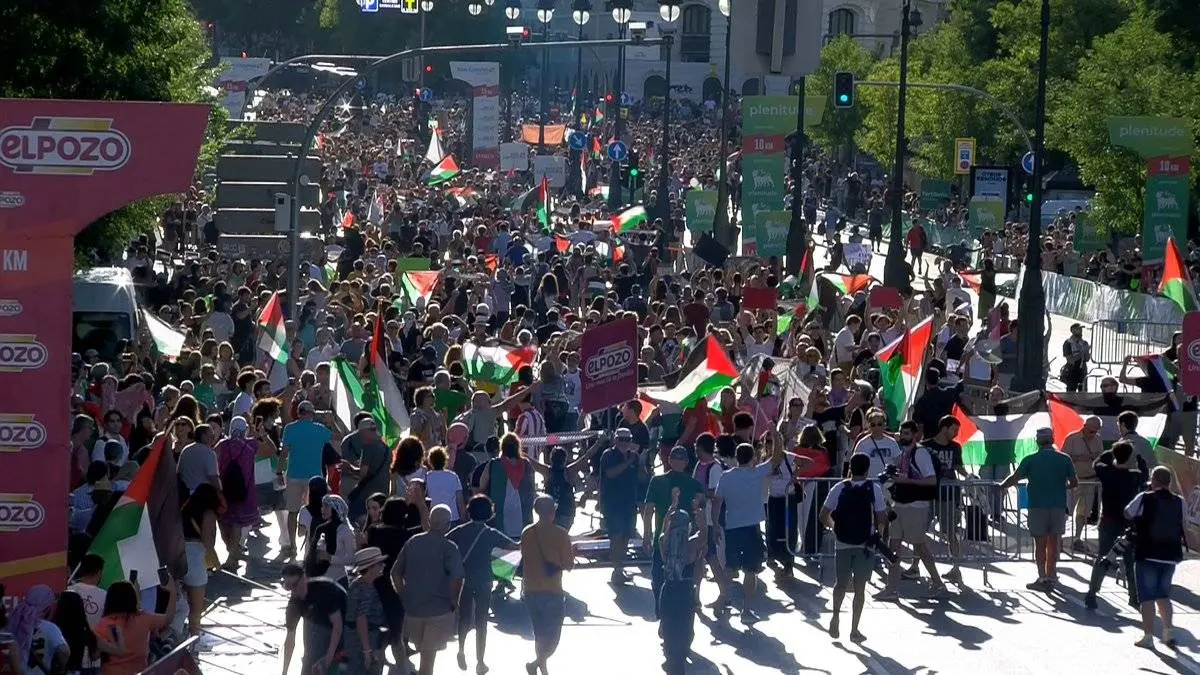
The protests, directed against Israel’s participation
through Israel – Premier Tech, forced neutralisations, reroutes, and
cancellations throughout the race. Stage 5’s team time trial was blocked, Stage
11 was neutralised with no winner declared, Stage 13’s Angliru ascent was
delayed, Stage 16 had its decisive climb removed, Stage 18’s time trial was cut
in half, and finally Stage 21 was abandoned altogether. By the end, no one
doubted the seriousness of the situation, but opinions on what it meant, and
how it should have been handled, varied dramatically. Let’s take a look at some
of the most interesting perspectives from riders, staff members, and experts,
from three shocking weeks in Spain.
Riders speak out
For many riders, the constant uncertainty and the abrupt
cancellation of Stage 21 left bitter feelings. Intermarché – Wanty’s Kamiel
Bonneu, who completed the full three weeks, did not mince his words on X: “This
was not a protest, this was organized crime. If you’re aim is peace do it
peacefully.” His anger reflected the view of many in the peloton who felt the
demonstrations crossed a line from political expression into outright sabotage.
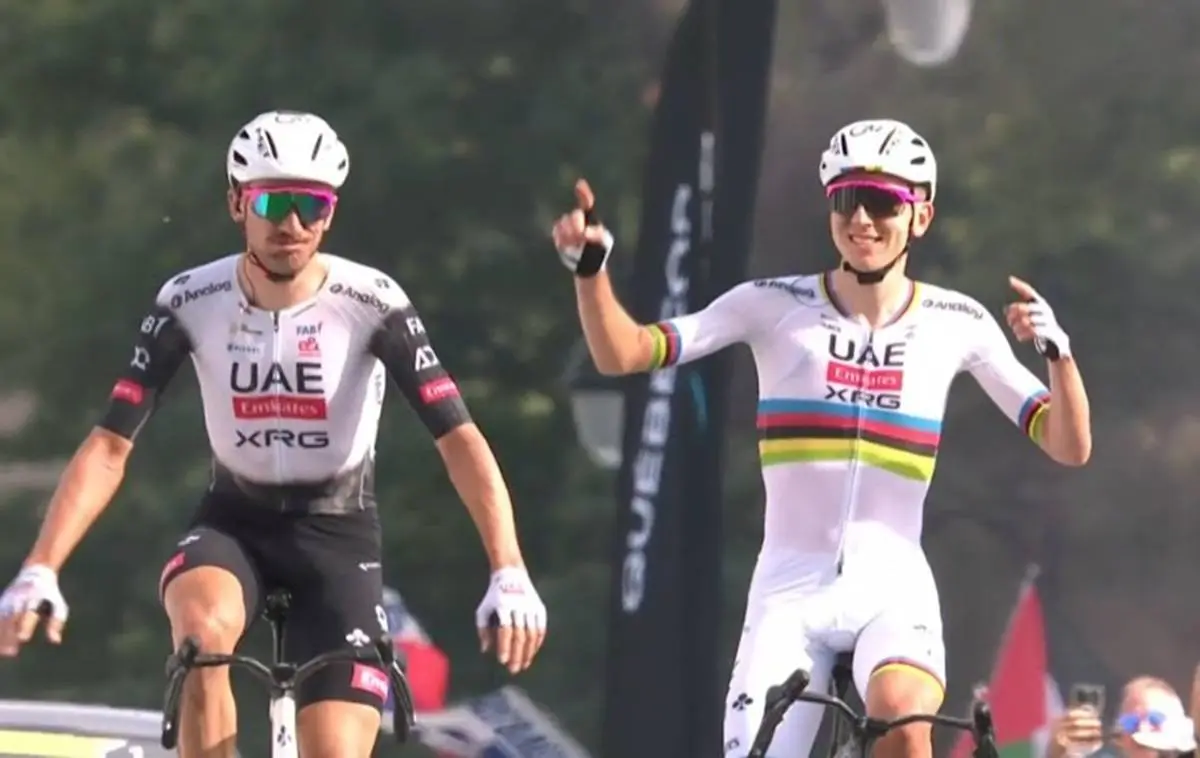
Race winner Jonas Vingegaard was similarly disappointed in
the aftermath of the Madrid finale: “It's a shame that such a timeless moment
was taken away from us. I'm very disappointed about it. I was really looking
forward to celebrating this victory with my team and the fans. Everyone has the
right to protest, but not in a way that influences or jeopardizes our career.”
Yet Vingegaard also showed empathy earlier in the race,
acknowledging the broader cause: “I’ve said that I understand what’s going on
and why they’re protesting. I just wish they’d done it somewhere else, I won’t
hide that, so that we could race properly. But they’re doing it for a reason.
They’ve found a platform here that they haven’t been able to find elsewhere.” These
comments highlight the tension many riders felt: recognising the seriousness of
the issues in Gaza, while questioning the methods that placed their safety and
careers at risk.
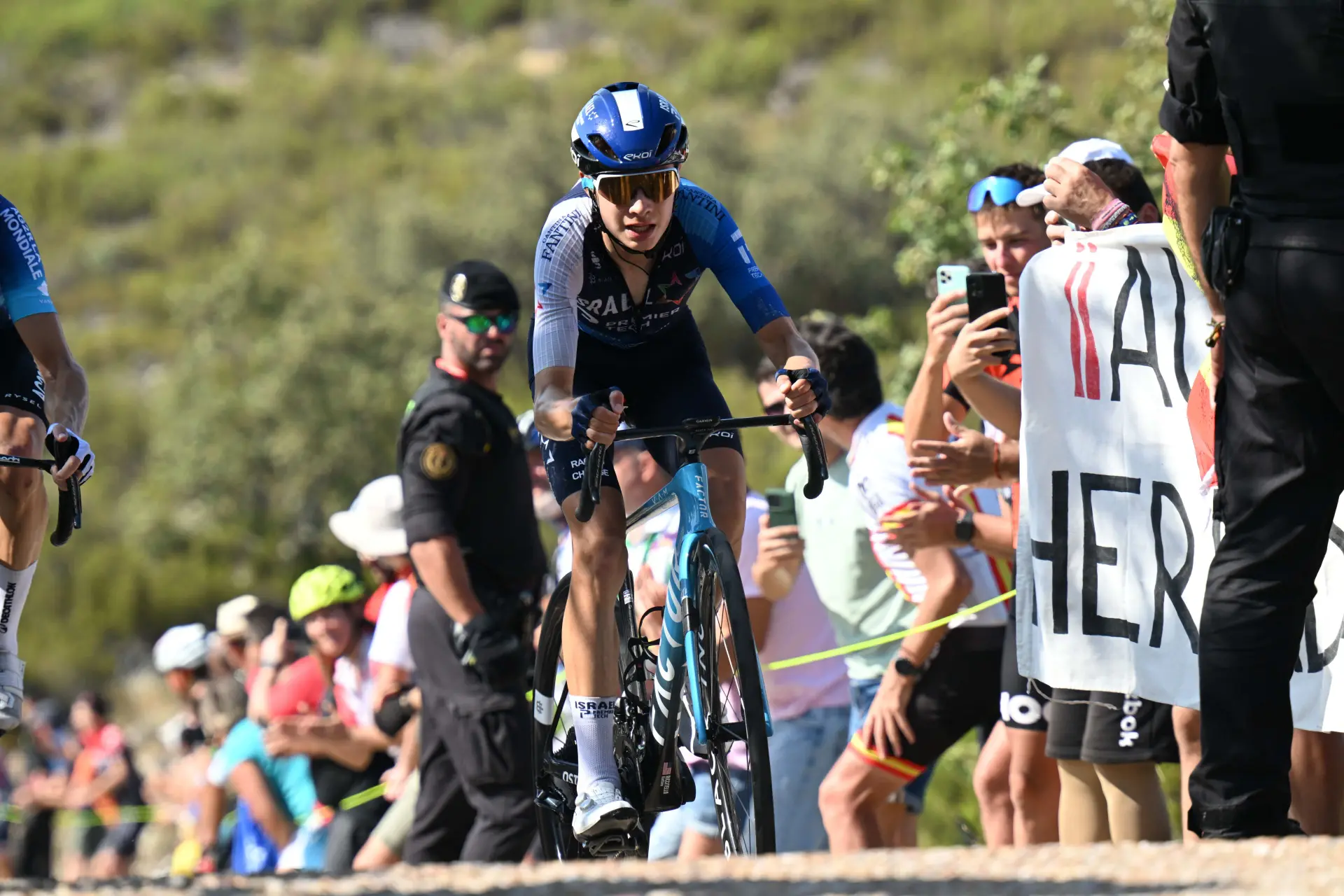
For Israel - Premier Tech’s Matthew Riccitello, who emerged
as one of the revelations of the race by winning the white jersey and finishing
fifth overall, the emotional toll was significant. “To be honest, it’s been
really tough for all of us. Not just our team, but the whole peloton. I haven’t
been on my phone much, just when talking to family and friends. It’s been a
stressful three weeks.”
Read also
Political comments
From the Spanish government, the reaction was more measured.
Minister of Education, Vocational Training and Sports Pilar Alegría said during
the race: "I consider it fundamental that the Vuelta a España can be held,
just as other major international events have been held. It would be bad news
if a competition of this magnitude had to be suspended. What we are seeing
these days with the demonstrations, in my opinion, is understandable. Spanish
society cannot and should not remain neutral in the face of what is happening
in Gaza. Nor can sport turn its back on the reality that surrounds it."
Alegría’s comments recognised both sides of the conflict:
the importance of maintaining the race as a cultural and sporting institution,
and the legitimacy of public anger over the humanitarian crisis. Her position
contrasted with the riders’ immediate concerns about security, reflecting the
broader challenge of balancing freedom of expression with the safe functioning
of international events. Still, some riders felt that comments like this were unnecessarily
encouraging potential danger to them.
What did the UCI do?
The Union Cycliste Internationale (UCI) condemned the
disruption but emphasised neutrality. “The Union Cycliste Internationale (UCI)
firmly condemns the actions that led to the neutralisation of the 11th stage of
La Vuelta Ciclista a España. The UCI reiterates the fundamental importance of
the political neutrality of sports organisations within the Olympic Movement,
as well as the unifying and pacifying role of sport. Major international
sporting events embody a spirit of unity and dialogue, transcending differences
and divisions.”
However, beyond this statement, the governing body took
little visible action. Riders and teams were left to wonder why their security
had not been reinforced, and why so much of the responsibility was left to race
organisers.
Several voices from within the sport were scathing in their
assessment of both the Vuelta organisers and the UCI. Jan Ullrich did not hold
back: “There’s no real backbone. They let Israel - Premier Tech continue and
put the decision back onto the team. Somebody has to take responsibility now.”
Rick Zabel was similarly dismissive, “The organisers are hardly covering
themselves in glory. The fact is, the Vuelta’s image has already suffered
badly.”
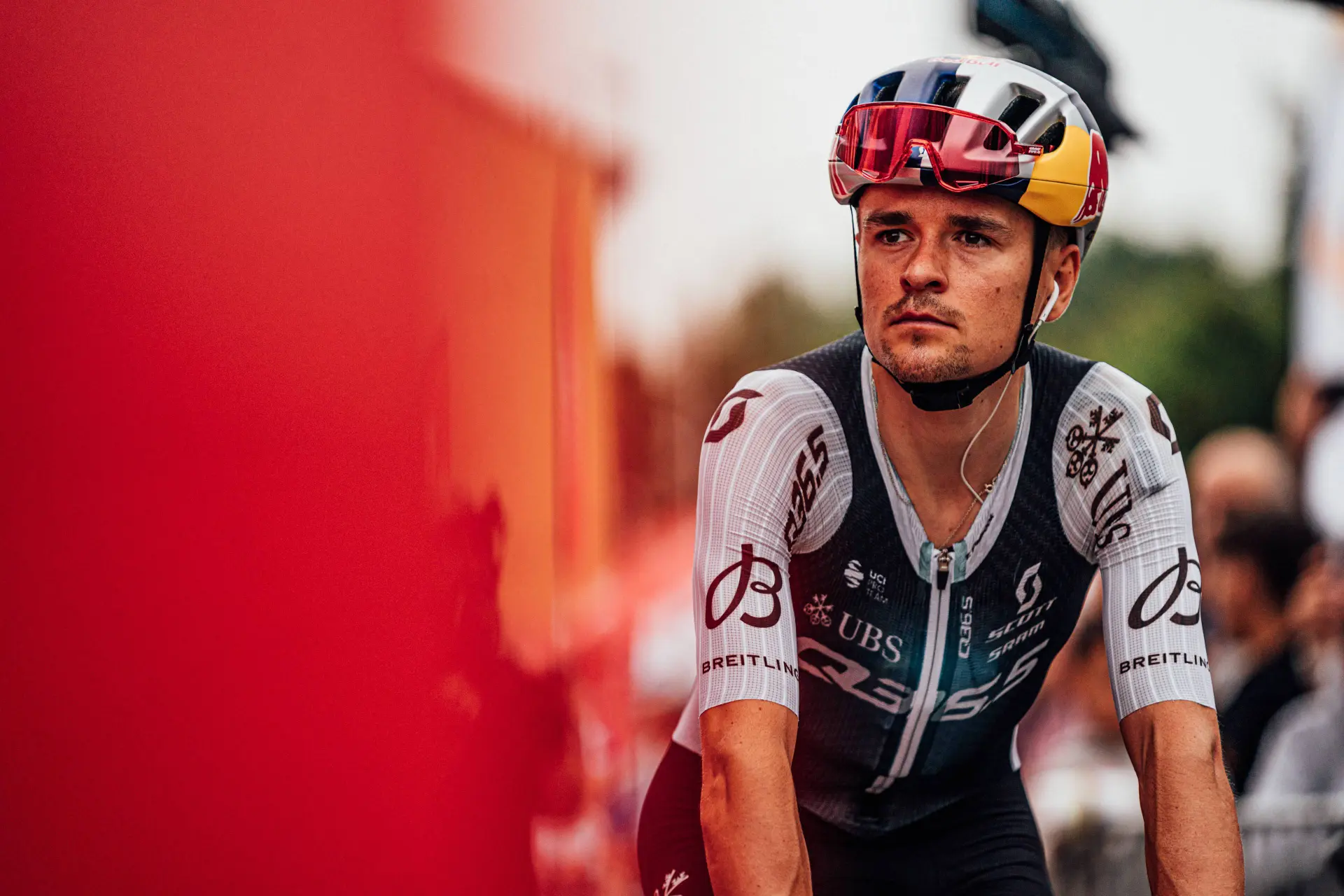
Patrick Lefevere, never one to stay silent, questioned the
basic duty of care provided to teams. “You can ask whether organisers don’t
have a duty of care towards the teams,” he wrote. “Shouldn’t they be securing
our parking areas? You start to wonder why organisers aren’t stepping up. They
invite us to their races, use our riders and equipment to sell their event, and
yet we’re left to fend for ourselves when it comes to basic protection.”
This critique reflects a wider consensus that the UCI and
the Vuelta’s organisers were too quick to issue statements and too slow to
provide concrete protection. Instead of taking control, they pointed fingers, at
the demonstrators, at political realities, and at Israel – Premier Tech itself,
while riders bore the risk. In short, the UCI and organisers did not do
anywhere near enough.
Can Israel – Premier Tech continue?
Israel – Premier Tech, at the centre of the storm, faced
immense scrutiny. Some organizers and commentators suggested that the team
should withdraw to defuse tensions. IPT rider Tom van Asbroeck forcefully
rejected this idea: “The organizer of the Vuelta deserves a yellow card for
insinuating that our team should leave the competition. That would be the last
straw. What about UAE or Bahrain, where human rights are a sticking point? Let
the riders simply compete.”
His argument highlighted the inconsistency of singling out
one team for political reasons while others, backed by governments also facing
human rights criticism, competed without question. It was a reminder that sport
is rarely free from geopolitics, and that selective application of principles
undermines credibility.
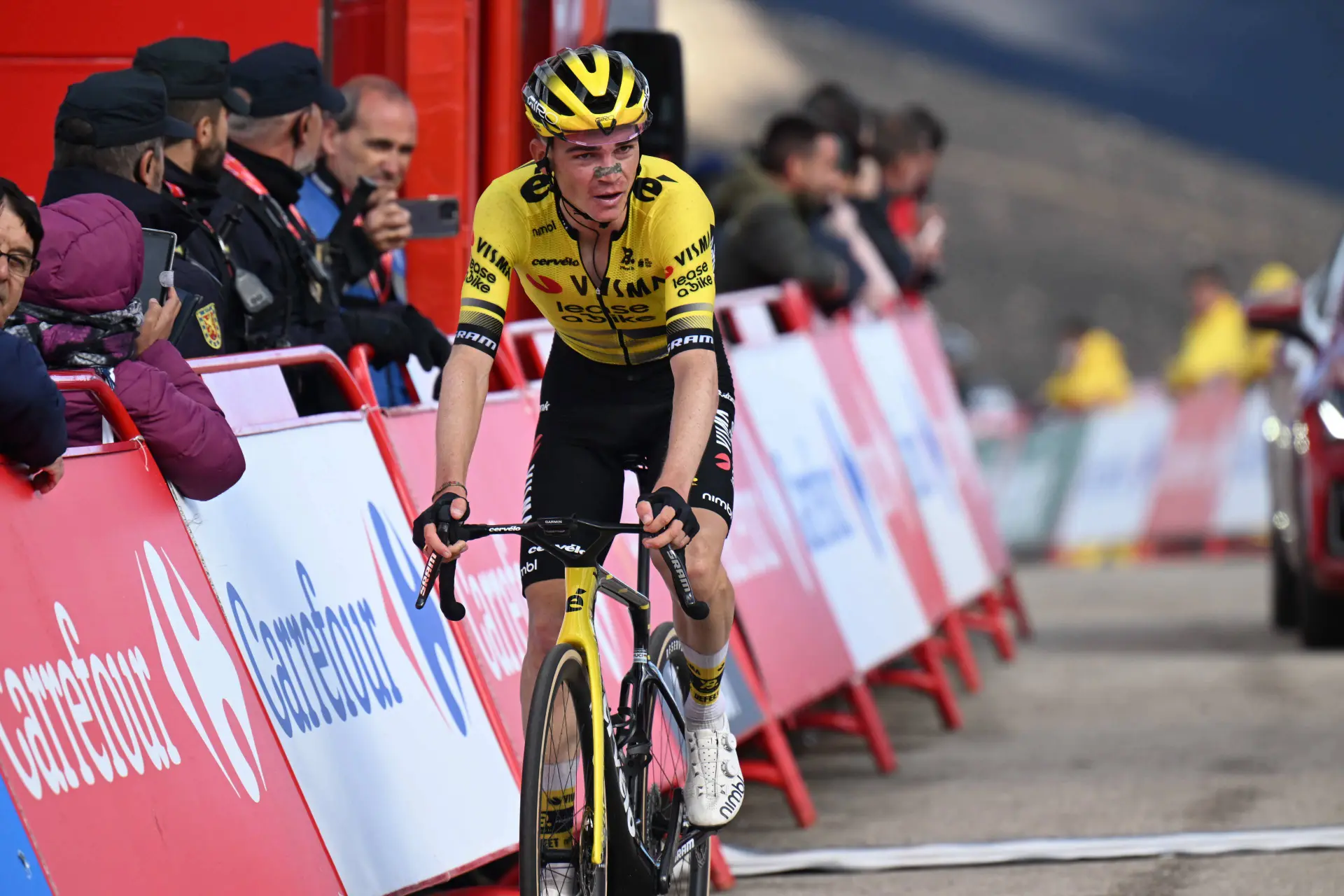
For some in the peloton, the Madrid finale was the ultimate
warning. Michal Kwiatowski captured the sense of unease: “You can’t just
pretend nothing is happening. From now on, it’s clear for everyone that a
cycling race can be used as an effective stage for protests and next time it
will only get worse, because someone allowed it to happen and looked the other
way.”
Balancing protests and safety
The 2025 Vuelta exposed a fundamental dilemma. On one side
lies freedom of expression and the right to protest, particularly over a
conflict as devastating as Gaza. On the other side lies the safety of riders
and the integrity of competition. The problem was not that protests existed,
but that organisers and governing bodies did not find a way to safeguard the
race while respecting democratic values.
Bonneu’s fury, Vingegaard’s disappointment, and Riccitello’s
stress all point to the human cost of inaction. Riders were not just
inconvenienced; they were placed at risk on public roads where security was
lax. And that, in terms of the cycling context is the most important thing. It
is one thing for fans to be left disappointed, and for stages to be shortened,
but putting the riders safety in danger is the most important element of the
sporting context of this debate.

The vulnerability of cycling was exploited during the 2025 Vuelta a Espana
Going forward
The Vuelta of 2025 will be remembered as the race where
politics and sport collided head-on. Its legacy may well shape how cycling
adapts. Organisers of the Tour de France and Giro d’Italia will be panicking
now, knowing they could be next, as the protesters showed just how easily they
could change the face of the race.
The sport now faces urgent questions: should grand tours
reroute away from urban centres more vulnerable to disruption? Should stronger
policing become standard, even at the cost of the open, fan-friendly atmosphere
that defines cycling? Or should governing bodies begin engaging with activists
directly, opening dialogue to reduce confrontation?
What is clear is that the UCI and race organisers cannot
rely on statements and finger-pointing alone. Riders expect more. Teams demand
protection. Fans want both security and integrity. If the 2025 Vuelta a Espana proved
anything, it is that cycling can no longer assume it will roll untouched
through political fault lines.
🎉 Felicidades, Jonas!
— La Vuelta (@lavuelta) September 15, 2025
Smart, calm, explosive when it mattered, and now dressed in red ❤️
What a ride. What a campeón 🏆
Inteligente, sereno, explosivo cuando hizo falta, y ahora vestido de rojo ❤️
Qué campeón 🏆#LaVuelta25 pic.twitter.com/3eqwqwpxwM

Fin MajorCycling Journalist
Fin Major is a UK-based writer at CyclingUpToDate and has been part of the team since 2024. He is the site’s main writer for FAQs and evergreen explainers and has written around 2,000 pieces for the platform. Alongside this work, he focuses on in-depth analysis and covers the biggest races on the calendar, including the Tour de France, the Giro d’Italia, and La Vuelta a España, providing clear context around performance trends, tactics, and key storylines.
In his reporting, Fin uses reputable data sources such as ProCyclingStats for results, statistics, and historical context. He places strong emphasis on careful sourcing, editorial accuracy, and updating articles promptly when new, verified information becomes available. Outside of writing, Fin is an active cyclist, which supports his practical understanding of the sport and its demands.
claps 0visitors 0
Just in
Popular news
Latest comments
- Nothing. Against Pogi nothingabstractengineer18-10-2026
- He didn't even try to sprint all outvappaxbipmv18-10-2026
- Campenaerts looked like a rolling pumpkin with that all orange leaders skinsuit !frieders318-10-2026
- He can take his dumb a$$ politics somehwere else !frieders318-10-2026
- good to have her back. fingers crossed she‘ll be able to stay!Ketterechts17-10-2026
- A tenner and he wins the Tour next year, too 😂anonymouscyclist17-10-2026
- the answer is either stick to classics or GTs but not bothabstractengineer17-10-2026
- the exodus already stared with Ciccone. Already they were struggling with two sprinters, now there are three. Also Ganna will demand leadership. Gall is the most proven GC, Ayuso has the most potential. GC leadership for everybody will be impossible. Literally a UAE style mess without pogi.abstractengineer17-10-2026
- I raced as an amateur for 12 years, including six years on my country’s national road cycling team. I secured two national titles and competed in three World Championships plus more than 15 international stage races. At 23, we travelled to Italy for a training camp—or so I assumed. On a rest day, we watched a presentation about adopting a more “professional” training approach. It was crystal clear what “professional” meant. That moment first exposed me to this dilemma. After returning from Italy, I left cycling—at least at the competitive level I had known. Over the following two years, the whole team was caught doping. I hold that everyone is innocent until proven guilty. In my view, current stakeholders operate on a different scale, and the sums involved are vast. I am unsure whether any doping would ever be revealed. I try to stay positive and enjoy the show. My 2c.
 vannpelt17-10-2026
 - Fiver he wins 🤣
 leedorney17-10-2026
Loading
13 Comments