
Stage 16 of the 2025 Tour de France will begin with calm
roads and end with chaos, as riders face one of the sport’s most iconic climbs:
Mont Ventoux. The 171 kilometer stage from Montpellier features a flat profile
until the final 15.7 kilometers, where the peloton hits the “Géant de Provence”
for the first time in four years. Alberto Contador, previewing the stage for
Eurosport, made clear that the day’s difficulty is sharply concentrated, and
completely unforgiving.
“15.7 km at 8.8% average gradient, but beware that the
previous kilometers are very hard,” Contador warned. “Because on the approach
the peloton sometimes gets bogged down by the wind. I remember once in a
Dauphiné or in a Tour de France arriving before the start of the pass at 180 or
190 heartbeats on the approach alone.”
Mont Ventoux doesn’t wait. As the race moves into its final
week, many riders will treat the first 150 kilometers as survival mode, knowing
full well what’s coming. And when they pass the sign marking the official start
of the climb, it hits. Hard.
“It’s just passing the banner at the start of the official
pass and starting the ramps that are constantly maintained at 9 and 10
percent,” Contador said. “It’s a pretty complicated pass because it doesn’t
have many curves in the initial part and you see how little by little you’re
leaving the group. The first 8 kilometers are very hard.”
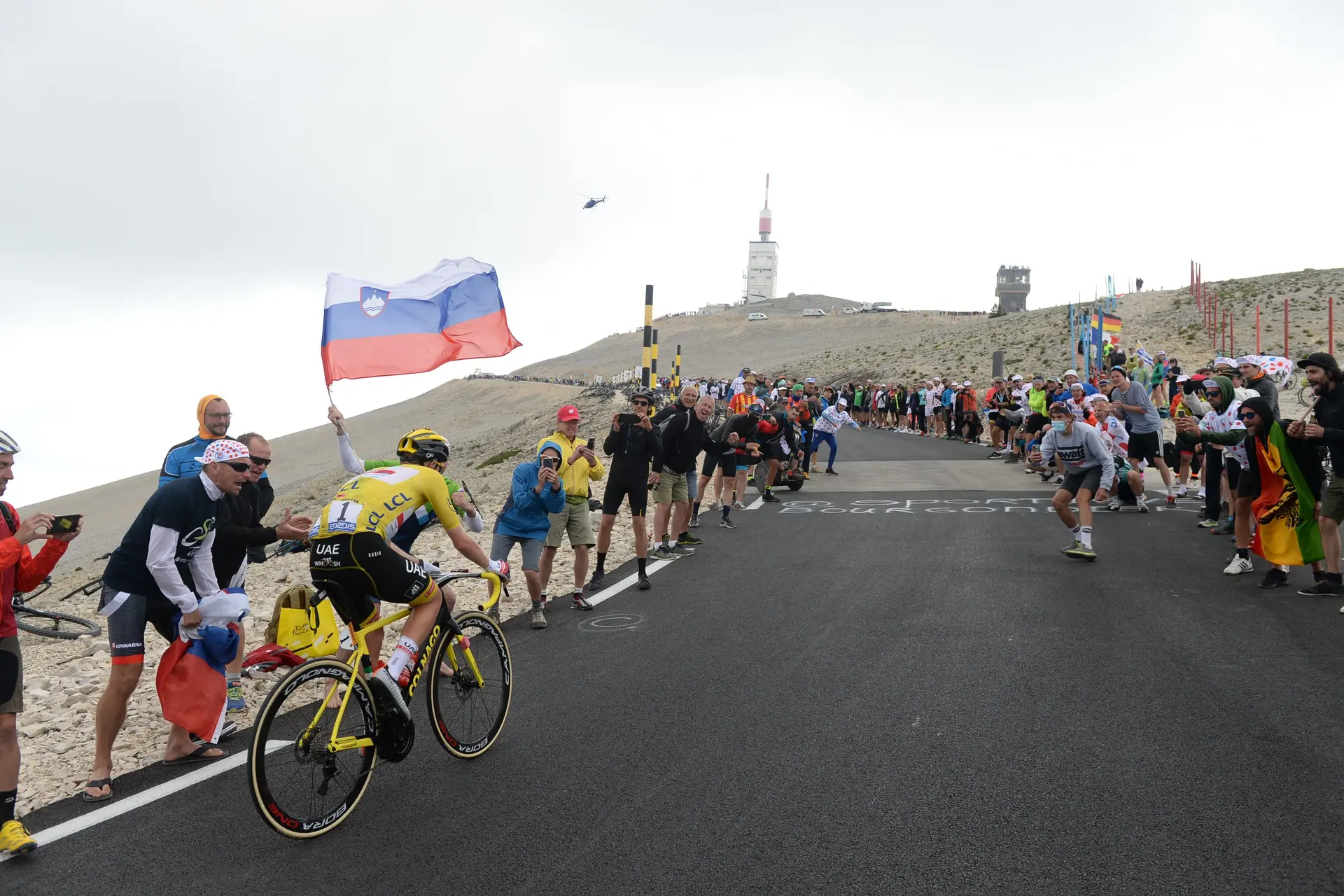
The wooded lower slopes of Ventoux are tough enough, but
it’s the combination of steep gradients and visual monotony, long straight
ramps with no letup, that break many. Contador pointed out that “the first
part, wooded and with worse ground due to the roots of the trees,” makes this
section uniquely brutal. “Percentages not outrageously high but almost always
around double digits,” he added. “It is almost eternal due to its lack of
curves.”
Contador knows the climb deeply, both in its difficulty and
how drastically form changes the experience. “I’m going up the pass and it’s
impossible not to remember 2009 when I did an hour and two minutes at 197
average heart rate in the Critérium du Dauphiné,” he said. “I was just a little
short in training, I didn’t want to be at my best thinking about the Tour. Five
weeks later, we faced the same climb in the Tour and it seemed to me like a
completely different climb: the difference between being good and being in
perfect shape.”
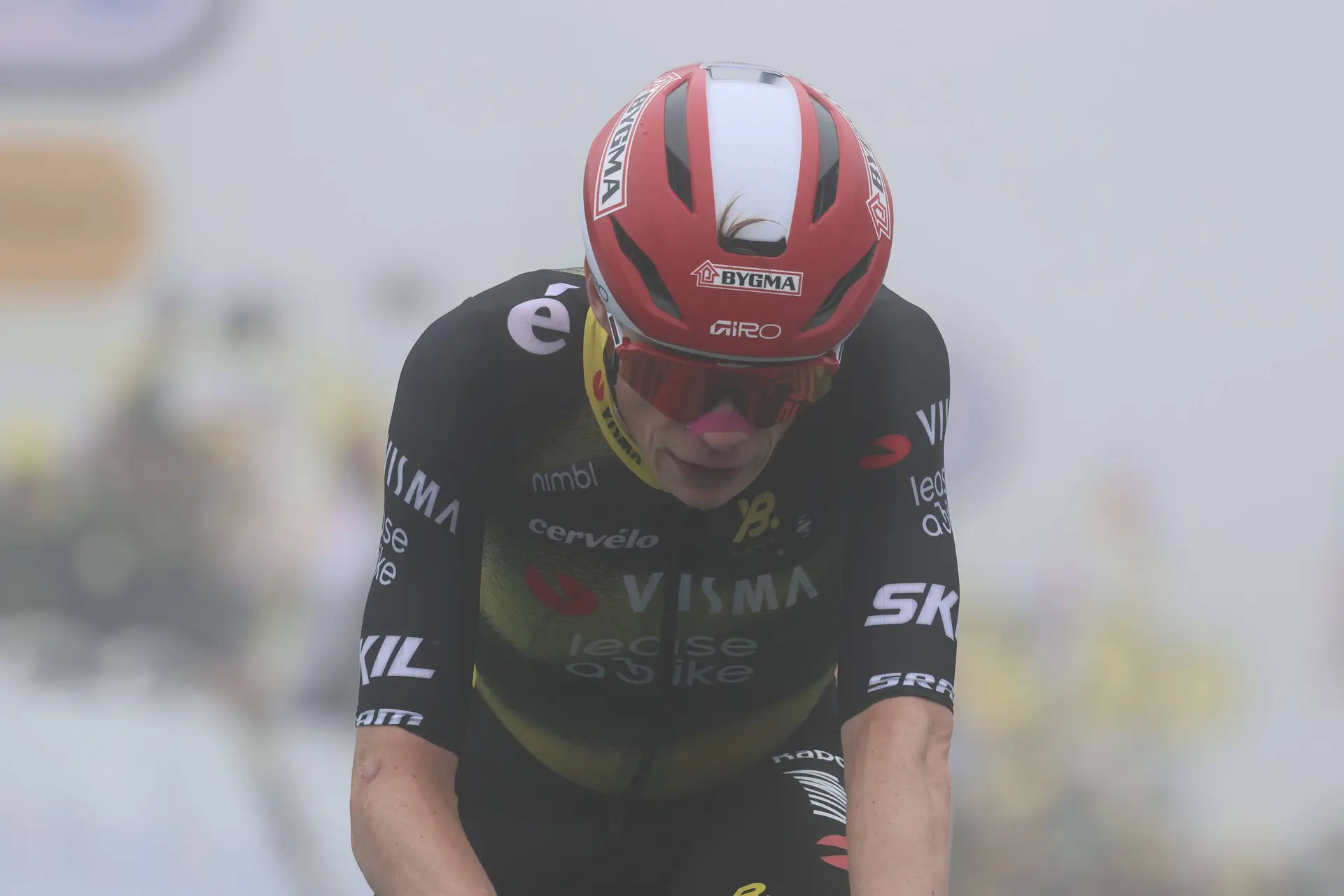
The character of the mountain changes drastically halfway
up, from dark forest to a white, windswept moonscape. “When the wooded area
ends and the windy area begins, at a point that all the riders recognize, if
you’ve managed to hold off attacks from your rivals in the windy area you can
protect yourself on the wheel and maybe save the day,” Contador explained.
“This last part is completely different,” he continued. “The
terrain is lunar, better asphalt, more pedaling and less percentage. Of course,
there is a problem: the wind.”
That wind, a persistent feature of Ventoux, could be
decisive. Riders hitting the open stretch with no draft could see small time
gaps turn into GC disasters. Despite the improved surface and lower gradient,
the exposure adds a psychological and physical layer of difficulty to the
climb.
“You get to the top after a final hard curve, to that top
with the mythical antenna,” Contador said, “that antenna that riders see from
afar and never seems to arrive after those very hard ramps of the first part
and the final part. It’s a pass that makes the difference and is different from
the rest.”
𝑬𝒔 𝒉𝒐𝒚, 𝒆𝒔 𝒉𝒐𝒚... 🔥
— Eurosport.es (@Eurosport_ES) July 21, 2025
⛰️ Llega la etapa del Mont Ventoux al #TDF2025 y @albertocontador nos hace un análisis al milímetro de lo que veremos en la Etapa 16 de @LeTour#LaCasadelCiclismo pic.twitter.com/R7MdlE3lMl
claps 1visitors 1
Just in

Popular news
Latest comments
- He didn't even try to sprint all outvappaxbipmv18-10-2026
- Campenaerts looked like a rolling pumpkin with that all orange leaders skinsuit !frieders318-10-2026
- He can take his dumb a$$ politics somehwere else !frieders318-10-2026
- good to have her back. fingers crossed she‘ll be able to stay!Ketterechts17-10-2026
- A tenner and he wins the Tour next year, too 😂anonymouscyclist17-10-2026
- the answer is either stick to classics or GTs but not bothabstractengineer17-10-2026
- the exodus already stared with Ciccone. Already they were struggling with two sprinters, now there are three. Also Ganna will demand leadership. Gall is the most proven GC, Ayuso has the most potential. GC leadership for everybody will be impossible. Literally a UAE style mess without pogi.abstractengineer17-10-2026
- I raced as an amateur for 12 years, including six years on my country’s national road cycling team. I secured two national titles and competed in three World Championships plus more than 15 international stage races. At 23, we travelled to Italy for a training camp—or so I assumed. On a rest day, we watched a presentation about adopting a more “professional” training approach. It was crystal clear what “professional” meant. That moment first exposed me to this dilemma. After returning from Italy, I left cycling—at least at the competitive level I had known. Over the following two years, the whole team was caught doping. I hold that everyone is innocent until proven guilty. In my view, current stakeholders operate on a different scale, and the sums involved are vast. I am unsure whether any doping would ever be revealed. I try to stay positive and enjoy the show. My 2c.
 vannpelt17-10-2026
 - Fiver he wins 🤣
 leedorney17-10-2026
 - “…measures to reduce speeds.” Might as well shorten the race course to just 50km as well? ASO generates at minimum €300m a year and 30- 40% profit. Maybe stop being greedy and spend more of the profit to protect the riders instead.b3tlla17-10-2026
Loading
Write a comment