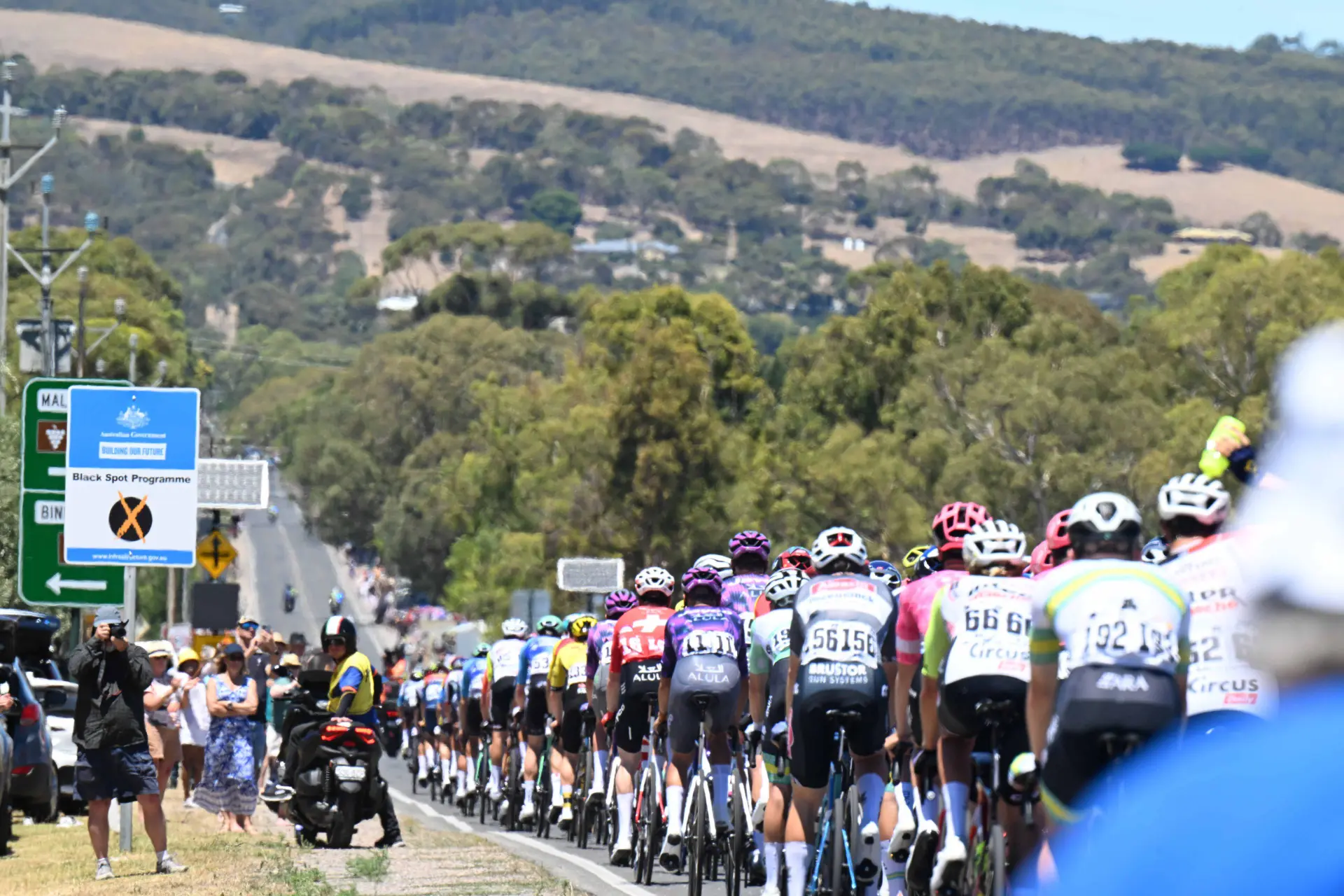
The
life of a pro cyclist is no gentle ride. To be one of the best in the business,
you need commitment and a whole lot of desire – not to mention natural cycling
talent.
But it
is possible.
If
you’ve got the fire in your belly and the legs to back it up, here’s your
no-nonsense guide to turning that two-wheeled dream into a reality.
Step 1: Lay the foundations
This is
where the magic (and the pain) begins. You can't fake fitness in professional
cycling, so you’ll need to do lots of structured, targeted training.
Your days will be dominated by a meticulously
crafted training regimen that will build your aerobic
base, increase your power, and sharpen your race-day instincts.
Here’s
how it could look.
·
Polarized
training
A
popular and effective method. This means you’ll spend about 80% of your time at
a low, steady intensity (Zone 2, the "endurance" zone) to build a
massive aerobic engine. The other 20% will be spent on high-intensity intervals
(VO2 max, lactate threshold) to boost your top-end power.
· Fuel your machine
You’ll
need a pro-level nutrition plan. Think of food as fuel, not
just sustenance. A cyclist's diet is rich in complex carbohydrates (like pasta,
rice, oats), lean protein for muscle repair, and healthy fats.
During
long training rides or races, you'll need to consume 60-90+ grams of
carbohydrates per hour.
· Get a coach
Don't
go it alone. A knowledgeable coach is your GPS for this journey. They'll design
your training plan, analyse your power data (your FTP, or Functional Threshold
Power, is a key metric), and provide strategic and mental support.
Step 2: Get the gear (including the right bike)
A pro
without a proper bike is just someone in Lycra. You may not need a World Tour-level
bike to start, but you do need a bike that is race-ready.
Your
bike is your tool, after all, and it needs to be an extension of you.
The
first stop should be searching for your bike. Instead of just looking at price,
focus on the bike's purpose and components.
Websites like BikeRadar.com and
CyclingWeekly.com are excellent ways of comparing different models and brands.
Just as you might use a site like Rotten Tomatoes for movie reviews or Casino
Guru for
online casinos, these sites let you see how bikes perform in real-world tests
and compare specs side-by-side.
They
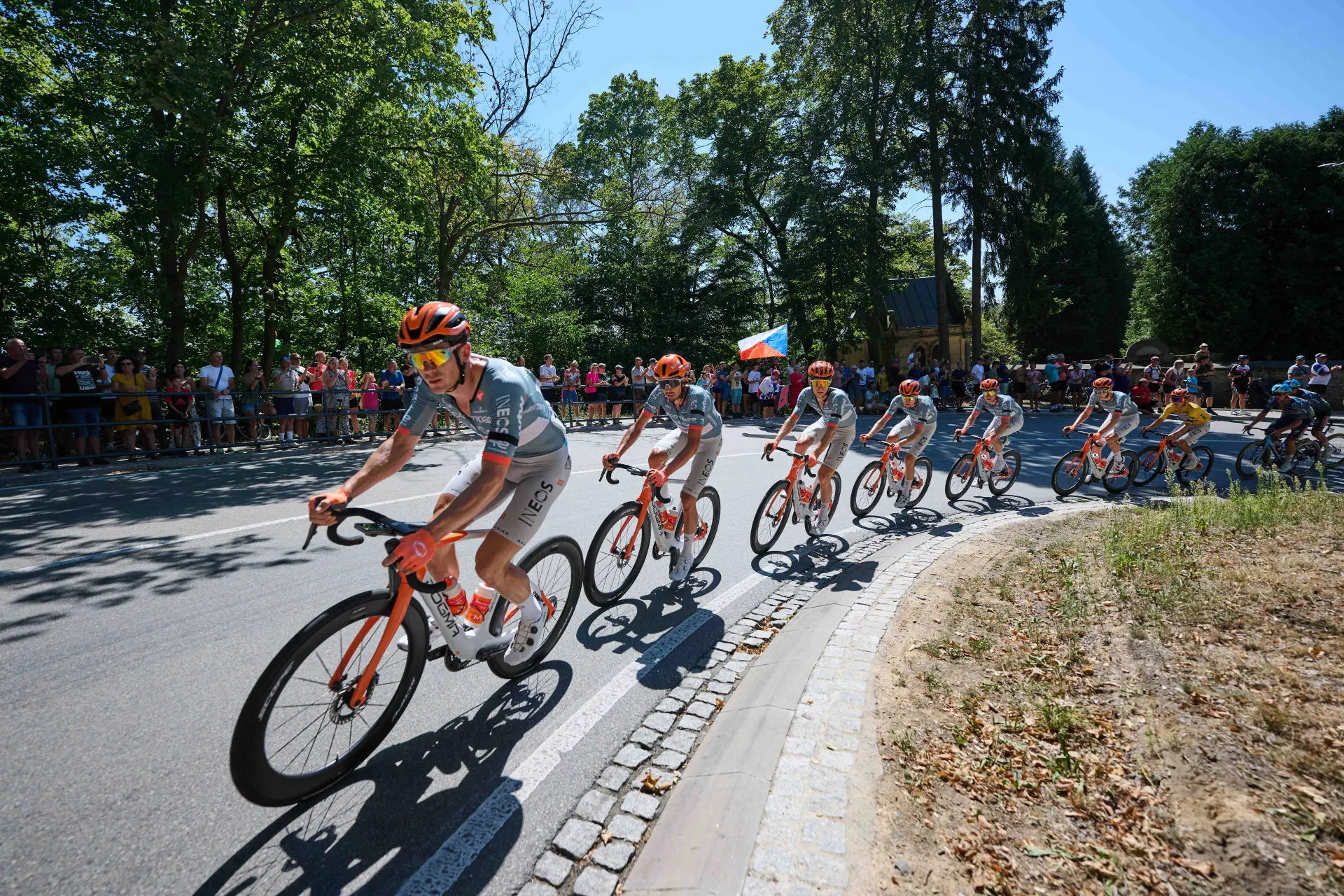
offer in-depth reviews and comparisons of the latest road bikes. Look for an
aero bike for flat, fast courses, a lightweight climbing bike for hilly
terrain, or an all-arounder that balances both.
You’ll
also need a power meter. This device measures your power output in watts and is
absolutely critical for tracking your progress and following your training
plan. Don't cheap out on this; it's the single most important piece of tech
you'll own. A GPS computer is necessary for navigation and data collection.
Step 3: Join the community
Cycling
is a team sport, even for solo artists, so you won't get far on your own. You
need to race, and to do that, you need to join a club or a team.
This is
where you'll learn to handle a bike in a peloton, read a race, and primary
essential skills like cornering and descending.
Winning
races is the simplest way to get noticed. But more importantly, racing is where
you build the tactical acumen and mental toughness required to go pro.
You
need to learn how to position yourself, how to conserve energy, and when to
attack.
What’s
more, the people who run the club are likely to have the right contacts for you
to quickly progress your career.
Step 4: Climb the ranks
Once
you're dominating at the local level, it's time to step up.
If
you’re a teenager, then the path to the pros is a clear progression,
particularly through the junior (U19) and U23 categories. This is the age where
pro teams and scouts are looking for talent.
However,
don’t rule yourself out if you’re already an adult. Consistent wins in
high-quality national and international races, like the UCI World Cycling Championships, are what they're looking for,
so you can compete to try and enter these to build this record up.
If
you're a young American or Australian rider, it's almost a must to race in
Europe. The competition is fiercer, the races are longer, and the racing
culture is more established.
Getting
a spot on a smaller Continental team in Europe can be a strategic move to get
into the races that matter.
Step 4: Seal the deal (The pro contract)
This is
the holy grail. There are a few paths to getting that pro contract.
The
traditional route is to win a lot, post incredible power numbers, and catch the
eye of a talent scout or a team director. You get an invitation to a training
camp, and if you impress, you're offered a contract.
The
modern route is data-driven. With the rise of platforms like Zwift, teams are
now scouting talent based on raw power data and programs like the Zwift Academy
have directly led to pro contracts. This is a great way for riders who might
not have the money or opportunity to race in Europe to get a foot in the door.
Becoming
a pro cyclist is a long, hard road, but it is also one of the most rewarding.
It's about waking up every day and chasing a dream with everything you have.
The pain, the sacrifice, and the endless hours on the bike all lead to a single
moment: the moment you realize you're not just a cyclist—you're a pro.
So go
on, get out there, and start turning those pedals. Your new life is waiting.
claps 1visitors 1
Just in
Popular news
Latest comments
- Idiotic fella
 Rafionain-Glas18-10-2026
 - Nothing. Against Pogi nothingabstractengineer18-10-2026
- He didn't even try to sprint all outvappaxbipmv18-10-2026
- Campenaerts looked like a rolling pumpkin with that all orange leaders skinsuit !frieders318-10-2026
- He can take his dumb a$$ politics somehwere else !frieders318-10-2026
- good to have her back. fingers crossed she‘ll be able to stay!Ketterechts17-10-2026
- A tenner and he wins the Tour next year, too 😂anonymouscyclist17-10-2026
- the answer is either stick to classics or GTs but not bothabstractengineer17-10-2026
- the exodus already stared with Ciccone. Already they were struggling with two sprinters, now there are three. Also Ganna will demand leadership. Gall is the most proven GC, Ayuso has the most potential. GC leadership for everybody will be impossible. Literally a UAE style mess without pogi.abstractengineer17-10-2026
- I raced as an amateur for 12 years, including six years on my country’s national road cycling team. I secured two national titles and competed in three World Championships plus more than 15 international stage races. At 23, we travelled to Italy for a training camp—or so I assumed. On a rest day, we watched a presentation about adopting a more “professional” training approach. It was crystal clear what “professional” meant. That moment first exposed me to this dilemma. After returning from Italy, I left cycling—at least at the competitive level I had known. Over the following two years, the whole team was caught doping. I hold that everyone is innocent until proven guilty. In my view, current stakeholders operate on a different scale, and the sums involved are vast. I am unsure whether any doping would ever be revealed. I try to stay positive and enjoy the show. My 2c.
 vannpelt17-10-2026
Loading