"You have to understand that you cannot block the will of a rider": Giuseppe Saronni weighs in on Paul Seixas' historic Tour de France debut
Cycling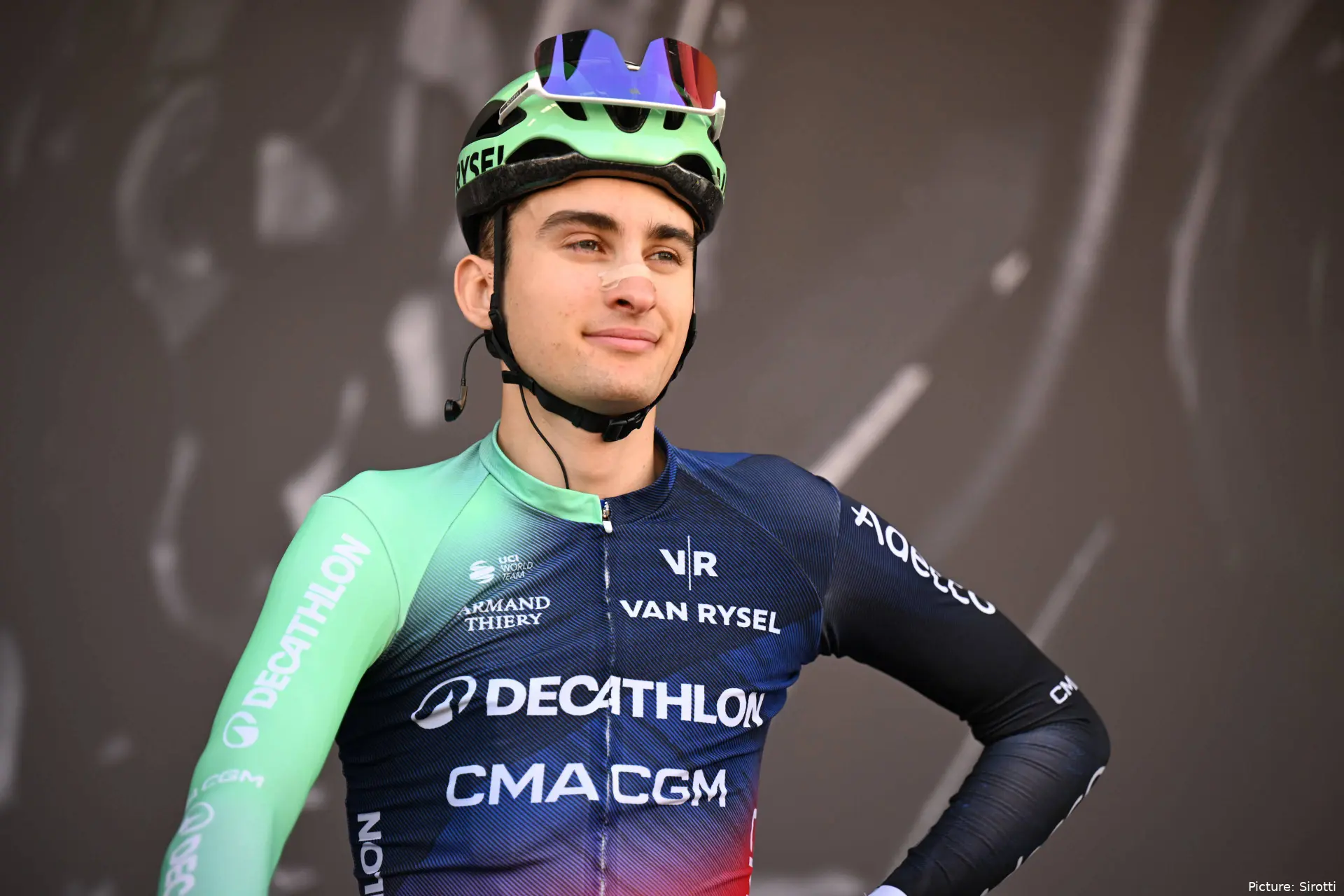
The youth revolution in professional cycling is about to hit an unprecedented milestone. When the peloton rolls off the start line for the 2026 Tour de France, Decathlon's teenage sensation Paul Seixas will make history as the youngest rider to compete in the Grande Boucle since 1937, and his early call-up has ignited a fierce debate: is he being rushed? To make sense of this modern phenomenon, the cycling world is looking back nearly half a century to Italian legend Giuseppe Saronni, who faced the exact same pressures and temptations in 1977.
History repeats itself: Saronni's 1977 dilemma
Almost 50 years ago, an incredibly precocious Giuseppe Saronni turned professional at just 19 and a half years old. He immediately set the Italian peloton on fire, finishing second in his debut at the Trofeo Laigueglia (beaten only by World Champion Freddy Maertens) before winning the Trofeo Pantalica and the Tour of Sicily. Naturally, the teenage Saronni desperately wanted to race the Giro d'Italia, sparking massive debates in the press and within his team.
Ultimately, fate intervened. "When you are 19, you want to race, so you don't really think about the fact that you are young and maybe have little experience," Saronni recalled in words to bici.pro. "My situation was easily resolved because I crashed at the Giro di Romagna and broke my collarbone, so it was a forced choice. Probably they would have convinced me not to do the Giro because my sports director Carletto Chiappano was a person of great experience... but inside me, the desire to compete and do the Giro was there."
Saronni admitted that, as a teenager, he would have done anything to get on the start line. "I would even have told a little lie, saying 'no, I'm just doing the Giro to get experience carefully, without spending too much energy.' Because when you are in the race, especially at that age, you give everything you can to get a result."

Tadej Pogacar, Paul Seixas and Remco Evenepoel at the 2026 Liege-Bastogne-Liege podium
The data difference: 1977 vs. 2026
While the ambition of a 19-year-old remains unchanged, Saronni is quick to point out that comparing his era to Seixas' situation today is like comparing apples to oranges, primarily due to modern sports science.
"They are two different eras. Back then, you didn't have the technological support - everything that teams and riders have today to understand where you are at and what your maturity is," he explained. "Today it is easier to make certain decisions; you know everything about everyone. We went in a bit blind, relying only on personal experience, and we lacked a lot of knowledge. So it was easier to make mistakes."
Despite the valid concerns about burning out a young rider, Saronni believes that if Seixas is demanding to race the Tour, his physical capabilities likely back up his ambition. The Italian legend pointed to Seixas' recent performance at Liège-Bastogne-Liège as proof.
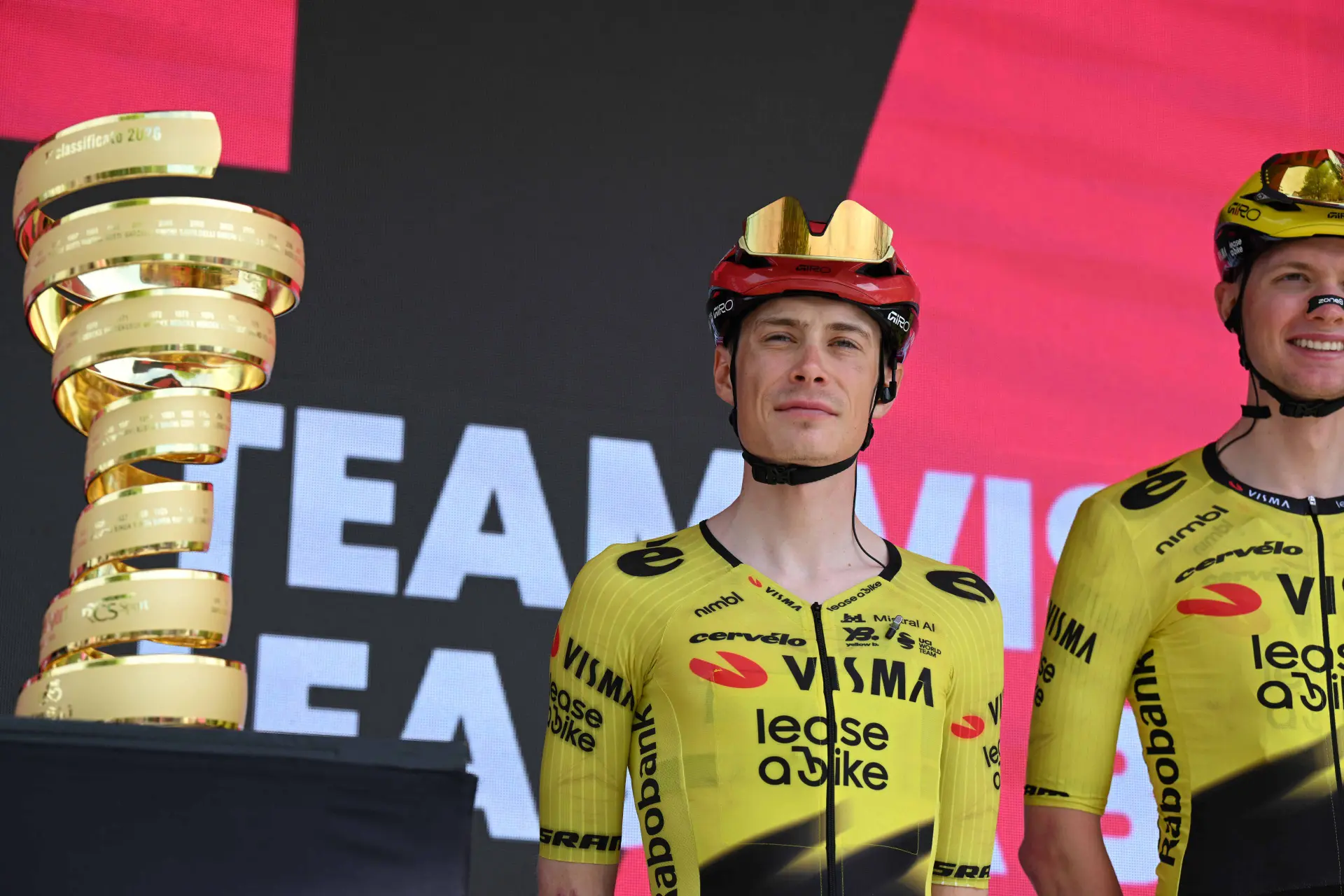
"You have to be careful when a boy is young not to burn him out... but on the other hand, you also have to understand that you cannot block the will of a rider," Saronni argued. "The engine is there, because otherwise you don't stay on Tadej Pogacar's wheel on La Redoute, where Pogacar gave his all. You don't stay on his wheel quite easily if you don't have an engine that is already prepared."
Saronni sees distinct parallels between Seixas' upcoming Tour debut and Pogacar's own early breakthrough at the Vuelta a España. "These boys are talents; they feel what they can do. With Tadej, there wasn't much to plan; he knew where he could and wanted to arrive, so it was quite easy because he was allowed to do it, and he proved he was already ready."
The weight of a nation
While the physical data might support the decision, there is another monumental factor at play: the psychological burden of being the next great French hope. France has been waiting four decades for a home winner at the Tour de France, and the hype surrounding Seixas is astronomical.
"There is definitely enormous pressure around this boy because France hasn't had protagonists for a lifetime, especially in a race like the Tour," Saronni noted. "This boy is becoming the new figure of world cycling, so the team also wants to value him. The fans always expect a lot. But if the rider is capable, has character, and is intelligent, he also knows what he wants to do."
Ultimately, Saronni believes Decathlon wouldn't send the teenager to the biggest race in the world if he wasn't genuinely prepared to fight. "For Seixas, it's different [than my situation in 1977]; if he does it, it's because the team knows he can, and that he will be competitive at the highest level."
Read also
Félix SernaCycling Journalist
Félix Serna is a writer at CyclingUpToDate and has been part of the team since 2025. He covers professional cycling across both the men’s and women’s calendars, with a focus on UCI rankings, race developments, and rider performance. His work includes interview-based reports, liveblogs, and tournament coverage designed to provide clear, accurate context throughout the season.
In his reporting, Félix regularly uses ProCyclingStats for results, statistics, and historical reference. He places strong emphasis on careful sourcing, editorial accuracy, and updating articles promptly when new, verified information becomes available. He holds a bachelor’s degree in International Studies.
claps 1visitors 1
Just in
Popular news
Latest comments
- Good grief, who proofreads this stuff? Errors abound.wrsty18-10-2026
- You can add weight to a bike and limit gears or make it single speed if you like. I doubt that would reduce crashes. It would just add another dymanique. All good and well, but It wont stop cars getting on to the course.Cyclingsbestfan18-10-2026
- Seixas is probably second best in the World on short climbs. But that hasn't translated as well to long climbs
 Rafionain-Glas18-10-2026
 - Idiotic fellaRafionain-Glas18-10-2026
- Nothing. Against Pogi nothingabstractengineer18-10-2026
- He didn't even try to sprint all outvappaxbipmv18-10-2026
- Campenaerts looked like a rolling pumpkin with that all orange leaders skinsuit !frieders318-10-2026
- He can take his dumb a$$ politics somehwere else !frieders318-10-2026
- good to have her back. fingers crossed she‘ll be able to stay!Ketterechts17-10-2026
- A tenner and he wins the Tour next year, too 😂anonymouscyclist17-10-2026
Loading
Write a comment