“You can always dream, but most dreams are deception” – Oscar Onley and INEOS Grenadiers warned Tour de France ambition could turn into a nightmare
Cycling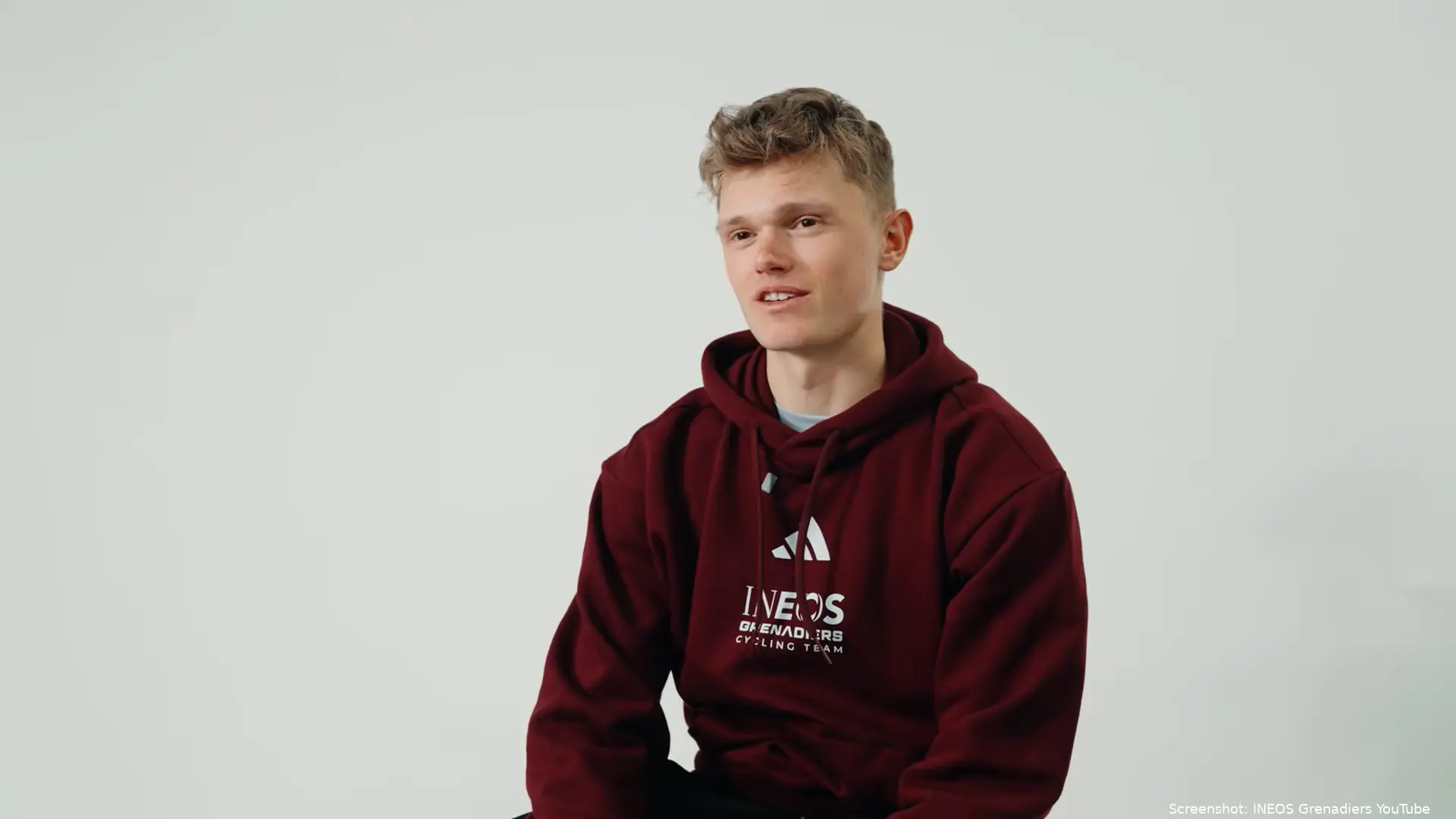
INEOS Grenadiers have made one of the boldest statements of the transfer market by signing Oscar Onley, fresh from a fourth place at the Tour de France. It is a move built on belief, timing and ambition. But outside the team, not everyone is convinced the next step is as close as it looks.
On the Kop over Kop podcast, analysts questioned whether INEOS, even with Onley and Kevin Vauquelin added to the roster, are actually equipped to challenge for the Tour in the era of Tadej Pogacar and Jonas Vingegaard. Their message was not subtle. The dream is big, but the reality might be brutal.
Inside INEOS, the story is one of rebuilding and renewed intent after sliding to eighth in the UCI team rankings in 2024. In 2025 they fought back with aggressive racing and stage wins across all three Grand Tours. But stage wins are not what defines this team. The Tour de France is.
And that is where the doubts begin.
Pressure at the top
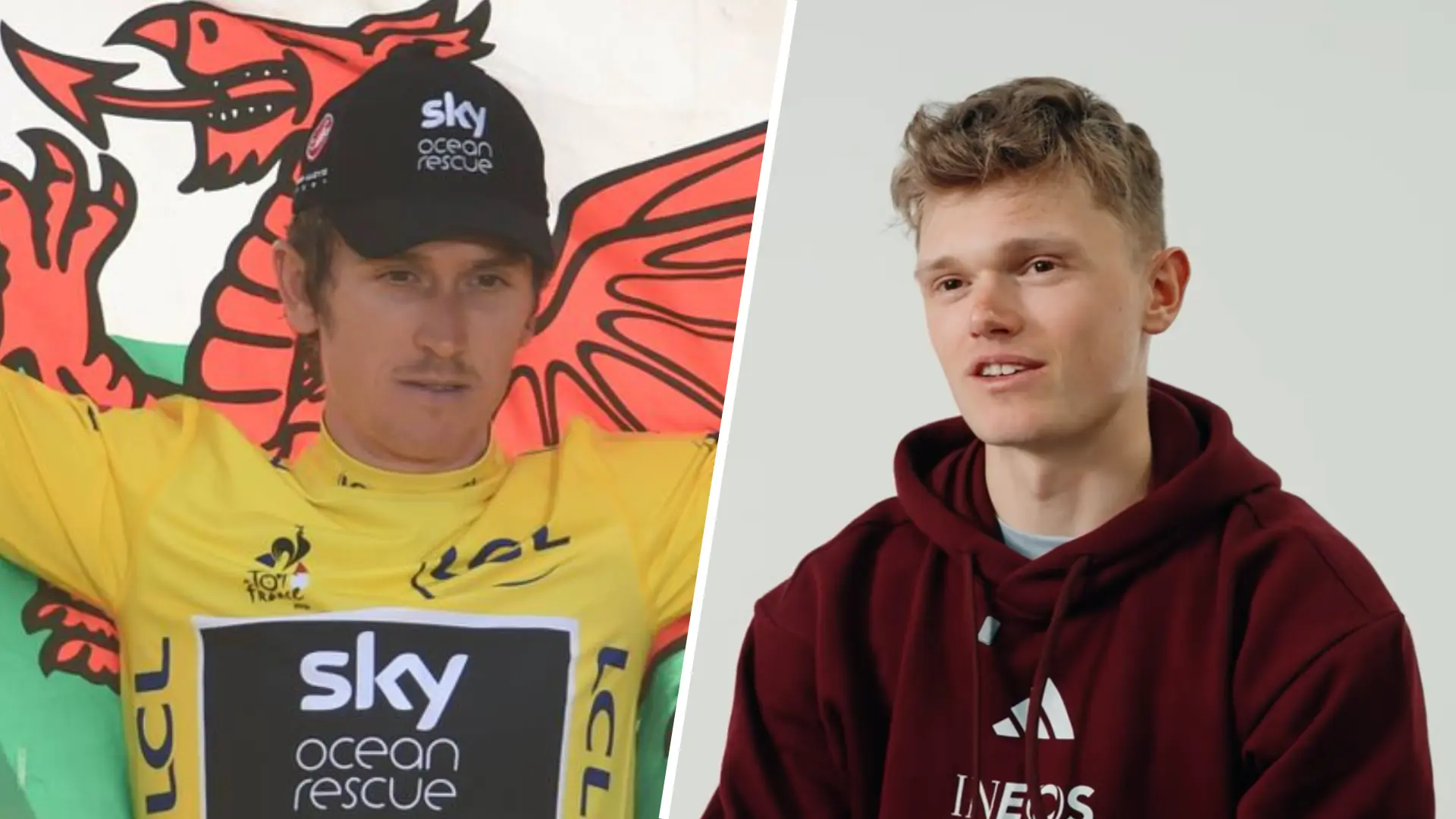
Bobbie Traksel said the mood around INEOS is shaped as much by sponsors as by results. “We are top, and if we’re not top, we don’t want to be part of it anymore.”
That pressure filters straight into sporting ambition. “If I were you, I’d show very quickly that you can win the Tour de France, because otherwise they’ll pull the plug.”
For a team rebuilding after a difficult period, that is a dangerous place to live. It means every signing is judged not on development or trajectory, but on whether they look like an immediate Tour winner.
That is the lens through which Onley is now being viewed.

Onely mixed it with the likes of Vingegaard and Pogacar en route to a 4th overall finish at the 2025 Tour de France
What fourth place really means
Onley’s fourth place at the Tour was historic for him and huge for Picnic PostNL. It was also the result that pushed him into INEOS’ long-term plans. But that ride was framed less as a beginning and more as a ceiling.
Jeroen Vanbelleghem was blunt: “Onley finished fourth in the Tour this year. In my opinion, he can’t do better than that given the start list.”
He went further: “I don’t see him third in that field.”
The argument is not that Onley is weak. It is that the top of the sport is warped by two riders who distort what “progress” even looks like. Fourth becomes failure when the same two names keep winning.
That framing sits uncomfortably close to what Onley himself has already said about his own position. Speaking earlier this winter, he described the gap ahead of him as large and admitted: “I still feel very far away.”
That is not resignation. It is realism. But realism does not always fit well with Tour winning expectations.
Dreams, deception and alternative paths
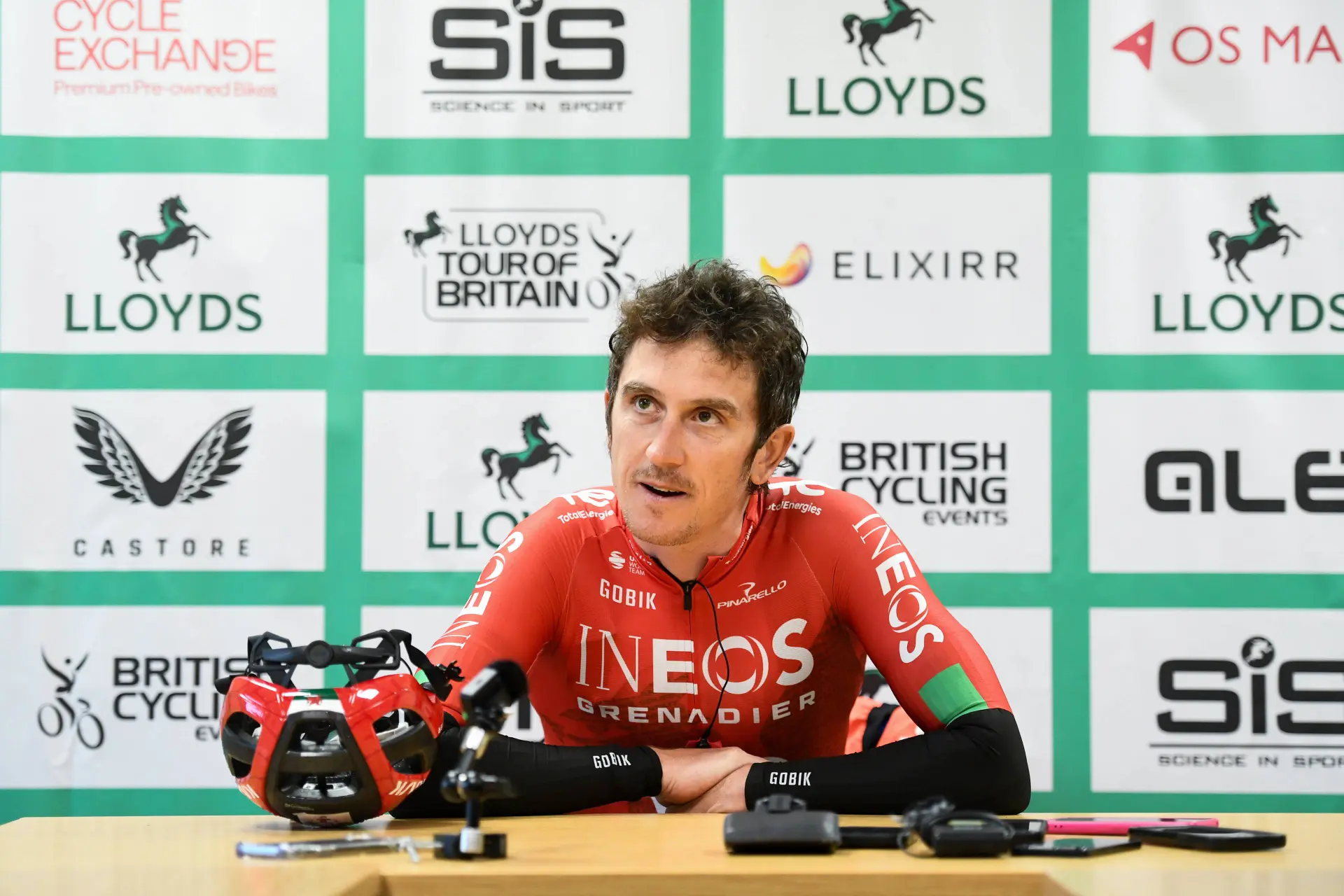
Vanbelleghem’s conclusion was delivered through a line that has quickly become the defining quote of the debate: “You can always dream, but most dreams are deception.”
That is not just about Onley. It is about the environment he has stepped into.
In the same discussion, he questioned whether the Tour should even be the main target for a rider like Onley at this stage: “So wouldn’t it be more enjoyable to go for a podium in another Grand Tour?”
The implication is clear. Giro or Vuelta first. Build confidence. Build leadership. Then return to the Tour when the landscape changes.
It is a line of thinking that actually mirrors Onley’s own words from earlier in the winter, when he openly spoke about other Grand Tours as realistic targets in the coming years. The difference is tone. Onley frames it as opportunity. The pundits frame it as limitation.
INEOS between belief and reality
INEOS have not signed Onley to aim for fourth. They have signed him because he looks like someone who could become more. But this analysis shows how narrow the definition of “more” has become.
Vanbelleghem summed up his view of the current roster with a simple challenge: “They should forget about that with this selection.” His “that” was clear. Winning the Tour.
The danger is not that Onley is not good enough. The danger is that he is being dropped into a story where only one ending is considered success.
Fourth at the Tour used to be a triumph. Now it is framed as proof of a limit.
For INEOS, the coming seasons will test whether they can build patiently around Onley, or whether the pressure to beat Pogacar and Vingegaard immediately will turn belief into burden.
And for Onley himself, the challenge is not just climbing mountains faster. It is surviving inside a dream that, in the words of his critics, risks becoming deception if it is forced to arrive too soon.

Kieran WoodDeputy Editor-in-Chief
Kieran Wood is a sports journalist based in Wales and has been active in journalism since 2022. He regularly contributes to DartsNews.com and CyclingUpToDate.com, where he covers professional cycling and darts. In cycling, his work includes liveblogs from major races, including the Tour de France, the Giro d’Italia, and La Vuelta a España, alongside race reports and analysis. He has also conducted interviews with professional riders.
His reporting spans the full racing calendar, from one-day classics to stage races, with a focus on accurate, real-time coverage and clear contextual analysis. For statistics, results, and historical context, he regularly uses resources such as ProCyclingStats. To support reporting on rider activity and training context where relevant, he also references Strava.
In his work, Kieran places strong emphasis on careful sourcing, editorial accuracy, and updating articles as new, verified information becomes available.
claps 4visitors 4
Just in

Popular news
Latest comments
- Seixas is exactly what I would like Pogi to be mentally and in his statements. Both come across as shy and who don't talk much but with Seixas, you can see that he enjoys success, that it boosts his ego, unlike Pogačar who seems to feel increasingly uncomfortable the more he wins. He's won so many times, people are saying he's boring. The french media hate him for winning so much, the french cycling fans are booing him... etc. etc. But remember one thing, Seixas will never physically reach Pogi's level. He's excellent, but he isn't at that level nor will ever be. His talking to the media, his relationship with people is already at a high level.PogiSloFans13-10-2026
- Paul Seixas is now the second-best rider in the world.megasmacky13-10-2026
- When will they start dropping Pogi? Oh yeah, when Pogi reaches 40+ years, that's when young cyclists will start dropping him. But until then... eat your hearts out and cry. Pogi will remain the G.O.A.T. for years to come. Capish?PogiSloFans13-10-2026
- I figure he would have found out how to outsprint Paul and take the win, maybe. He's 28 now but I would say he's right at the peak of his powers. It was great race though, Paul showed me something different about himself.awp13-10-2026
- Slowly, very slowly... 5-7 yrs. ;)MajorPayne13-10-2026
- Up to this point: "It is just not yet at the level of Vingegaard and Pogacar." First Jonas, and then level of Tadej. Period!MajorPayne13-10-2026
- The sport has long had a divide between the more diesel-like riders and the more explosive riders. Where does Pogačar fit? His explosive attacks are followed by a high speed diesel climb and he's rarely been caught in the past 5 years (people can name the moments, it's so rare). Seixas is young and we have no idea where his body will end up on this spectrum (just like we didn't with Pogačar when he was 20 and being a diesel up the Vuelta mountains of 2019). Speculation is fun, being a fan while it unfolds is going to be more fun.RidesHills13-10-2026
- yeah it'll be an epoch shift when Pog can't drop people, and/or when they start dropping him.wrsty13-10-2026
- Yes, he won't ride away yet, but he will and that day will be notable
 leedorney13-10-2026
 - Expect the young French rider to slowly asphyxiate the Slovenian into retirement.
 Front24213-10-2026
Loading
Write a comment