“When the race stopped being interesting, they went after him” – Slovenian ex-pro hits back at critics of Primoz Roglic’s Romandie ride
Cycling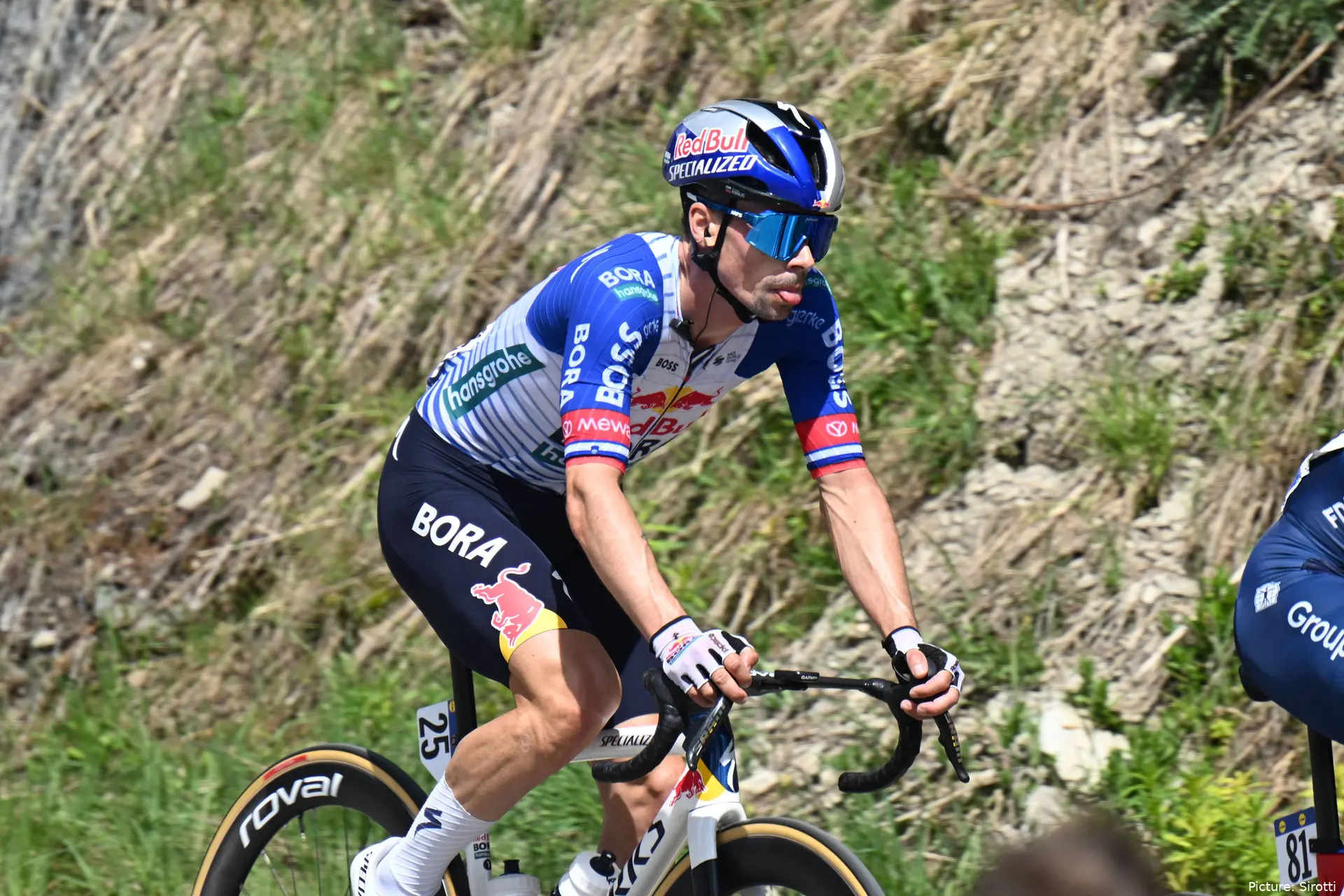
The reaction to Primoz Roglic’s Tour de Romandie has been hard to ignore. Across the week, his race was picked apart, particularly after stepping away from general classification contention on stage 2, where he conceded more than two minutes on a day that did not appear decisive on paper.
That ride drew sharp criticism, including from former Vuelta a Espana winner Chris Horner, who questioned both his positioning and intent, adding to a growing narrative around the Slovenian’s role and level within the race.
Former Slovenian professional Kristijan Koren sees it differently. “When journalists saw the race was no longer that interesting, they went after him,” he said in the Tour 202 podcast, pushing back on the tone that built around Roglic’s performance.
A race defined by role
Roglic’s position in Romandie was clear as the week unfolded. He worked in support and allowed time to go on stages where the general classification was no longer his focus. That decision also opened the door for a different approach later in the race, including his move into the breakaway on the queen stage. “Primoz did everything he could for his leader,” Koren said.
That line sits at the centre of the week. The time losses that drew criticism came within that role and within a wider team plan. “He knows how others helped him in the past.”
Experience shapes that approach. It is a role built on understanding how races are won across a team rather than by one rider alone.
Strength still there, even as time moves on
Koren also addressed the question of level. “He is much stronger than some commentators suggested,” insisted the former Slovenian national champion.
Roglic’s ride on the final stage added to that view. On the climb to Leysin, he remained part of the reduced group behind Tadej Pogacar and Florian Lipowitz, finishing the stage in contention with the next group rather than fading out of the race entirely.
There is also a clear view of where Roglic stands in his career. “His age is starting to show, and of course he is still hungry for a win, which he hasn’t had for a while.”

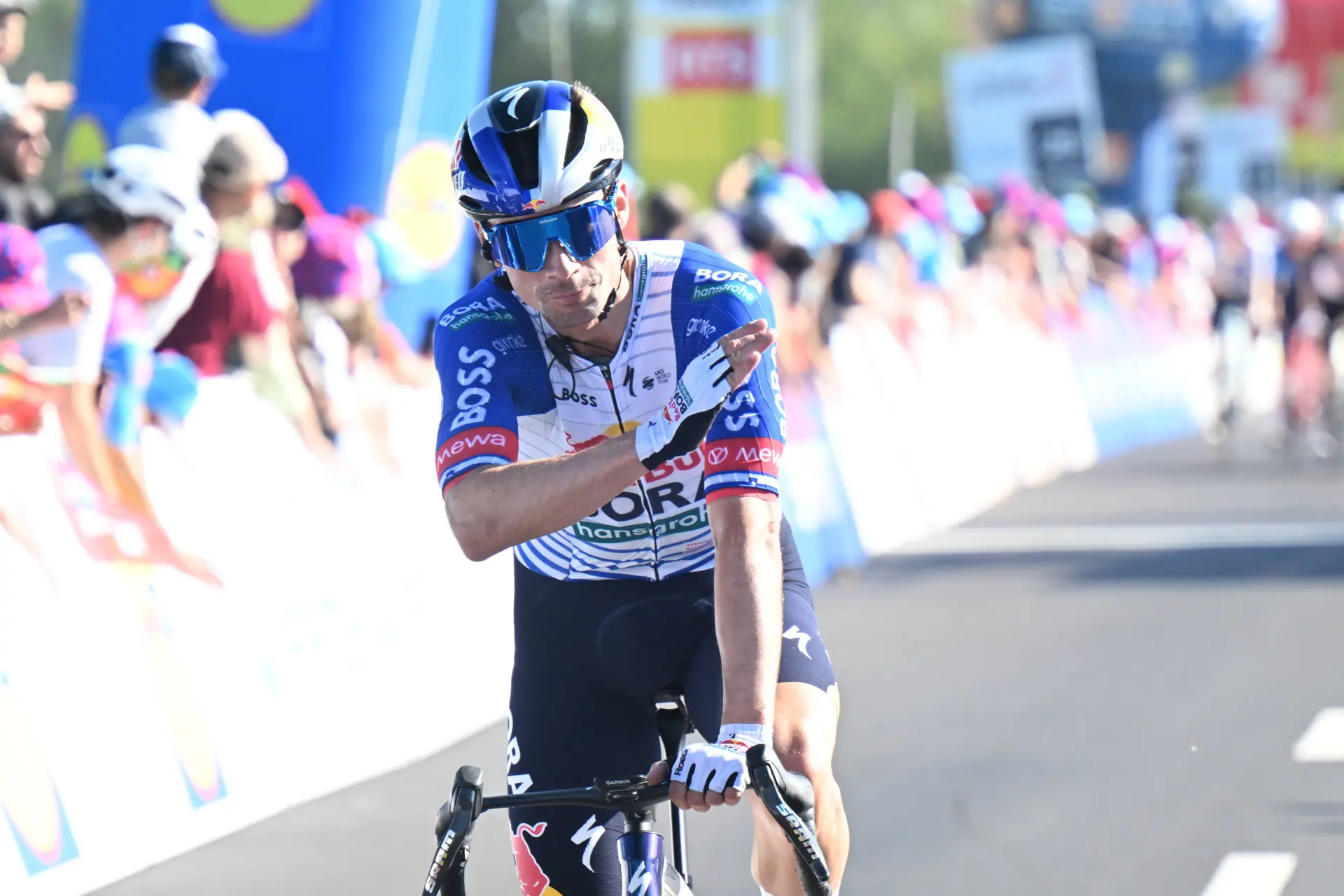
Primoz Roglic crosses the line at the 2026 Tour de Romandie
More than the result
Freed from general classification pressure later in the week, Roglic was able to race more openly. His presence in the breakaway did not lead to a stage result, but it showed a willingness to animate the race once his primary role had been completed.
The wider questions are not going away. His position alongside riders such as Florian Lipowitz will continue to be examined, and each performance will be viewed through that lens.
Koren’s view places the focus on the work Roglic carried out across the week and the level he still brings. Romandie offered a clear example of both.

Kieran WoodDeputy Editor-in-Chief
Kieran Wood is a sports journalist based in Wales and has been active in journalism since 2022. He regularly contributes to DartsNews.com and CyclingUpToDate.com, where he covers professional cycling and darts. In cycling, his work includes liveblogs from major races, including the Tour de France, the Giro d’Italia, and La Vuelta a España, alongside race reports and analysis. He has also conducted interviews with professional riders.
His reporting spans the full racing calendar, from one-day classics to stage races, with a focus on accurate, real-time coverage and clear contextual analysis. For statistics, results, and historical context, he regularly uses resources such as ProCyclingStats. To support reporting on rider activity and training context where relevant, he also references Strava.
In his work, Kieran places strong emphasis on careful sourcing, editorial accuracy, and updating articles as new, verified information becomes available.
claps 1visitors 1
Just in
Popular news

Latest comments
- 👍👍👍PogiSloFans15-10-2026
- First: If there has been a translation error then I gave you my answer... sarcasm. Second: The author knows nothing on the state of doping within the peleton. His guess is no better than yours or mine. Maybe he's having an illusion, his own misinterpretation of reality. PS: No, I didn't miss the point of your post.PogiSloFans15-10-2026
- hey, brother. well, it took some real jerry-rigging this time, but you found a way to talk about your hero in response to an article that’s 100% about cyclocross and has 0% to do with pogačar. a bit inelegant — “cyclocross doesnt matter so i’m going to just talk about tadej” — but you’ve certainly shown commitment.OCexile15-10-2026
- All very good, we know what the word means. But you missed the point of my post. There are two questions to answer. Quote: "Has there been a translation error, or is the author of the piece making a comment on the state of doping within the peleton?!Cyclingsbestfan15-10-2026
- Hey awp, what's your beef with Pogi? So Seixas wins Lombardia and now he's going to demolish Pogi next year or what? You have to understand, Pogi isn't "old" yet, he can be on his highest level until he's 32 or 33 years old, that's another 4 to 5 years. What more does he need? For many cycling experts he's already the G.O.A.T. and he will keep proving it for the next few years. So what are you trying to say, that 10 years from now young cyclists will be beating Pogi??? Common, pull yourself together and stop making a fool of yourself. Capish? PS: What was this BS?: "I'm not sure Tadej could have beaten him last Saturday. But with his experience he may have been able to." !?!?!? Can you hear yourself? All of a sudden you think Pogi could have lost? Why does your brain work this way?PogiSloFans15-10-2026
- An ILLUSION is something that appears real or true, but is actually false, fake BS or a misinterpretation of reality. Saying that, the anti-doping bodies are an important part of cycling. Thanks to their hard work, the community can live in an ILLUSION that the current cycling is a "clean sport." In other words, cyclists like Pogi, Remco, Jonas, MVDP, Van Aert, Pidcock, Mads Pedersen, tilted head Ben Healy... might all be doped to the gills but we'll never know it.PogiSloFans15-10-2026
- i hope they DO, so sven has to eat this stupid argument he’s making.OCexile15-10-2026
- They’ll retire anyway sooner or later, so get over it!Lozza15-10-2026
- Hope it’s not gone for good!Lozza15-10-2026
- I can no longer take you seriously here. I suppose you don't want to be a part of our community.awp15-10-2026
Loading
Write a comment