"What we do isn’t healthy" - Mads Pedersen believes professional cycling is far from good for the body
Cycling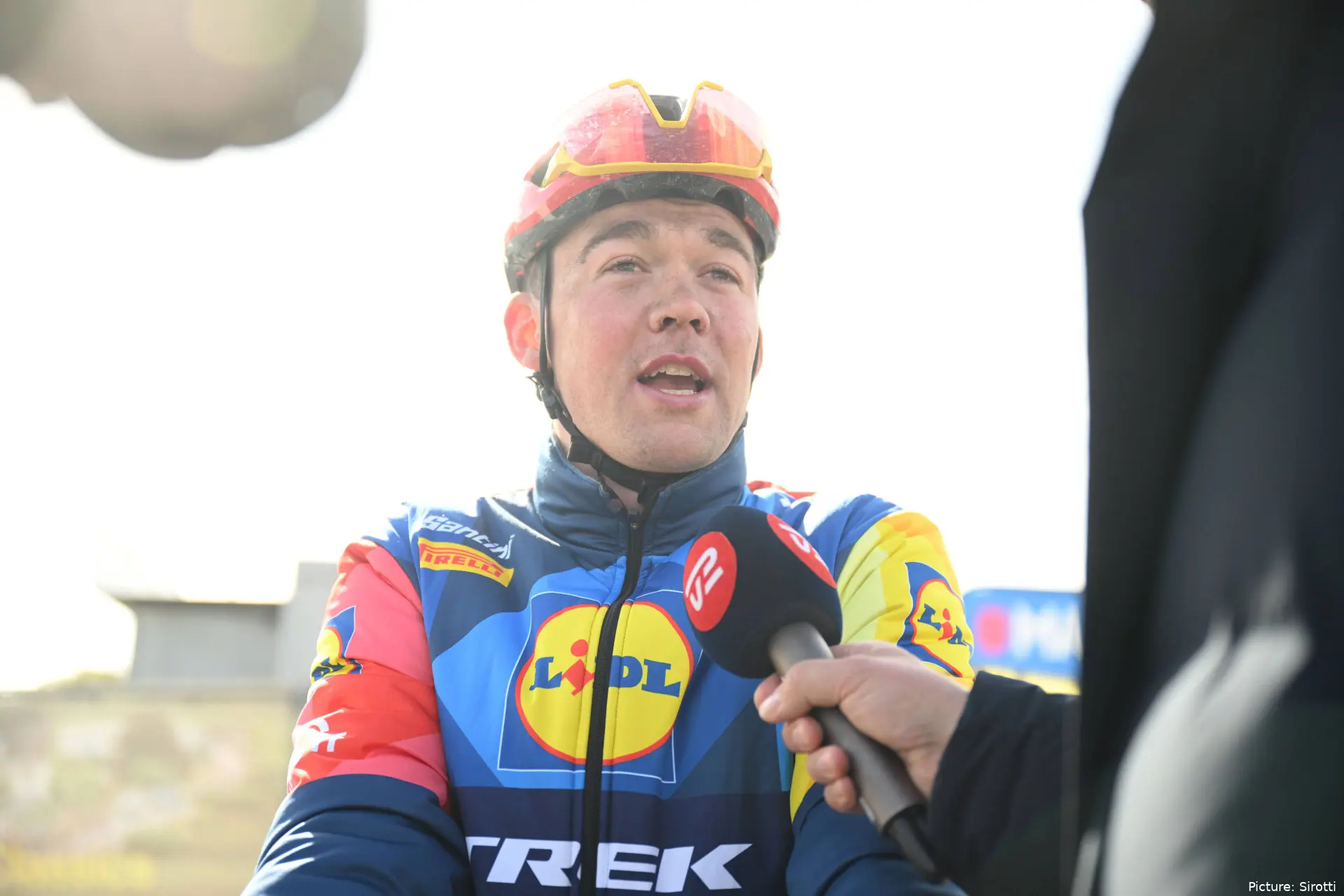
Mads Pedersen is one of the most talented riders in the peloton and at the same time one of the most unusual. He does not take part in altitude camps unlike most of the peloton, and openly speaks about some of the reasons, as well as some of the reasons to make professional cycling so difficult and even unhealthy.
The demands of altitude camps go beyond the training
Whilst it is not a recent discovery, the increase in use of altitude camps over the past few years has been exponential. It is a tool for riders of all levels and categories now often to try and improve their level; whilst some teams begin doing it as early as January when the weather in Europe barely allows for it in any location.
Ahead of the Tour de France, almost the entire peloton who will take part does this, using the altitude aspect to increase the red blood cell count as the body is performing at a lower-oxygen environment. A proven tool, but one that comes with costs.
For Pedersen, the consequences of the sacrifice outweighs the benefits. “You’re at altitude for 3.5 weeks, then you have the Danish National Championships and the Tour [de France]. That means you’re gone for two months," Pedersen said on the Sigma Sports Cafe Ride.
The Dane argues that the psychological impact of spending so much time away from home and so much time in a fully focused environment can lead to exhaustion. Other riders have, in the past, reported exhaustion already going into the Tour, effects of the pressure, focus and demand.
"I don’t get to see my wife and family then, but I can handle that. But I don’t want to see my fucking teammates for two months,” the Dane joked. “I love those guys, but at some point you just need a break.”

Pedersen's return to racing at Milano-Sanremo was fruit of an incredible winter's work
Read also
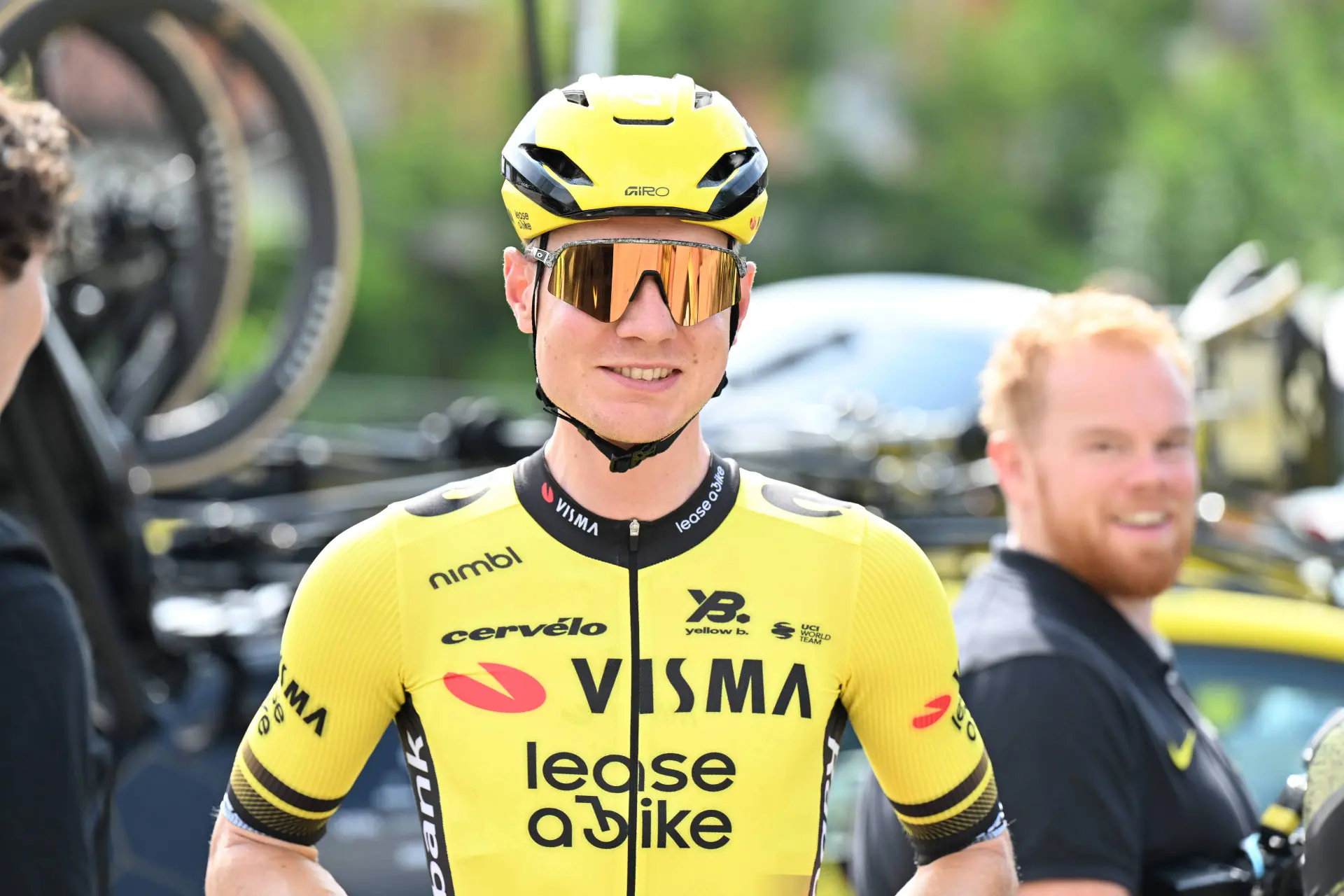

Professional cycling is quite unhealthy, Pedersen argues
It is a sport that requires a lot from the riders. Typically, 30 hours of training per week are required on average, aside from the racing program, but that is only a slice of the cake when it comes to racing at the highest level.
Nutrition, gym work, physiotherapy, injury and illness prevention aside from recoveries; and handling the requirements of the team, often above the riders' own preferences... There are countless variables, aside from all of those the riders face in their personal lives.
Pedersen, in February, fractured a collarbone and a wrist on opposite sides of the body in a crash at the Volta a Catalunya. He spent weeks almost exclusively training indoors, with the same volume as he would on the road, something virtually unheard of for a professional rider - whilst healing his injuries.
“What we do isn’t healthy. Sports are healthy—up to a certain point. The only good thing about what we do is that we motivate others to exercise too," he argues. "But do I hope my kids will become professional cyclists someday? Absolutely not".
He did not want comparisons with Jonas Vingegaard's statements, but Pedersen believes that whilst it improves one's performance on the bike, what they do is not sustainable in the long run and is essentially the destruction of one's body.
“He has his opinions, and I have mine. But for me, it’s not about the danger. It’s about how you’re destroying your own body," he argued. "It’s not healthy. If I could make that decision for my kids, I’d know exactly what to do. Just go play badminton or tennis.”
Rúben SilvaEditor-in-Chief
A founding contributor to CyclingUpToDate since its launch in January 2022, Ruben Silva has played a central role in shaping the site’s editorial direction and long-term growth. Before joining the project, he built his experience through independent blogging at Echelons Hub and by producing race previews for Ciclismo Internacional, developing a strong analytical voice rooted in daily engagement with professional cycling.
Beyond editorial work, he has been closely involved in the expansion and coordination of CyclingUpToDate’s wider network, helping establish and support sister platforms across multiple languages. This includes ongoing collaboration with CiclismoAlDia (Spanish), CiclismoAtual (Portuguese), WielrennenUpToDate (Dutch), and RadsportAktuell (German), contributing to a shared editorial vision and consistent international coverage.
He also helps oversee editorial governance across the network, setting standards for accuracy and consistency and coordinating updates or corrections when needed.
Originally from the Porto metropolitan area in Portugal, he holds a bachelor’s degree in Geography. His path into cycling journalism was shaped not through formal media training, but through independent reporting, community engagement, and sustained on-the-ground involvement in the sport.
Over the course of his career, he has conducted approximately 100 interviews across road cycling and cyclocross, ranging from one-to-one conversations and online formats to press conferences and on-site pre- and post-race coverage. His interviews include leading riders, team managers, and prominent figures within cycling media: Tadej Pogacar, Jonas Vingegaard, Mathieu van der Poel, Primoz Roglic, Wout van Aert, Joao Almeida and Tom Pidcock; managers like Patrick Lefevere and Joxean Matxin; and YouTube personality Bryan Kennedy (BKXC)...
Within 18 months of launch, he helped grow CyclingUpToDate’s English-language platform into one of the most-read cycling news websites, built entirely from the ground up. As both a professional journalist and lifelong cycling enthusiast, his focus remains on delivering accurate, timely, and well-contextualized coverage.
claps 7visitors 7
Just in

Popular news
Latest comments
- 100% @Jumpyjohn, good point well raised.anonymouscyclist11-10-2026
- The media keep stirring the soup.. or spitting in it
 leedorney11-10-2026
 - Yes, he has won many races... second class races. He isn't the real deal... Sixas is the real deal. Capish?PogiSloFans11-10-2026
- What are you talking about? I'm not the one you guys are spitting on. I'm a Slovenian Pogi fan, that's all... the guy you're talking about is a Croation Ustasha. Capish?PogiSloFans11-10-2026
- It would be epic if Seixas came to UAE. 3/4 of the commentators on this site would stop watching cycling... ha ha ha ha ha ha...PogiSloFans11-10-2026
- UAE's problem is Seixas wants to beat Tadej.Renz11-10-2026
- You are blinded by your infatuation with Pogi. IdT has done crazy good stuff. One of the strongest ever first three years in the peloton. poor showing in his last couple of races btu I don't think he is quite washed up yetmobk11-10-2026
- Absolutely not. The guy has finished so many races 2nd to Pogi so absolutely not a shocker that when Pogi isn't there he wins a fewmobk11-10-2026
- GOATmij11-10-2026
- ugh god just leave the rest of the peloton with some riders heywrsty11-10-2026
Loading
Write a comment