“We’ve never experienced anything like this” – Extreme heat pushes Tour de France peloton into dangerous territory as dehydration and heatstroke pose rising risk to riders
Cycling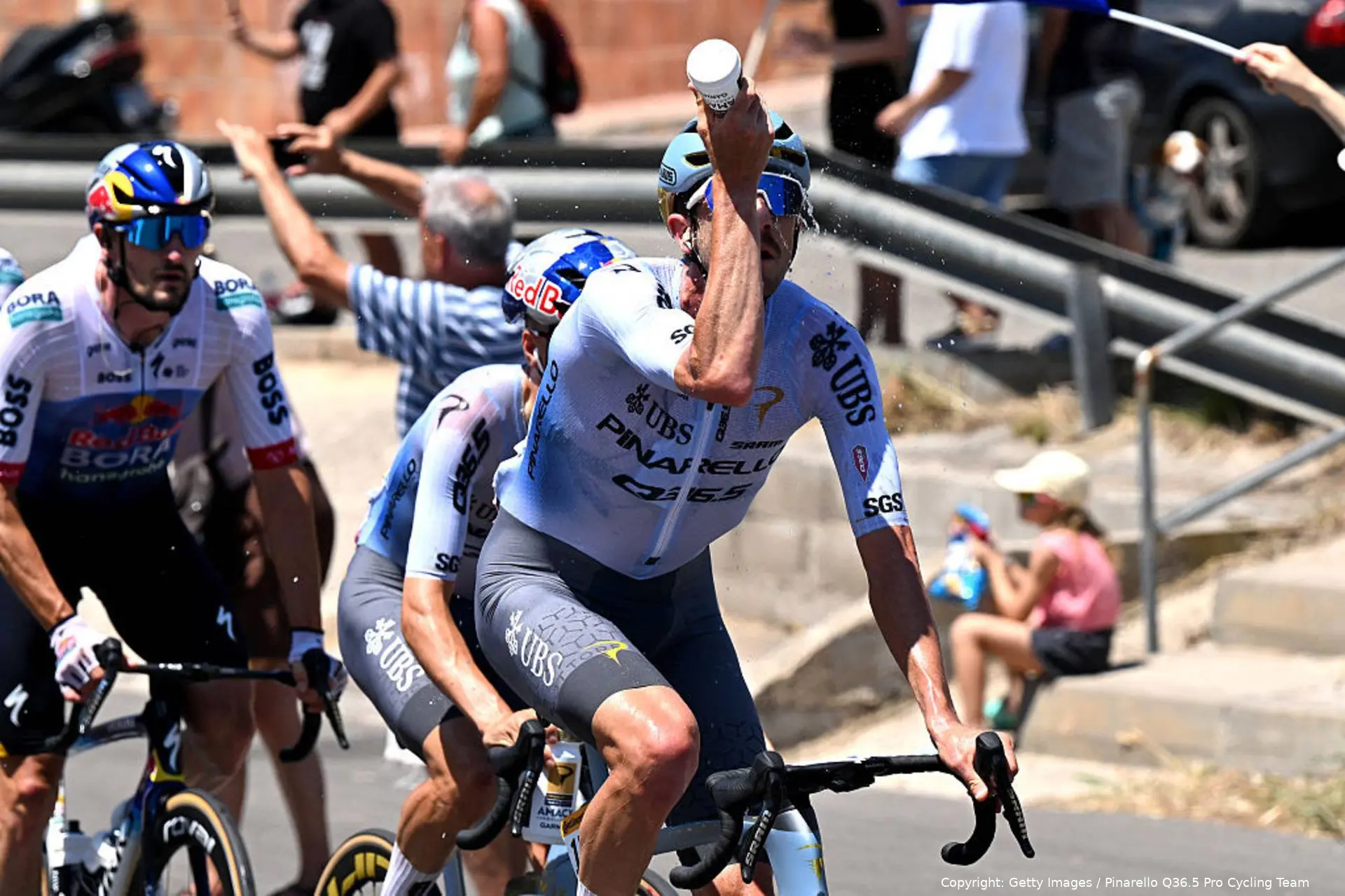
The relentless heat surrounding the 2026 Tour de France is threatening to overtake the racing itself as the defining concern inside the peloton.
Stage 9 was shortened by 30 kilometres after Correze was placed under a red heatwave alert, but the intervention addressed only one day in conditions which riders and staff have endured throughout the opening week. Temperatures have repeatedly climbed beyond 30°C and exceeded 40°C during Stage 4 from Carcassonne to Foix.
Teams are now managing hydration from before breakfast until well after the finish. Pinarello Q36.5 Pro Cycling Team targeted approximately one litre of fluid per rider every hour on Stage 8 before weighing and reassessing them later in the day.
“I’ve never seen weather conditions this hot every day”
Yvon Ledanois has spent more than three decades experiencing the Tour de France as a rider and sports director. The current XDS Astana Team director cannot remember another edition in which the extreme temperatures have persisted for so long.
“We’ve never experienced anything like this,” Ledanois told RMC before Stage 9. “I’ve done more than 30 Tours and I’ve never seen weather conditions this hot every single day. It isn’t a case of having one extremely hot day and then returning to normal conditions the next. No, it is extremely, extremely, extremely hot every day. I think some riders’ bodies are going to be affected.”
The red alert in Correze finally forced organisers to alter the race itself. Stage 9 from Malemort to Ussel was reduced from 185.5 to 155.5 kilometres, removing approximately 45 minutes of racing.
Julien Jurdie, sports director at Decathlon CMA CGM Team, welcomed the decision even though most of the planned route remained intact. “I think it is good news,” Jurdie told RMC. “Even if it doesn’t fundamentally change the stage, it means approximately 45 minutes less racing. That is welcome.”
“We know that the temperatures will once again be extremely high today," he adds. "We are racing on very technical, twisting and difficult roads. The riders will naturally prefer three and a half hours of racing to four hours and 15 minutes.”
The reduced distance offered no guarantee of a gentler race. Numerous teams were targeting the breakaway on the rolling route towards Ussel, raising the prospect of sustained aggression from the start.
“The route change does not alter very much,” Jurdie said. “The intensity will still be there despite the stage being 30 kilometres shorter. I think today will be a very aggressive race, with many riders wanting to get into the breakaway.”

Tadej Pogacar taking shaded shelter during the heatwave of the 2026 Tour de France
“No amount of sodium can compensate for insufficient fluid”
The dangers cannot be managed through electrolytes alone. Adam Plucinski, head of nutrition at Pinarello Q36.5 Pro Cycling Team, identified insufficient fluid intake as the most basic and consequential mistake a rider can make.
“No amount of sodium or electrolytes can compensate for insufficient fluid intake,” Plucinski explained. “Just as importantly, riders need to drink consistently throughout the stage rather than consuming large volumes at once.”
Stage 8 offered a clear example of how the team adjusts its priorities. The relatively controlled route to Bergerac reduced the emphasis on taking in the maximum possible amount of energy, while the temperatures made fluid consumption the central concern.
“Our priority today wasn’t the highest energy intake, it was hydration,” Plucinski said. “Our target was around one litre of fluid per hour, while accepting that a small level of dehydration at the finish is perfectly normal and doesn’t compromise performance.”
Q36.5 planned for each rider to consume one isotonic bottle and one bottle of water per hour. Food intake was then managed alongside that volume to avoid taking on more carbohydrates than the stage required.
The programme continued away from the roadside. Hydration was assessed before breakfast, riders were weighed before and after the stage and further checks were conducted before dinner. Those measurements determined whether an individual rider needed to continue rehydrating into the evening.
“Every stage ends with data, not assumptions,” Plucinski said. “Those measurements tell us whether a rider has fully recovered or whether the rehydration protocol needs to continue.”
Heat changes how the Tour is raced
The Tour introduced additional water access and relaxed feeding regulations when temperatures exceeded 40°C on Stage 4. Stage 6 across the Col du Tourmalet then entered the red zone of the UCI’s Extreme Weather Protocol.
The strain remained visible during the two flatter stages which followed. Tim Merlier became overheated after the final classified climb on Stage 8 and required ice and water from Soudal – Quick-Step teammate Valentin Paret-Peintre before recovering to win in Bergerac.
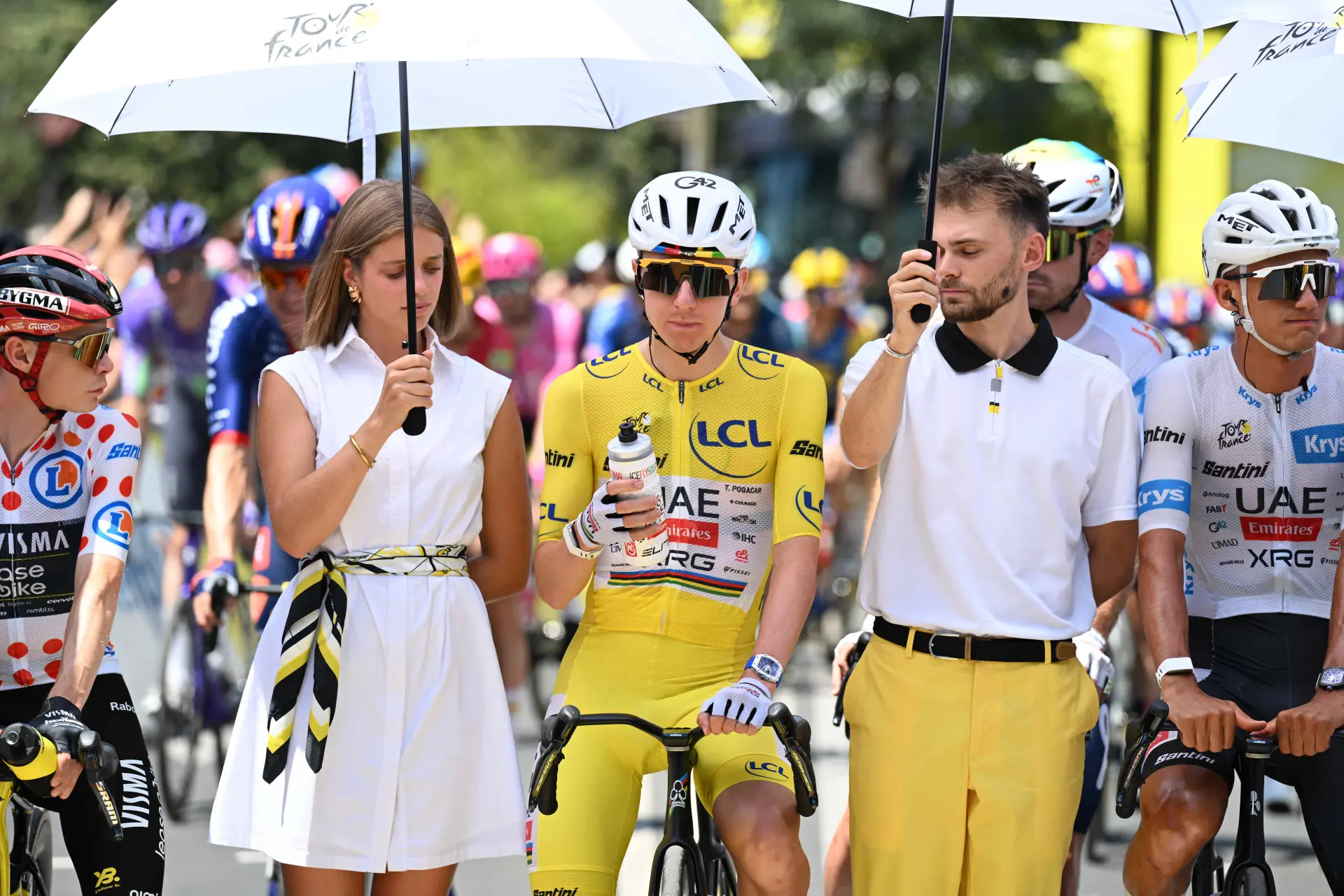
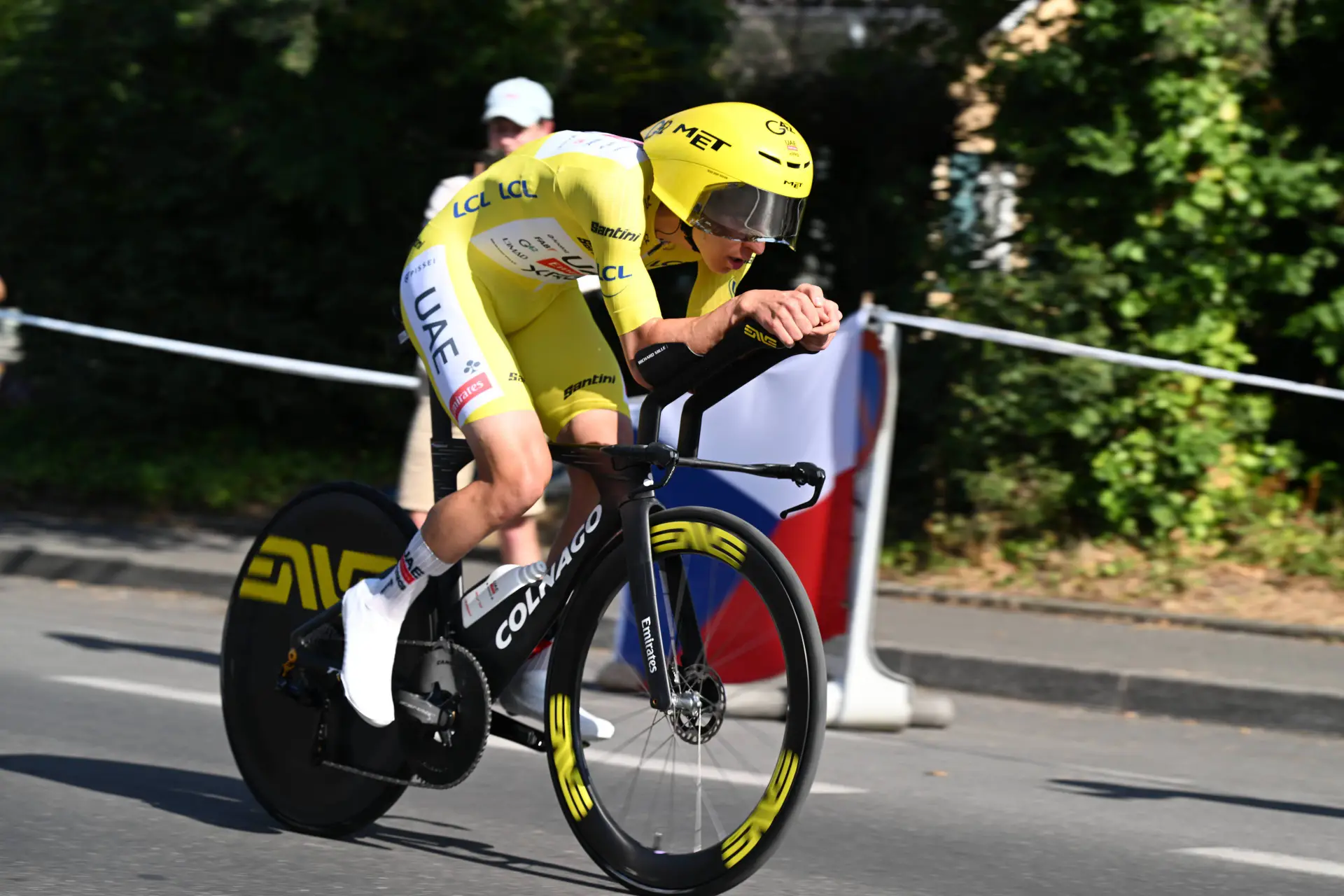
Yellow jersey Tadej Pogacar also described the heat as tiring the body regardless of how easy a stage appears. Cooling, nutrition and fluid intake continued even when the GC contenders were deliberately conserving energy in the peloton.
Reducing Stage 9 removed around 45 minutes of exposure, but the riders still faced aggressive racing on technical roads during another afternoon of exceptional temperatures. Long after the finish in Ussel, teams would again be weighing riders and assessing whether their hydration levels had recovered sufficiently for the next stage.

Kieran WoodDeputy Editor-in-Chief
Kieran Wood is a sports journalist based in Wales and has been active in journalism since 2022. He regularly contributes to DartsNews.com and CyclingUpToDate.com, where he covers professional cycling and darts. In cycling, his work includes liveblogs from major races, including the Tour de France, the Giro d’Italia, and La Vuelta a España, alongside race reports and analysis. He has also conducted interviews with professional riders.
His reporting spans the full racing calendar, from one-day classics to stage races, with a focus on accurate, real-time coverage and clear contextual analysis. For statistics, results, and historical context, he regularly uses resources such as ProCyclingStats. To support reporting on rider activity and training context where relevant, he also references Strava.
In his work, Kieran places strong emphasis on careful sourcing, editorial accuracy, and updating articles as new, verified information becomes available.
claps 0visitors 0
Just in
Popular news
Latest comments
- Pog can be beat, so, yeh 👍
 leedorney22-10-2026
 - absolutely iconic face/effortwrsty22-10-2026
- EF makes some pretty good signings. Tao and Sosa could be decent replacements for Carapazmij22-10-2026
- gravel is such a great discipline. I hope it gets bigger from a media standpoint. looking at old Tour de France stages, they were basically gravel before it was called gravelmij22-10-2026
- This is good for the sport ? Spreading of talent around the peloton.
 Davide22-10-2026
 - Im all in with you Wally. Good Luck.Davide22-10-2026
- No it’s not, what utter drivel. How do you know he wasn’t presented the option to stay with a renegotiated contract. I’m sure if he’d not gotten a better deal elsewhere he would even have considered accepting. It’s not like they would have told him to ride for free like Cavendish had to.Jumpyjohn21-10-2026
- It’s been a long time since any real Special accomplishments.Jumpyjohn21-10-2026
- It's nice to know that (some of) this article is not AI generated... igneous is autocorrected Ineos
 Rafionain-Glas21-10-2026
 - What are they doing nobody knows.abstractengineer21-10-2026
Loading
Write a comment