“Would people say the same thing if you put a French rider in Pogacar’s position?” – Former world champion challenges doping doubts surrounding Tour de France leader
Cycling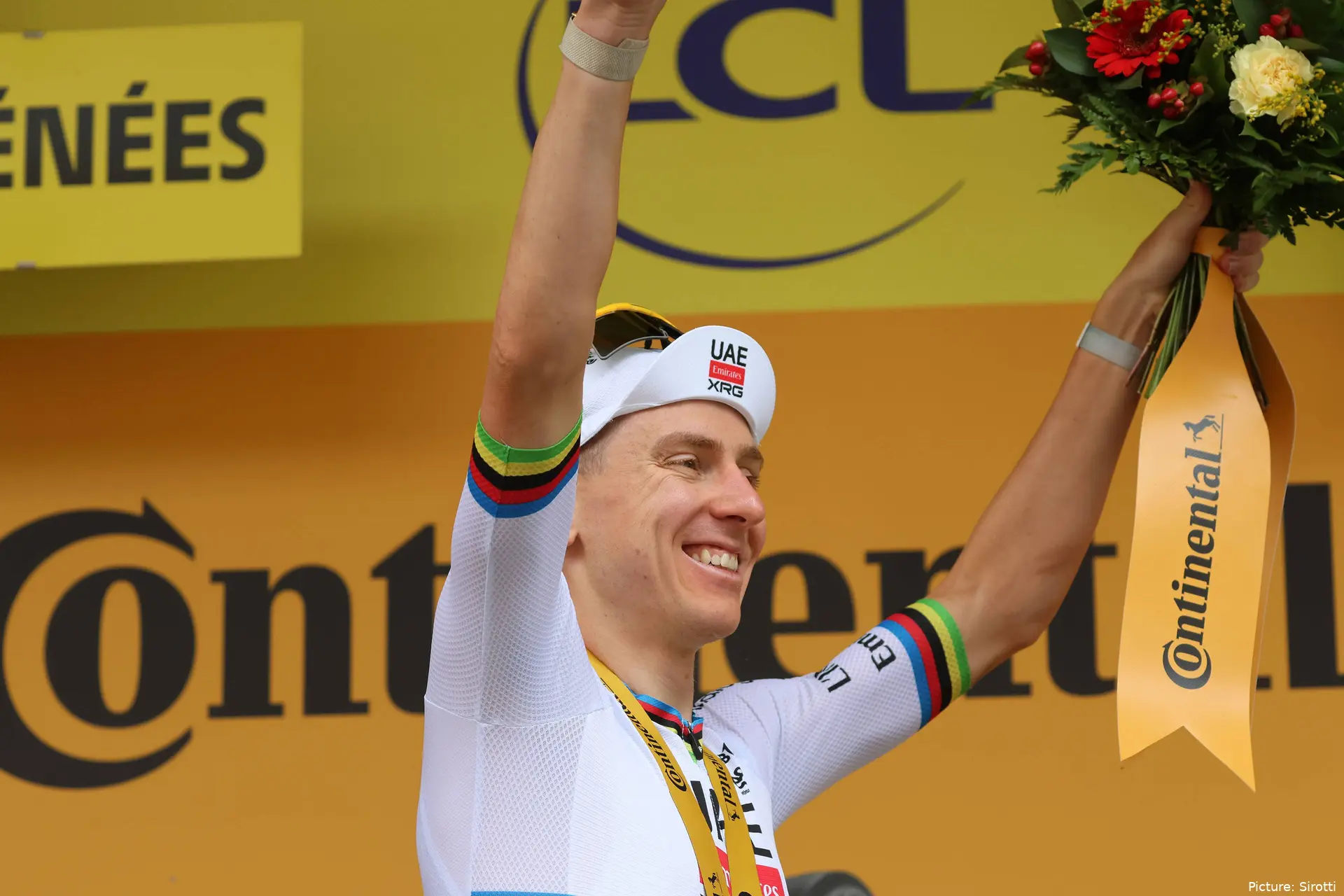
Former world champion Luc Leblanc has questioned whether Tadej Pogacar would face the same level of suspicion over his performances if the dominant Tour de France leader were French.
Leblanc, who won the rainbow jersey in 1994 and claimed Tour stages at Hautacam and Les Arcs, offered an emphatic defence of Pogacar after the Slovenian’s devastating opening week. Pogacar leads Jonas Vingegaard by 2:42 after winning two of the first eight stages, including a 43-kilometre solo attack across the Col du Tourmalet.
“I have complete faith in Pogi”
Pogacar’s dominance has again prompted scrutiny and renewed debate around the credibility of modern cycling performances. Leblanc believes the rider’s nationality affects how quickly that suspicion takes hold.
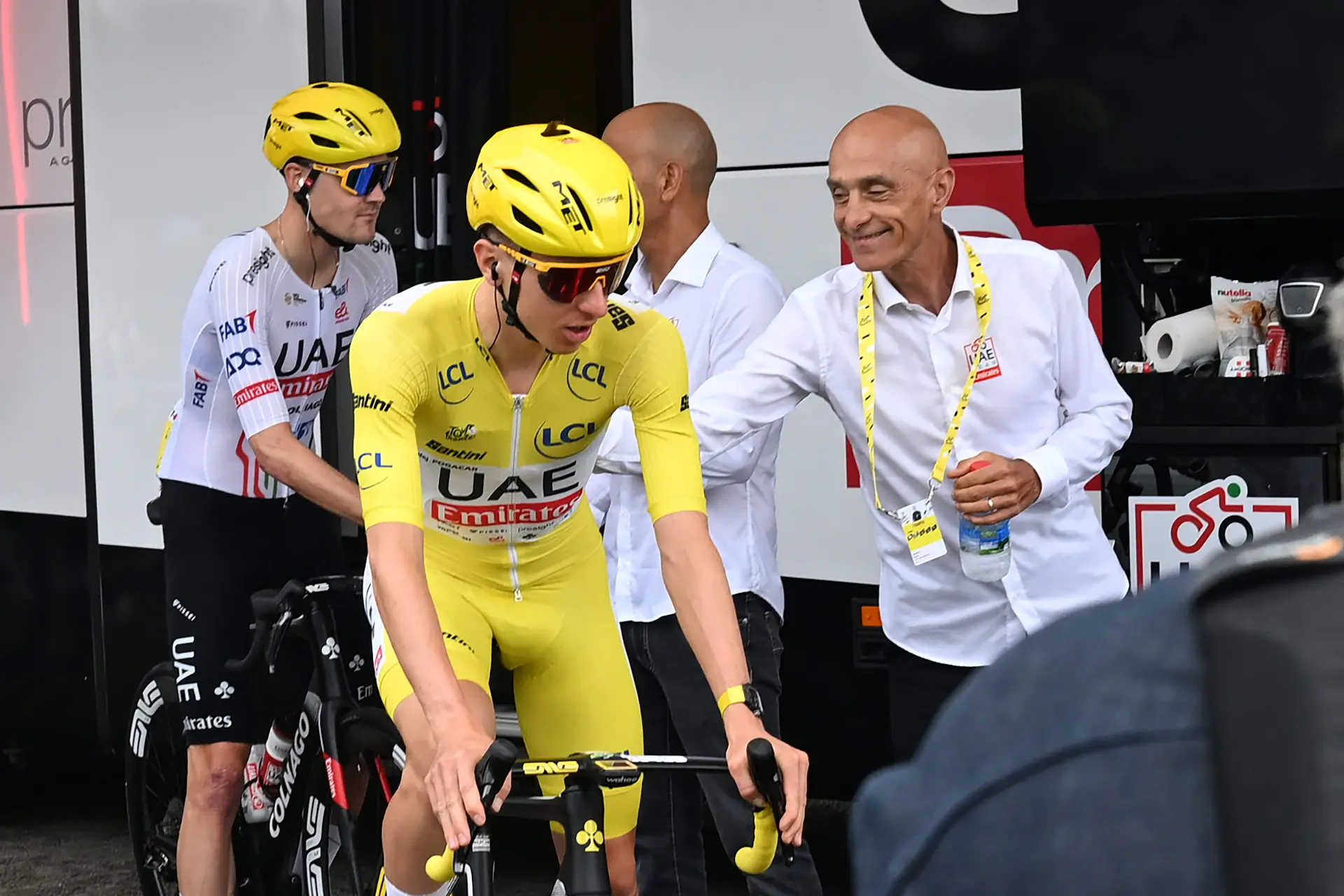
“The question I ask myself is: would people say the same thing if you put a French rider in Pogacar’s position?” Leblanc told Cyclism’Actu. “I don’t think they would. I have complete faith in Pogi. He is a good person and he brings energy to international cycling. He has an extraordinary image and is always smiling. He is always considerate towards the public and the people around him.”
Leblanc wore the yellow jersey during the 1991 Tour before becoming world champion three years later. He compared the reaction to Pogacar with the way France would celebrate success from its own leading athletes, questioning why exceptional performances must immediately become grounds for suspicion.
“We live in a world where you cannot say anything anymore. You either have to remain silent or criticise. When people succeed, like the French football team, would we ask what they had taken if they won the World Cup? No. It has to stop.”

Pogacar leads the GC at the 2026 Tour de France
The Slovenian’s racing style, public persona and willingness to compete throughout the season have made him the defining rider of his generation. Leblanc placed him within the lineage of champions who dominated previous eras.
“Pogi is a star, just as Hinault, Merckx and Anquetil were,” he said. “At some point, people need to stop talking and appreciate what is happening in modern cycling.”
Established Seixas expectations sharpen French comparison
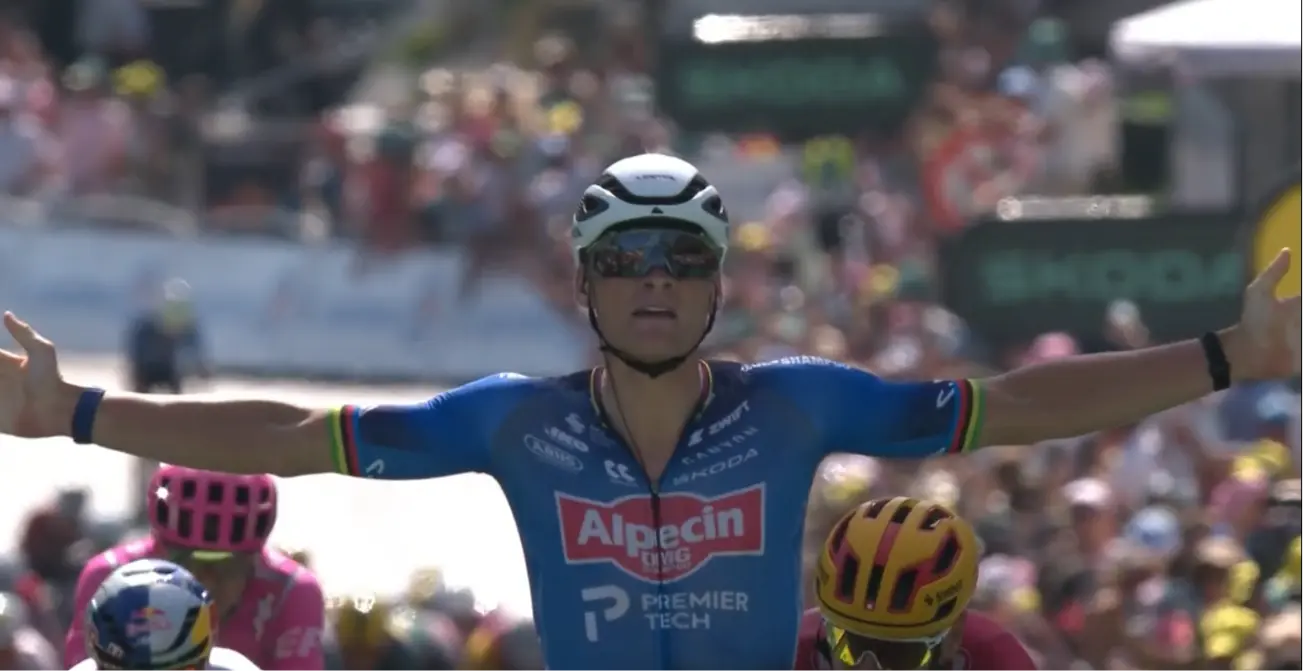
Paul Seixas did not arrive at the Tour as an unknown. The 19-year-old had already won Itzulia Basque Country and finished second at Liege-Bastogne-Liege, establishing himself among the most highly rated young riders in the peloton before making his Tour debut.
His opening week reinforced those expectations. Seixas reached Stage 9 sitting sixth overall after remaining among the leading podium contenders during Pogacar’s Tourmalet attack. “Paul has an extraordinary engine. I do not doubt his qualities at all. Quite the opposite,” Leblanc said. “I am happy and proud to see that Paul will be among the leading Tour de France favourites over the coming years. He will win the Tour, but you have to give him time.”

Seixas has impressed so far on his Tour debut
Leblanc nevertheless distinguished between Seixas’s long-term potential and the challenge of sustaining his current level across three weeks in daily extreme heat.
“He won the Tour of the Basque Country, but that is an eight-day race. The Tour de France lasts three weeks,” he explained. “He has also been unlucky because it has been hot every day. Recovery will therefore be incredibly important and he needs to remain properly hydrated.”
Seixas began the heat-shortened Stage 9 at 3:55 from Pogacar and only 25 seconds outside the provisional Tour podium. Leblanc remains cautious about predicting a top-three finish in Paris, but already regards the Frenchman as the leading candidate to eventually succeed Pogacar. “For me, Paul is tomorrow’s star after Pogacar. People should not doubt him in the future in the way some are doubting Pogi today.”
The contrast sits at the centre of Leblanc’s argument: Seixas’s performances have strengthened belief in the future of French cycling, while Pogacar’s superiority continues to attract questions from beyond Slovenia.

Kieran WoodDeputy Editor-in-Chief
Kieran Wood is a sports journalist based in Wales and has been active in journalism since 2022. He regularly contributes to DartsNews.com and CyclingUpToDate.com, where he covers professional cycling and darts. In cycling, his work includes liveblogs from major races, including the Tour de France, the Giro d’Italia, and La Vuelta a España, alongside race reports and analysis. He has also conducted interviews with professional riders.
His reporting spans the full racing calendar, from one-day classics to stage races, with a focus on accurate, real-time coverage and clear contextual analysis. For statistics, results, and historical context, he regularly uses resources such as ProCyclingStats. To support reporting on rider activity and training context where relevant, he also references Strava.
In his work, Kieran places strong emphasis on careful sourcing, editorial accuracy, and updating articles as new, verified information becomes available.
claps 14visitors 6
Just in

Popular news
Latest comments
- EF makes some pretty good signings. Tao and Sosa could be decent replacements for Carapazmij22-10-2026
- gravel is such a great discipline. I hope it gets bigger from a media standpoint. looking at old Tour de France stages, they were basically gravel before it was called gravelmij22-10-2026
- This is good for the sport ? Spreading of talent around the peloton.
 Davide22-10-2026
 - Im all in with you Wally. Good Luck.Davide22-10-2026
- No it’s not, what utter drivel. How do you know he wasn’t presented the option to stay with a renegotiated contract. I’m sure if he’d not gotten a better deal elsewhere he would even have considered accepting. It’s not like they would have told him to ride for free like Cavendish had to.Jumpyjohn21-10-2026
- It’s been a long time since any real Special accomplishments.Jumpyjohn21-10-2026
- It's nice to know that (some of) this article is not AI generated... igneous is autocorrected Ineos
 Rafionain-Glas21-10-2026
 - What are they doing nobody knows.abstractengineer21-10-2026
- Well JV, thats the text book definition of forced🤣🤦abstractengineer21-10-2026
- Sivakov was like the 5th best rider in the team, maybe not even that. He dropped before the other, he was not the final man. Besides when you got a leader who is attacking from 50-100k out , you dont really need a entire team, let alone Sivakovabstractengineer21-10-2026
Loading
18 Comments