Movistar sponsorship trouble on the horizon? Spanish team on the verge of losing €25 million Telefónica partnership
Cycling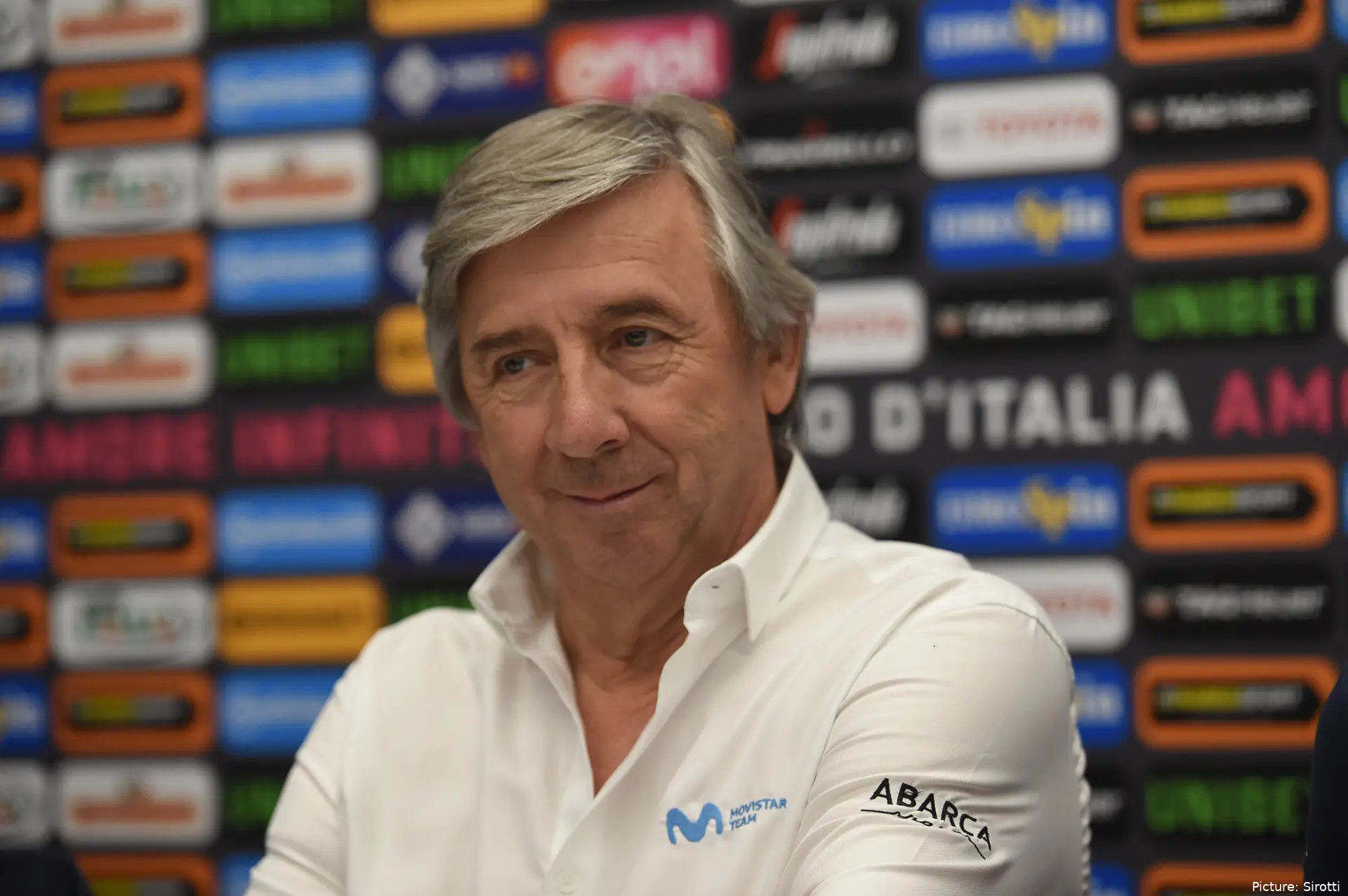
Movistar Team can’t find results on the road and now the headache appears to be spreading beyond competition: Telefónica SA is weighing a cutback or even a sale of its historic team sponsorship. As part of a wider review of its marketing investments, the Spanish company is exploring two main avenues: reducing its exposure in elite cycling or bringing in new co-sponsors to share the project’s costs.
At Abarca Sports - the company that manages the team - the current contract runs through 2029. The deal, which includes the team’s naming rights, is valued at roughly €25 million per year, according to Bloomberg Línea, and accounts for nearly 80% of the Navarrese squad’s revenue.
The sponsorship, in place since 2011, has been a cornerstone of Telefónica’s brand strategy in professional sport. However, the backdrop has shifted significantly in recent years, especially after the company scaled back its presence in Latin America, a region that once delivered a large share of the partnership’s global visibility.
The decision is part of a broader review of marketing spend led by executive chairman Marc Murtra, within the corporate strategic plan presented late last year. In parallel, professional cycling has seen a sharp rise in costs, driven by the entry of major multinationals and sovereign wealth into the sport.
Impossible to compete with big brands and state-backed teams
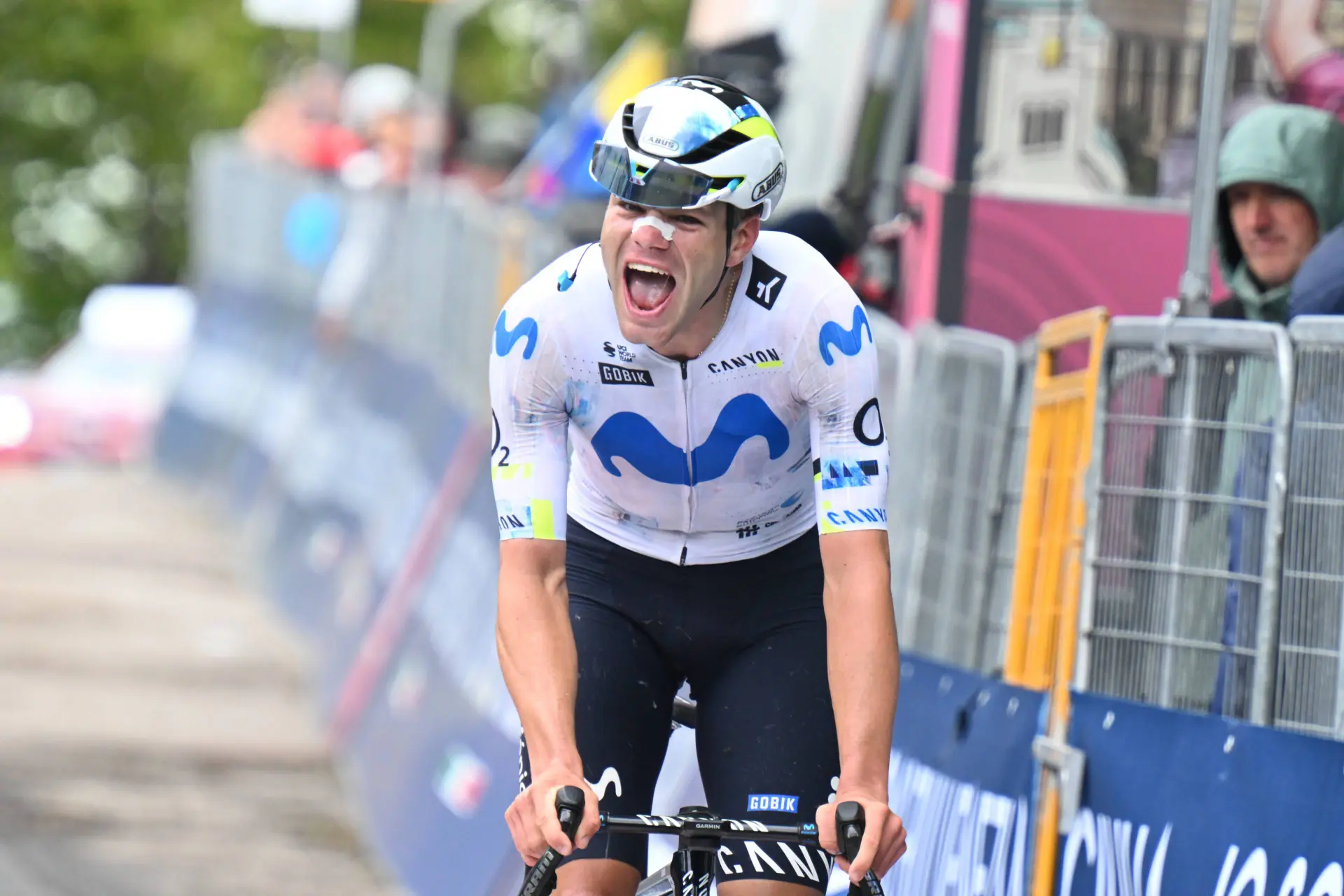
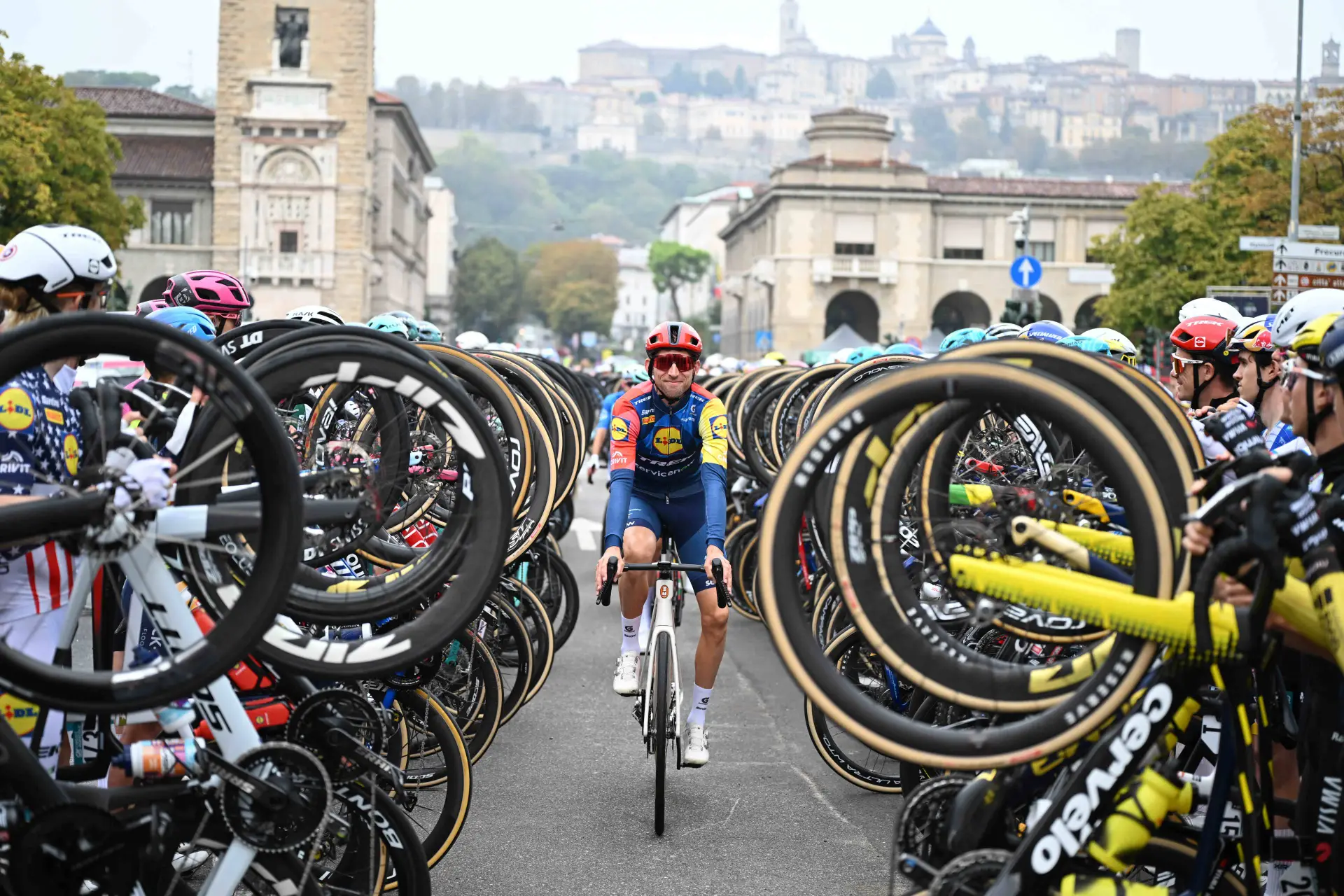
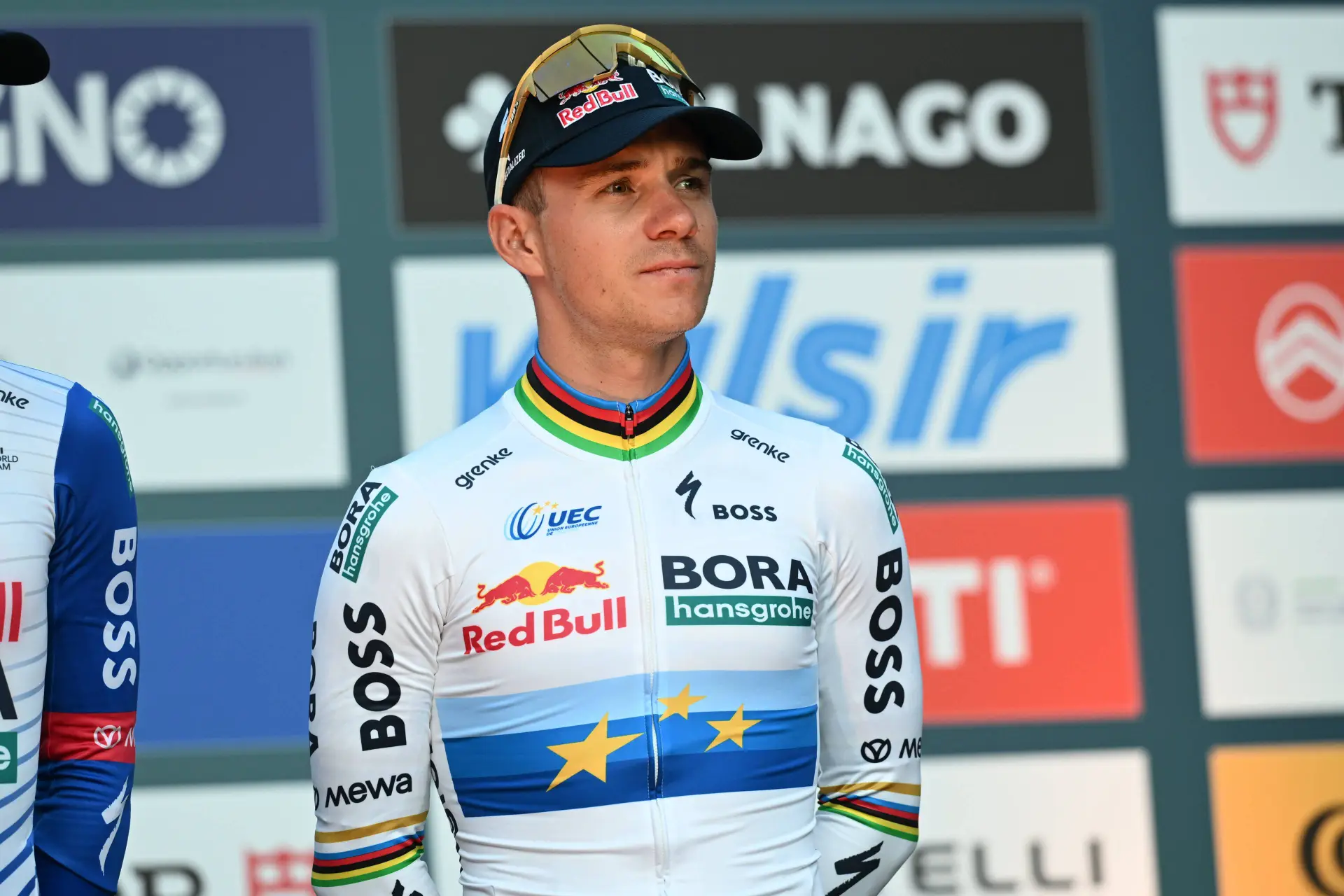
In this new competitive landscape, brands such as Red Bull GmbH, Lidl & Schwarz, and Decathlon SA have increased their presence in the peloton, while teams backed by Gulf state capital, like UAE Team Emirates-XRG or Bahrain Victorious, have raised the financial bar in elite cycling.
Telefónica has tasked consultancy YouFirst with identifying potential buyers or partners to take on part of the sponsorship, according to sources. The aim is to optimise return on investment in an environment where team budgets have grown markedly.
Movistar Team is one of the most emblematic teams in Spanish cycling. After years seeking a second sponsor, Abarca secured additional backing from the Quantum Pacific Management fund, which acquired a 43% stake in the owning company, though so far only the equity transfer figures have emerged, not the actual investment in the cycling operation.
Movistar's uneven performances
Although the team dominated through the 2010s, with victories in Grand Tours such as the Giro d’Italia and the Vuelta a España, its performance has been more uneven in recent years, in an increasingly competitive and globalised peloton.
Read also
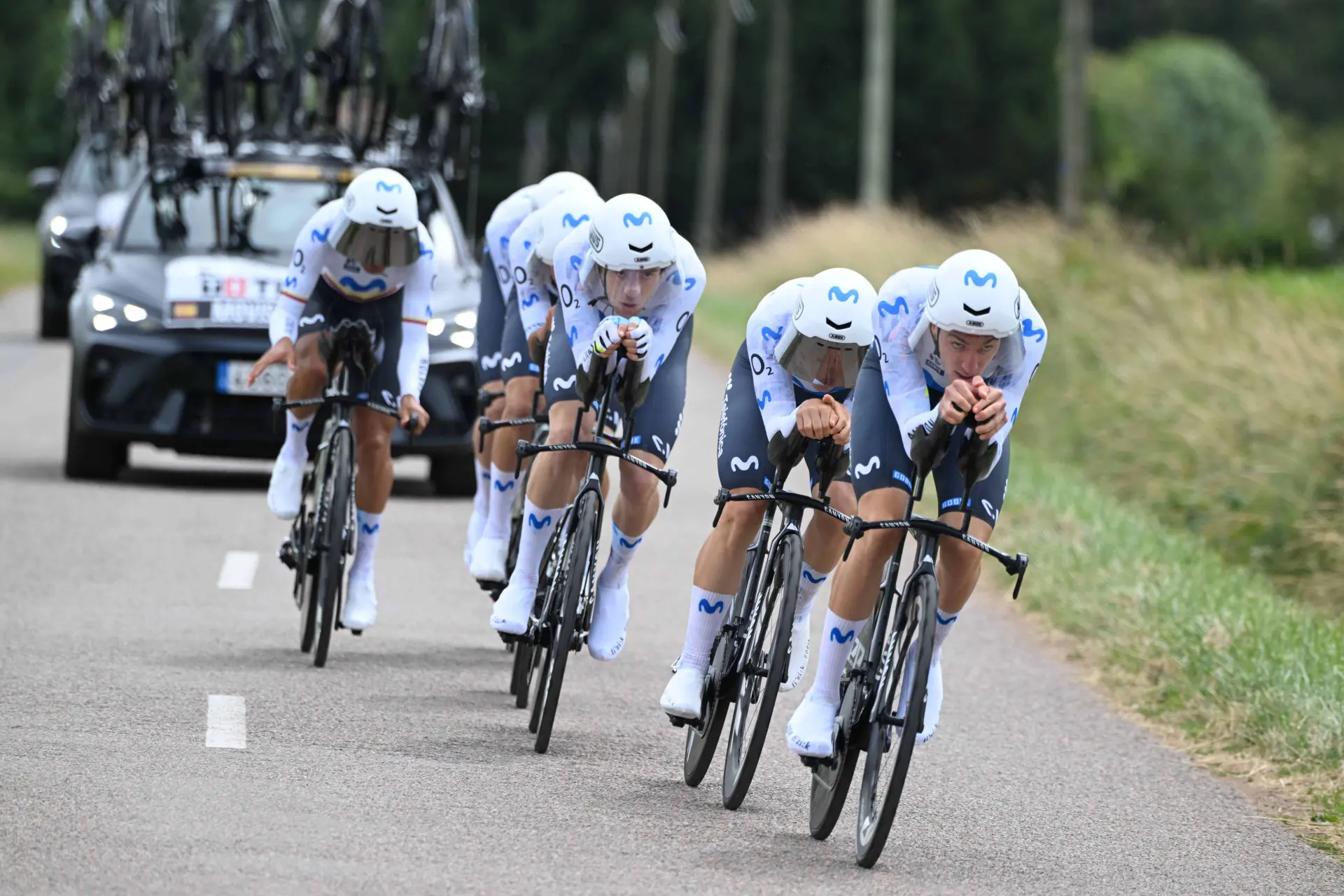
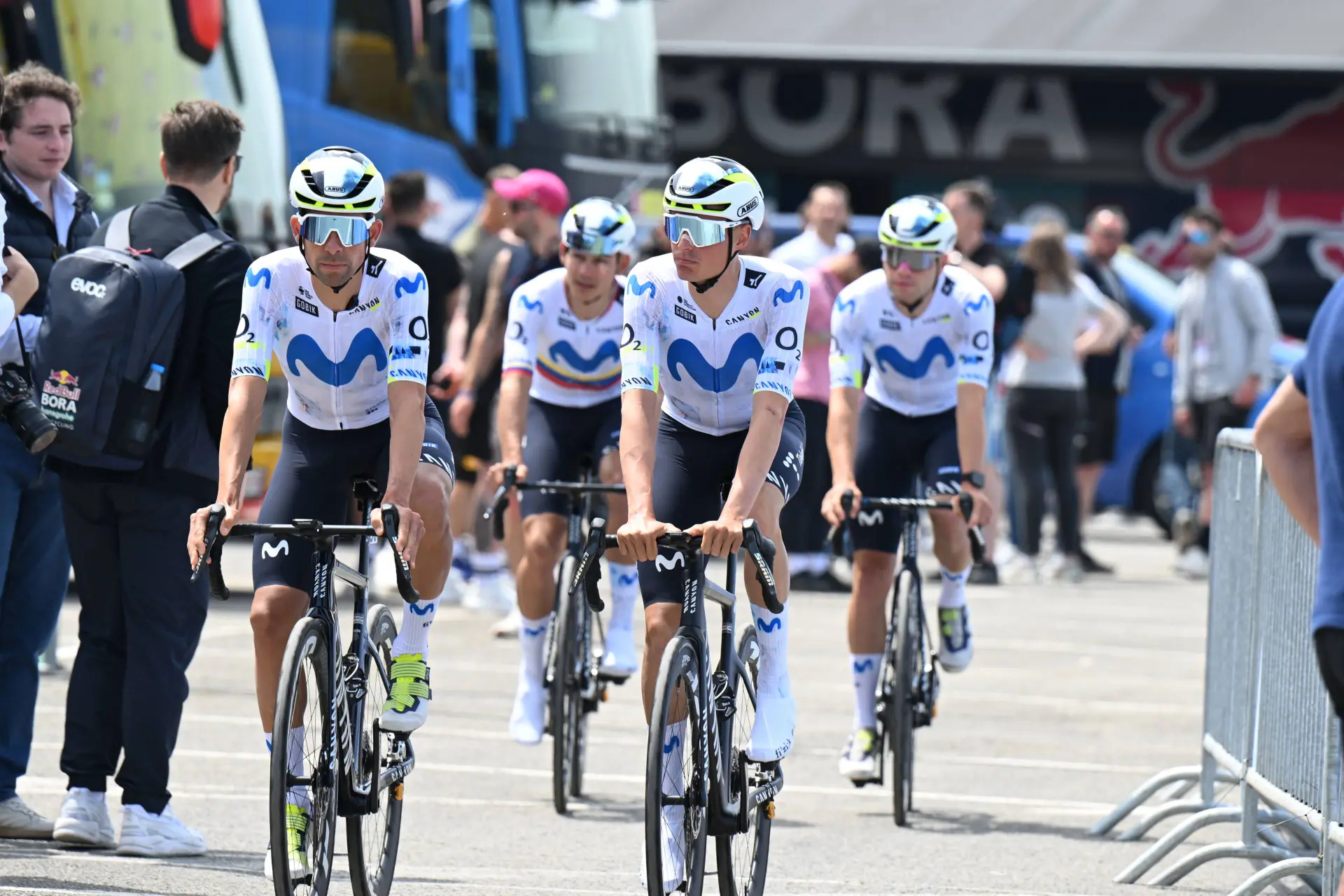
Since the departure of Richard Carapaz, the retirement of Alejandro Valverde, and the decision not to sign Carlos Rodríguez - combined with the refusal to create a development squad until this season - Movistar Team has lost ground to rivals who have adapted better to modern cycling.
Telefónica has not issued any official comment to date.

Gavin QuinnCycling Journalist
Gavin Quinn is a cycling journalist and ultra-distance cyclist with a BA in Journalism from Dublin City University. Formerly the Press & Communications Officer for Cycling Ireland, Gavin has worked inside the national team at the World Championships and has reported for the Irish Mirror, Mirror UK, and The42.
His expertise is backed by elite-level access, having interviewed stars like Sam Bennett and Ben Healy, as well as immense personal endurance. In 2025, he completed a 12,000km solo cycle from Ireland to Vietnam, following a 4,600km tour across Europe. From the cobbles of Paris-Roubaix to the gradients of the Tourmalet, Gavin’s writing focuses on the "romance and brutality" of the sport. Having visited 50+ countries, he brings a global, cultural perspective to his coverage of the pro peloton for CyclingUpToDate.
claps 1visitors 1
Just in

Popular news
Latest comments
- My thinking is that Pog's experience and strength would have outweighed any fatigue in Il Lombardia. But the sad thing is, we'll never see peak Pog (call it Pog 2) go head to head with Seixas. However well he recovers from his crash, he'll return as Pog 3, with the shadow of severe concussion always there.Hills3313-10-2026
- Some speculation and opinion. Had Tadej not crashed out of the Vuelta he would have been less fresh and I'm not sure he would have beaten Seixas in this race. Maybe he would have been able to contest the race in a sprint and maybe not. Believe me when I say I keep up with many of Tadej's climbing feats and records and I understand how great he is but the Paul we just saw at Il Lombardia was not that far behind Tadej.awp13-10-2026
- Firstly, someone who says parenting is babysitting is delusional and shouldn't be taken seriously. Secondly, with pro athletes it is not the same as a normal worker. They are being rewarded for doing something for which they have a talent which doesn't actually help people (besides inspiration). It's quite a different dynamic
 Rafionain-Glas12-10-2026
 - only way for him to effectively learn to microdose is to go to uae. other than that there is no reason for him to go to uae.whkman12-10-2026
- that was a great win, and quite a surprise at the time. That was a loaded field, and he held of Valverde for the win. Still shocking that Valverde never won Lombardia. He seemed perfect for it. Mollema just went to work every day.mij12-10-2026
- I hope he races Volta a Majorca. We'll really be able to see if he can do one-day-races (but do they count?)Rafionain-Glas12-10-2026
- See, you can write a sensible comment without just slagging off everyone else! Well done!👏😆 🫣Lozza12-10-2026
- Seixas best chance is obviously UAE. They are the best team in history of the sport and they developed pogacar into the goat. They also developed Del Toro to be nr 2 in world. Seixas would become unstoppable at UAE. Lets see if Seixas stays at decathlon but if UAE comes knocking its impossible to say no. Barcelone and real madrid combined into one team, thats UAE in cycling it feels like..miguel12-10-2026
- I think he does or goes to whichever team gives him the scope to become the rider everyone thinks he'll be when Tadej stops.. that simpleslappers6612-10-2026
- I remember at one time he was mentioned in the same breath as Seixas. no more. Onley has a lot of work to do to be deserving of that.mij12-10-2026
Loading
Write a comment