“To our surprise, he has still improved”: UAE performance chief believes Pogacar may still have room to grow
Cycling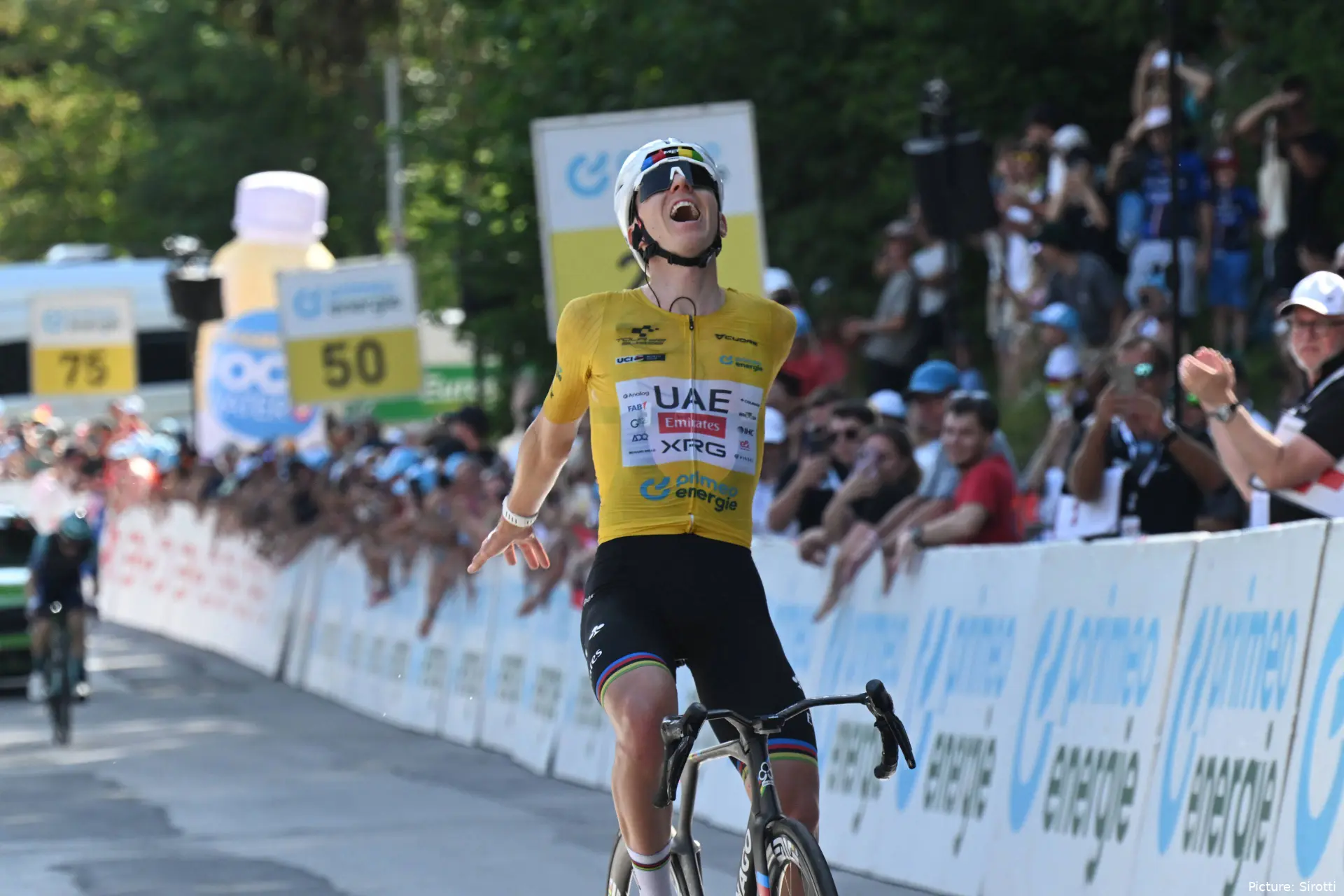
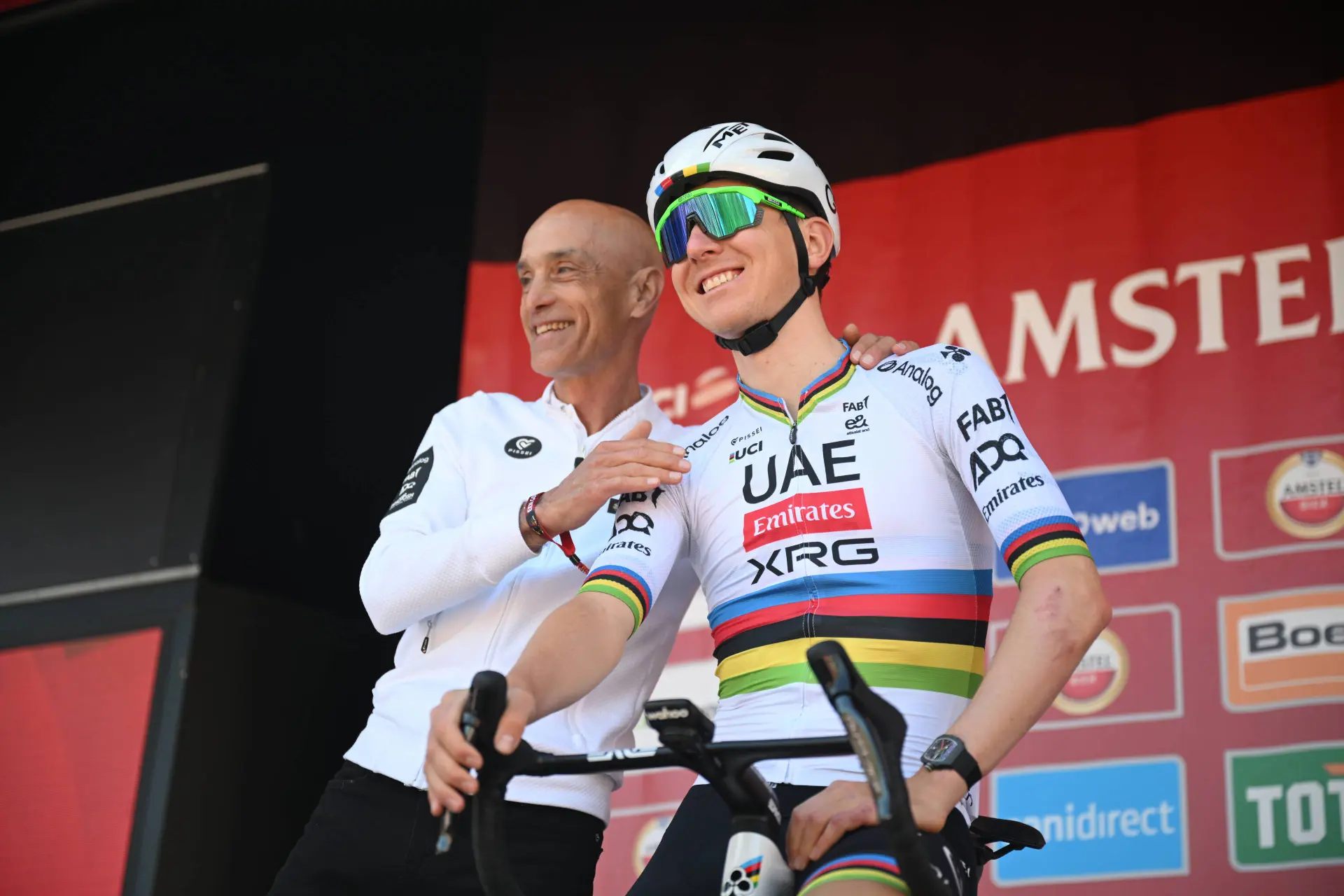
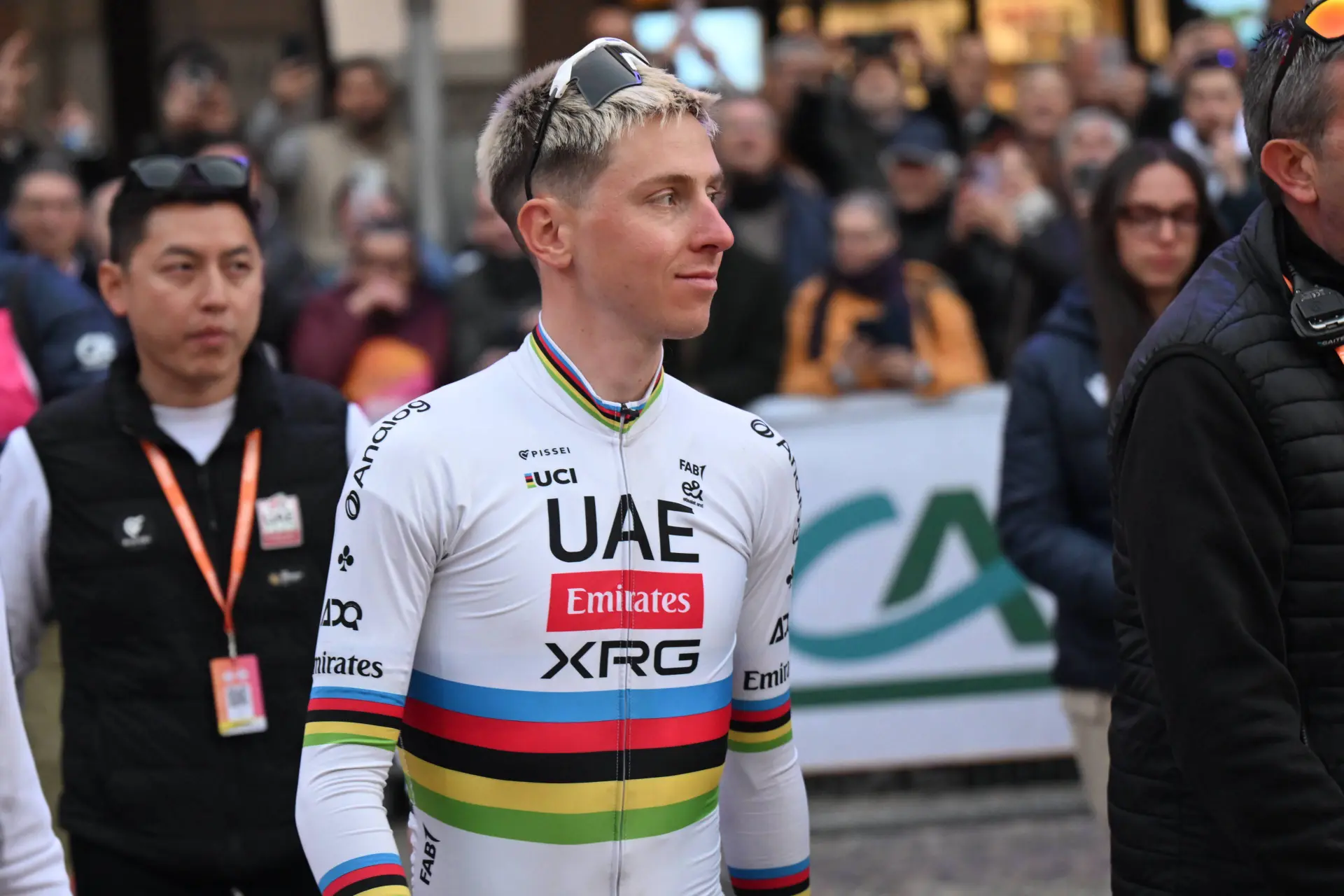
Tadej Pogacar enters the 2026 Tour de France as the overwhelming favourite to claim a fifth yellow jersey, a victory that would see him equal the all-time record at just 27 years of age. While his physical development has naturally slowed after years of remarkable progression, UAE Team Emirates-XRG Head of Performance Jeroen Swart believes the Slovenian continues to find small gains that even his coaching staff did not expect.
Physical gains are now smaller, but still coming
Swart admitted that Pogacar's dramatic improvements over recent seasons have inevitably begun to level off, yet the Slovenian has still managed to exceed expectations. “If we look at Tadej's numbers, he definitely is not improving by the same margins as he did before. I have been a little surprised in that we've been able to still eke out some improvement,” he said in an interview.
He explained that two years ago the team believed Pogacar was approaching his physiological ceiling. “If you had asked me two years ago, I would have suspected that we would have hit a plateau and that we would have been then focused on maintaining that plateau and to our surprise, he has still improved, and that has helped us as well in terms of his performance on the Classics side as well.”
Read also
Swart added that part of those gains came from targeted work away from Grand Tours. “That was also aimed at specifically that he'd gained a few kilos of extra muscle that helped with the explosiveness required for the Classics, so there was a focused training and specific adaptation for that. But his overall performance, if we look across races, has increased very marginally, and we were nevertheless surprised to still see an improvement, which is obviously welcome. Every little bit helps.”
Asked whether Pogacar's very best level may still be ahead of him, Swart was cautious but refused to dismiss the possibility. “That would be so difficult to predict. I would settle for the same Tadej we've had in previous Tours, that would be great. If he manages to improve further, that would certainly be welcome. I would hesitate to think that it's still possible, but let's wait and see.”
However, he acknowledged that Pogacar has consistently exceeded expectations throughout his career. “I'm not ruling anything out. He keeps surprising us and with his level, every year has been a surprise in terms of his ability to continue to improve a little bit here and there. So I wouldn't rule it out, but I think the chances are increasingly slimmer each season that he can take another step.”
Mental resilience has become more important than ever
Swart believes the modern peloton places unprecedented psychological demands on riders, making mental preparation just as important as physical conditioning. “I think that point about mental resilience isn't just about Tadej, it's across the board, in all sports. Sports psychology and mental coaching have become increasingly recognised as a very important part of sports performance, and whether it's in professional golfing or professional cycling, it's equally as important.”
“The racing has definitely become mentally more challenging, too. It is more full on from the start, and it doesn't really let up, you know: There are the odd races or stages where there's a hiatus in the sort of attacks and the pace and the peloton can relax a little, but that has become almost the exception and no longer the rule. So every race is mentally very taxing and that can be cumulative.”
He also pointed to higher speeds and increasingly aggressive racing. “I also think there's a greater mental stress because of the speeds, the aggression in the racing. Descents have become a step to the next attack, they've become the area where attacks often happen, where the pressure is exerted. So all round, the mental stress of racing has definitely increased substantially.”
Félix SernaCycling Journalist
Félix Serna is a writer at CyclingUpToDate and has been part of the team since 2025. He covers professional cycling across both the men’s and women’s calendars, with a focus on UCI rankings, race developments, and rider performance. His work includes interview-based reports, liveblogs, and tournament coverage designed to provide clear, accurate context throughout the season.
In his reporting, Félix regularly uses ProCyclingStats for results, statistics, and historical reference. He places strong emphasis on careful sourcing, editorial accuracy, and updating articles promptly when new, verified information becomes available. He holds a bachelor’s degree in International Studies.
claps 12visitors 2
Just in

Popular news
Latest comments
- Nothing. Against Pogi nothingabstractengineer18-10-2026
- He didn't even try to sprint all outvappaxbipmv18-10-2026
- Campenaerts looked like a rolling pumpkin with that all orange leaders skinsuit !frieders318-10-2026
- He can take his dumb a$$ politics somehwere else !frieders318-10-2026
- good to have her back. fingers crossed she‘ll be able to stay!Ketterechts17-10-2026
- A tenner and he wins the Tour next year, too 😂anonymouscyclist17-10-2026
- the answer is either stick to classics or GTs but not bothabstractengineer17-10-2026
- the exodus already stared with Ciccone. Already they were struggling with two sprinters, now there are three. Also Ganna will demand leadership. Gall is the most proven GC, Ayuso has the most potential. GC leadership for everybody will be impossible. Literally a UAE style mess without pogi.abstractengineer17-10-2026
- I raced as an amateur for 12 years, including six years on my country’s national road cycling team. I secured two national titles and competed in three World Championships plus more than 15 international stage races. At 23, we travelled to Italy for a training camp—or so I assumed. On a rest day, we watched a presentation about adopting a more “professional” training approach. It was crystal clear what “professional” meant. That moment first exposed me to this dilemma. After returning from Italy, I left cycling—at least at the competitive level I had known. Over the following two years, the whole team was caught doping. I hold that everyone is innocent until proven guilty. In my view, current stakeholders operate on a different scale, and the sums involved are vast. I am unsure whether any doping would ever be revealed. I try to stay positive and enjoy the show. My 2c.
 vannpelt17-10-2026
 - Fiver he wins 🤣
 leedorney17-10-2026
Loading
Write a comment