“Thirty centimetres of asphalt to race on” – Thijs Zonneveld accuses Tour de France of putting spectacle before rider safety
Cycling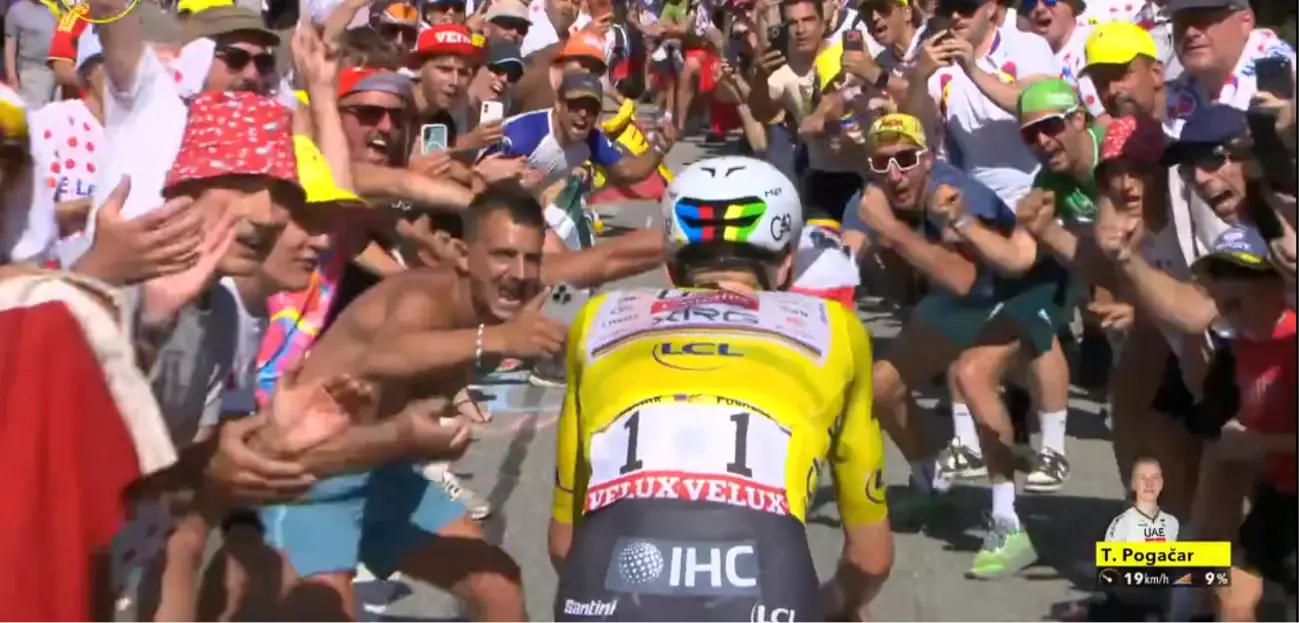
Thijs Zonneveld has accused Tour de France organisers of allowing spectacle to take priority over rider safety after the enormous crowds on Alpe d’Huez repeatedly encroached on the racing line during stage 19.
The Dutch journalist criticised the limited use of barriers and ropes across the climb, with tightly controlled sections separated by long stretches where riders and race vehicles were forced through narrow corridors of spectators.
Speaking on the In de Waaier podcast, Zonneveld said: “When you see what’s there between the barriers at Turn 7 and the fences 3.7 kilometres before the finish line, I think it’s scandalous."
“I just don’t get it. ASO thinks the footage is fantastic. That’s what they’re doing it for, so that people can get really close and say: ‘Look, cycling is the people’s sport.’ But giving riders just 30 centimetres of asphalt to race on, and having the guys at the top say they were afraid flags would get caught in their wheels... I find that truly absurd.”
Turn 7, the Dutch Corner and the closing kilometres were among the areas where the crowd was held back. Between those secured sections, supporters regularly stepped aside only as the riders approached.
Rubio crash underlines Alpe d’Huez danger
Remco Evenepoel was among those directly obstructed. The Belgian said his attack with around five kilometres remaining had to be made in two parts after supporters and motorbikes blocked his path.
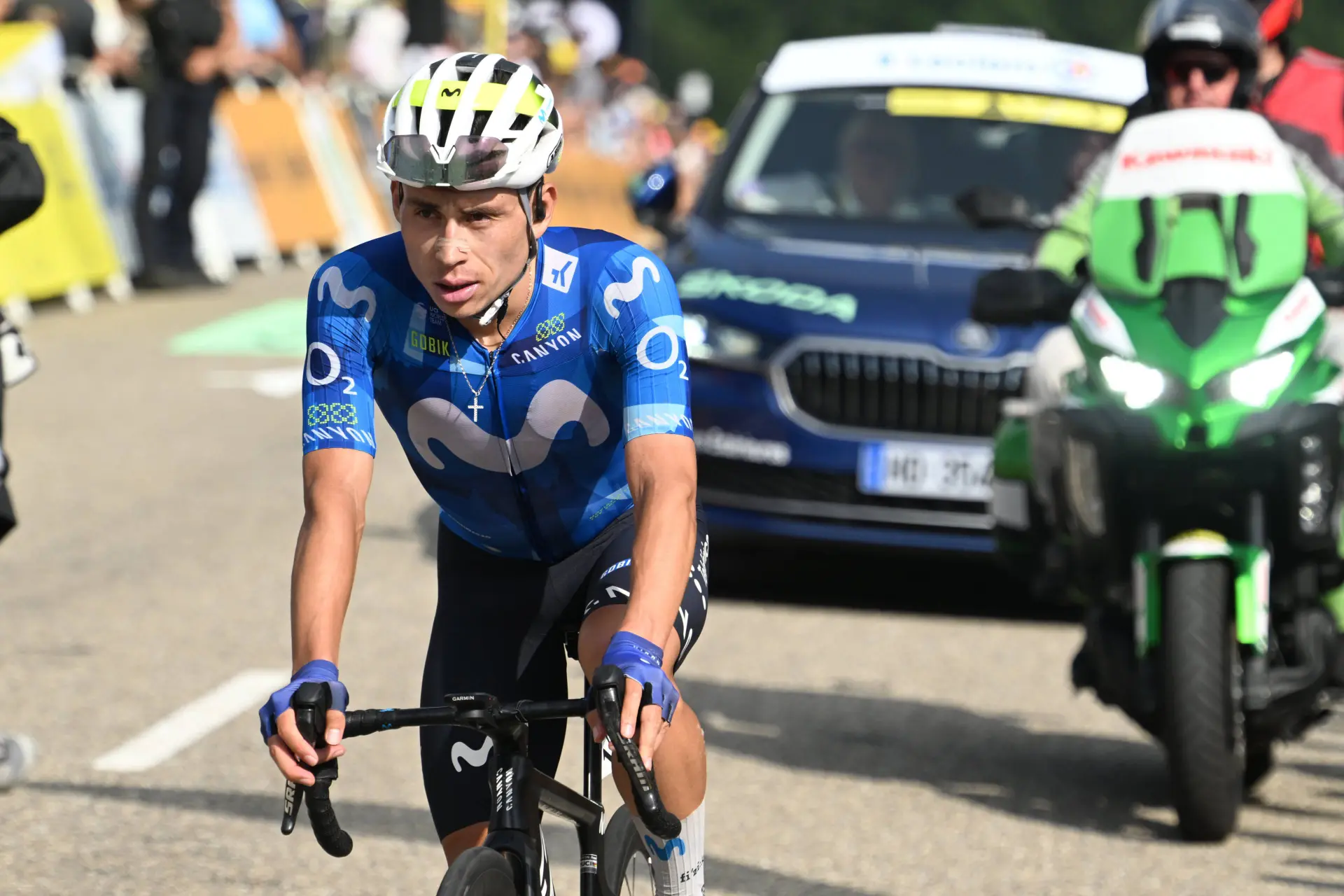
The consequences were more serious for Einer Rubio. The Movistar Team rider struck the rear window of a UAE Team Emirates – XRG car after the vehicle braked sharply. Rubio suffered facial injuries requiring around 20 stitches and was forced to leave the Tour.
“Just look at what happened to Rubio,” Zonneveld said. “He’s just some guy who fell on the asphalt, and the UAE car had to slam on the brakes.”
Zonneveld placed responsibility with ASO, arguing that the organisers had accepted unsafe conditions to preserve the images associated with the Tour’s most famous climbs.
“That’s simply because ASO refuses to do anything about crowd control, because it’s ‘cool’,” he said. “I really don’t think it’s cool at all. I want to watch sport, not idiots who want to run alongside the riders and people who stand in front of them for as long as possible. Why do you do that?”
Alpe d’Huez has long been defined by the proximity of its crowds, but stage 19 brought repeated interference with both the sporting contest and the convoy around it. Evenepoel’s attack was disrupted, riders feared flags becoming caught in their wheels and Rubio’s race ended against the back of a team car.
Zonneveld calls for barriers and punishment
Zonneveld also criticised supporters who moved into the road or ran alongside riders in an attempt to appear on television.
“Even if there’s 30 centimetres of space, there are still people who want to run along just to get on television,” he said. “Is it really that important to be on television? You’re still part of it even if you’re standing on the sidelines. The people who stood behind the barriers at Turn 7 still had a really great day, didn’t they? You don’t have to stand right in the middle of the road.”
He suggested asking spectators arriving at the foot of the climb to contribute five euros towards additional barriers, security and large screens.
Zonneveld also called for running alongside riders to become a punishable offence. “You wouldn’t stand next to Taylor Swift on stage, or next to Messi when he’s about to take a free kick, would you?” he asked.
Pogacar’s record-breaking victory delivered another celebrated chapter in the history of Alpe d’Huez, but the surrounding scenes strengthened calls for tighter controls on cycling’s busiest climbs. Zonneveld’s criticism was aimed not only at spectators who crossed the line, but at an organiser he believes has allowed those images to become part of the attraction.
Kieran WoodDeputy Editor-in-Chief
Kieran Wood is a sports journalist based in Wales and has been active in journalism since 2022. He regularly contributes to DartsNews.com and CyclingUpToDate.com, where he covers professional cycling and darts. In cycling, his work includes liveblogs from major races, including the Tour de France, the Giro d’Italia, and La Vuelta a España, alongside race reports and analysis. He has also conducted interviews with professional riders.
His reporting spans the full racing calendar, from one-day classics to stage races, with a focus on accurate, real-time coverage and clear contextual analysis. For statistics, results, and historical context, he regularly uses resources such as ProCyclingStats. To support reporting on rider activity and training context where relevant, he also references Strava.
In his work, Kieran places strong emphasis on careful sourcing, editorial accuracy, and updating articles as new, verified information becomes available.
claps 3visitors 3
Just in
Popular news
Latest comments
- Great to see him finish strongmij15-10-2026
- I guess not since it is happening all of the timemij15-10-2026
- Like any of them could beat Pogi! As if!Lozza15-10-2026
- Perhaps the ITA need to employ people who have some humanity. So the family didn't complain at the time but surely on being told of the death the official should have passed on their condolences and gone away.Andy12315-10-2026
- Absolutely notbruins3015-10-2026
- what would the organizers loose if they pay men and women the same prize money? it is a shame that the unfairness is preserved even on a level where it would be so easy to change with nothing but positive consequences ... heck, they could even claim to promote equal rights ...Ketterechts15-10-2026
- is this crazy?Ketterechts15-10-2026
- WTF? What should I apologize for? Did you understand what I wrote?MajorPayne15-10-2026
- Could we give Seixas time to be Seixas and not make comparisons too soon? Maybe it’s my age speaking, but he’s a mere 20, barely started. Sure, a phenom, but so young. Will he win 8 Monuments like van der Poel so far, will he win 4 grand tours like Vingegaard? Those have been the two seconds to Pogačar’s first, since covid. Yes, there’s an eventual changing of the guard, but Seixas will need time to build the palmares to make his case. Might we please give him that time (while we enjoy the hell out of his riding)?RidesHills15-10-2026
- You've been dropped multiuple times from this site LOL !frieders315-10-2026
Loading
Write a comment