“Reborn is a strong word” – Adam Yates’ remarkable Tour de France revival helps Tadej Pogacar make history on Alpe d’Huez
Cycling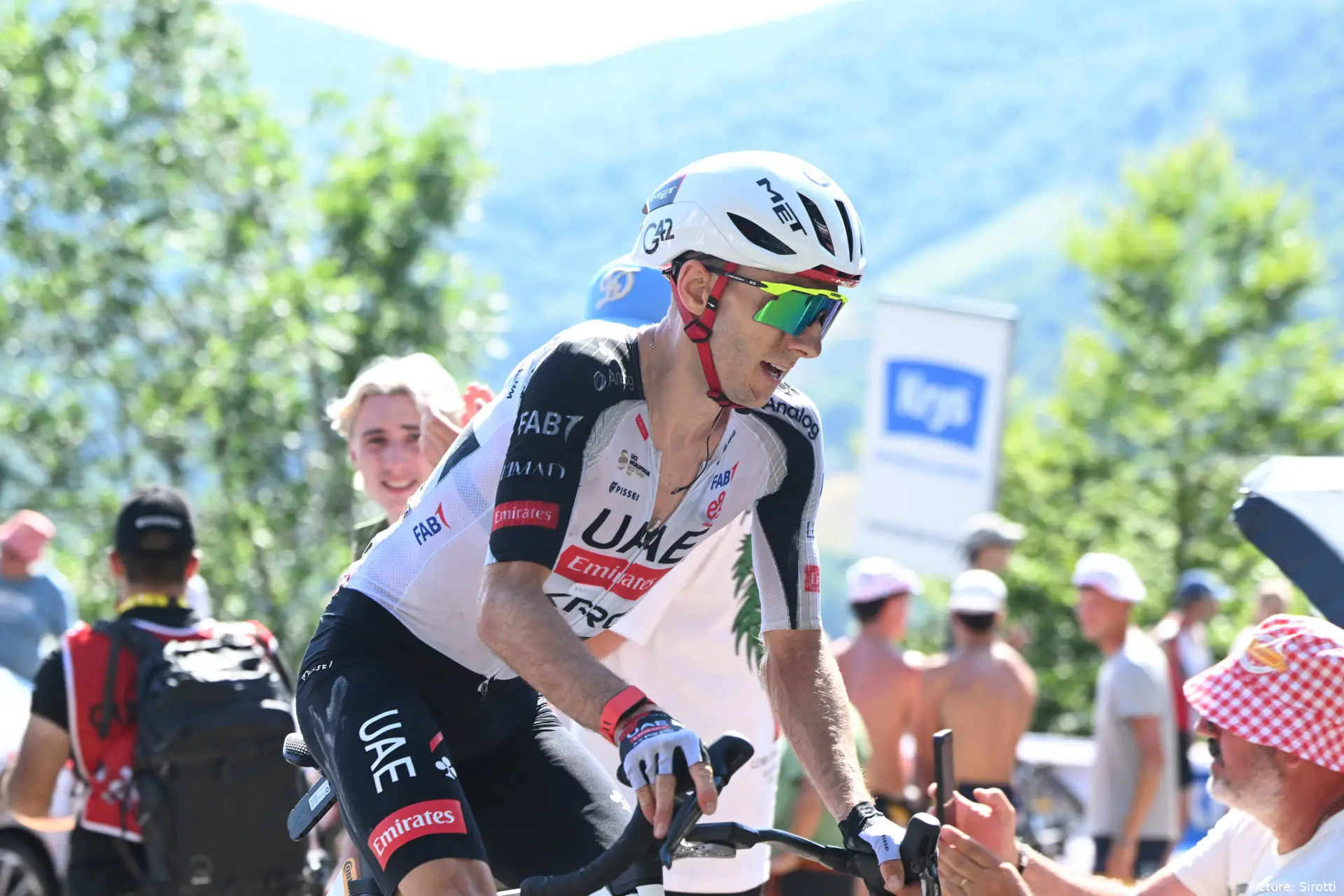
Adam Yates has spent the previous days fighting simply to remain in the Tour de France. On stage 19 though, he was suddenly back at the front of the race and helping Tadej Pogacar complete a record-breaking victory on Alpe d’Huez.
Illness had reduced Yates to survival mode earlier in the week, with eating, recovering and even reaching the finish becoming a struggle. His appearance in the large breakaway therefore marked a striking change, even if the UAE Team Emirates – XRG rider stopped short of declaring himself fully recovered.
“Reborn is a strong word,” Yates told reporters after the finish. “I’m still suffering a lot. It’s quite obvious we have had some illness in the team, and the last few days have been really difficult."
"Even just to finish the stage has been really hard," he added. "We knew we would get through it, but it takes time.”
Accidental breakaway puts Yates in Pogacar’s path
Yates had not started the day with a planned satellite-rider role. He moved towards the front to cover attacks and found himself part of the 42-rider group that eventually established the stage’s main breakaway.
“I didn’t mean to be in the break actually, I was up near the front marking some moves, and suddenly there was a space,” he admitted. “Yeah, it was good. I got a bit of a head-start on the climb, and then the guys came from behind and you know what happened.”
That unexpected head start became valuable once Pogacar attacked the general classification group on Alpe d’Huez.
The yellow jersey began the final climb more than three minutes behind the leaders but rapidly cut into their advantage. Yates had already lost contact with the front of the breakaway, yet remained far enough up the mountain to assist when Pogacar reached him.
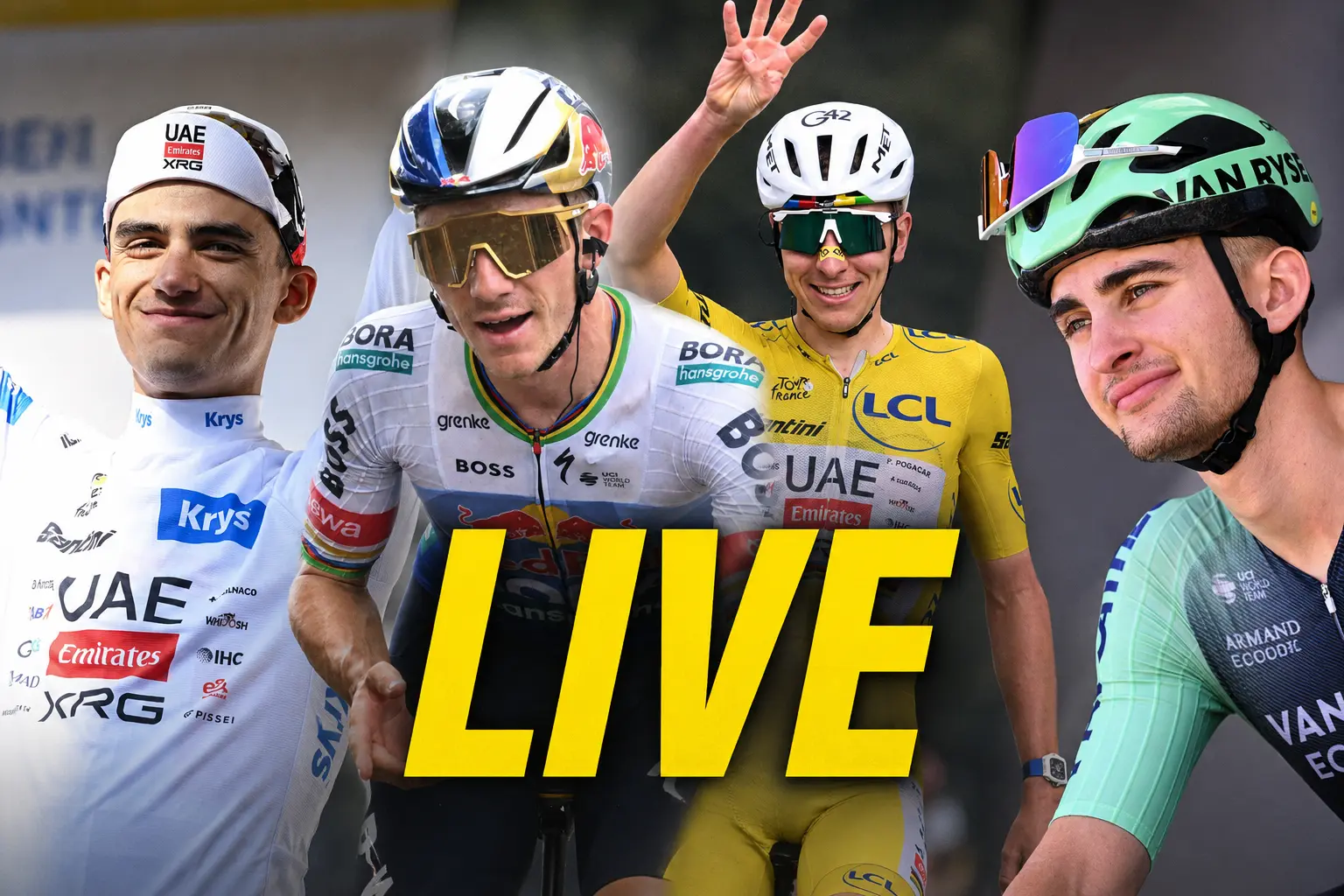
Their spell together was brief, but came midway through a pursuit that eventually carried Pogacar past Sepp Kuss, Richard Carapaz and Lenny Martinez before the summit. Pogacar later described seeing Yates ahead as a morale boost after watching his teammate struggle through the previous stages.

Yates played a key role in Pogacar’s record breaking Alpe d'Huez ascent
Yates wishes he'd done even more
“I would have liked the pull for Pogacar to have been a little bit longer, but like I say, I’ve been struggling for the last few days with illness,” he said.
UAE had started the stage with doubts around several riders and Pogacar faced much of the decisive chase alone. Yates provided a short turn of pace and a welcome wheel before the race leader resumed his pursuit.
From struggling to finish to the front of the race
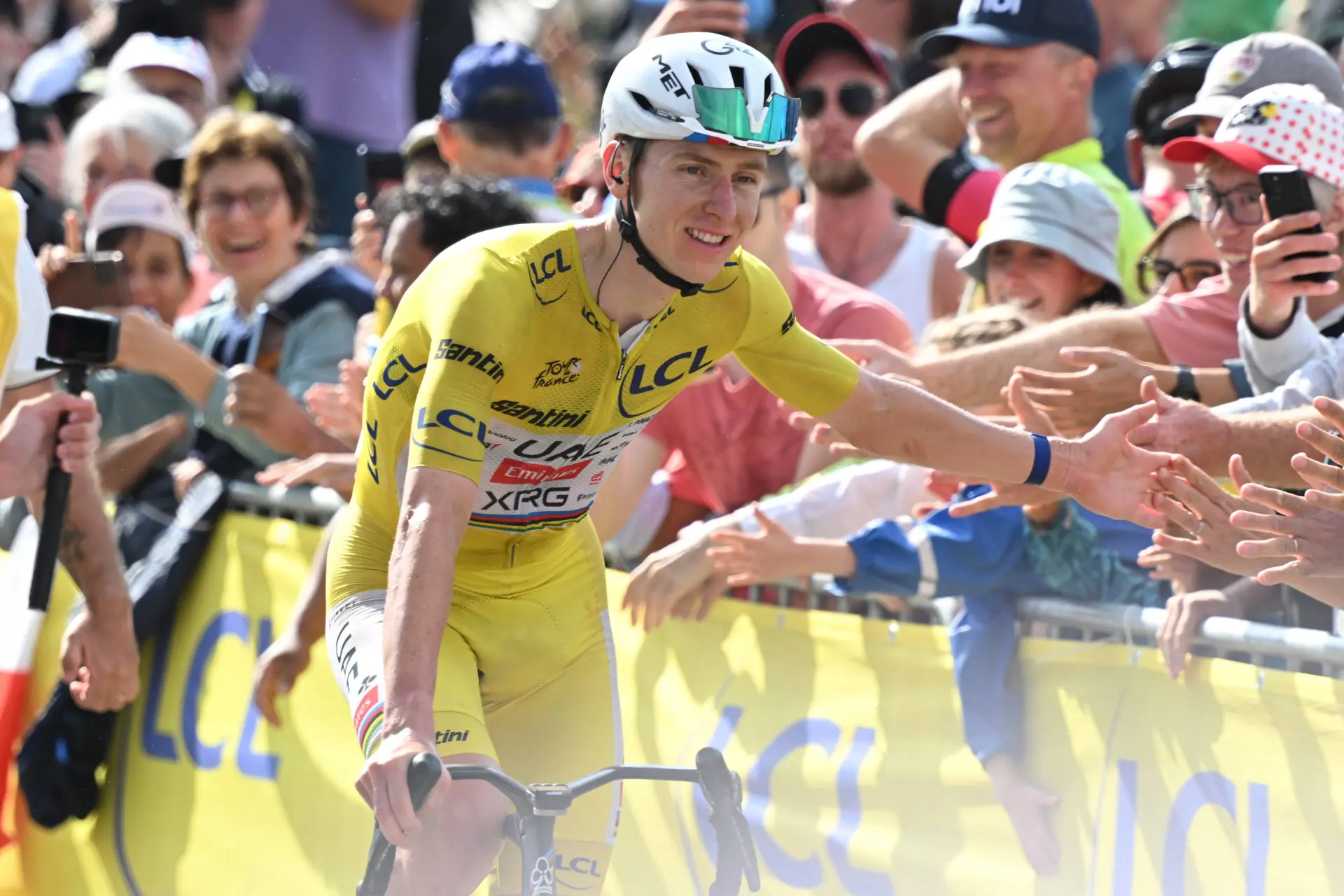
Pogacar went on to become only the second rider to win on Alpe d’Huez while wearing the yellow jersey, with his reported climbing time surpassing the long-standing benchmark associated with Marco Pantani’s 1997 ascent
Yates’ contribution was only one part of that performance, but it completed an extraordinary turnaround of his own. Days after illness had left his continuation in the race under question, he was back in the breakaway and helping shape the decisive phase of one of the Tour’s biggest mountain stages.
“Just to be back in this kind of shape, and to be back at the pointy end of a race is nice,” he said. “When you’re sick, the only thing you pray for is health, I read the other day, and that’s true. It’s good to be back, and hopefully I’ll be even better tomorrow.”
Stage 20 will bring an even longer Alpine test and Yates remains cautious about the extent of his recovery. On Alpe d’Huez, however, the rider who had recently been struggling merely to finish reappeared exactly where Pogacar needed him.
Kieran WoodDeputy Editor-in-Chief
Kieran Wood is a sports journalist based in Wales and has been active in journalism since 2022. He regularly contributes to DartsNews.com and CyclingUpToDate.com, where he covers professional cycling and darts. In cycling, his work includes liveblogs from major races, including the Tour de France, the Giro d’Italia, and La Vuelta a España, alongside race reports and analysis. He has also conducted interviews with professional riders.
His reporting spans the full racing calendar, from one-day classics to stage races, with a focus on accurate, real-time coverage and clear contextual analysis. For statistics, results, and historical context, he regularly uses resources such as ProCyclingStats. To support reporting on rider activity and training context where relevant, he also references Strava.
In his work, Kieran places strong emphasis on careful sourcing, editorial accuracy, and updating articles as new, verified information becomes available.
claps 1visitors 1
Just in

Popular news
Latest comments
- writing about yourself in third person ... please, at least have someone else from your staff author these self-coverage articles!Ketterechts25-11-2026
- Don’t forget Yates’s podium at 2023 TdF!Lozza25-11-2026
- It was stage 14 to Morzine that Carlos Rodriguez won in 2023, not Puy de Dome. And Kwiato actually won the previous stage himself to Grand Colombier!Lozza25-11-2026
- Go Pogi!! 🐐❤️Lozza25-11-2026
- They didn’t have or need “extraordinary information”. All they needed was for a French judge to sign off on the night-time testing for it to go ahead.Lozza25-11-2026
- If the sponsors voted for Primoz then you get him, otherwise not.flyer25-11-2026
- It sure can feel or seem that way but I wonder if the same amount of prodigious performances (compared to the others) would occur if no one was ever doping at all.flyer25-11-2026
- Given the similarity of two articles (published on I think the same date), I'm reusing (copy-n-pasting) my post from the twin: I've always thought the last day of each of the grand tours was problematic mostly in that the GC is considered completed before the race starts when that is not really true. There is some tension, but not desirable tension. What saves the awkward practice is the race finish is legit for those who participate - so it's not wholly different from the other stages. That neutralizations usually make good sense demonstrates their necessity so if that has to be the way to go I agree that the design plan for the neutralization should be completed before the race starts. This years end stage in the Vuelta had one of the best first half's I've seen in that many of the riders looked to be thoroughly enjoying themselves making it a joy to watch. But I think it was slightly closer to the exception rather than the rule.flyer25-11-2026
- Even I often win without being there at all, not even breaking a sweat. Beat that!flyer25-11-2026
- It is not about rest and peaking again - 5 weeks is not enough for that. It is about recovery while maintaining form. 4 weeks is easier for that. With a Giro-Vuelta, the 12 week break is enough to rest and then peak again. Not for the Tour
 Rafionain-Glas25-11-2026
Loading
Write a comment