"The hardest thing in cycling is maintaining that carefree attitude": Romain Bardet advices rising star Paul Seixas
Cycling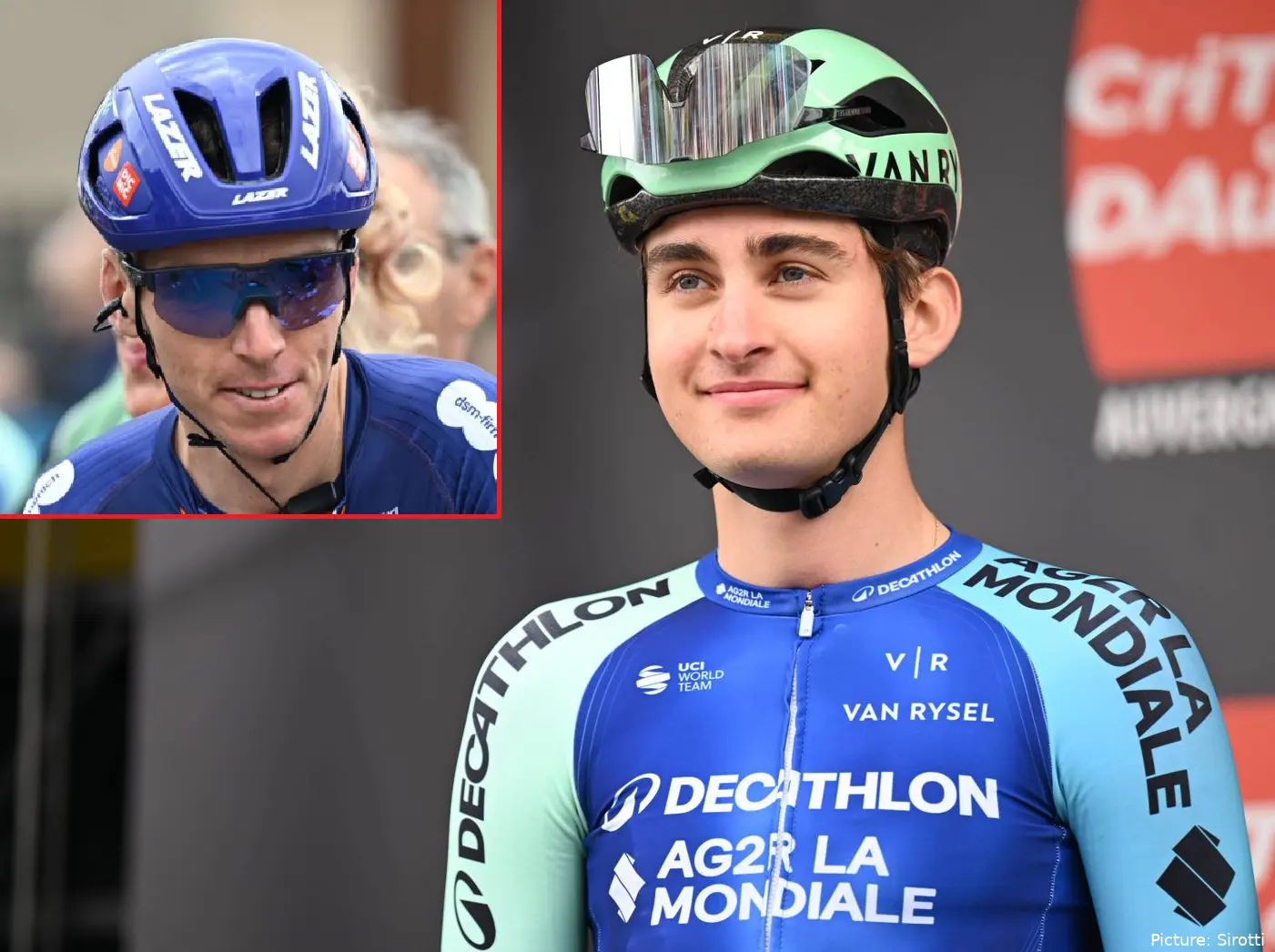
Paul Seixas made a stunning entrance into the world of professional cycling. Especially towards the end of the season, the still teenager won the Tour de l'Avenir, podiumed the European Championships in elite category, and later arrived 7th at Il Lombardia. That's an incredible feat for a rider that will only turn 20 next September. And for the French fans, it's a great reason for optimism after in the past decade, their dauphins Romain Bardet and Thibaut Pinot failed to break the fasting of French cycling at Tour de France that lasts since Bernard Hinault's fifth title in 1985.
"You have to keep in mind that a [rider's] career may seem short [to an outsider], but it's still long [for the riders themselves]," the winner of four Tour stages and a polka dot jersey Bardet tells Ouest France.
The Frenchman himself was once a great asset of French cycling and, alongside Thibaut Pinot, the weight of expectations eventually became a burden too heavy to carry any further. At the age of 25, Bardet finished runner-up to Chris Froome, four minutes behind the Briton.
And although he had many productive seasons, including the next one when he came only 2 minutes of winning the Tour while finishing third overall, Bardet's attention gradually started to drift away to other targets. Perhaps in an attempt to escape the pressure of French fans.
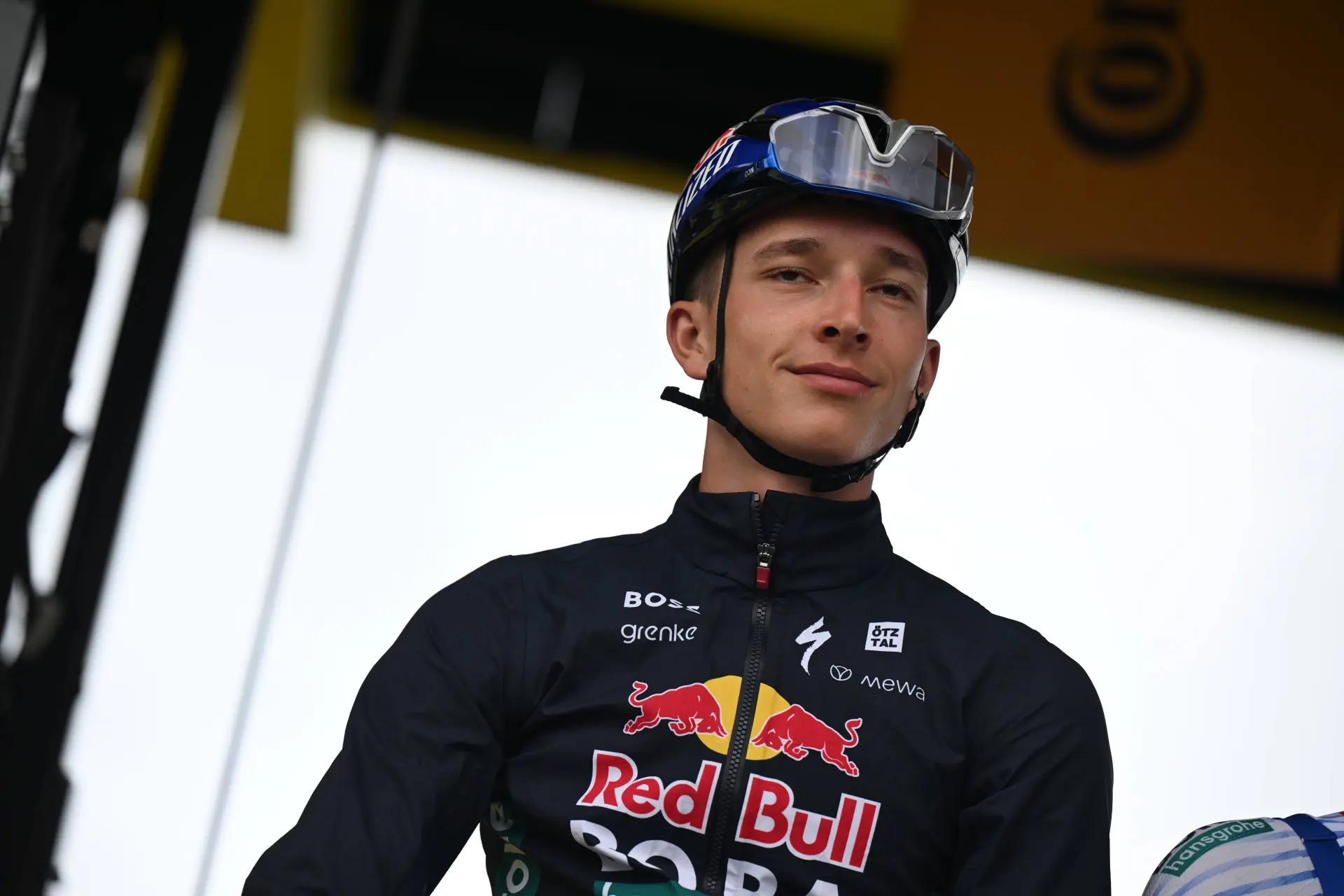
Take Bardet for an example
Aware of all that, Bardet knows that there is a lesson to be learned from his example. It's great if Seixas can go and ride with the best, but it should come from within himself when he decides to go for a GrandTour podium, or even a victory.
"I'm far from giving advice to anyone, but you have to consider career plans. The hardest thing in cycling is maintaining that carefree attitude. We see it with Pogacar and the weariness that perhaps sets in during the Tour de France," he sets out the Slovenian phenomenon as an example. Even Pogacar knows when to stop pushing and take a break, or switch objectives to keep himself entertained.

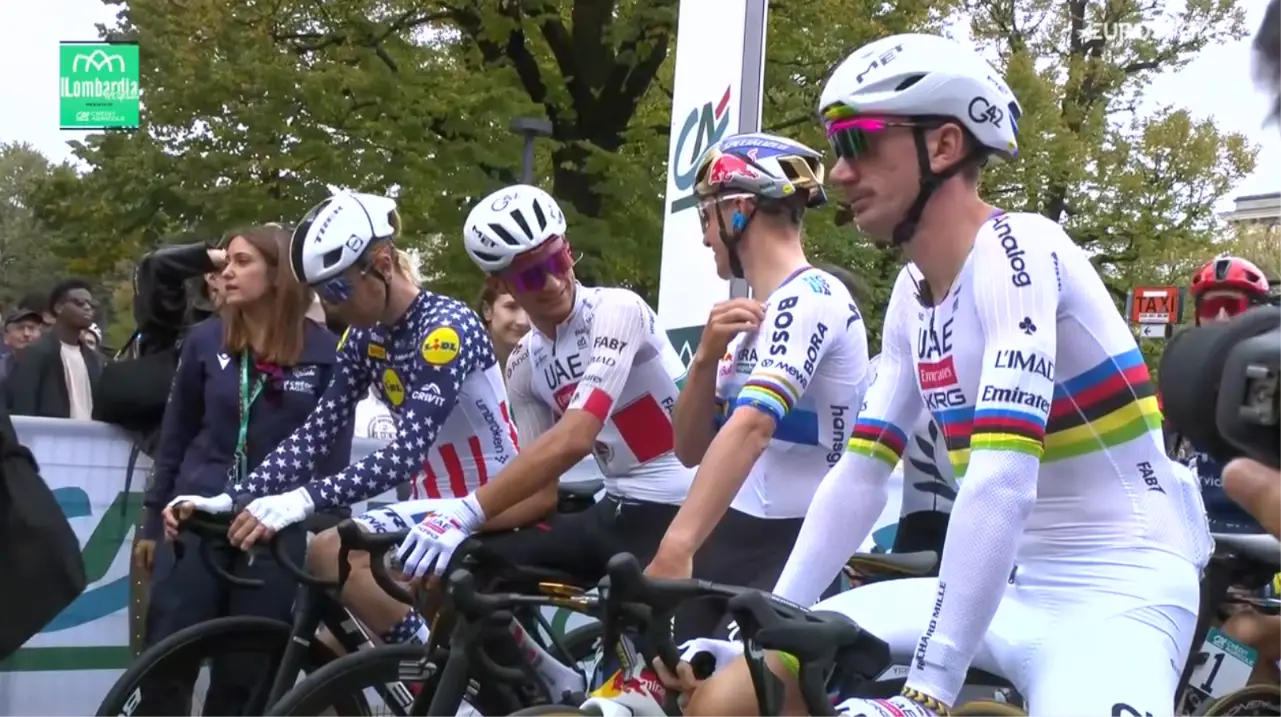
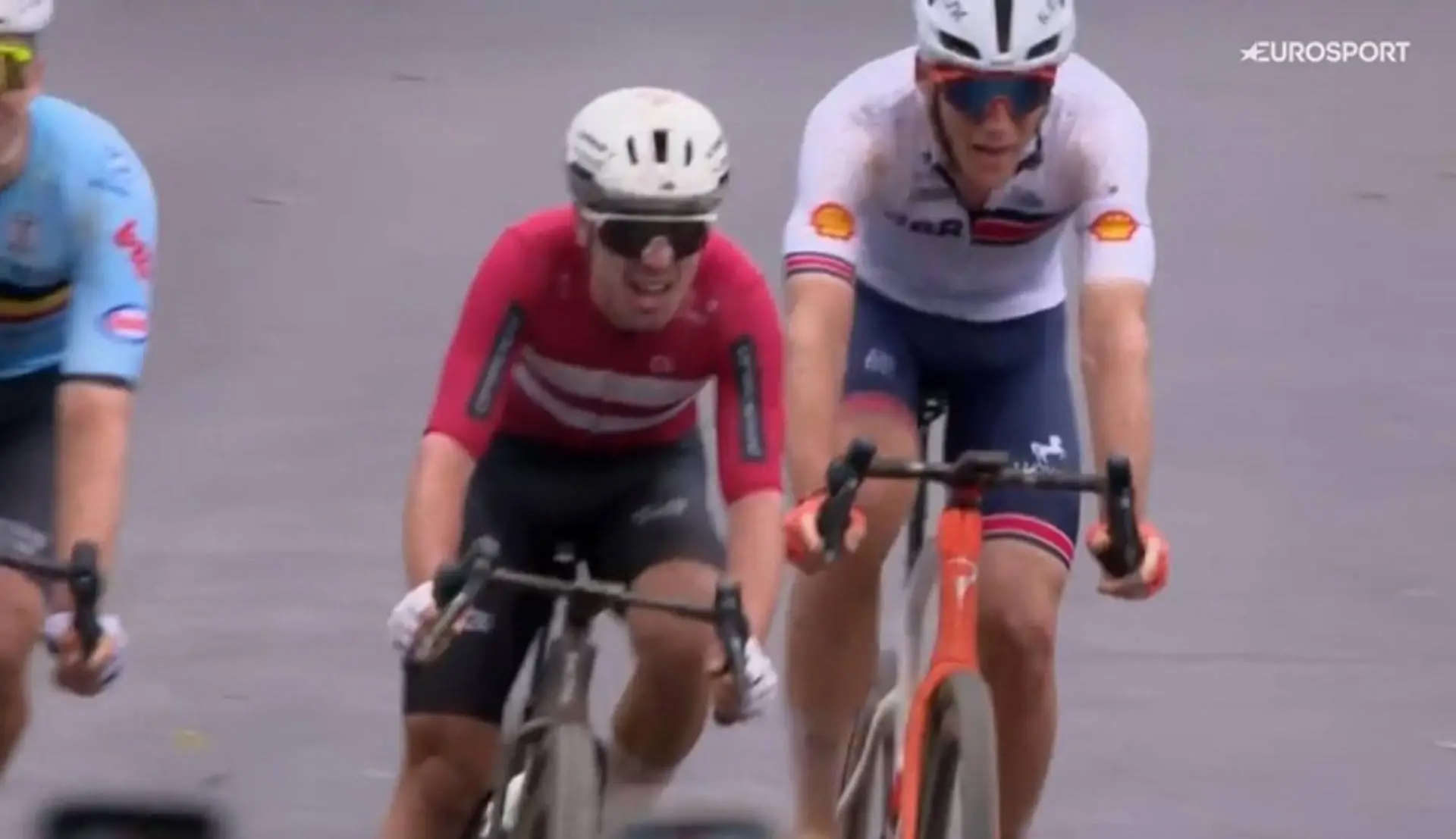
At a young age, Paul Seixas already stood on the European Championships podium next to Tadej Pogacar and Remco Evenepoel
That is exactly what he recommends to Seixas too - he shouldn't make his career revolve solely around the Tour (or another race), especially if he finds it unreasonably difficult to achieve the goal. "Beyond pure physical performance and the ability to improve each year, it's about maintaining that inner flow to ensure Paul reaches the heights he's destined for."
Above all though, Bardet is worried about the fans who already potray the 19-year-old Seixas on the Champs-Élysées podium, without having even ridden his first GrandTour.
"There's a certain frenzy that worries me a little, given the incredibly demanding nature of it for young athletes," he reveals. "Now, to turn professional, they have to meet a level of expectation that's so much higher than it was when we turned professional. This is reflected in the level of performance they manage to achieve from a very young age."
Bardet continues: "It's this aspect, with the resulting mental strain, that can weaken long-term motivation. You have to find the right balance, but it's quite personal for each athlete."
The key is variety
A variety of racing schedule is an important aspect. "In the World Tour, we did the same races five, six, seven, or ten times. There's no variety. I think you have to maintain that freshness over the years to keep your body active on the side," Bardet stresses out how repetition can ruin a rider's morale.
Thus the next few years should be a learning period for Seixas before he takes up the big duty. "It's good, in the early years of your career, to maintain the sense of wonder of discovering new events, gradually increasing the number of races you participate in. Paul needs to still want to experience races he hasn't done yet, in two or three years."
Ondrej ZhasilCycling Journalist
Ondřej Zhasil is a cycling journalist at CyclingUpToDate and has been part of the team since 2023. He is based in Ostrava, the third-largest city in the Czech Republic, and covers professional cycling across the main UCI competitions, including the Tour de France, the Giro d’Italia, and La Vuelta a España. A key focus of his work is startlist analysis and pre-race coverage, where he examines team selections, rider line-ups, and tactical scenarios ahead of major events.
Alongside WorldTour coverage, Ondřej has developed specific expertise in junior cycling and in racing across East Asia, including competitions in China and Japan. He also maintains a broad working knowledge of other disciplines and levels, including cyclocross, while continuing to expand his understanding of mountain bike racing.
Ondřej holds a bachelor’s degree in Mathematics and Physics, which supports his analytical, data-driven approach to performance and race analysis. In his reporting, he regularly uses ProCyclingStats for results, statistics, and historical context. He places strong emphasis on careful sourcing, editorial accuracy, and updating articles promptly when new, verified information becomes available.
claps 1visitors 1
Just in
Popular news
Latest comments
- Ahem, stage 16 of the 2025 Giro
 Rafionain-Glas11-10-2026
 - Can we get a comment from the UCI on this. The silence from Aigle is deafening! Come on cycling journalists , start annoying them to get a comment please.Paul53111-10-2026
- A shame to see him retire, I really liked him as a rider. His dignified tribute along with Matej Mohorovic to Gino Mader after his death was class and will always live in my memory. Enjoy your retirement.GregT11-10-2026
- A shame to see him retire, I really liked him as a rider. His dignified tribute along with Matej Mohorovic to Gino Mader after his death was class and will always live in my memory. Enjoy your retirement.GregT11-10-2026
- I thought Seixas had hit the end of the road from a fatigue standpoint, after the WC meltdown - and he still finished ok. This was impressive and an amazing return.mij11-10-2026
- totally, eating crow for breakfast this morning. after the world championships I thought we were looking at a late season fade from fatigue. way to go Paul!mij11-10-2026
- Well if UAE the best team in history comes knocking their the only team in the world who can get Seixas. Seixas will become unbeatable and incredible there. Lets see if he stays at decathlon or goes to UAE.miguel11-10-2026
- Pogi would have won the Vuelta at around 10 min. But it would have been boring for fools like you. Capish?PogiSloFans11-10-2026
- Rather than me describing the technology at length on here, If you google. Line-scan cameras. They are also sometimes called Slit-Scan cameras. Either search will fill you in. You can read all about how they. work. Enjoy! Just to be clear the cyclist is saying he wants to see exactly where the digital finish line is in relation to the actual physical finish. At this point we only have the word of the authority that the digital line corresponds to the exact starting edge of the physical finish line. That seems like a reasonable request to me.Prorodsandstuff11-10-2026
- 100% @Jumpyjohn, good point well raised.anonymouscyclist11-10-2026
Loading
Write a comment