Eating, weather etc. - 10 of the most common mistakes novice cyclists make
CyclingMonday, 12 January 2026 at 14:00
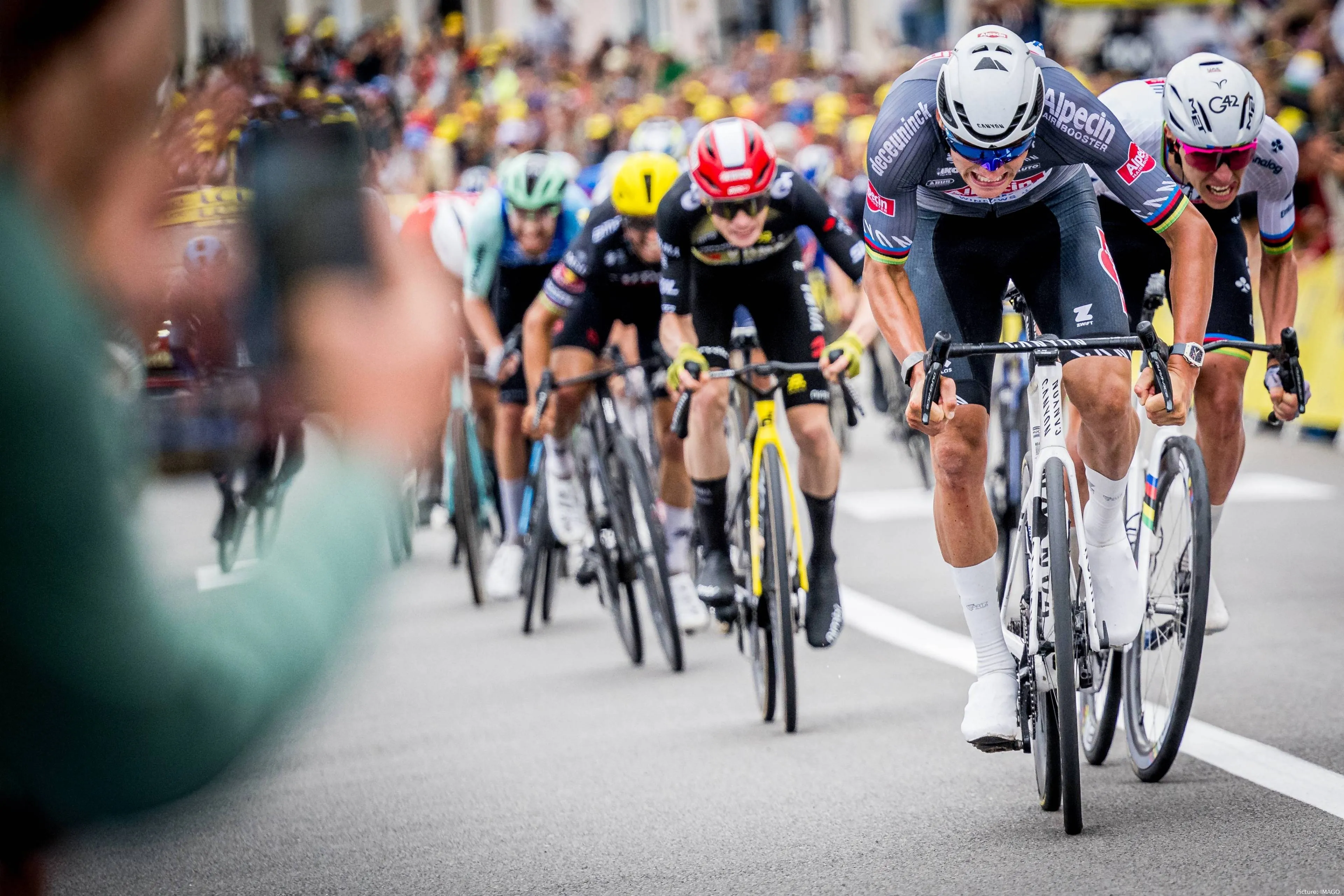
Getting into cycling is as exciting as it is demanding. The bike opens the door to a complete outdoor sport with multiple physical and mental benefits, but it also poses challenges for those who start riding regularly for the first time. Lack of experience, excess enthusiasm, or simple inexperience can lead to mistakes that affect enjoyment, performance, and, in some cases, safety.
Many of these mistakes are common among new riders and repeat generation after generation. Spotting them early helps you progress more comfortably, avoid unnecessary frustration, and build a solid base to grow from. Here are ten of the most frequent beginner cycling mistakes and the keys to why you should avoid them in tips from the experts at GCN en Español.
1. Choosing a saddle just for how it looks
One of the first things that draws the eye when you start riding is the saddle. Whether you are a novice or a pro rider at the Tour de France, comfort is key on the bike. Not being used to spending time on it, it’s easy to think that the bigger and softer it is, the more comfortable it will be. That assumption often leads to the wrong choice.
Overly wide or soft saddles can cause more discomfort in the medium and long term, leading to chafing, poor posture, and loss of pedaling efficiency. Every rider’s anatomy is different and there are models designed to match that variety. A harder-looking saddle can potentially be far more suitable if it fits your body structure and the way you plan to use the bike.
2. Not eating or drinking enough during the ride
Cycling allows something unusual compared to other sports: you can fuel while you’re doing it. Even so, many beginners underestimate on-ride nutrition, especially on long or demanding routes.
Not taking on food and drink regularly can trigger a sudden energy crash, with weakness, dizziness, or loss of focus. A good rule is to eat something roughly every hour, even before you feel hungry. Fruit, bars, gels, or homemade options all work, always backed up by steady hydration.
3. Riding without basic spares and tools
Another frequent mistake is heading out without the minimum kit to fix simple mechanicals. A puncture, a loose bolt, or a small misalignment can ruin a ride if you don’t have the right tools.
A spare tube, tire levers, a pump or CO₂ cartridges, and a multi-tool take up little space and can save you from walking home or calling for help. Learning basic repairs is part of getting started and gives you autonomy and peace of mind on the road.
4. Ignoring the wind when planning the route
Wind has a decisive impact on effort on the bike, even if it’s not obvious at the start. With a tailwind, the sensation can be deceptive and tempt you into riding harder than you should.
The problem comes when you turn and find a headwind, with your energy already spent. Planning your loop with wind direction in mind helps you manage your effort, tackling the tougher sections early and saving an easier run-in for the finish.

5. Skipping sunscreen
Prolonged sun exposure is a constant in cycling, even on cloudy days or in moderate temperatures. Yet many new riders forget to apply sunscreen before heading out.
The most exposed areas—arms, legs, face, ears, and nape—are especially vulnerable. Some cycling apparel is very thin and doesn’t always block UV rays. Regular use of sunscreen helps prevent burns and other skin issues caused by continuous exposure.
6. Misadjusted saddle position
Beyond the saddle model, its setup is crucial and often overlooked. The wrong height, or a saddle too far forward or back, can cause discomfort, reduce pedalling efficiency, and even lead to injury.
There are simple ways to get close to a good starting height, such as checking leg extension with the crank at the bottom and your heel on the pedal. From there, small tweaks can make a big difference. If in doubt, advice from a specialist or an experienced rider is especially helpful.
7. Not practising with clipless pedals first
Switching to clipless pedals is common in road cycling, but using them requires an adaptation period. The classic mistake is debuting them on the open road or in a group without prior practice.
Although unclipping is simple, at low speed or when stopping it can fail through lack of habit, causing avoidable tumbles. Practise in a safe setting, such as on soft ground or in a quiet area, to automate the movement and build confidence before more demanding situations.
8. Constantly comparing yourself to other riders
Comparison is a common temptation, particularly with access to data such as average speed or other riders’ pace. For newcomers, it can create unnecessary pressure and a distorted sense of progress.
Everyone starts from a different place, with more or less time to train and varying fitness levels. Focusing on your own development and consistency is more productive than trying to match someone else’s numbers from day one.
9. Wearing underwear under your bib shorts
One of the most repeated beginner errors is wearing underwear under bib shorts. It may seem more hygienic or comfortable, but it does the opposite.
Bib shorts are designed to be worn directly against the skin, with a chamois that wicks sweat and reduces friction. Adding a layer increases rubbing and can cause significant irritation and discomfort on the bike.
10. Wearing your helmet incorrectly
The helmet is a key safety item, but it only works if it’s properly fitted. Surprisingly, it’s not unusual to see beginners with the helmet backwards or poorly adjusted.
The retention system should sit correctly at the back of the head and the straps should be snug. A poorly worn helmet doesn’t just look sloppy; it significantly reduces protection in a crash.
Read also
claps 0visitors 0
Just in

Popular news
Latest comments
- not sure what you mean
 ChillingCyclist01-02-2026
 - Yeah, that's the way the world goes i am afraid. "Producing" "content" where there ain't content at all Edit: that's content creators the world is full with, not content producers. Just shows how disengaged old people areBM01-02-2026
- Too bad she lost her nervesChillingCyclist01-02-2026
- Marion Norbert-Riberolle was an embarrassment to Belgium with her DSQonegear2901-02-2026
- Marion Norbert-Riberolle was an embarrassment to Belgium with her DSQonegear2901-02-2026
- Marion Norbert-Riberolle was an embarrassment to Belgium with her DSQonegear2901-02-2026
- Marion Norbert-Riberolle was an embarrassment to Belgium with her DSQonegear2901-02-2026
- Remco doesn’t train in Belgium that much. He’s in Spain all the timemij01-02-2026
- Some silly stuff here, how do WVA & Remco train in Belgium then? Sure he gets a game of golf in there once in a while, keeps the Lambo and the gf serviced and has screen time. He’s no monk and not the only one taking training ultra serious, just more talented.Jumpyjohn01-02-2026
- So not the video with the focusing on his speed?Jumpyjohn01-02-2026
Loading
Write a comment