“That day can come” - Stefan Kung believes the day he can beat Pogacar and van der Poel may come
Cycling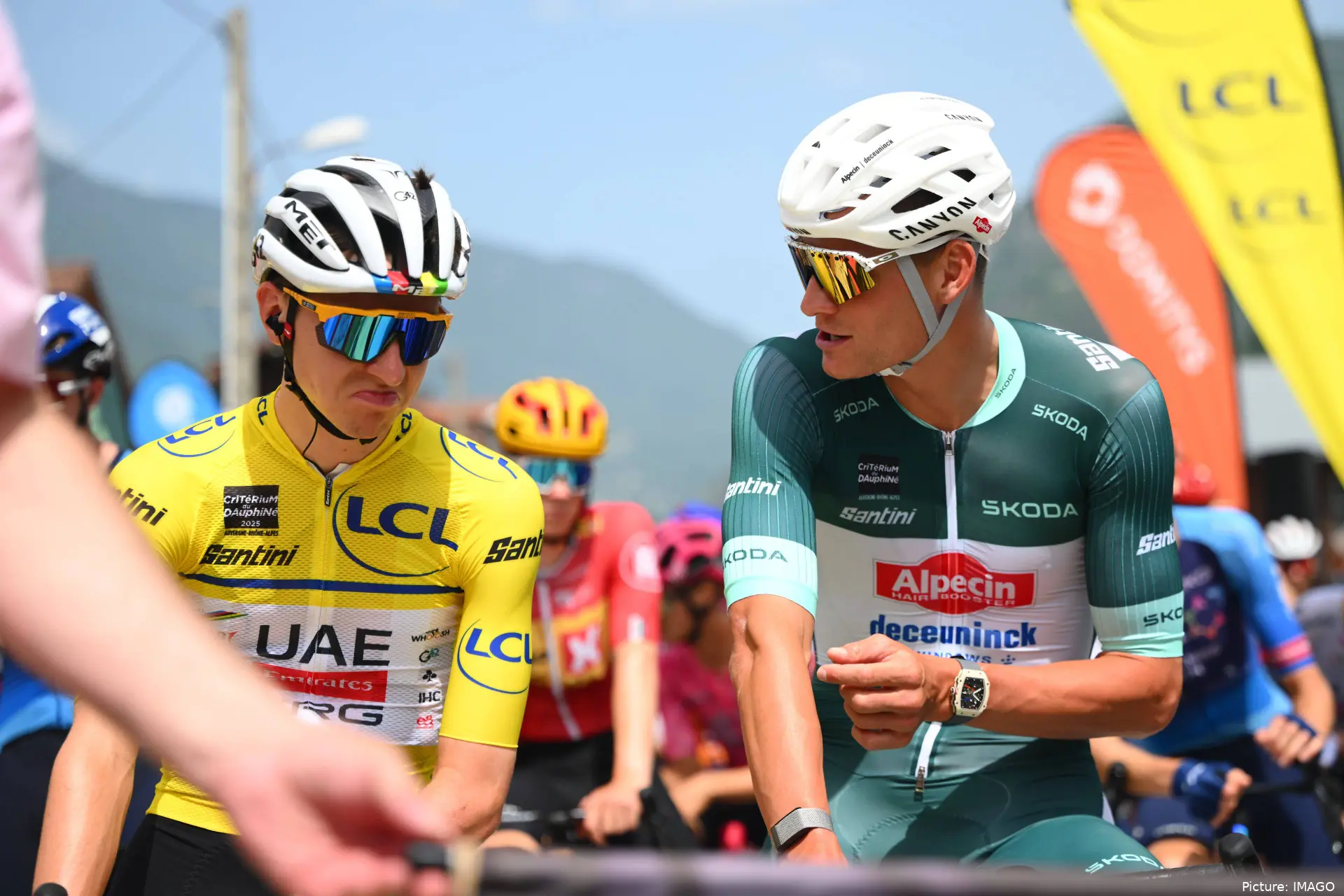
Stefan Küng will wear the black and red of Tudor Pro Cycling for the first time this week at the Challenge Mallorca. Convinced that a change of team can help him make the final step, the Swiss opens this new chapter aiming to go toe to toe with Tadej Pogacar and Mathieu van der Poel to fight for victory in the cobbled Monuments.
The Swiss will test his condition on Mallorcan roads before leading his new team in the team time trial at the Trofeo Ses Salines. At 32, and after eleven WorldTour seasons, Küng embarks on a new adventure having raced only for BMC and Groupama - FDJ, signing a three-year deal with Tudor with a clear target: finally win a Monument.
“At the end of the 2024 season I knew it would be my last year with Groupama - FDJ. It wasn’t a decision against the team, but the need for a change, to find a new challenge,” Küng explained during Tudor’s recent camp in Spain to Cyclingnews. The Swiss underlined the value of leaving his comfort zone after many years in the same environment: “Sometimes, something new can make you better. You need a setting that pushes you. I wanted people around me to ask hard questions and to try something different.”
Although joining Tudor may look logical given his nationality, Küng made clear that wasn’t decisive. “Being a Swiss team wasn’t on my list of pros and cons. There are nine Swiss riders, but it’s a very international squad and, above all, very ambitious. It’s young, with positive momentum and everyone looking up.”
Read also
TT cornerstone
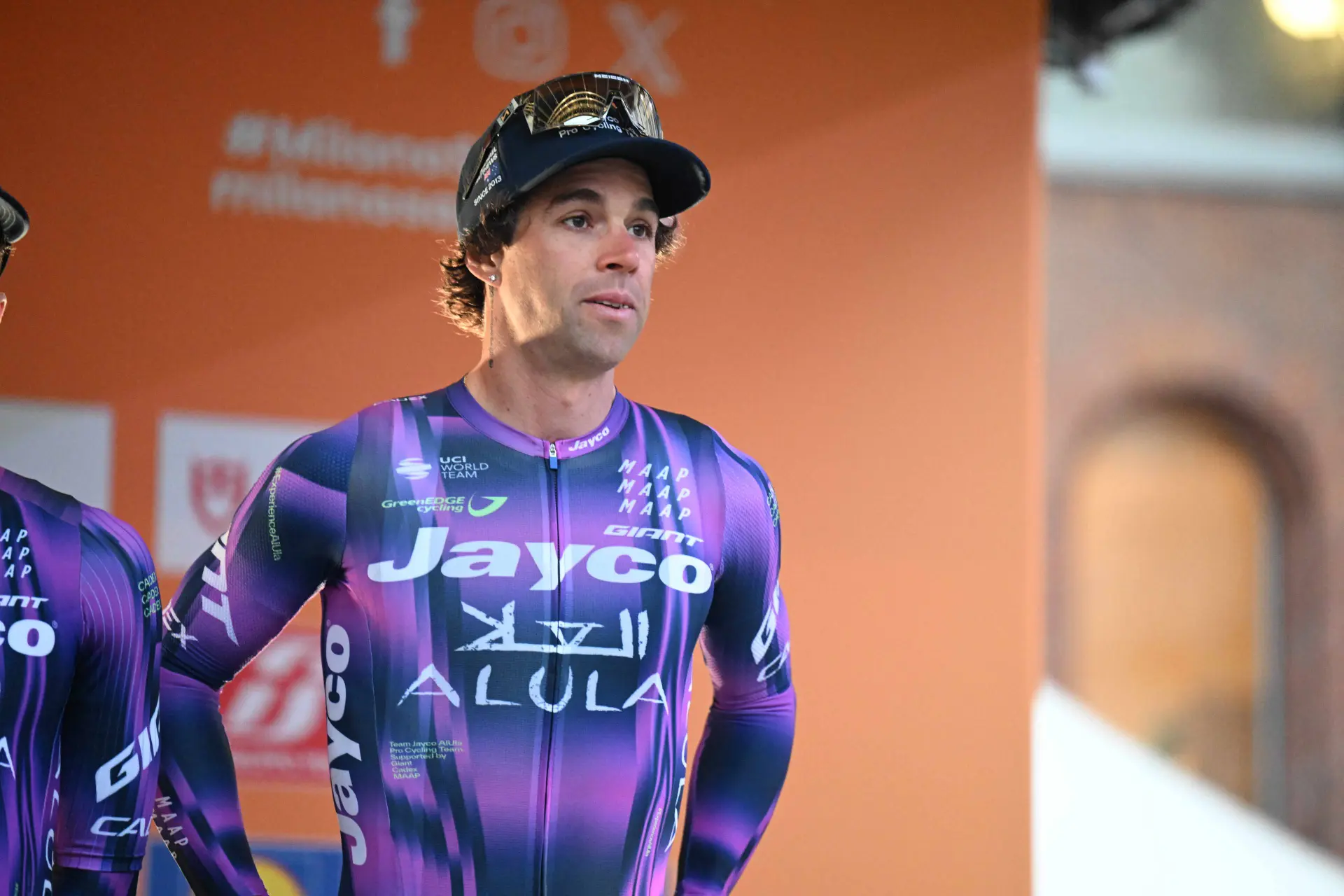
A specialist against the clock, Küng has a key role in Tudor’s technical development, working closely with sponsors such as BMC and Sportful to optimise time trial equipment. His wind-tunnel experience will also be crucial for teammates like Michael Storer, focused on the Giro d’Italia GC, and for the team in targets such as the Tour de France’s opening team time trial in Barcelona.
“The goal is the process,” Küng summed up. “If we make the Top 5 in the Tour’s time trial, it would be a big success. Then you can aim for the Top 3 and keep growing. If you turn a race into a project, the outcome is never a failure: it’s the process that makes you learn and move forward.”
Küng is the leader Tudor lacked for the 2025 Classics. He will share responsibility with riders such as Matteo Trentin, new signing Luca Mozzato, Marco Haller, and Marius Mayrhofer; allowing Julian Alaphilippe and Marc Hirschi to focus on the Ardennes.
Though Tudor is a ProTeam, it has automatic invitations to all WorldTour events in 2026 and plans to race all three Grand Tours and the major Classics. Küng will return to Omloop Het Nieuwsblad at the end of February and, after an altitude camp, tackle a demanding cobbled block in April.
His recent record backs that ambition: six Top 10s in cobbled Monuments over the past four years, including third at Paris–Roubaix 2022 and two further Top 5s on the pavé of northern France.

Stefan Küng is one of the best classics riders in the world
Belief against the dominant forces
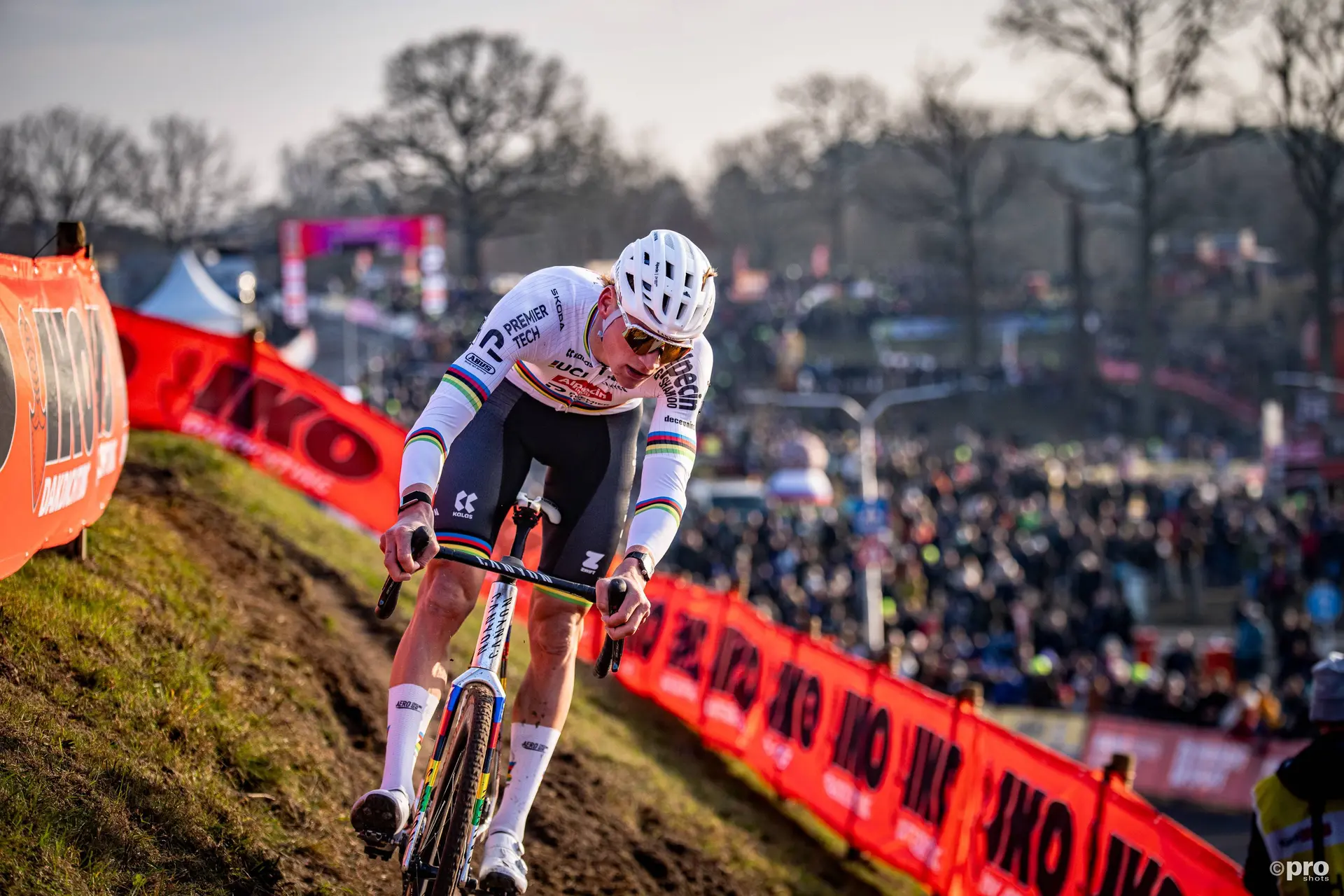
Despite the dominance of riders like Pogacar and Mathieu van der Poel, Küng’s belief in his chances remains intact. “Maybe results-wise it wasn’t my best Classics campaign in 2025, but at Omloop I was closer than ever and they caught me under the flamme rouge,” he recalled.
“The odds are against me: nine times out of ten Tadej and Mathieu will be better, but I believe that day, that one time, can come. In the Classics you never know how the race will unfold. That’s what makes them so special. You just need one opportunity and it can change your career.”
The presence of Pogacar and Van der Poel has reshaped the Classics, just as aerodynamics, performance, and nutrition have transformed cycling. Küng believes that evolution suits him: “If you look at average speeds compared to ten years ago, we’re two or three kilometers per hour faster. It’s the result of equipment, rider level, altitude training, and nutrition.”
The Swiss reflects on how habits have changed: “When I turned pro, carbohydrates were the enemy. Today it’s the opposite: you eat as many as you can.” That advance has made the Classics harder, with racing kicking off more than 150 kilometres from the line. “It makes them more intense, but it also suits me when the race is hard from far out and it all comes down to endurance.”
While Pogacar and Van der Poel can strike decisive blows on iconic ramps such as the Oude Kwaremont or Carrefour de l’Arbre, Küng trusts his ability to absorb damage beforehand. “Maybe I tire a little less than others. I’m better when the race is hard from afar. After the seventh or eighth big acceleration I can still go. Cycling’s evolution has worked in my favour,” he concluded.
claps 2visitors 1
Just in
Popular news
Latest comments
- The article makes it sound like a great thing and something to be applauded. The reality is is gives the Americans another 6 years to fleece European cycling fans or force them to hunt around Europe with VPN’s for free feeds. Not something to be celebrated in my book. Before someone points out that coverage of this depth costs money, yes, I agree but not £30+ per month a fee I will wager will gradually increase now this deal has been cemented.Paul53119-10-2026
- Great. Thrilled. (Satire) Oh, how I miss the days of GCN. Still wear my GCN hoodie with pride.anonymouscyclist19-10-2026
- You could also look at it another way. How many riders have had better or more consistent results since the Tour?Jumpyjohn19-10-2026
- Whilst I love Tadej (and Remco, who deserves to be mentioned here, too), @JumpyJohn makes a valid point, and he isn’t wrong @MajorPayne. It is a fact that today’s official broadcasters of cycling struggle to keep our attention once the likes of Tadej (or Remco) attacks at ~80km or so. In the 142nd issue of Rouleur, Ned Boulting reflects on the often stressful paradox of commentating on a race that is effectively over before the broadcast window even hits its stride. In this edition, he centres on Remco’s 1hr solo at the Challenge Mallorca this year, and captures the panic and dread shared by the commentators when a dominant rider kills off the racing tension early. I recommend you read it, it’s a fascinating insight into the world of commentary, and the true viewing figures of today’s cycling. I must add here, I love Tadej and Remco, but I would be lying if my heart rate wasn’t higher when watching the World Championships this year. And I’m sure Rob Hatch would say something akin regarding his commentary!anonymouscyclist19-10-2026
- The shattered women’s marathon record was clean and highly surprising and then a few months later the athlete was very positive in another test for something not taken by mistake when recording far less impressive results. Sounds to me like the problem is still the age old one, detection is often way behind. Just like with crime, it’s not because you can’t catch the criminals that you aren’t aware of the crime.Jumpyjohn19-10-2026
- Listen, you have a point but on the other hand in cycling, once some of the riders go solo and build a minute’s gap, there’s hardly any action left to watch. Cycling is definitely not for today’s generations of accelerated viewing. Other people find skydiving or chess exciting but you can’t force everyone to feel the same.Jumpyjohn19-10-2026
- That’s a funny one. Yeah obviously he’s more aero than some but most of the aero effect at elite level is the bike. Now you have me starting to feel sorry for the guy behind him when he pulls a groupetto.Jumpyjohn19-10-2026
- Knew a World Tour promotion was coming for Ben this season. Thrilled for him, and can't wait to see what he can do at this level. Another one to watch at the TTs.anonymouscyclist19-10-2026
- It honestly breaks my heart to see this. I had a feeling this might happen over the last few years, but I kept praying it wouldn't, and that Joey would find his niche, especially back racing alongside his brother. After growing up racing alongside PH-MAS, the Pidcock brothers have always felt like one of our own, as we’ve watched them grow from Club level all the way up to PC and WT. I wish Joey nothing but the best of luck in whatever he does next, but selfishly… I do wish for him to move into the role of Q36.5 team staff.anonymouscyclist19-10-2026
- Predictable, sure! But boring??? OMG! Was Mike Tyson predictable and boring in his prime? Air Jordan? Schumacher or Senna? OMG!!!MajorPayne19-10-2026
Loading
1 Comments