“Tadej normally loses less than 1%” - UAE performance chief reveals frightening reason Pogacar can still attack when rivals fade
Cycling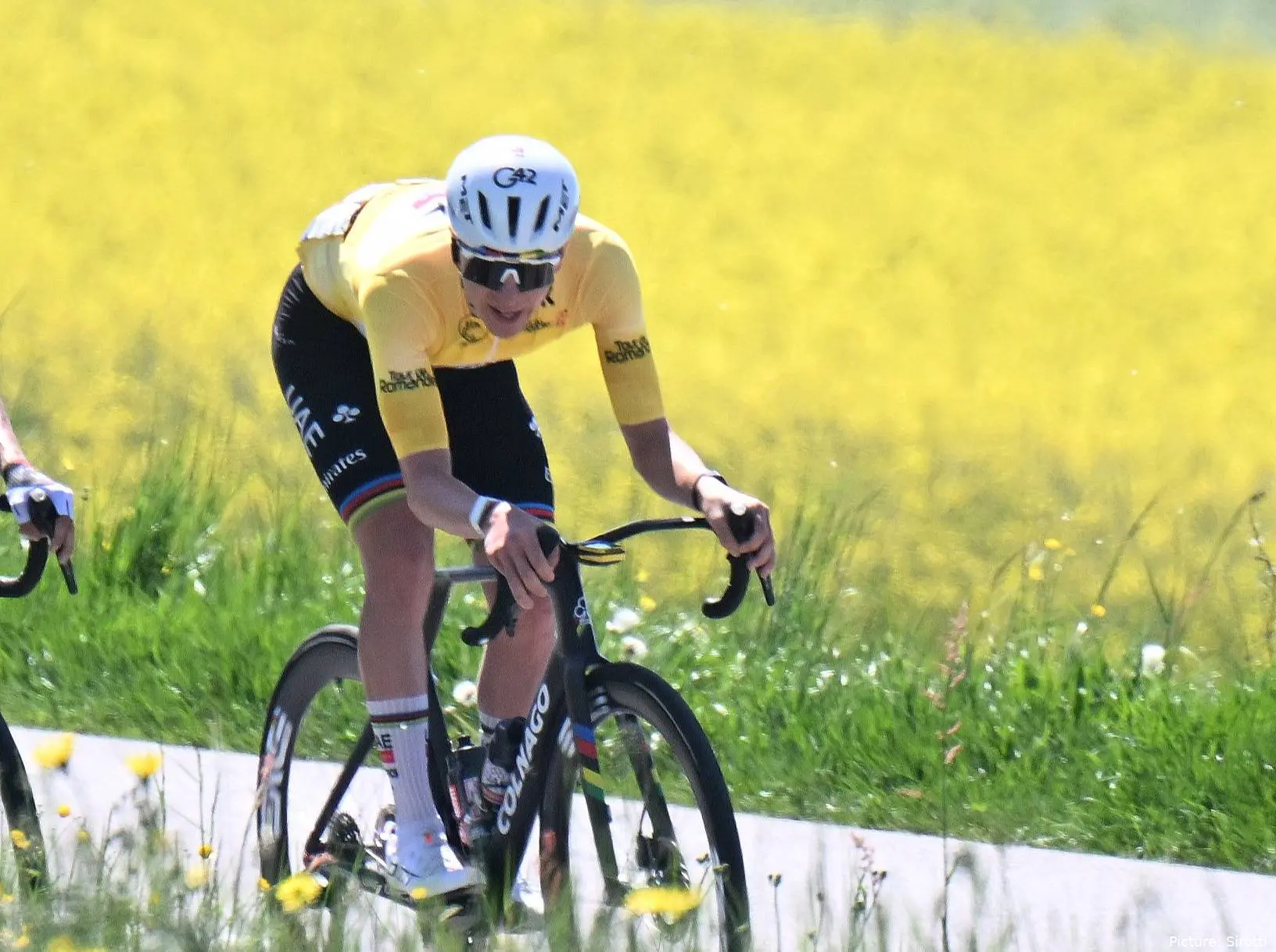
Tadej Pogacar’s most damaging Tour de France attacks often come when everyone else should be running out of road, legs and oxygen. For UAE Team Emirates – XRG, that ability is not being treated as mystery or instinct alone.
Ahead of Pogacar’s bid for a fifth yellow jersey, UAE head of performance Jeroen Swart has offered a rare look at the physical trait behind the Slovenian’s late-race destruction. It comes down to durability: the ability to keep producing close to maximum power after a long, brutal workload.
The number behind Pogacar’s late attacks
In a detailed interview with CyclingNews, Swart explained why Pogacar can still launch and sustain those long-range attacks after the kind of mountain stages that strip most riders back from their best level.
“Tadej normally loses less than 1% of his fresh performance despite having done 4,500 kilojoules of work, which is why he's able to do these long attacks late in a race and get away and stay away,” said Swart. “Other riders are starting to have that fatigue and that's one of his key attributes, his ability to have exceptional durability at a very high workload. In Tadej's case, his durability is exceptional.”
From 2022 weakness to Tour-winning weapon
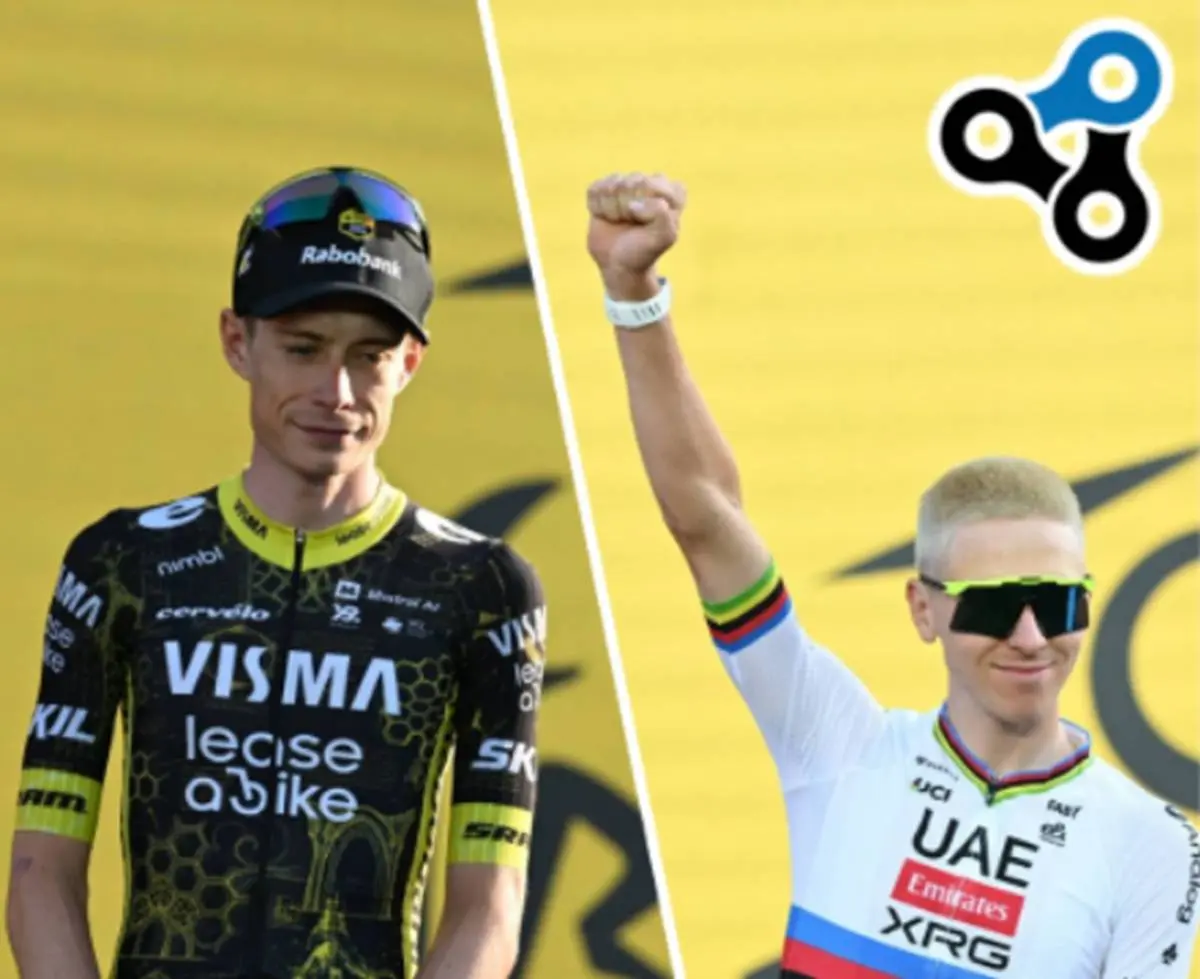
One of Pogacar’s most famous Tour defeats came on exactly the kind of day Swart is describing. In 2022, Jonas Vingegaard and Team Visma | Lease a Bike broke the race on the Col du Granon after a huge mountain stage, turning Pogacar’s aura of control into visible vulnerability.
Swart pointed directly to that stage when explaining how Pogacar’s durability has changed. “Previously, that was a weakness of Tadej,” he said. “When he lost the Tour de France in 2022, that was on a stage that exceeded 4,200 kilojoules of energy expenditure. So one thing that the strength work does is it maintains the ability of muscles to perform.”
The old blueprint was to make the day long, hard and chaotic, then see whether Pogacar could still respond when the race reached the final climb. In Swart’s telling, UAE have spent years working on the exact point where the Tour slipped away in 2022.
Why torque work matters late in the stage
The training detail behind that shift is not only about producing a sharper acceleration in the moment. Swart said UAE have used low-cadence torque work and strength training to help Pogacar keep his power available deep into the hardest stages, when repeated climbs and attacks have already emptied much of the field.
“If you lift heavy weights and then have to lift a very light weight repeatedly, your ability to lift that light weight repeatedly will be enhanced compared to if you hadn't lifted heavy weights in the first place,” he explained. “If you have some extra strength in those muscles, then you can harness that strength late in a race or late in a stage, and that improves the durability, the ability to perform close to your fresh level.”

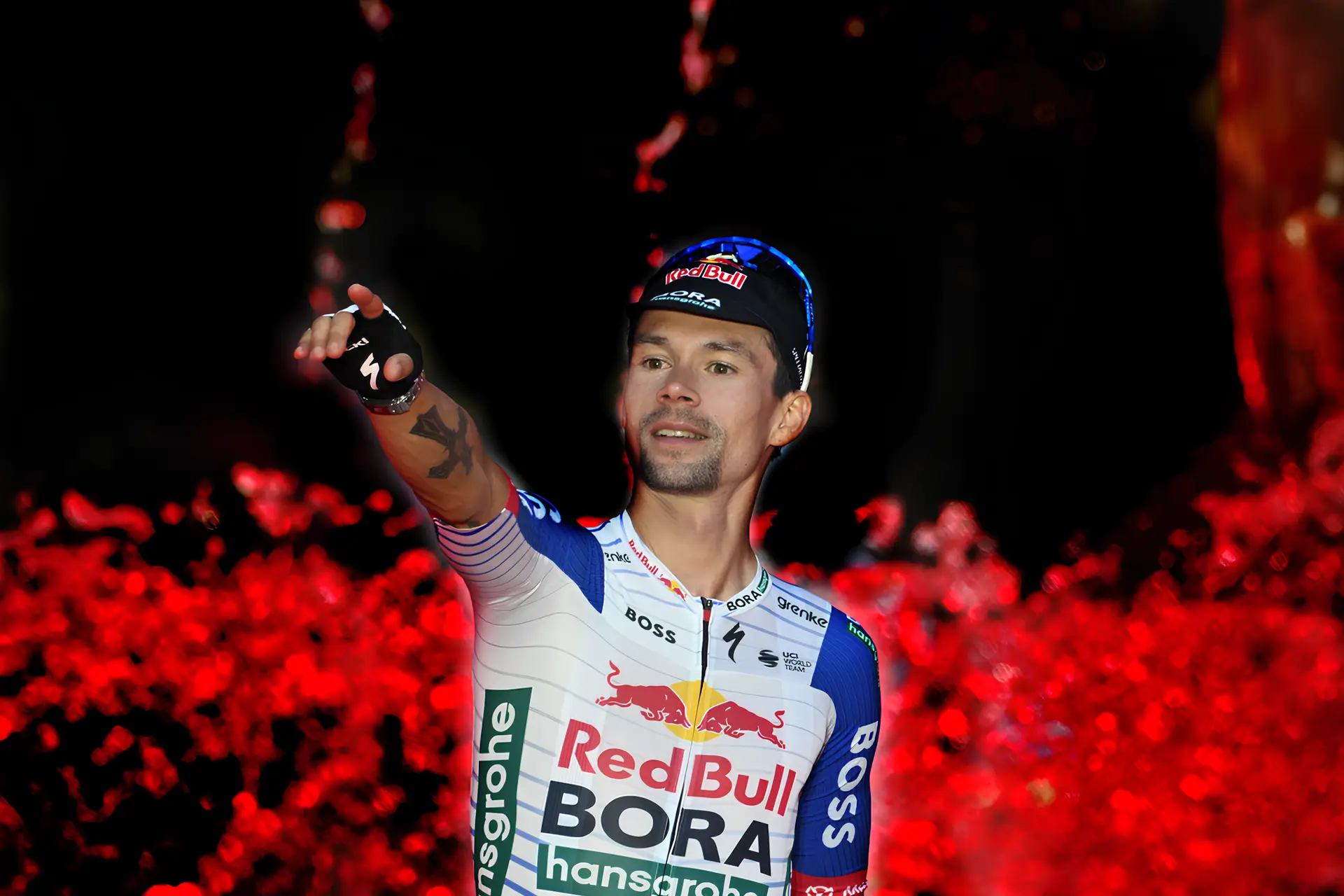
Tadej Pogacar at the 2026 Tour de France team presentation
Fuel, fatigue and the final climb
Swart also pointed to fuelling as one of the major areas where modern performance has shifted. While most teams have moved towards far higher carbohydrate intake, he stressed that taking in more energy only matters if the body has been trained to use it properly. “You have to train the guts to absorb it,” he said, explaining that glucose and fructose absorption can both be trained and increased.
According to Swart, newer drink mixes with a changed glucose-to-fructose ratio have allowed riders to reach “110 to 120 grams an hour”, while lactate is also becoming part of the conversation as an additional fuel source.
“Fueling has become a huge factor in terms of the enhancement in performance that we've seen,” he said. “It's really a big change that's happened in the last 5 years, and we can't underestimate that contribution to the performances that we've seen.”
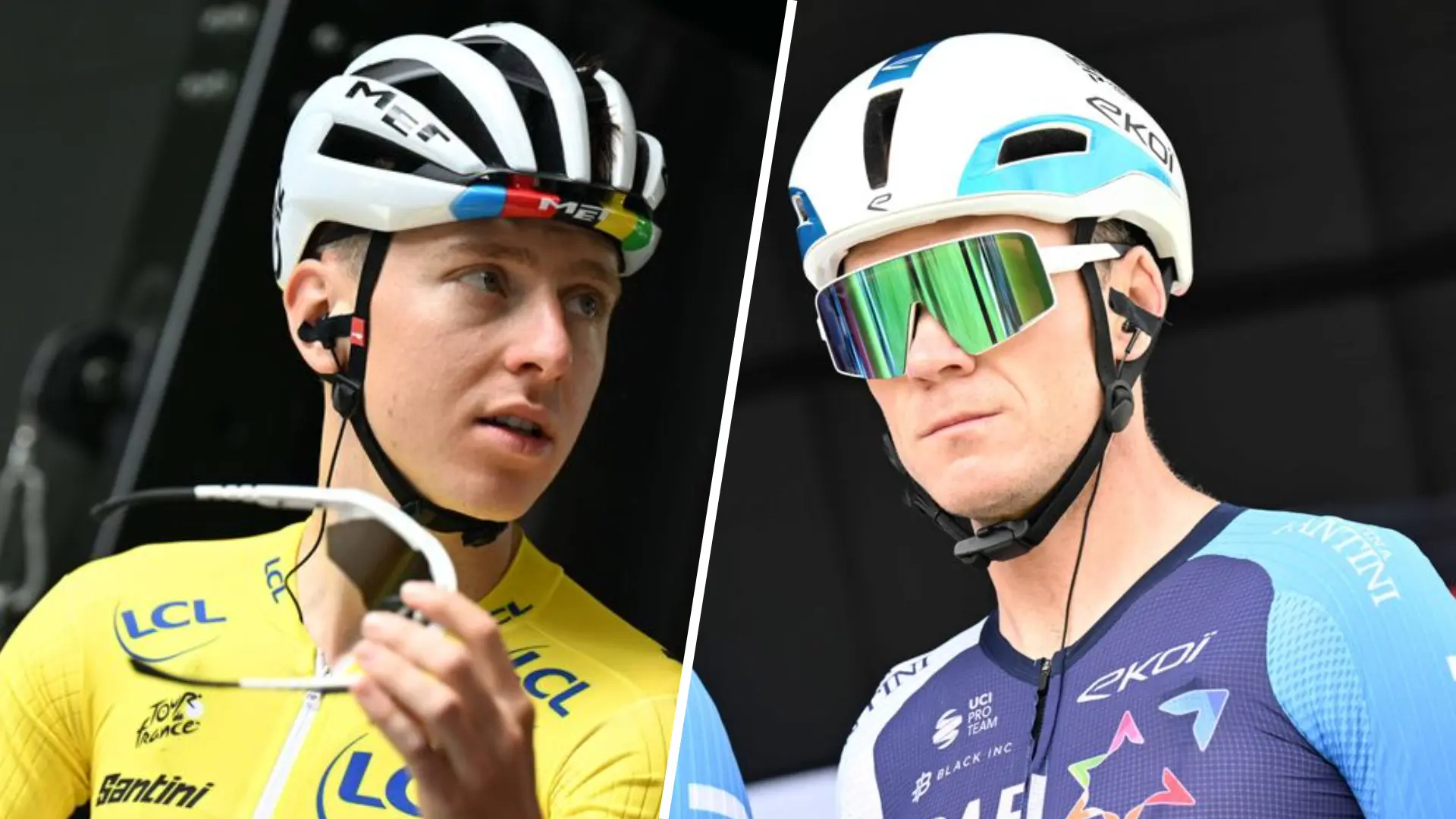
Pogacar’s attacks do not only hurt because of the watts he can produce fresh. They hurt because he can still find close to that level after 4,000 or 4,500 kilojoules, on the final climb, when others are already starting to pay for the day.
Vingegaard, Remco Evenepoel, Florian Lipowitz, Paul Seixas and the rest of the GC field will still search for days hard enough to test him. The stage that broke Pogacar in 2022 now sits inside UAE’s explanation for why he keeps riding away.

Kieran WoodDeputy Editor-in-Chief
Kieran Wood is a sports journalist based in Wales and has been active in journalism since 2022. He regularly contributes to DartsNews.com and CyclingUpToDate.com, where he covers professional cycling and darts. In cycling, his work includes liveblogs from major races, including the Tour de France, the Giro d’Italia, and La Vuelta a España, alongside race reports and analysis. He has also conducted interviews with professional riders.
His reporting spans the full racing calendar, from one-day classics to stage races, with a focus on accurate, real-time coverage and clear contextual analysis. For statistics, results, and historical context, he regularly uses resources such as ProCyclingStats. To support reporting on rider activity and training context where relevant, he also references Strava.
In his work, Kieran places strong emphasis on careful sourcing, editorial accuracy, and updating articles as new, verified information becomes available.
claps 0visitors 0
Just in

Popular news
Latest comments
- How broke is visma now? wtf they cant even fight moviestar and decathlon for riders and lose both their mid targets based on their budget and they cant even get those? Crazy...:/miguel13-10-2026
- TT But he won by a minute so he could have cut down on some of it
 Rafionain-Glas13-10-2026
 - weight is measurable. power is measurable. So why didn't he prepare that way from the TDF if he wanted to beat Pogi and after Pogi wasn't going to be there, to win.abstractengineer13-10-2026
- I hope Thibau and Tibor don't do the sameRafionain-Glas13-10-2026
- Seixas is exactly what I would like Pogi to be mentally and in his statements. Both come across as shy and who don't talk much but with Seixas, you can see that he enjoys success, that it boosts his ego, unlike Pogačar who seems to feel increasingly uncomfortable the more he wins. He's won so many times, people are saying he's boring. The french media hate him for winning so much, the french cycling fans are booing him... etc. etc. But remember one thing, Seixas will never physically reach Pogi's level. He's excellent, but he isn't at that level nor will ever be. His talking to the media, his relationship with people is already at a high level.PogiSloFans13-10-2026
- Paul Seixas is now the second-best rider in the world.megasmacky13-10-2026
- When will they start dropping Pogi? Oh yeah, when Pogi reaches 40+ years, that's when young cyclists will start dropping him. But until then... eat your hearts out and cry. Pogi will remain the G.O.A.T. for years to come. Capish?PogiSloFans13-10-2026
- I figure he would have found out how to outsprint Paul and take the win, maybe. He's 28 now but I would say he's right at the peak of his powers. It was great race though, Paul showed me something different about himself.awp13-10-2026
- Slowly, very slowly... 5-7 yrs. ;)MajorPayne13-10-2026
- Up to this point: "It is just not yet at the level of Vingegaard and Pogacar." First Jonas, and then level of Tadej. Period!MajorPayne13-10-2026
Loading
Write a comment