“Roglic, Lipowitz and Remco all want to win the Tour de France” – Alberto Contador urges Red Bull to play the numbers game against Tadej Pogacar
Cycling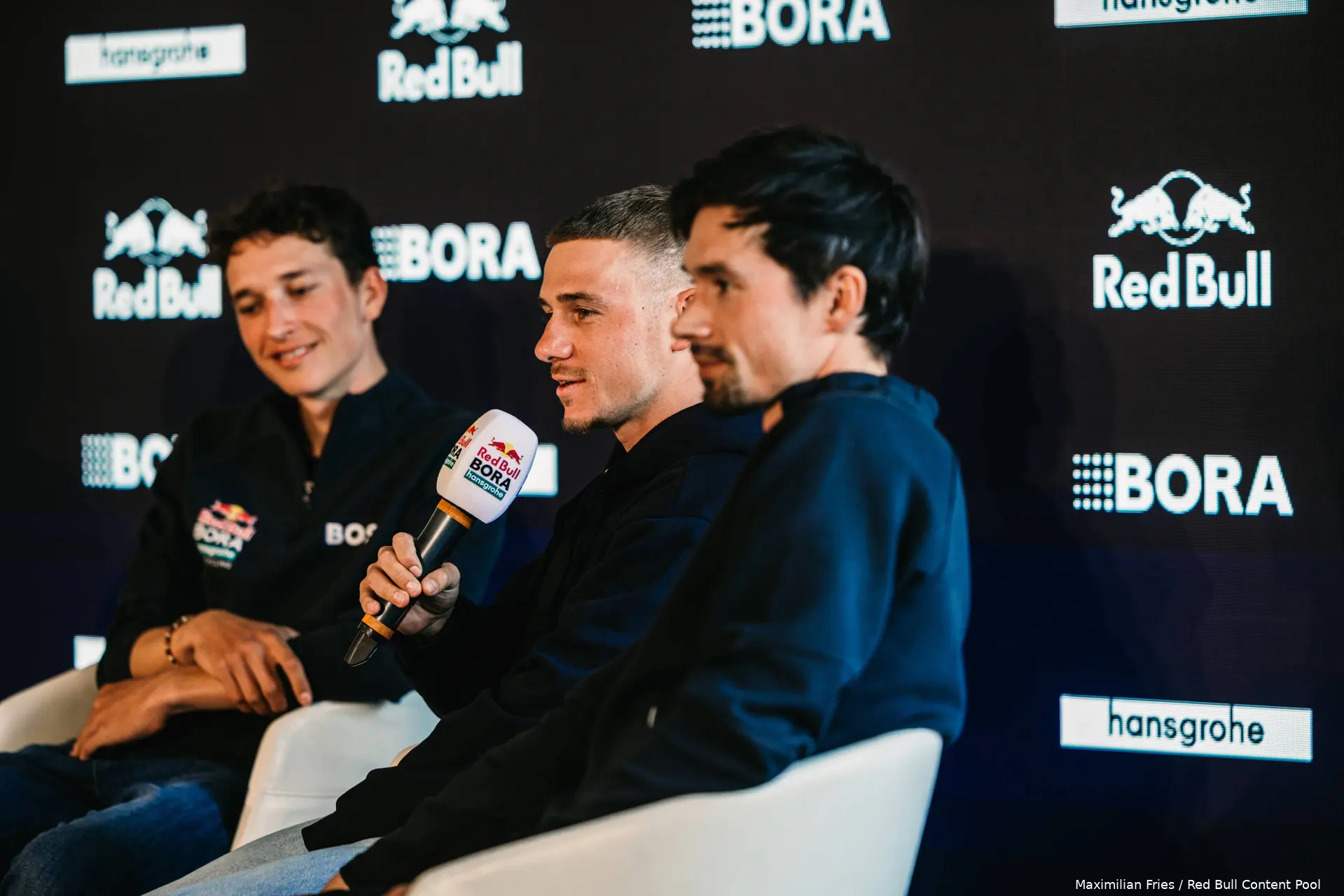
Beating Tadej Pogacar is no longer about finding one perfect rival. It is about creating problems he cannot solve alone.
That is the logic Alberto Contador believes Red Bull - BORA - hansgrohe must follow if they want to turn ambition into yellow. Speaking in conversation with Sporza at Velofollies, the two-time Tour de France winner made clear that their greatest weapon is not a single leader, but the tension between several.
“Roglic, Lipowitz and Remco all want to win the Tour. All three have already stood on the podium,” Contador said.
That line is not about ego. It is about leverage.
Why numbers matter more than stars
In recent Tours, Pogacar has often been the strongest rider in the race. But he has also benefited from clarity: one main rival, one main plan to break. Red Bull’s structure threatens that simplicity.
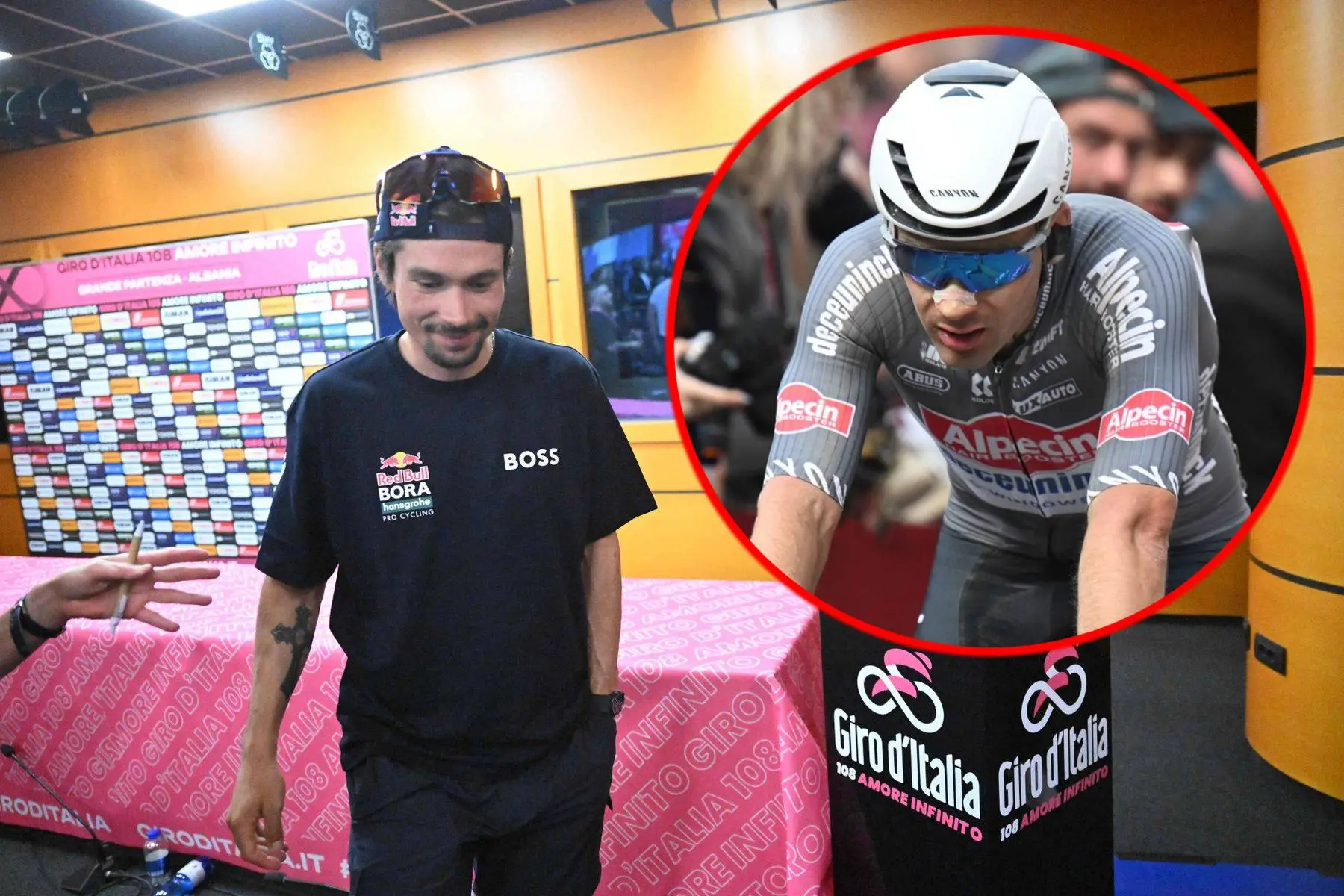
With Primoz Roglic, Florian Lipowitz and Remco Evenepoel all capable of riding into Paris near the top, the team can attack from multiple directions, at different moments, with different risk profiles.
Contador laid out the basic idea: “They have to play with their options. Roglic can take risks, Remco and Lipowitz will stay in the wheel. But if they lose time, they can change tactics.”
That is not a single strategy. It is a moving one.
Instead of defending one leader, Red Bull can force Pogacar to respond to several types of threat. Long-range moves. Short, explosive attacks. Steady pressure through numbers. Each one forces a different response.
Where Evenepoel fits in that picture
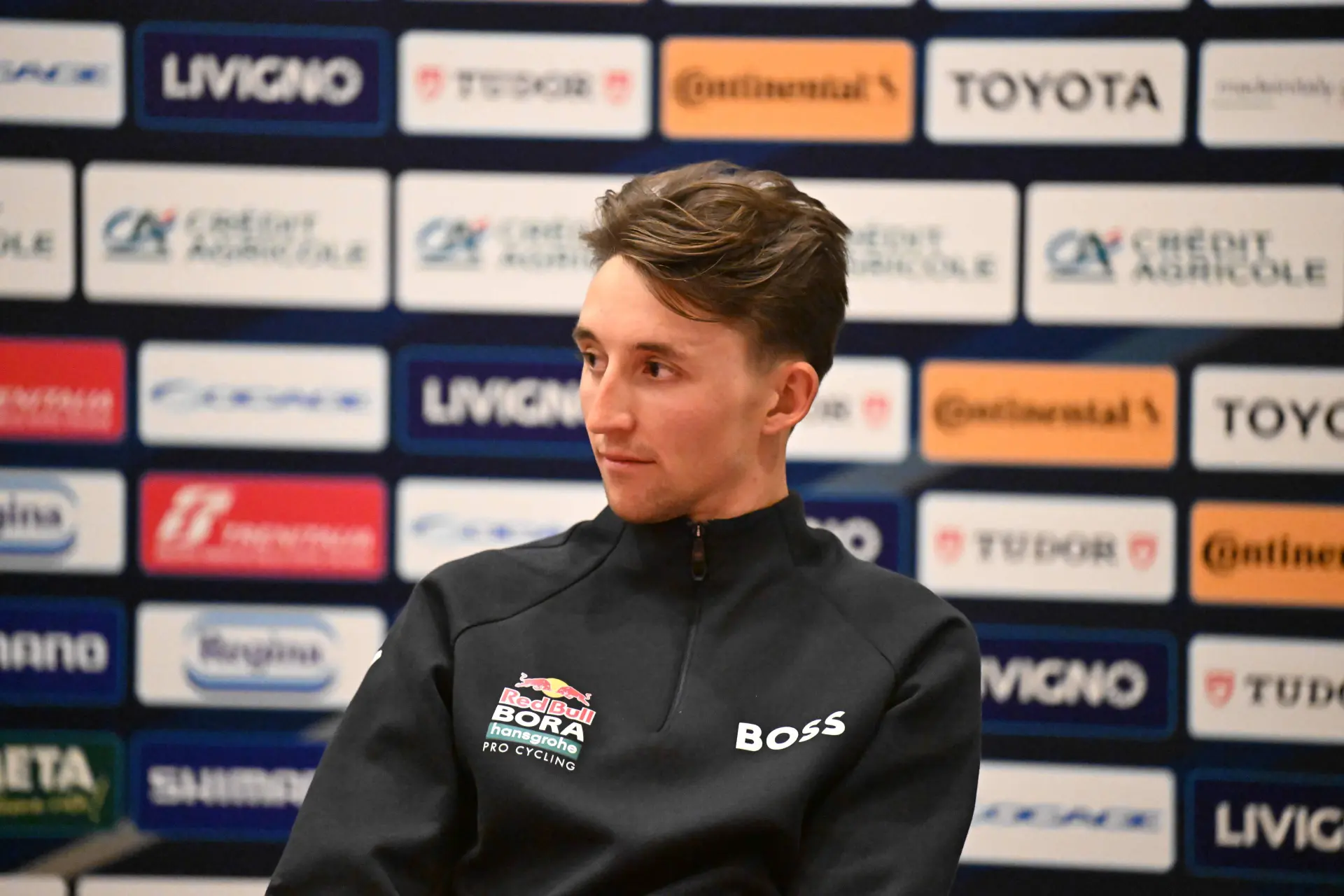
Evenepoel did not move to Red Bull to become “the” leader. He moved to become a better one.
As Contador put it: “He has switched to a very good team, one that has everything in house.” He pointed to the environment around him, naming Roglic, Lipowitz, Hindley and Vlasov, and added that the team has “the right people to help Remco improve on the long climbs.”
That matters because Evenepoel’s Tour ambition has always been conditional. Not about whether he can win stages or time trials, but whether he can repeat high-mountain performances day after day.
Contador framed it as the real test: “We will see what Remco’s level is if he improves even more. Can he stay at the top every day in a Grand Tour with stages that have two or three big climbs?”
Inside Red Bull’s multi-leader system, Evenepoel does not have to answer that question alone. He can grow into it while still being part of the wider tactical machine.
Not too many leaders, but the right kind
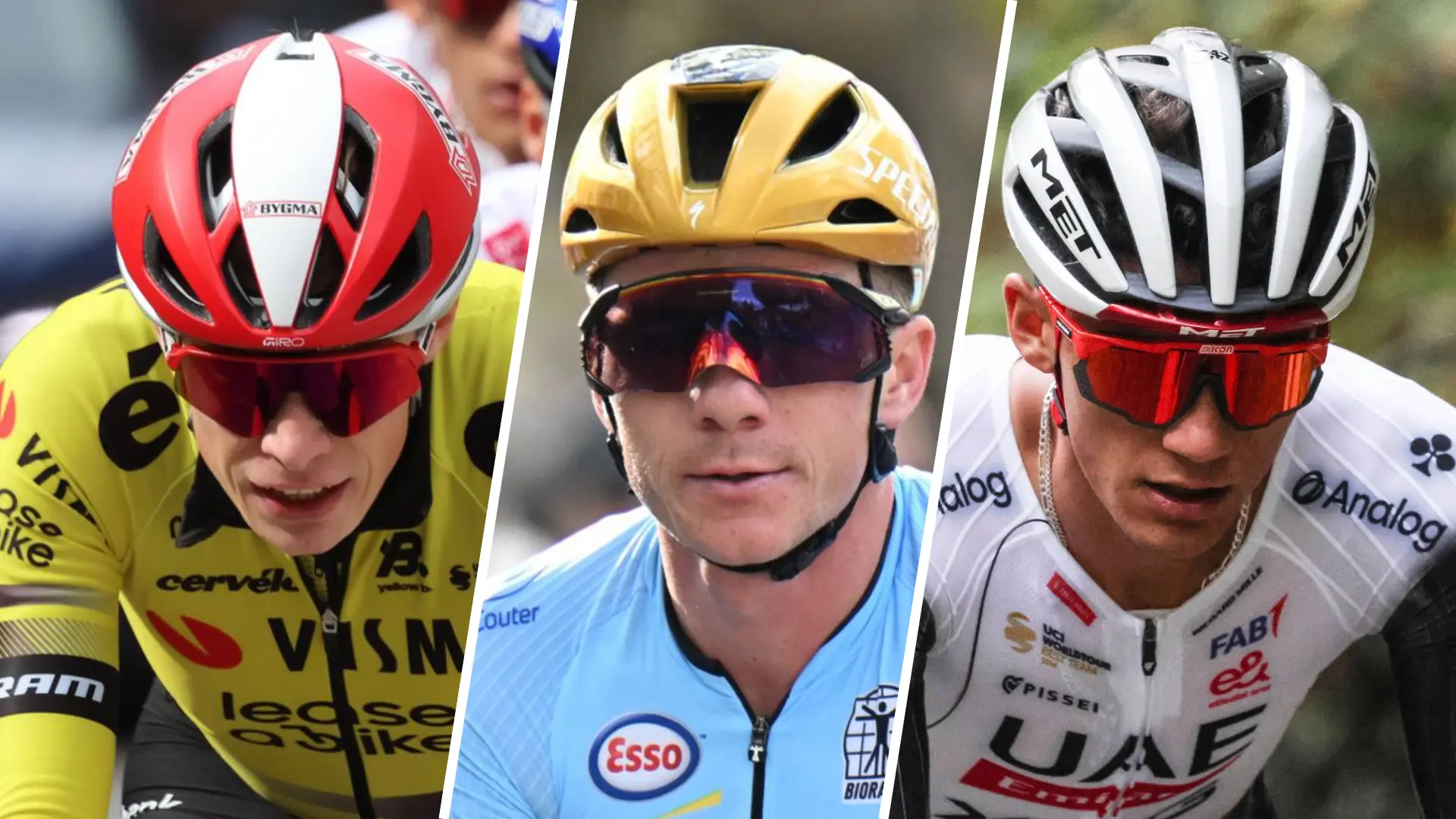
Contador has lived through genuine leadership conflicts, most famously when Lance Armstrong returned to Astana. But he sees Red Bull’s situation as fundamentally different. “In my case, Armstrong had already won the Tour and came back to win it again. I had just won the Tour. But only one of us could take the overall victory, so that was difficult.”
Red Bull’s trio are aligned in ambition, not in hierarchy. None is returning to reclaim an old throne. All are still chasing the same one.
What makes that workable, in Contador’s view, is modern certainty. “You can see their values for the Tour. You can make a decision with much more certainty than 10 or 15 years ago.”
That allows Red Bull to adapt leadership as form changes, without burning the season on one early choice.
The Pogacar problem
Contador does not pretend that numbers guarantee success. “If you want to beat Pogacar, you have to play with your possibilities,” he said. And then he added the reality check: “Otherwise it is difficult to beat Tadej when he is on form.”
That is why Red Bull’s approach cannot be passive. They cannot simply hope one rider reaches Pogacar’s level. They have to create situations where Pogacar is forced to solve several problems at once.
For Evenepoel, that is the real value of his move. Not being the sole hope. But being part of the pressure.
If Contador is right, Red Bull’s Tour will not be decided by choosing one leader. It will be decided by knowing when to use three.

Kieran WoodDeputy Editor-in-Chief
Kieran Wood is a sports journalist based in Wales and has been active in journalism since 2022. He regularly contributes to DartsNews.com and CyclingUpToDate.com, where he covers professional cycling and darts. In cycling, his work includes liveblogs from major races, including the Tour de France, the Giro d’Italia, and La Vuelta a España, alongside race reports and analysis. He has also conducted interviews with professional riders.
His reporting spans the full racing calendar, from one-day classics to stage races, with a focus on accurate, real-time coverage and clear contextual analysis. For statistics, results, and historical context, he regularly uses resources such as ProCyclingStats. To support reporting on rider activity and training context where relevant, he also references Strava.
In his work, Kieran places strong emphasis on careful sourcing, editorial accuracy, and updating articles as new, verified information becomes available.
claps 1visitors 1
Just in
Popular news
Latest comments
- See, you can write a sensible comment without just slagging off everyone else! Well done!👏😆 🫣Lozza12-10-2026
- Seixas best chance is obviously UAE. They are the best team in history of the sport and they developed pogacar into the goat. They also developed Del Toro to be nr 2 in world. Seixas would become unstoppable at UAE. Lets see if Seixas stays at decathlon but if UAE comes knocking its impossible to say no. Barcelone and real madrid combined into one team, thats UAE in cycling it feels like..miguel12-10-2026
- I think he does or goes to whichever team gives him the scope to become the rider everyone thinks he'll be when Tadej stops.. that simpleslappers6612-10-2026
- I remember at one time he was mentioned in the same breath as Seixas. no more. Onley has a lot of work to do to be deserving of that.mij12-10-2026
- I hope he goes to Bahrain-Victorious to mentor Jakob
 Rafionain-Glas12-10-2026
 - I hope he stays! Cycling is more fun with Primoz, even if he is not winning.mij12-10-2026
- yes for sure, there will be more chances for him at Euro than Lombardia. I wonder if that emotion wasn't also because he knows he has now been eclipsed by a younger rider w/o his goals being checked off. At least when Seixas over takes Tadej someday, Tadej will have accomplished his major goals. He still has Roubaix left, but Seixas isn't a threat there. And he should find a year to get Vuelta. Remco now is behind at least 2 riders w/o ever having won a Tour, one monument to his name, and the next few World Championships are not Remco friendly. I would still take Remco's wins though!!!mij12-10-2026
- Remco was at 100%. He raced as expected: 15th best on the climbs and then best in the sprint of the chasing group. Exactly what he did at Liège-Bastogne-Liège, where he was on similar form. His win in Amstel was comparable to Quebec or the EurosRafionain-Glas12-10-2026
- "inside the tent pissing out" is an idiom based on a quote from President Lyndon Johnson. Not sure if you're saying you don't understand the term. The full phrase is "it's probably better to have him inside the tent pissing out, than outside the tent pissing in."wrsty12-10-2026
- Pissing out?? Who is forcing them? They can follow Ayuso's example. And they can be leaders on another team. Ayuso's example again. :)MajorPayne12-10-2026
Loading
Write a comment