“Pogacar is almost unbeatable — but with Van der Poel we can do it”: Jasper Philipsen outlines new Classics focus after turbulent season
Cycling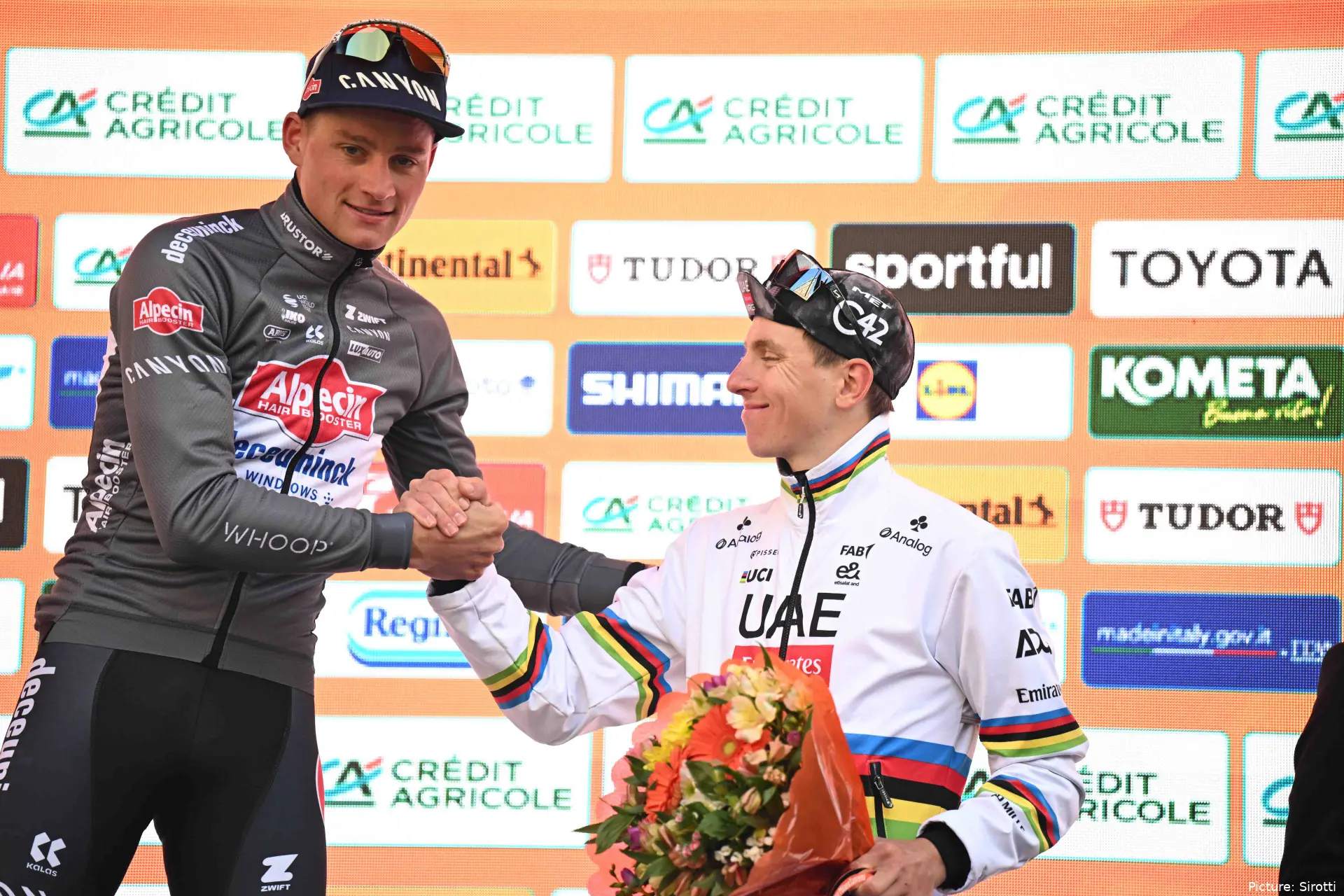
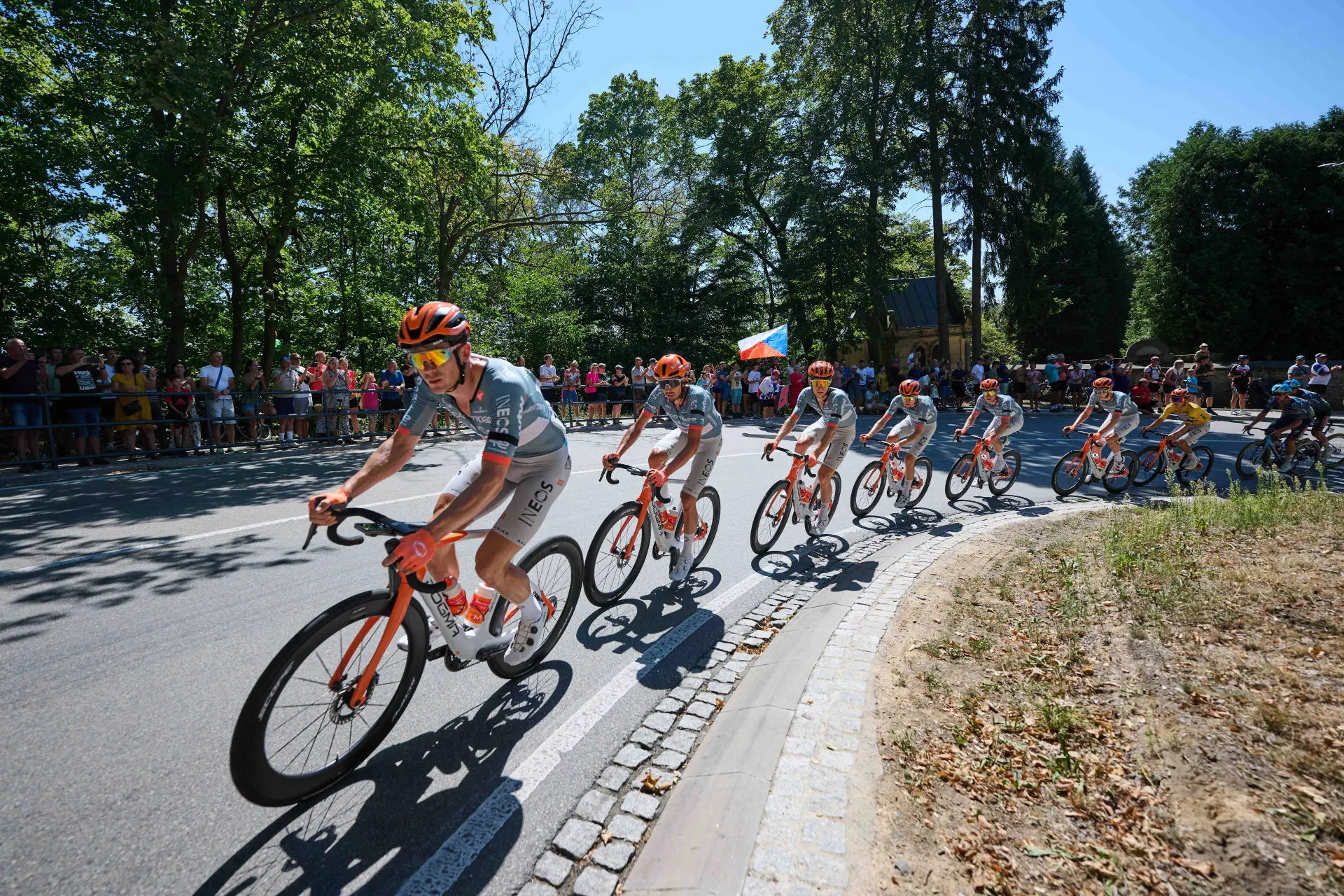
After a season marked by both triumph and turbulence, Jasper Philipsen says his sights are shifting — from bunch sprints to the brutal cobbles of the Classics.
The Belgian star, speaking to Tutto Bici Web after closing his year at the Tour de France EFGH Singapore Criterium, revealed that Alpecin-Deceuninck want him to invest more energy into the one-day monuments that define early spring.
“The team is trying to push me more towards the Classics, especially at the start of the season,” Philipsen explained. “That naturally means focusing less on pure sprints, but that’s not a problem. Fighting for wins in races I dream of — like Roubaix — is something special.”
Read also
A changing identity
At 27, Philipsen is entering the phase of his career where riders often redefine themselves. His blend of top-end speed and endurance has already made him one of the peloton’s most dangerous sprinters, but he believes that development can continue in other directions.
“You always try to improve, but once you reach a certain level, the gains are smaller,” he admitted. “It’s not like when you’re 15 and can add 20 watts every year — now it’s about fine-tuning the engine and finding small improvements.”
Those refinements could soon make Philipsen a Classics powerhouse rather than simply a Grand Tour stage hunter. “It’s a nice challenge,” he said. “Winning bunch sprints is one thing, but being able to fight for victory in the biggest one-day races in the world — that’s another feeling entirely.”
Beating Pogacar — the ultimate puzzle
Among the men standing between Philipsen and a cobbled breakthrough is Tadej Pogacar, who stunned many with his Paris-Roubaix debut earlier this year. Yet despite calling the Slovenian “almost unbeatable”, Philipsen insists the right team strategy can still bring him down.
“We don’t really focus too much on rivals,” he said, “but if Tadej is on the start line, he’s obviously one of the favourites — whether it’s a flat Classic or one with climbs. He’s almost unbeatable, but with our team and with Mathieu van der Poel], we have the strength to play the team card and try to beat him.”
That word — team — is key. For Philipsen, riding alongside the former world champion offers both security and motivation. Their one-two punch, honed over the last few years, could prove decisive when racing over the cobbles in 2026.
“With Mathieu there, we know we can make the race aggressive and unpredictable,” Philipsen said. “That’s when we’re at our best.”
Still hungry for speed
Despite his growing appetite for Classics success, Philipsen isn’t abandoning the fast finishes that made his name. The Tour de France, he insists, remains the “main objective” — a race that still defines his season.
“A.S.O. always try to make the race more exciting,” he said. “This change means more scenarios are possible — from a bunch sprint to late attacks. It’ll make the stage more open and more thrilling.”
The next chapter
Having already pulled on both the yellow jersey at the Tour and the red jersey at the Vuelta this year, Philipsen’s ambitions now extend beyond pure speed. His 2026 campaign is being built not just around winning, but around versatility — and proving that sprinters can evolve without losing their instinct.
“Cycling is always about passion and emotion,” he said. “That’s what keeps you moving forward — whatever the goal.”
Read also
Kieran WoodDeputy Editor-in-Chief
Kieran Wood is a sports journalist based in Wales and has been active in journalism since 2022. He regularly contributes to DartsNews.com and CyclingUpToDate.com, where he covers professional cycling and darts. In cycling, his work includes liveblogs from major races, including the Tour de France, the Giro d’Italia, and La Vuelta a España, alongside race reports and analysis. He has also conducted interviews with professional riders.
His reporting spans the full racing calendar, from one-day classics to stage races, with a focus on accurate, real-time coverage and clear contextual analysis. For statistics, results, and historical context, he regularly uses resources such as ProCyclingStats. To support reporting on rider activity and training context where relevant, he also references Strava.
In his work, Kieran places strong emphasis on careful sourcing, editorial accuracy, and updating articles as new, verified information becomes available.
claps 3visitors 2
Just in
Popular news
Latest comments
- Idiotic fella
 Rafionain-Glas18-10-2026
 - Nothing. Against Pogi nothingabstractengineer18-10-2026
- He didn't even try to sprint all outvappaxbipmv18-10-2026
- Campenaerts looked like a rolling pumpkin with that all orange leaders skinsuit !frieders318-10-2026
- He can take his dumb a$$ politics somehwere else !frieders318-10-2026
- good to have her back. fingers crossed she‘ll be able to stay!Ketterechts17-10-2026
- A tenner and he wins the Tour next year, too 😂anonymouscyclist17-10-2026
- the answer is either stick to classics or GTs but not bothabstractengineer17-10-2026
- the exodus already stared with Ciccone. Already they were struggling with two sprinters, now there are three. Also Ganna will demand leadership. Gall is the most proven GC, Ayuso has the most potential. GC leadership for everybody will be impossible. Literally a UAE style mess without pogi.abstractengineer17-10-2026
- I raced as an amateur for 12 years, including six years on my country’s national road cycling team. I secured two national titles and competed in three World Championships plus more than 15 international stage races. At 23, we travelled to Italy for a training camp—or so I assumed. On a rest day, we watched a presentation about adopting a more “professional” training approach. It was crystal clear what “professional” meant. That moment first exposed me to this dilemma. After returning from Italy, I left cycling—at least at the competitive level I had known. Over the following two years, the whole team was caught doping. I hold that everyone is innocent until proven guilty. In my view, current stakeholders operate on a different scale, and the sums involved are vast. I am unsure whether any doping would ever be revealed. I try to stay positive and enjoy the show. My 2c.
 vannpelt17-10-2026
Loading
Write a comment