Pidcock sets his sights on Pogacar and Vingegaard: the monstrous training ride he logged in Chile
Cycling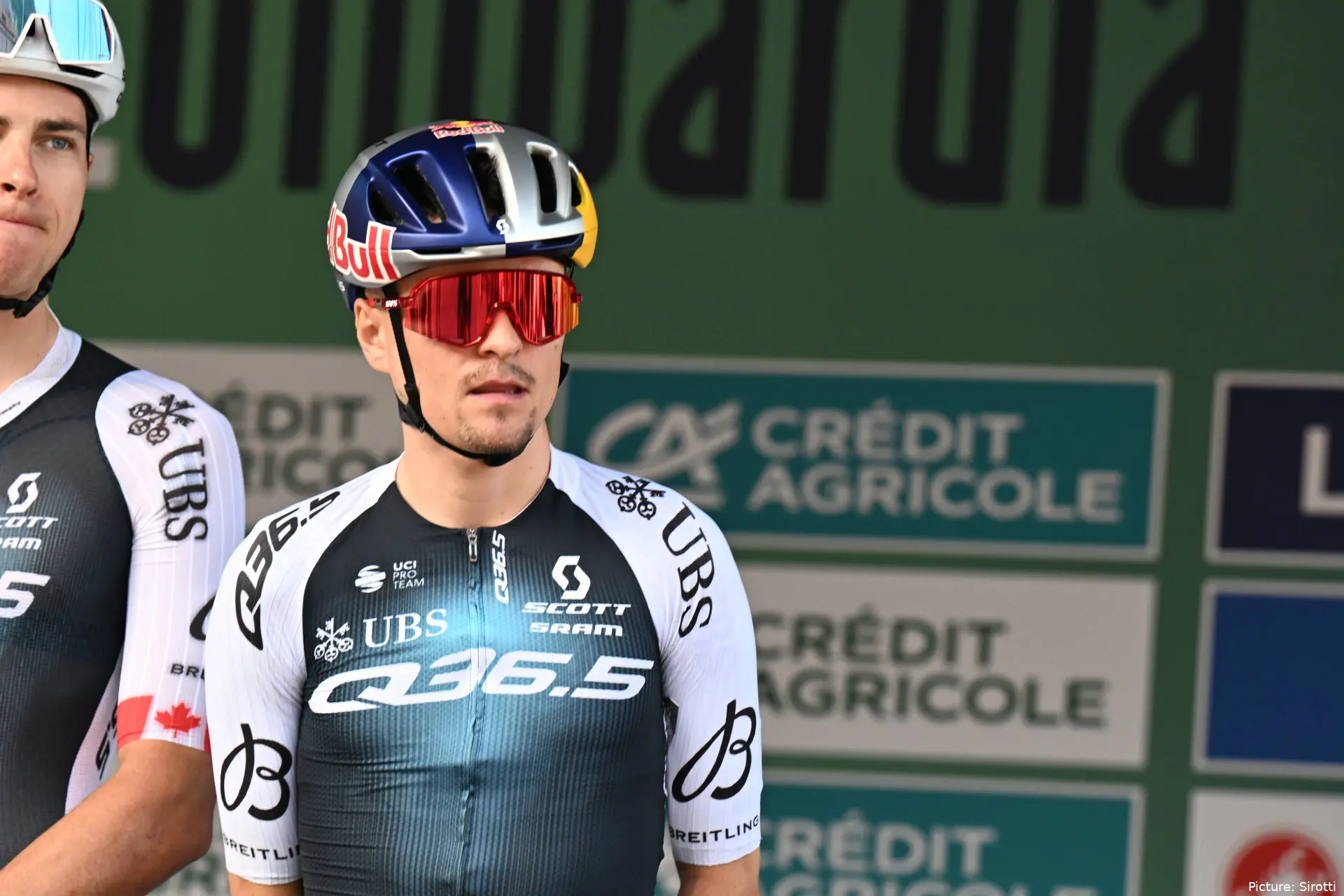
Seven hours in the saddle, more than four thousand metres of elevation gain, and a round number that always commands respect: 200 kilometres. That’s how Tom Pidcock sums up his latest and most demanding training session, logged on Strava with barely a comment but loaded with meaning as he builds for the new season… with an eye on toppling Tadej Pogacar and Jonas Vingegaard?
The Briton is training in Chile with his team, Pinarello Q36.5 Pro Cycling, and over the past two weeks he has posted some striking days. None, however, matched the scale of yesterday’s ride, a bona fide queen stage disguised under the understated title "Morning Ride".
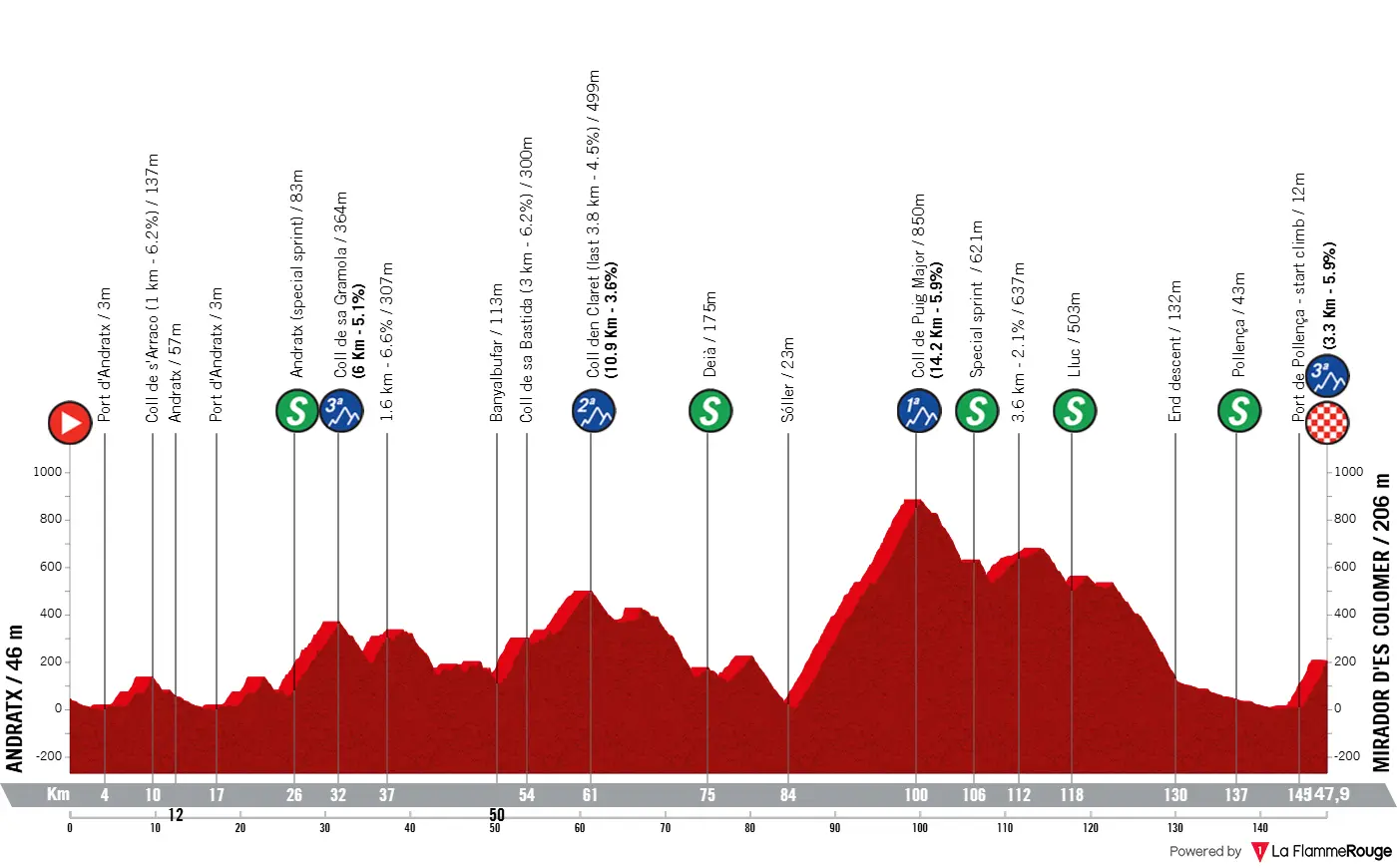
The ride started in the mountains, from the team’s training base, and headed west towards the flatter terrain north of Santiago de Chile. From there, the group turned back, a loop that became a relentless grind, with more than the final 80 kilometres climbing almost continuously to the hotel at 2,750 metres above sea level.
Pidcock did not ride alone. Alongside him were Fred Wright, one of his new teammates, as well as Fabio Christen, Xandro Meurisse and Quinten Hermans. Together they wrapped a day with 4,003 metres of climbing, seven hours of pedalling, and an average speed of 28.5 km/h, numbers worthy of a mountain stage in competition.
Read also
Beyond the data, the Briton chose not to add comments on the platform. Even so, the activity offered clear clues to the session’s intensity: several top-10s on various segments and, notably, multiple personal records. Five came on the final two climbs back to the hotel, suggesting the last effort was anything but easy.
This demanding training block is part of a 25-day camp in Chile, an unusual destination in the pro peloton, but one the team has publicly defended for its specific advantages.
Although it’s an altitude camp, it also serves as a powerful heat-acclimation tool, with temperatures reaching 36 degrees in the valley where they do the intervals.

Tom Pidcock is preparing for a pivotal 2026 season
The value of overcoming obstacles
"When you’re sheltered from the wind on the bike, it feels like an oven. Sweating is the norm," explained Xandro Meurisse to Het Laatste Nieuws previously. On top of the heat comes a UV index of 14, which forces riders to reapply SPF 50 sunscreen several times a day to avoid burns.
Despite the discomforts, the team believes the benefits outweigh the drawbacks. Compared to traditional locations like Teide, where temperatures are around ten degrees lower, or Sierra Nevada, still affected by snow, Chile offers a different stimulus that is highly prized in modern preparation.
"These days, every professional cyclist does heat training as an additional stimulus to expose the body to extreme conditions," noted Quinten Hermans to the same outlet. "Many do it indoors, wearing extra layers on the turbo or in the sauna. Here, we simply do it outdoors, on the bike, in shorts and short sleeves."
With this work banked, Pidcock will open his season with several smaller Spanish races in mid-February, including the demanding Ruta del Sol, five days with a mountainous profile. Judging by what we’ve seen in Chile, the foundation looks more than solid.

Ondrej ZhasilCycling Journalist
Ondřej Zhasil is a cycling journalist at CyclingUpToDate and has been part of the team since 2023. He is based in Ostrava, the third-largest city in the Czech Republic, and covers professional cycling across the main UCI competitions, including the Tour de France, the Giro d’Italia, and La Vuelta a España. A key focus of his work is startlist analysis and pre-race coverage, where he examines team selections, rider line-ups, and tactical scenarios ahead of major events.
Alongside WorldTour coverage, Ondřej has developed specific expertise in junior cycling and in racing across East Asia, including competitions in China and Japan. He also maintains a broad working knowledge of other disciplines and levels, including cyclocross, while continuing to expand his understanding of mountain bike racing.
Ondřej holds a bachelor’s degree in Mathematics and Physics, which supports his analytical, data-driven approach to performance and race analysis. In his reporting, he regularly uses ProCyclingStats for results, statistics, and historical context. He places strong emphasis on careful sourcing, editorial accuracy, and updating articles promptly when new, verified information becomes available.
claps 6visitors 6
Just in
Popular news
Latest comments
- Good grief, who proofreads this stuff? Errors abound.wrsty18-10-2026
- You can add weight to a bike and limit gears or make it single speed if you like. I doubt that would reduce crashes. It would just add another dymanique. All good and well, but It wont stop cars getting on to the course.Cyclingsbestfan18-10-2026
- Seixas is probably second best in the World on short climbs. But that hasn't translated as well to long climbs
 Rafionain-Glas18-10-2026
 - Idiotic fellaRafionain-Glas18-10-2026
- Nothing. Against Pogi nothingabstractengineer18-10-2026
- He didn't even try to sprint all outvappaxbipmv18-10-2026
- Campenaerts looked like a rolling pumpkin with that all orange leaders skinsuit !frieders318-10-2026
- He can take his dumb a$$ politics somehwere else !frieders318-10-2026
- good to have her back. fingers crossed she‘ll be able to stay!Ketterechts17-10-2026
- A tenner and he wins the Tour next year, too 😂anonymouscyclist17-10-2026
Loading
Write a comment