OPINION | Roglic, Contador or Heras: Who is the greatest rider in the history of the Vuelta a Espana
Cycling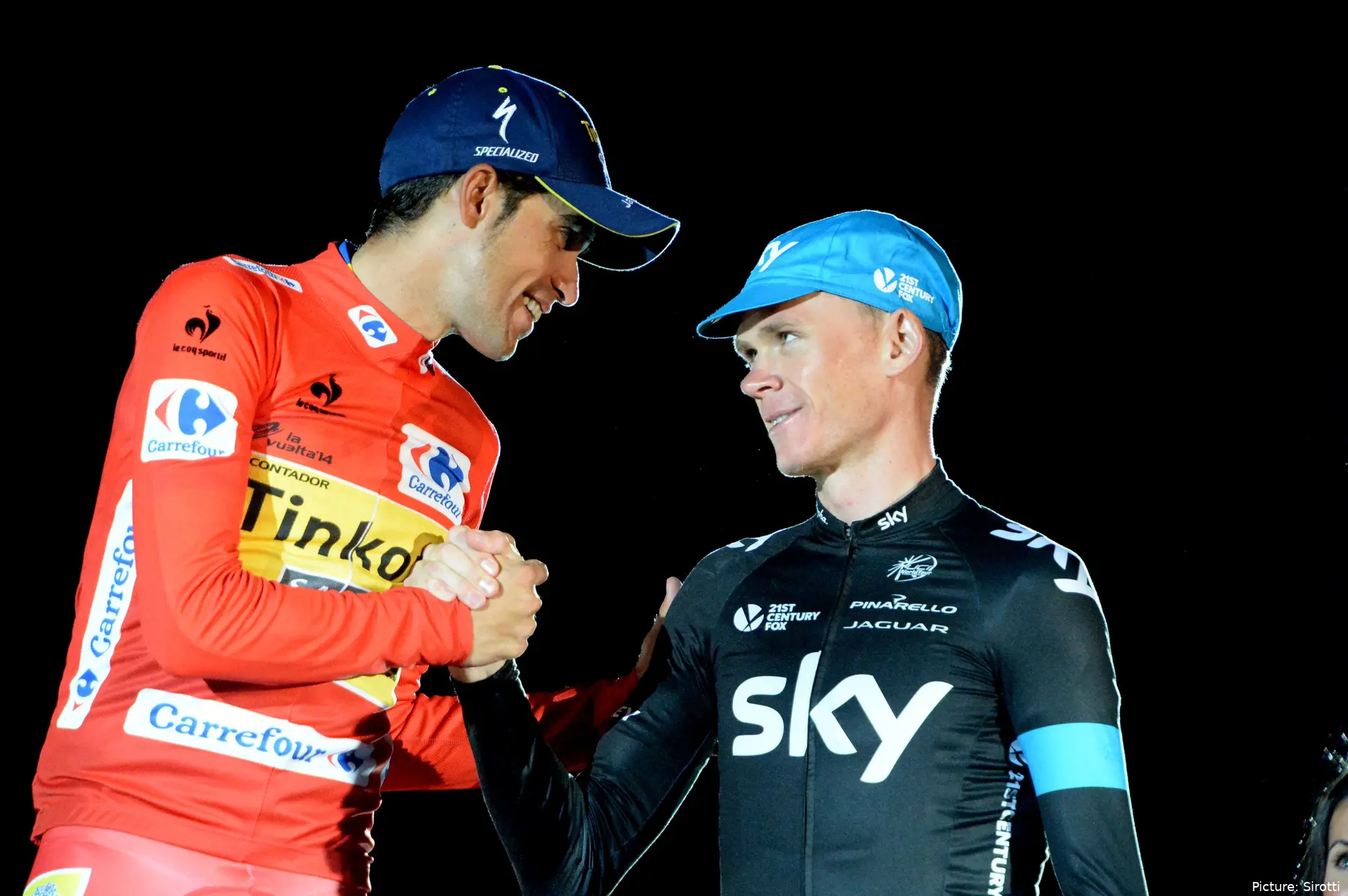
With the 2025 Vuelta a España just 11 days away, the excitement is already running high. Before this year’s riders line up, it’s worth looking back at the race’s history and the names that have defined it. When talking about the greatest, overall victories in the general classification are the main yardstick, though stage wins add to the prestige. Across the decades, La Vuelta has seen many stars, but four riders have managed to wear the red or gold jersey at least three times: Roberto Heras and Primoz Roglic with four each, Alberto Contador and Tony Rominger with three.
Roberto Heras
Following the historical order, the first of the great contenders is Roberto Heras. The Spaniard’s record includes four overall victories, 10 stage wins, two additional podium finishes, and nine runner-up stage results. From 1997 to 2005, he started every edition of La Vuelta, totaling nine appearances.
In 1997, his second season as a professional, he claimed victory at Alto del Morredero (Ponferrada) and put together a strong set of mountain results: 10th at Brañilín Ski Resort, 11th at Alto del Naranco (Oviedo), 7th at Lagos de Covadonga, 3rd at Los Ángeles de San Rafael, and 10th in Ávila. He ended the race with 12th in the final time trial and 5th overall, finishing behind Alex Zülle, Fernando Escartín, Laurent Dufaux, and Enrico Zaina.
Read also
In 1998, Heras finished in the top three on five occasions: 2nd at Xorret de Catí, 3rd at Andorra Estació de Pal, 2nd at Cerler, victory in Segovia, and 2nd at Alto de Navacerrada. He also placed 9th at Laguna de Neila and ended 6th in the final GC, with Abraham Olano, Fernando Escartín, José María “El Chava” Jiménez, Lance Armstrong (later disqualified), and Laurent Jalabert ahead.
The 1999 edition brought no stage wins, but Heras reached the overall podium for the first time. He took 6th in Ciudad Rodrigo, 3rd on Alto de l’Angliru, 2nd at Arcalís (Andorra), 6th at Berga/Castellar del Riu, 4th on Alto de Abantos, 3rd in Ávila, and 6th in the penultimate stage’s time trial. Only Jan Ullrich and Igor González de Galdeano finished above him in the standings.
In 2000, Heras claimed his first Vuelta title. He took stage victories in Morella and on Alto de Abantos, finished 4th in Arcalís, and 3rd at Lagos de Covadonga to seize the leader’s jersey, which he kept until Madrid. He also placed 3rd on Alto de l’Angliru and 9th in the final time trial, securing the win ahead of Ángel Luis Casero and Pavel Tonkov.
The 2001 race saw him miss the stage podiums entirely, finishing behind Ángel Luis Casero, Óscar Sevilla, and Levi Leipheimer overall. In 2002, he bounced back with victories on Sierra de la Pandera and Alto de l’Angliru, plus 2nd place at Estación de la Covatilla, though Aitor González edged him for the title.
In 2003, Heras regained the golden jersey. After taking 2nd in the opening team time trial, he won the decisive time trial on Alto de Abantos to beat Isidro Nozal. The following year, he repeated his triumph, winning at Calar Alto Observatory and posting several strong results to finish ahead of Santiago Pérez and Francisco Mancebo.
His final Vuelta in 2005 brought more history. Stage wins in Valdelinares and Valgrande Pajares, plus 2nd places at Ordino Arcalís (Andorra) and in the Alcalá de Henares time trial, helped him to victory over Denis Menchov and Carlos Sastre. That fourth win broke Rominger’s record, but months later, a suspension ended his career.
Read also
Alberto Contador
Alberto Contador raced the Vuelta only five times but won his first three attempts, always finishing in the top five overall and taking six stage wins in four editions.
His debut came in 2008, after Astana was not invited to the Tour. Contador placed 4th in the Ciudad Real time trial, 3rd in Andorra (Naturlandia-La Rabassa) and Pla de Beret, 5th in Suances, won on Alto de l’Angliru to take the lead, and followed up the next day with a win at Fuentes de Invierno. He later took 9th in Segovia and 2nd in the Alto de Navacerrada time trial, sealing overall victory ahead of Levi Leipheimer and Carlos Sastre.
Contador returned in 2012 after a suspension that stripped him of several titles. That year’s Vuelta is often called one of the best ever. He was 4th in Eibar (Arrate) and Jaca (Fuerte del Rapitán), 3rd in Andorra (Collada de la Gallina), 2nd in the Pontevedra time trial, 2nd again at Dumbría (Mirador de Ézaro) and Puerto de Ancares. His daring attack to Fuente Dé gained him the race lead, which he held to win over Alejandro Valverde, Joaquim “Purito” Rodríguez, and Chris Froome.
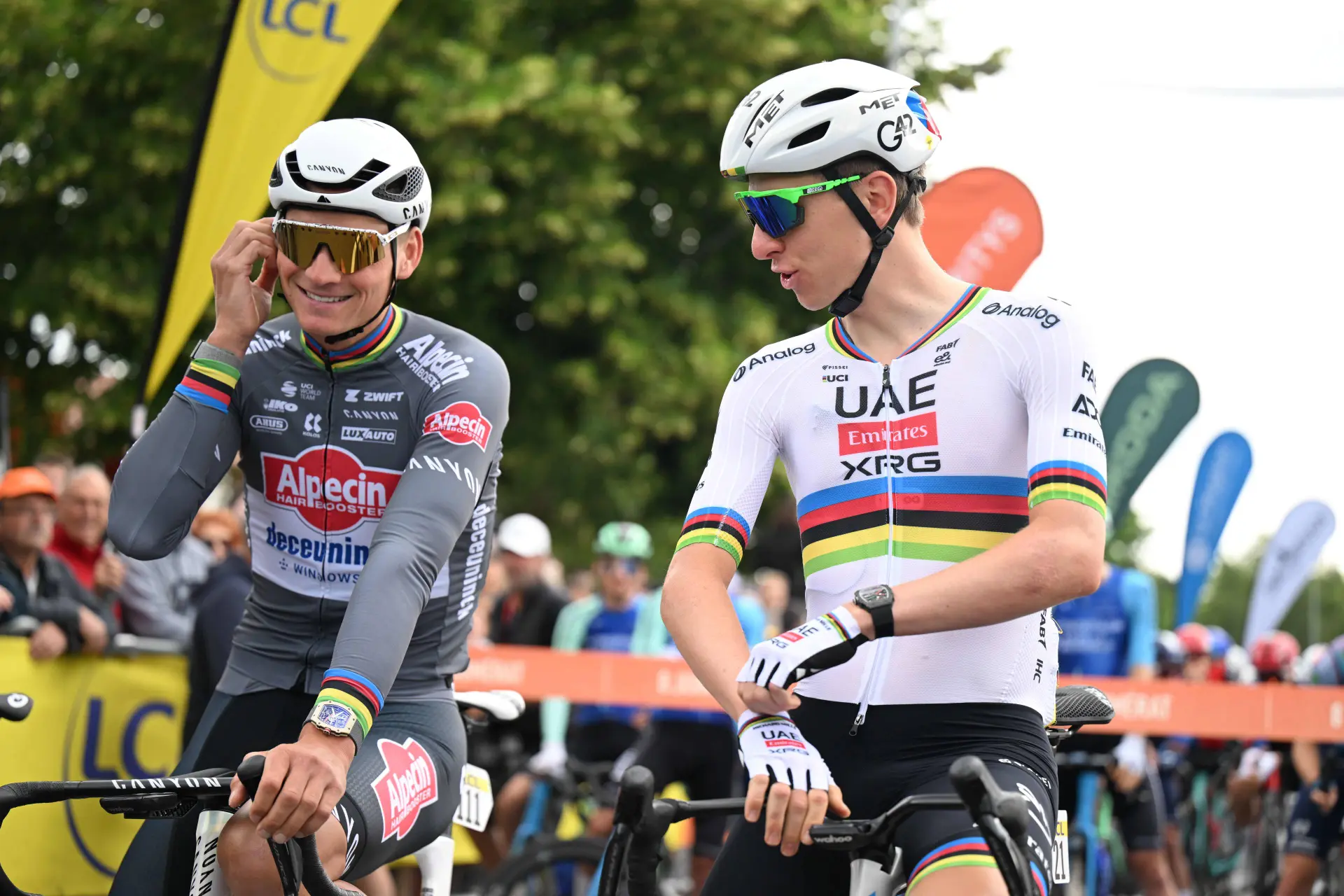
In 2014, he surprised many by taking red again. He placed 3rd at La Zubia (Cumbres Verdes), 4th in the first time trial to claim the lead, 4th at Sanctuary of San Miguel de Aralar, 7th at Obregón (Cabárceno Park), and 4th at Lagos de Covadonga. He then won at Lagos de Somiedo (La Farrapona) and Puerto de Ancares, overcoming Chris Froome in a battle both were expected to wage at the Tour before crashing out.
In 2016, his best stage finish was 5th at Peña Cabarga, ending 4th overall behind Nairo Quintana, Froome, and Esteban Chaves. In 2017, his farewell season, Contador won on Alto de l’Angliru and took 2nd at Los Machucos (Vaca Pasiega Monument) before finishing 5th overall.
Primoz Roglic
Primoz Roglic has six consecutive Vuelta starts from 2019 to 2024, winning his first three and tying Heras’s record with a fourth in 2024.
In 2019, Roglic was 3rd at Calpe, 6th at Observatorio Astrofísico de Javalambre, 2nd at Mas de la Costa, 3rd at Cortals d’Encamp, and won the Pau time trial to take red. He added 2nd at Los Machucos (Monumento Vaca Pasiega), 8th at Santuario del Acebo, 2nd at Becerril de la Sierra, 5th at Plataforma de Gredos, and won overall ahead of Alejandro Valverde and Tadej Pogacar.
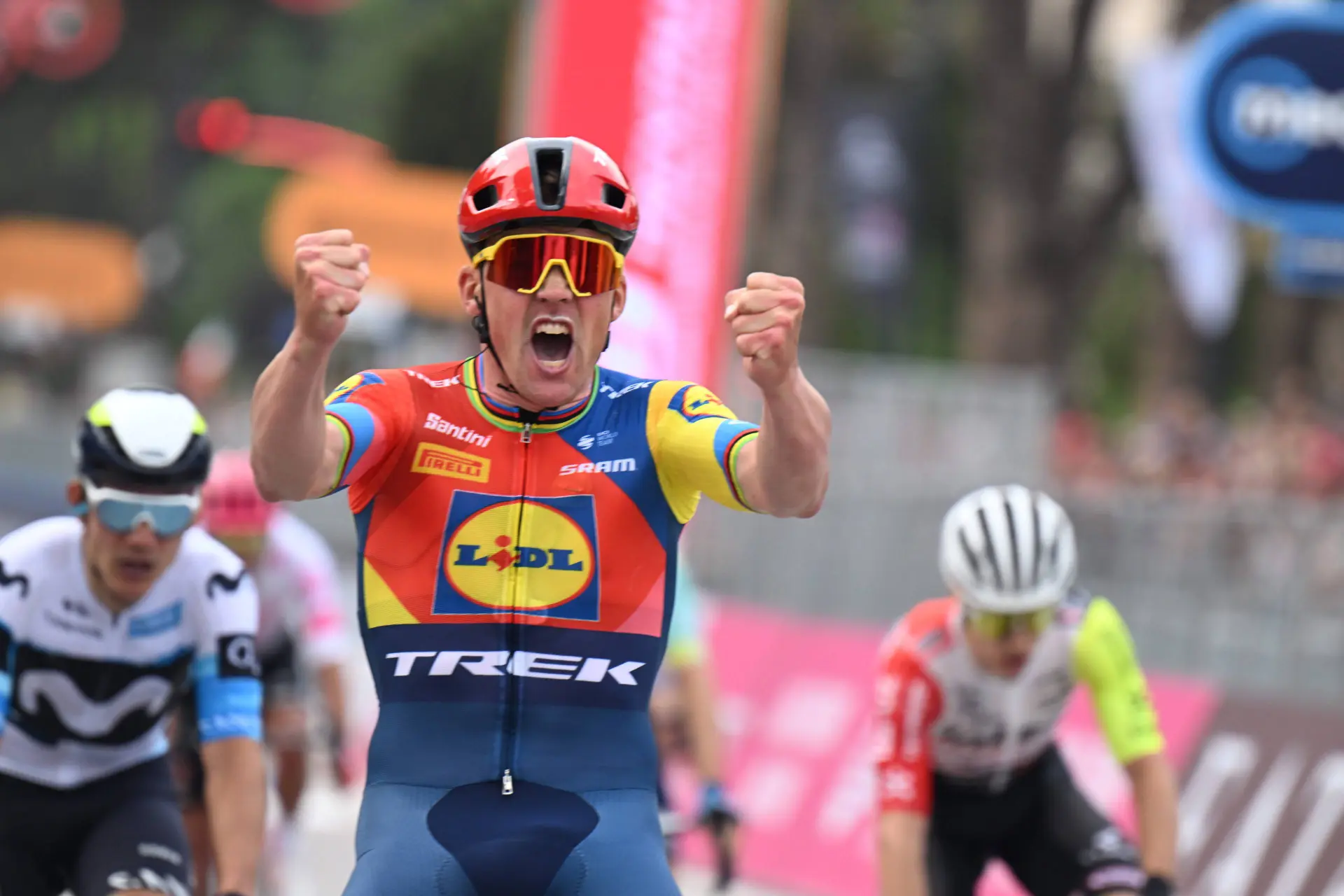
In 2020, he began with victory in Arrate, then placed 2nd in Lekunberri and Laguna Negra de Vinuesa, and 4th in Sabiñánigo. After briefly losing the jersey, he won on Alto de Moncalvillo, reclaimed the lead with a win in Suances, placed 5th on Alto de l’Angliru, took the Mirador de Ézaro time trial, finished 2nd in Ciudad Rodrigo, 10th on Alto de la Covatilla, and secured the title over Richard Carapaz and Hugh Carthy.
His 2021 campaign opened with a win in the Burgos time trial, followed by 7th at Picón Blanco, 2nd at Alto de la Montaña de Cullera, 2nd at Alto de Velefique, and wins in Valdepeñas de Jaén and Lagos de Covadonga. He was also 2nd at Altu d’El Gamoniteiru and in Mos (Castro de Herville) before closing with a time trial win in Santiago de Compostela to top Enric Mas and Jack Haig.
In 2022, Roglic won the opening team time trial with Jumbo-Visma and led after Laguardia. He later placed 5th at Pico Jano, 7th at Colláu Fancuaya, 10th at Les Praeres, 2nd in the Alicante time trial, 9th at Montilla, 2nd at Sierra de la Pandera, and 4th at Sierra Nevada. Sitting 2nd in GC, he withdrew before stage 17, leaving Remco Evenepoel to take the win.
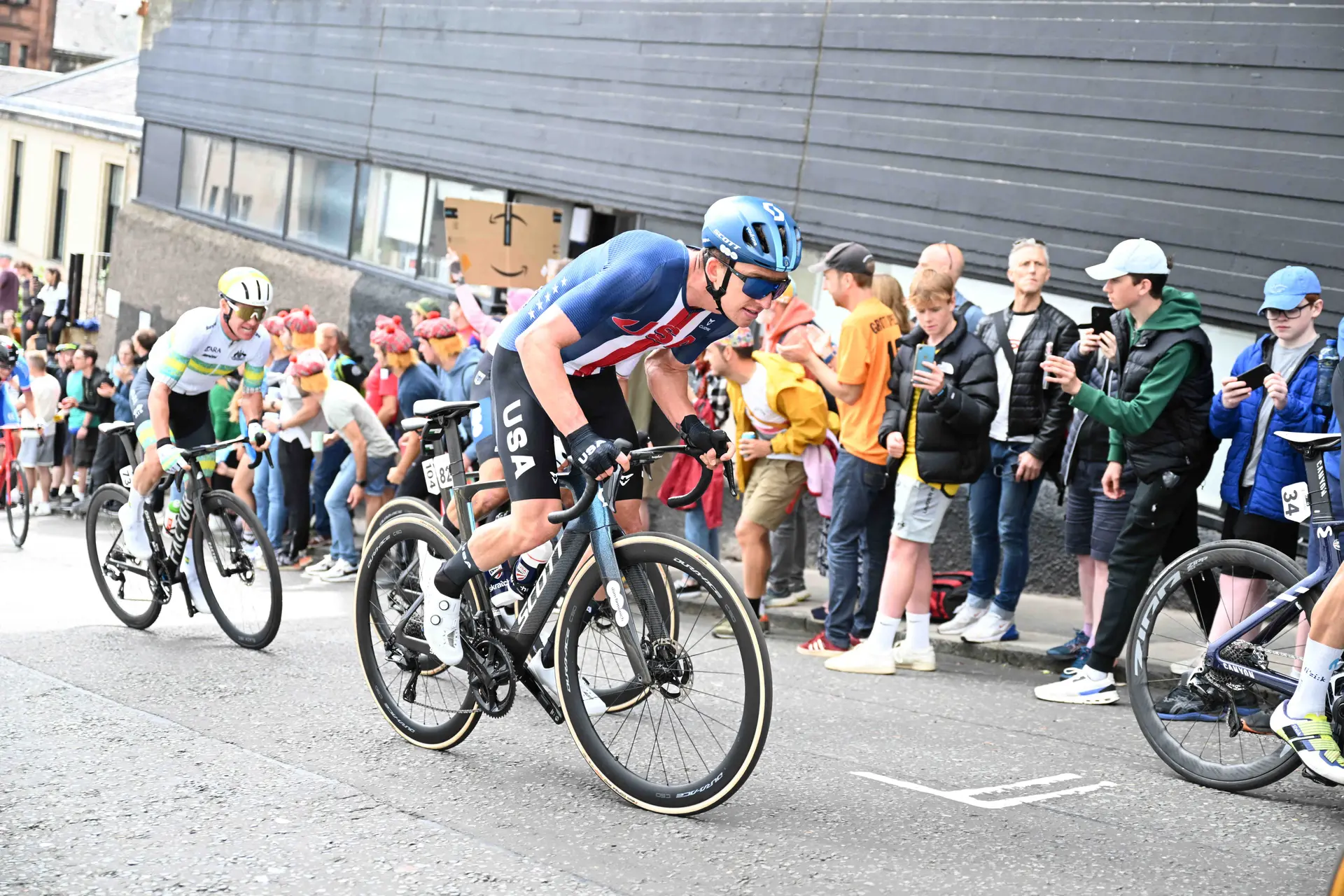
In 2023, racing alongside Jonas Vingegaard, Roglic took 4th at Arinsal, won at Xorret de Catí (Costa Blanca Interior), and placed 3rd in both the Valladolid time trial and on Col du Tourmalet. He was 8th at Bejes, won on Alto de l’Angliru, but finished 3rd overall behind Sepp Kuss and Vingegaard due to team strategy.
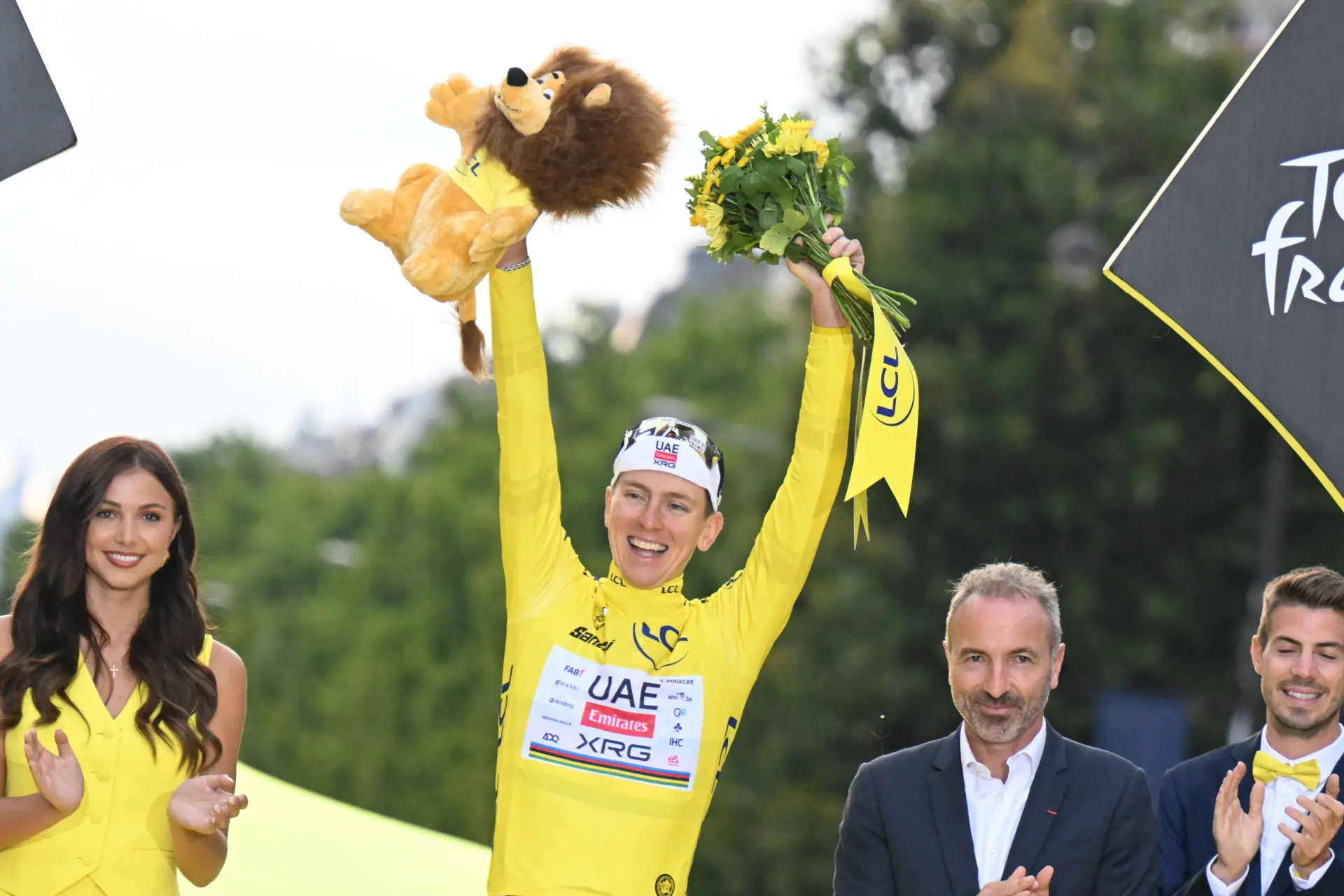
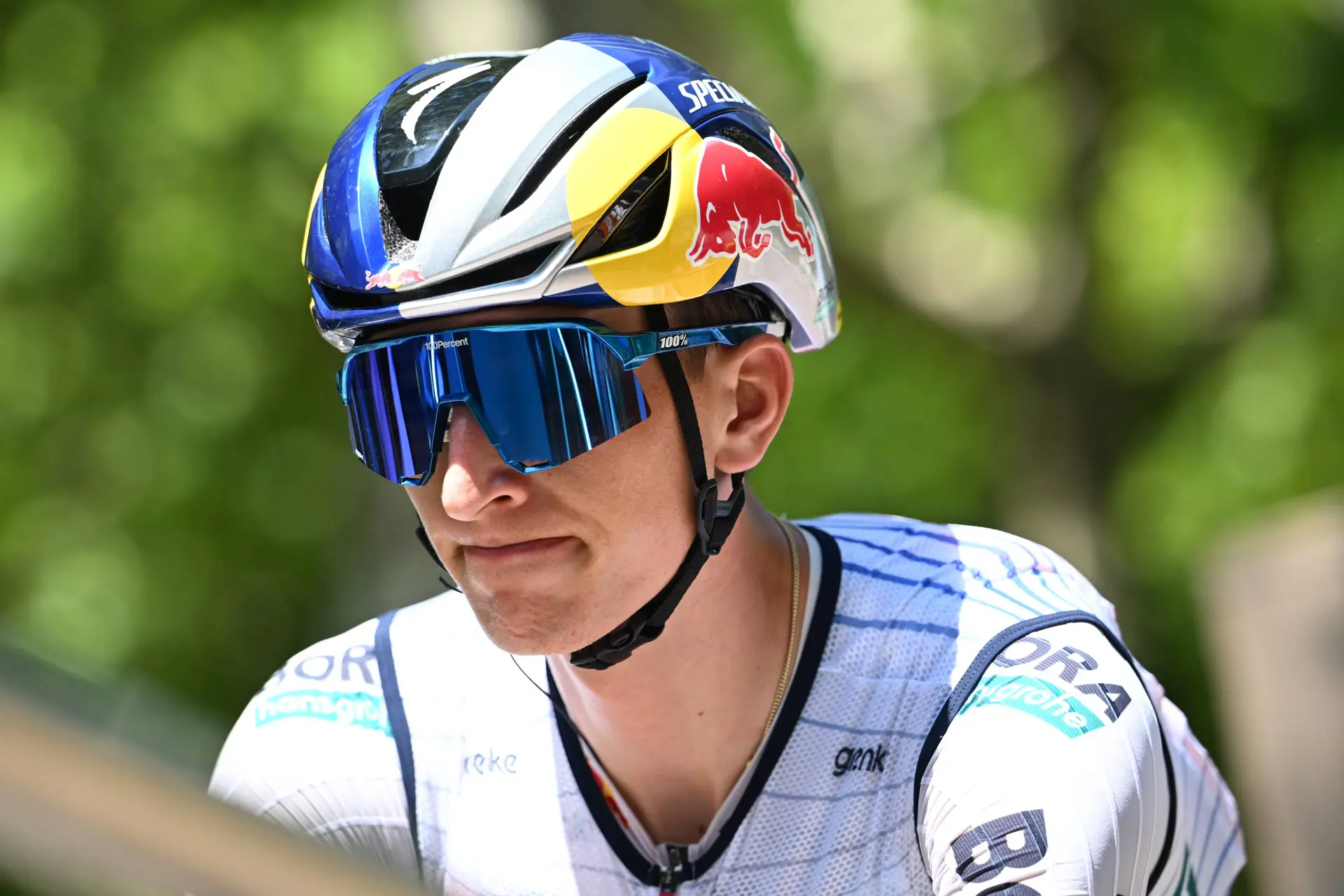
Switching to Red Bull – BORA – hansgrohe in 2024, Roglic placed 8th in the Oeiras time trial, won at Pico Villuercas and Cazorla, took 8th in Granada, 5th at Valgrande-Pajares, won his 15th Vuelta stage at Alto de Moncalvillo, placed 3rd at Picón Blanco, and 2nd in the Madrid time trial to seal his fourth GC ahead of Ben O’Connor and Enric Mas.
Special Mentions
Tony Rominger, with three consecutive Vuelta titles and another podium, remains a key historical figure. Other two-time winners include Gustaaf Deloor, Julián Berrendero, José Manuel Fuente, Bernard Hinault, Pedro Delgado, Alex Zülle, and Chris Froome. Among one-time winners, Alejandro Valverde has the most podiums. Luis Ocaña, Agustín Tamames, Marino Lejarreta, and Vincenzo Nibali also stand out.
For riders without an overall win, Enric Mas shares the most podiums with José Pérez Francés and Miguel María Lasa, joined by Reimund Dietzen, Carlos Sastre, and Joaquim Rodríguez with three or more podiums each. In stage victories, Delio Rodríguez holds the all-time record with 39, almost double Alessandro Petacchi’s total. Other riders with 10 or more stage wins include Laurent Jalabert, Rik van Looy, Sean Kelly, Gerben Karstens, Freddy Maertens, Domingo Perurena, Marcel Wüst, Eddy Planckaert, and John Degenkolb.


Fin MajorCycling Journalist
Fin Major is a UK-based writer at CyclingUpToDate and has been part of the team since 2024. He is the site’s main writer for FAQs and evergreen explainers and has written around 2,000 pieces for the platform. Alongside this work, he focuses on in-depth analysis and covers the biggest races on the calendar, including the Tour de France, the Giro d’Italia, and La Vuelta a España, providing clear context around performance trends, tactics, and key storylines.
In his reporting, Fin uses reputable data sources such as ProCyclingStats for results, statistics, and historical context. He places strong emphasis on careful sourcing, editorial accuracy, and updating articles promptly when new, verified information becomes available. Outside of writing, Fin is an active cyclist, which supports his practical understanding of the sport and its demands.
claps 10visitors 4
Just in

Popular news
Latest comments
- EF’s “island of misfit toys” squad is probably one of my favorites in the peloton. They are fun to watch, always trying stuff - they ride with heart and panache, and their kits are excellent.wrsty20-10-2026
- 'Children these days'... Wout, since the caveman learned to say "Ug", older generations have always said this about younger generations. Not every young rider is a cowboy. So what's to say that the fact that Poels was respectful meant that his peers were equally so?
 Rafionain-Glas19-10-2026
 - "...In a weakened field" Most definitely ! YAWN !frieders319-10-2026
- Noted. But I had to appease his fans.MajorPayne19-10-2026
- I wonder if he'll race Challenge MallorcaRafionain-Glas19-10-2026
- Head to head time-splits: Jay Vine vs Remco Evenepoel: 10.5 km - Vine lost 45 seconds to Evenepoel 34.2 km - Vine lost a further 1:10, and was caught in the vicinity of that checkpoint. Note: I remember Vine getting caught before the second checkpoint, and ProCyclingStats log supports that, however, the gap at the second checkpoint was less than 2 minutes. 45.4 km - Vine lost only 16 seconds Of course, Vine lost less time in the middle section than the early section, but at the final segment rate, he'd have lost 15 seconds in the opening section and and 34 seconds in the middle. It is possible that Vine paced himself very well but that seems unlikely. In comparison with Stefan Küng: Kung lost: 26 seconds at T1. A further 1:11 by T2. A further 40 seconds by the finish. Relative to Evenepoel, Küng did slow down by the end. Maxime Decomble: Lost 47 seconds at T1. A further 1:20 by T2. A further 26 seconds by the finish. Mikkel Bjerg: Lost 37 seconds at T1. A further 1:34 by T2. A further 46 seconds by the finish. It is not concrete evidence that Vine cheated though it certainly doesn't absolve him. However, watching the race, I am 100% sure that Vine did not pull over and follow a different line when Remco passed him. Remco pulled away quite quickly, but the gap did not balloon and Vine definitely got aero assistance.Rafionain-Glas19-10-2026
- That ship has sailed years agovappaxbipmv19-10-2026
- He doesn't have to. I'd be perfectly happy if he loses SB if he then wins everything elsevappaxbipmv19-10-2026
- Please don't put Remco in the same sentence as Tadej. It's disrespectful to Tadej. Please make a note of this.KissinKate19-10-2026
- ....and you just described how americans are fleecing american fans as well. We don't even get the eurosport coverage you get. What you see on yurrup HBO is not available in this country. Trust me, being a cycling fan sucks everywhere.KissinKate19-10-2026
Loading
Write a comment