OFFICIAL: Israel – Premier Tech is no more! Team moves away from Israeli image amid mounting pressure with team boss Sylvan Adams "stepping back from day-to-day involvement"
Cycling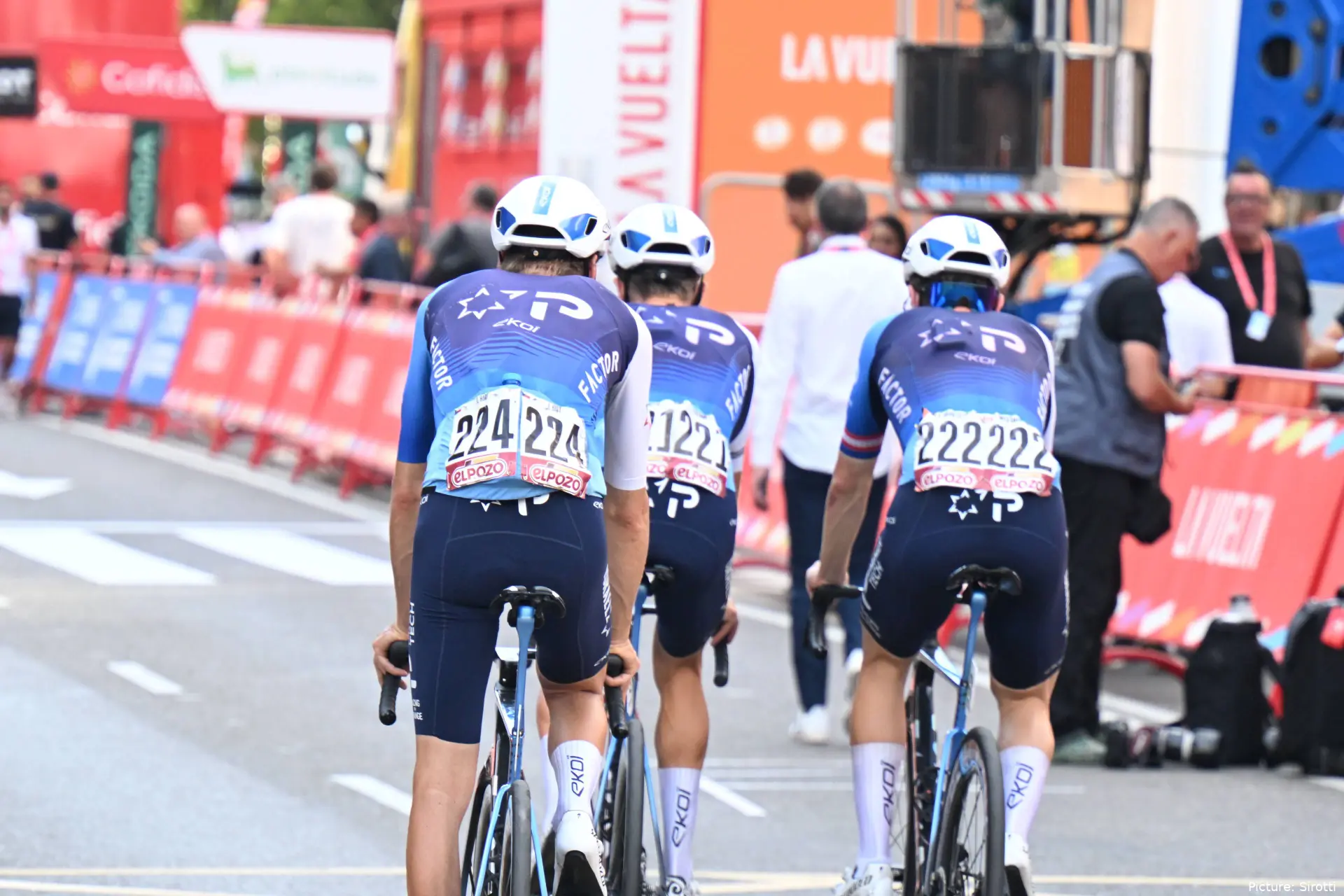
In a landmark announcement on Monday, Israel – Premier Tech confirmed that it will shed its Israeli identity, rebranding ahead of the 2026 season after more than a decade in professional cycling. The decision comes amid mounting scrutiny and protests that have dogged the team in recent months, reflecting the complex intersection of sport and politics.
The team traces its roots back eleven years to the Cycling Academy, founded with the ambition of nurturing young talent from non-traditional cycling nations, including Israel. It evolved into Israel – Premier Tech four years ago and has since celebrated career-defining successes, including Tour de France stage victories, while navigating the challenges of relegation and promotion back to the World Tour.
Read also

Stepping Back and Rebranding
In its official statement, the team emphasised that its mission has always been “a sporting project” rather than a political statement. The press release acknowledged “the challenges of recent months” and hinted that these pressures had accelerated the decision to rebrand, describing it as “essential to securing the future of the team.”
Perhaps the most significant organisational change is the role of Sylvan Adams, the team’s long-time owner and public face. Adams will step back from day-to-day involvement, focusing instead on his responsibilities as President of the World Jewish Congress, Israel. “Progress often requires sacrifice,” the team statement noted, signalling a deliberate separation between the team’s sporting operations and its high-profile leadership.
While details of the new identity remain under wraps, the team has reassured fans and partners that its founding mission remains intact: developing cycling talent from around the world. The move also represents a strategic attempt to insulate riders and staff from the political controversy that has shadowed Israel – Premier Tech, enabling the peloton to focus once again on racing rather than protest.

La Vuelta 2025 was marred by protests against the Israel - Premier Tech team
Over recent months, the team’s Israeli roots had made it a lightning rod within the professional cycling community, drawing both support and criticism. Rival riders and teams had publicly expressed discomfort, while within the squad, cohesion was maintained through a focus on performance and resilience under scrutiny. Adams himself had defended the team vigorously, insisting athletes should be judged solely on sporting merit. This latest step appears designed to move beyond that debate entirely.
As the 2026 season approaches, the cycling world will watch closely to see how the rebranded squad navigates this new chapter — retaining its commitment to nurturing talent while leaving behind an era marked by extraordinary sporting highs and unprecedented political attention.

Kieran WoodDeputy Editor-in-Chief
Kieran Wood is a sports journalist based in Wales and has been active in journalism since 2022. He regularly contributes to DartsNews.com and CyclingUpToDate.com, where he covers professional cycling and darts. In cycling, his work includes liveblogs from major races, including the Tour de France, the Giro d’Italia, and La Vuelta a España, alongside race reports and analysis. He has also conducted interviews with professional riders.
His reporting spans the full racing calendar, from one-day classics to stage races, with a focus on accurate, real-time coverage and clear contextual analysis. For statistics, results, and historical context, he regularly uses resources such as ProCyclingStats. To support reporting on rider activity and training context where relevant, he also references Strava.
In his work, Kieran places strong emphasis on careful sourcing, editorial accuracy, and updating articles as new, verified information becomes available.
claps 12visitors 7
Just in

Popular news

Latest comments
- He didn't even try to sprint all outvappaxbipmv18-10-2026
- Campenaerts looked like a rolling pumpkin with that all orange leaders skinsuit !frieders318-10-2026
- He can take his dumb a$$ politics somehwere else !frieders318-10-2026
- good to have her back. fingers crossed she‘ll be able to stay!Ketterechts17-10-2026
- A tenner and he wins the Tour next year, too 😂anonymouscyclist17-10-2026
- the answer is either stick to classics or GTs but not bothabstractengineer17-10-2026
- the exodus already stared with Ciccone. Already they were struggling with two sprinters, now there are three. Also Ganna will demand leadership. Gall is the most proven GC, Ayuso has the most potential. GC leadership for everybody will be impossible. Literally a UAE style mess without pogi.abstractengineer17-10-2026
- I raced as an amateur for 12 years, including six years on my country’s national road cycling team. I secured two national titles and competed in three World Championships plus more than 15 international stage races. At 23, we travelled to Italy for a training camp—or so I assumed. On a rest day, we watched a presentation about adopting a more “professional” training approach. It was crystal clear what “professional” meant. That moment first exposed me to this dilemma. After returning from Italy, I left cycling—at least at the competitive level I had known. Over the following two years, the whole team was caught doping. I hold that everyone is innocent until proven guilty. In my view, current stakeholders operate on a different scale, and the sums involved are vast. I am unsure whether any doping would ever be revealed. I try to stay positive and enjoy the show. My 2c.
 vannpelt17-10-2026
 - Fiver he wins 🤣
 leedorney17-10-2026
 - “…measures to reduce speeds.” Might as well shorten the race course to just 50km as well? ASO generates at minimum €300m a year and 30- 40% profit. Maybe stop being greedy and spend more of the profit to protect the riders instead.b3tlla17-10-2026
Loading
27 Comments