“No pressure” - Marcel Kittel backs Dylan Groenewegen to deliver on dream Giro d’Italia debut for Unibet Rose Rockets
Cycling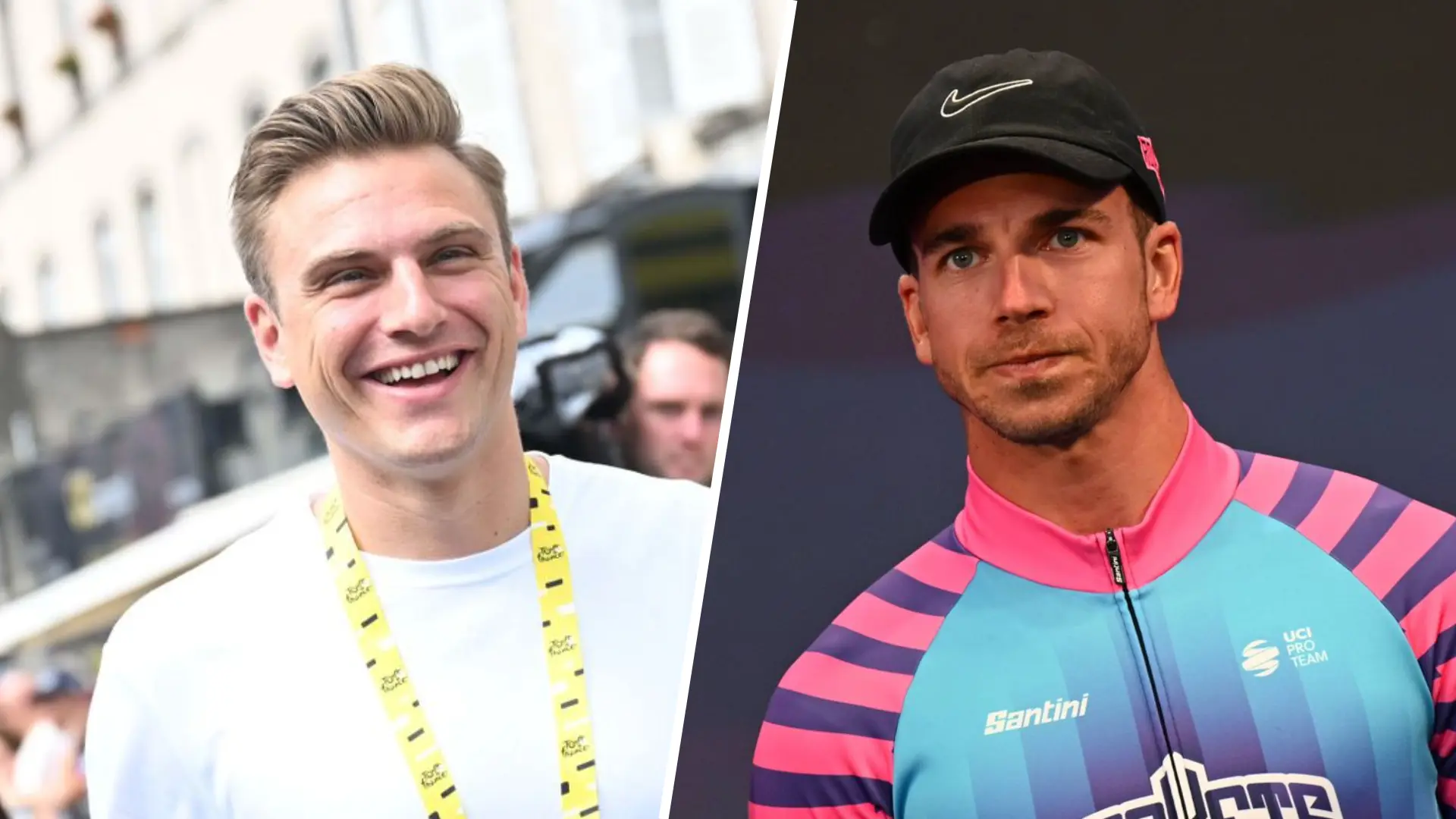
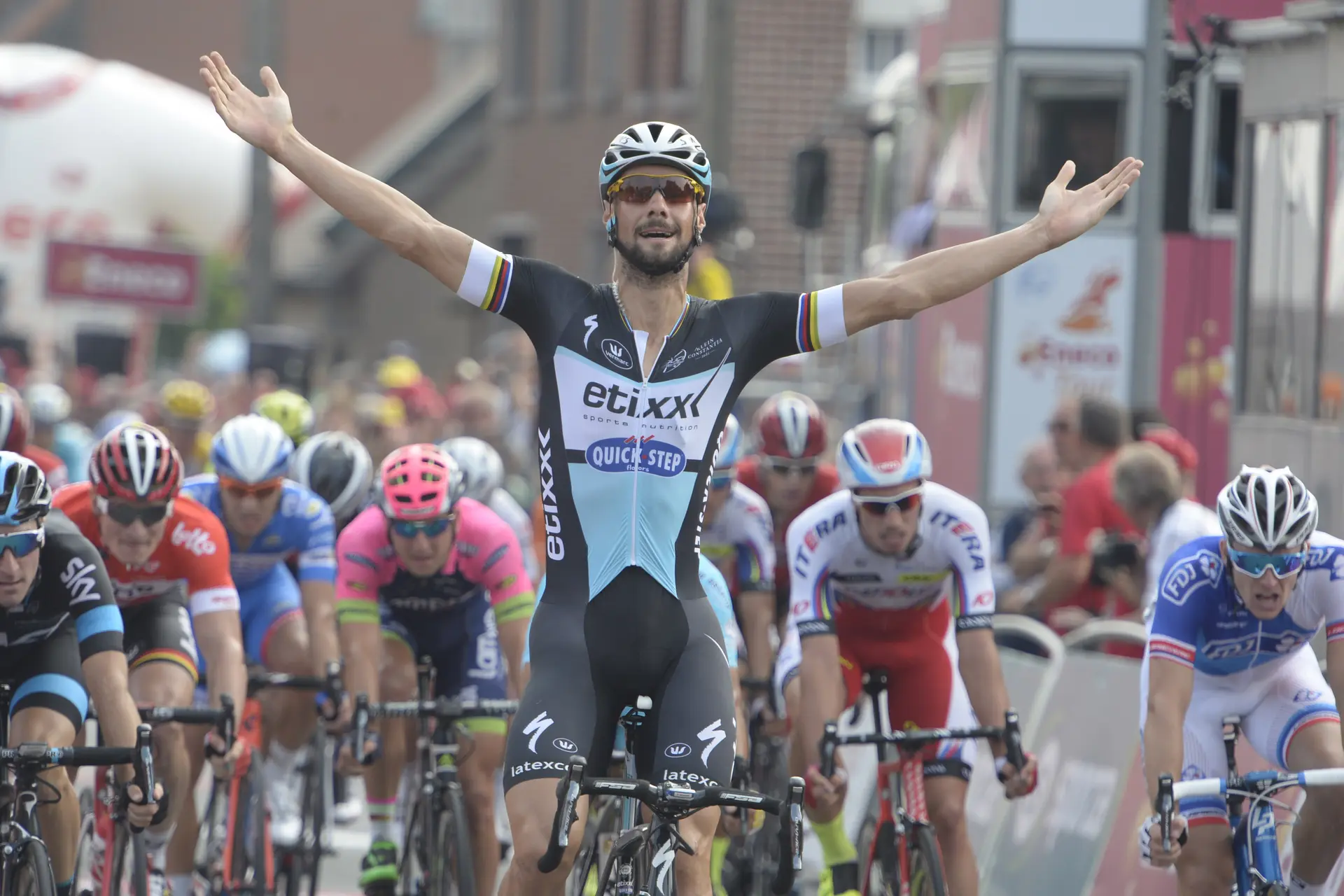
Ten years ago, Marcel Kittel pulled on the Maglia Rosa at the Giro d’Italia after winning the opening stage in Arnhem. Now, the former sprint star has arrived in Bulgaria hoping to help Dylan Groenewegen repeat that achievement as Unibet Rose Rockets prepare for the first Grand Tour in team history.
Speaking to IDL Pro Cycling ahead of the 2026 Giro d’Italia Grande Partenza, Kittel admitted the possibility of Groenewegen fighting immediately for the pink jersey carries obvious emotional parallels with his own Giro memories from 2016.
“No pressure,” Kittel laughed when reminded it is exactly ten years since he claimed the only Maglia Rosa of his career. Behind the joke, though, sits a genuine opportunity.
Groenewegen arrives at the Giro in arguably his strongest form for years after a spring which has already delivered multiple victories, including Unibet Rose Rockets’ first ever WorldTour win at the Tour of Bruges. The Dutch sprinter has become the clear focal point of the team’s ambitious Giro project and now carries their hopes heading into cycling’s biggest stage yet.
Kittel still thinking like a sprinter
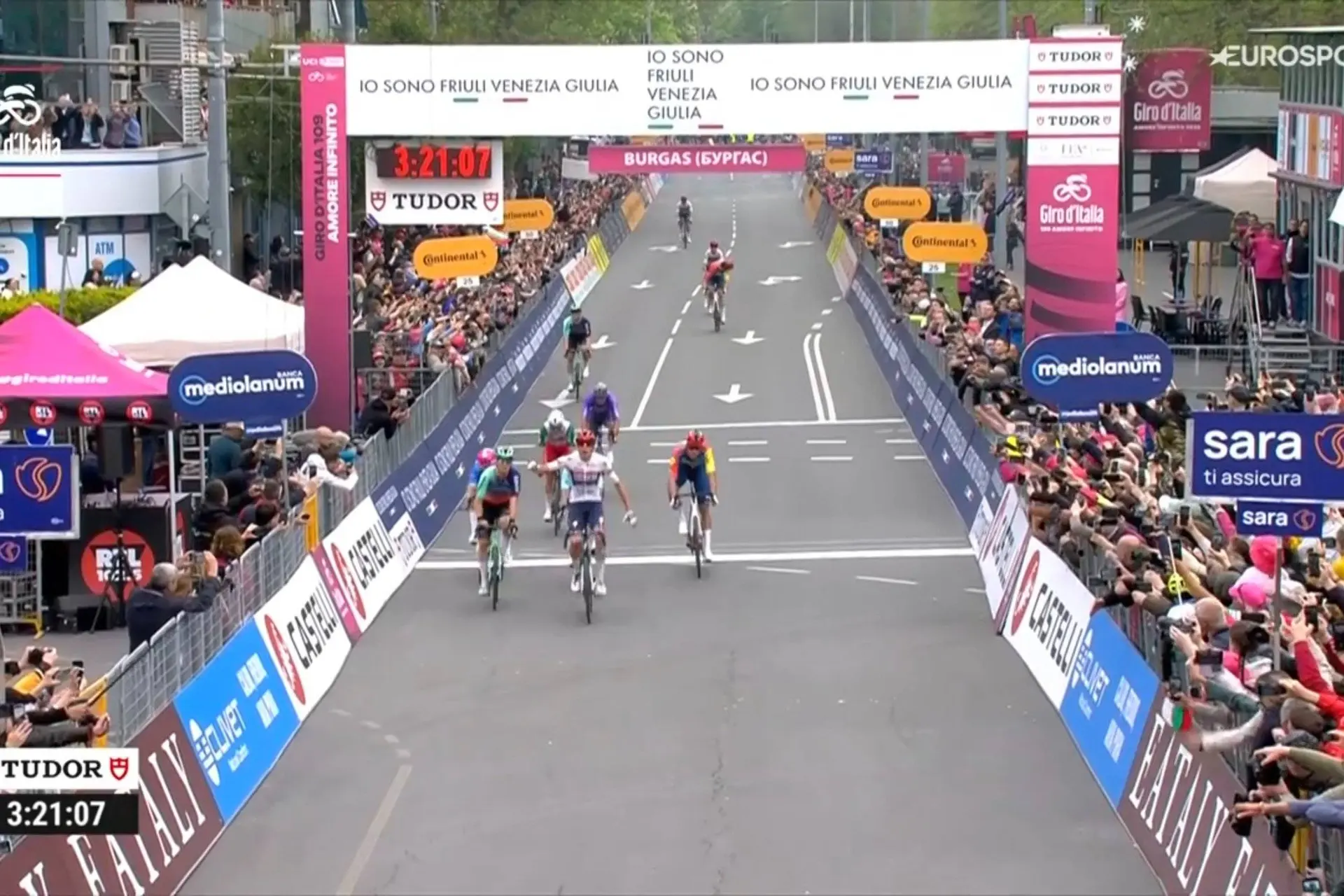
Although Kittel now operates as a sports director rather than a rider, his analysis of the opening Giro stage made clear just how closely he still views racing through the eyes of a sprinter. “I think I could ride this stage from memory, without any navigation,” Kittel explained before immediately breaking down the key danger points around the Burgas finale.
“The bend at 3.6 kilometres from the finish is important,” he said. “That’s where you come off what is essentially a motorway and enter the Burgas city area, going from three lanes down to two.”
According to the German, that transition could effectively decide whether Groenewegen and Unibet Rose Rockets remain positioned to fight for victory. “Staying in position through that phase is the challenge,” Kittel explained.
The sprint itself is also expected to become especially chaotic because of the nature of Grand Tour opening stages, where sprint teams and GC contenders often fight simultaneously for road position. “The first day is always specific,” Kittel said. “The dynamics of the peloton aren’t yet established. Everything still has to take shape, with everyone thinking they can sit right at the front.”
Groenewegen leading a new chapter for Rockets
The wider significance of the Giro extends well beyond stage 1 itself. For Unibet Rose Rockets, the race represents the biggest milestone yet in the rapid rise of the Bas Tietema-led project from YouTube outsider story into a legitimate Grand Tour team. And Groenewegen’s arrival this season has played a central role in that transformation.
After years inside bigger WorldTour structures, the Dutchman appears revitalised as the undisputed sprint leader within the Rockets project. His early-season results have reinforced that feeling, with victories at races like Tour of Bruges, GP Monseré and Bredene Koksijde Classic restoring confidence that he can still compete with the fastest riders in the world. The Giro now offers a very different challenge.
Unlike smaller one-day races, the Rockets must survive repeated high-pressure sprint finales against riders such as Jonathan Milan, Kaden Groves, Paul Magnier and Tobias Lund Andresen. Kittel himself acknowledged how much organisation and positioning will matter across the opening week.

Dylan Groenewegen at the 2026 Clasica de Almeria
Building the sprint train
The German also revealed how injuries and illness forced the team to repeatedly adapt their intended lead-out structure before arriving in Bulgaria. “It actually started back in March, when we lost Rory Townsend,” Kittel explained. “He was originally the man earmarked for that position in the lead-out.”
The setbacks continued when Karsten Feldmann later fell ill, forcing another reshuffle within the sprint train. Fortunately for the Rockets, Kittel believes replacements such as Matyas Kopecky have stepped in effectively ahead of the Giro. Ideally, the lead-out will now build through Kubis, Kopecky and Reinders before launching Groenewegen in the final metres. “That is of course the ultimate,” Kittel admitted when discussing the possibility of Groenewegen delivering the team’s dream Giro start.
For Unibet Rose Rockets, that dream now feels increasingly realistic. What once looked like an outsider invitation story has evolved into a team arriving at the Giro with genuine stage-winning ambitions, guided by one of the most experienced sprint minds of the modern era and led by a rider rediscovering some of the best form of his career.
Kieran WoodDeputy Editor-in-Chief
Kieran Wood is a sports journalist based in Wales and has been active in journalism since 2022. He regularly contributes to DartsNews.com and CyclingUpToDate.com, where he covers professional cycling and darts. In cycling, his work includes liveblogs from major races, including the Tour de France, the Giro d’Italia, and La Vuelta a España, alongside race reports and analysis. He has also conducted interviews with professional riders.
His reporting spans the full racing calendar, from one-day classics to stage races, with a focus on accurate, real-time coverage and clear contextual analysis. For statistics, results, and historical context, he regularly uses resources such as ProCyclingStats. To support reporting on rider activity and training context where relevant, he also references Strava.
In his work, Kieran places strong emphasis on careful sourcing, editorial accuracy, and updating articles as new, verified information becomes available.
claps 0visitors 0
Just in
Popular news
Latest comments
- Good grief, who proofreads this stuff? Errors abound.wrsty18-10-2026
- You can add weight to a bike and limit gears or make it single speed if you like. I doubt that would reduce crashes. It would just add another dymanique. All good and well, but It wont stop cars getting on to the course.Cyclingsbestfan18-10-2026
- Seixas is probably second best in the World on short climbs. But that hasn't translated as well to long climbs
 Rafionain-Glas18-10-2026
 - Idiotic fellaRafionain-Glas18-10-2026
- Nothing. Against Pogi nothingabstractengineer18-10-2026
- He didn't even try to sprint all outvappaxbipmv18-10-2026
- Campenaerts looked like a rolling pumpkin with that all orange leaders skinsuit !frieders318-10-2026
- He can take his dumb a$$ politics somehwere else !frieders318-10-2026
- good to have her back. fingers crossed she‘ll be able to stay!Ketterechts17-10-2026
- A tenner and he wins the Tour next year, too 😂anonymouscyclist17-10-2026
Loading
Write a comment