"As if Pogacar were riding for Cofidis" - Jonathan Vaughters wants to see huge cycling change to counter Slovenian's dominance
CyclingFriday, 29 May 2026 at 12:17
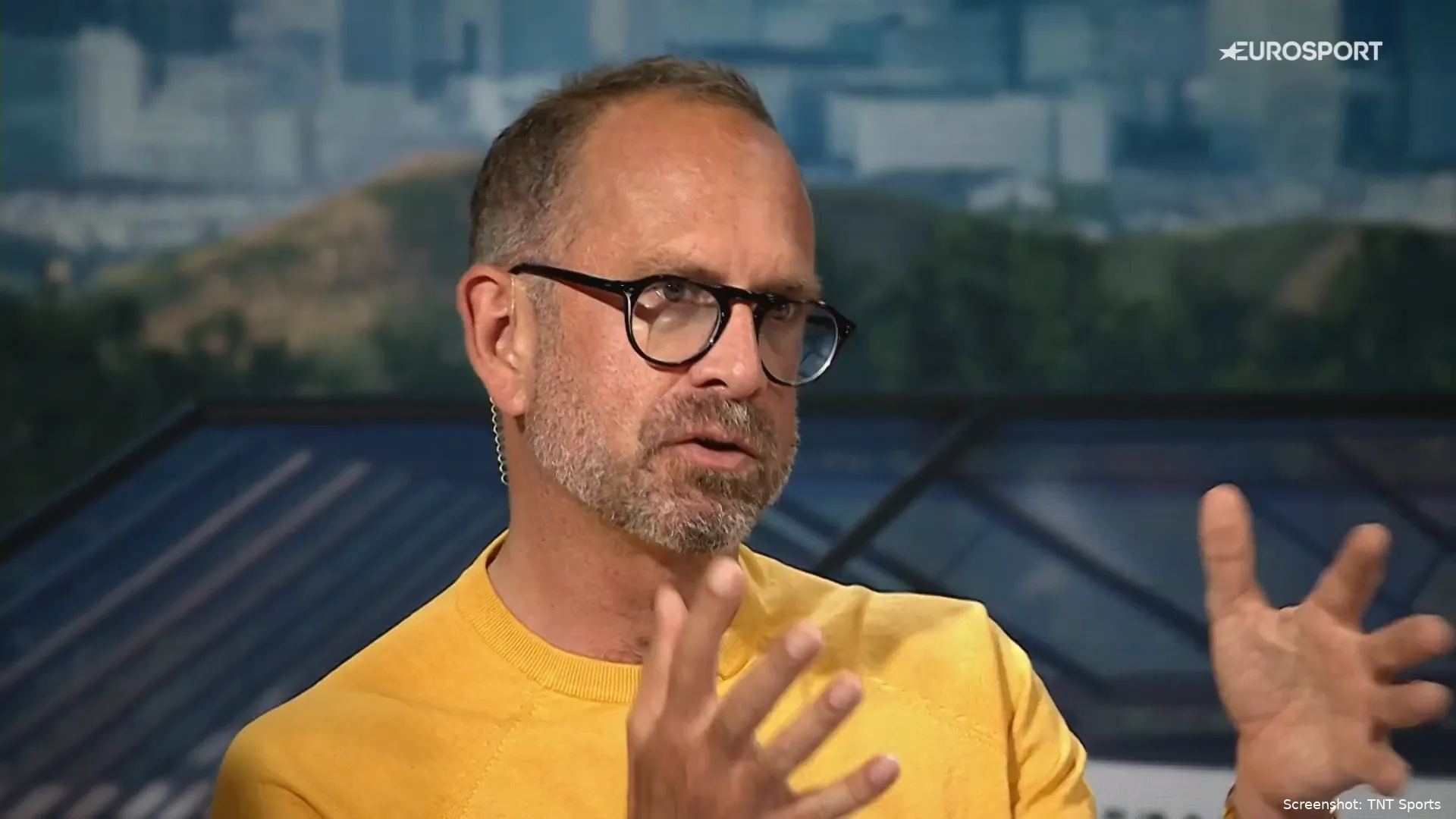
Jonathan Vaughters doesn't think seeing an all-conquering Tadej Pogacar is good for the sport of cycling, but thinks he knows exactly what could be done to even the odds for smaller teams. The EF Education-EasyPost team manager has advocated for a salary cap-style financial system to be implemented going forward.
With Pogacar alonside Mathieu Van Der Poel, Remco Evenepoel and Jonas Vingegaard among those dominating grand tours and monument races, Vaughters knows more than many what it's like to be a small fish competing in the big pond.
His vision is to create a salary cap system that will limit the amount cycling teams are allowed to spend on salaries. In practice, he thinks a rider of Pogacar's wage demands would of course still earn that amount, but would mean that the team would not have the resources to add many other high-earning teammates around a star rider - likening it to be like seeing the Slovenian rider with a lower budget team such as Cofidis.
“I don’t know if Pogacar’s dominance is necessarily good for the sport, but it is interesting to see how it might be,” Vaughters said on Team EF Coaching's The Cycling Performance Podcast.

Vaughters advocates for salary cap
He added: “Pogacar can still earn his 10 million euros a year, but the rest of the team will have to make do with the minimum. As if Pogacar were riding for Cofidis .”
However, Vaughters sees the positive effects for fans being increased unpredictability. Meaning teams with the top stars would theoretically have weaker teammates around their stars, making it more difficult for them to control races for them - thus producing more unpredictable and exciting situations.
Vaughters said: “Then we have an interesting race and I become curious again about who wins. Now you have the strongest rider riding for the strongest team. That becomes too predictable. You want a sport that isn't like that, where you don't know who is going to win until the very last moment. That is what the fans want.”
Read also
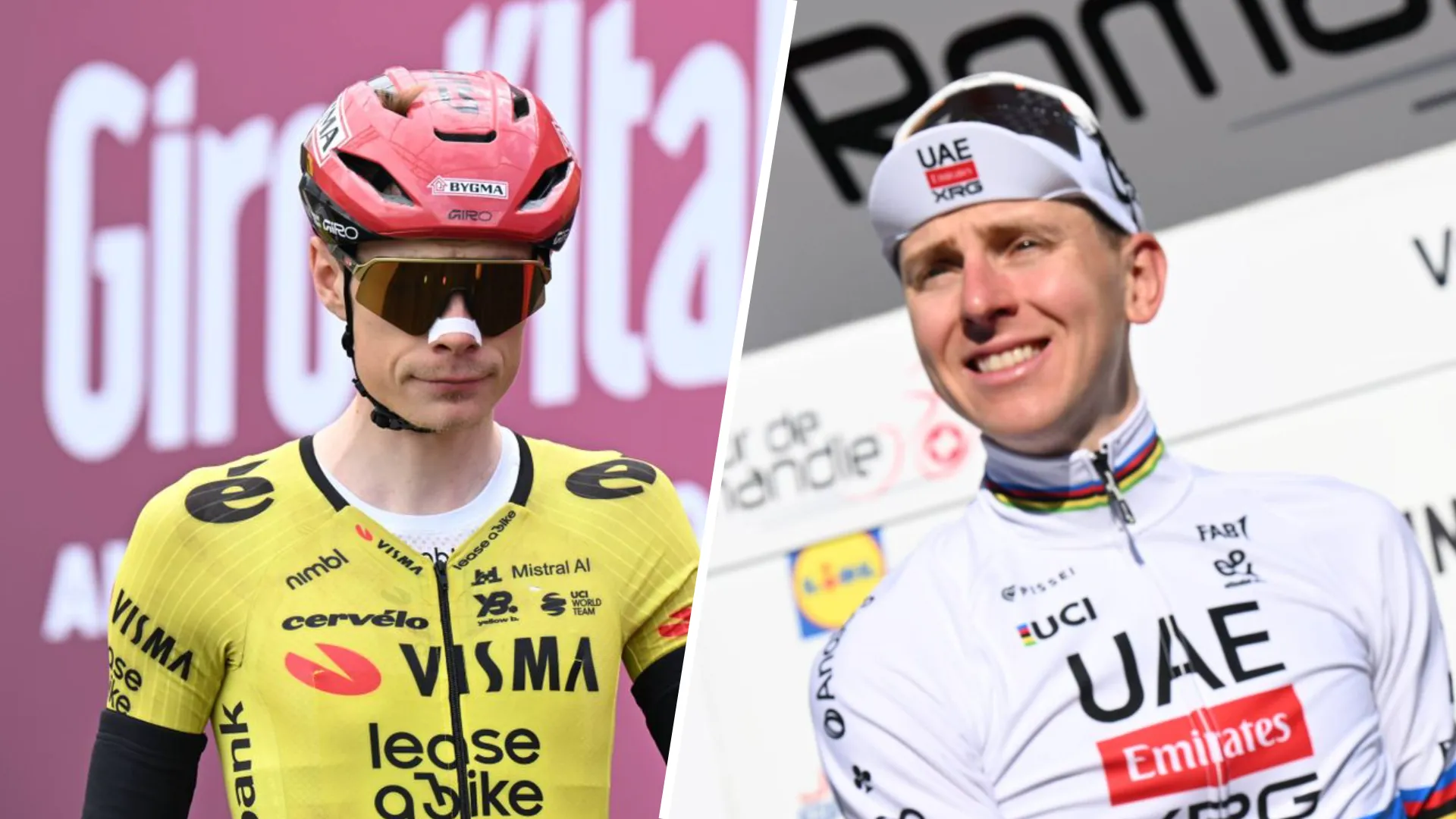
“In the Strade Bianche, you know every year where Pogacar is going to attack,” Vaughters says. “Now suppose his team can’t control anything and, after his attack, he first has to bring back a breakaway of forty riders; that is when it really gets interesting again.”
claps 34visitors 2
Just in


Popular news
Latest comments
- Boy, with 29 kms to go, Felix Gall could be fumbling his podium spot. Crazy scenesantipodeanpedalfan29-05-2026
- Remember one thing... we have Pogi 2019-2023 and Pogi 2024-till he retires. Pogi since 2024 became an alien, he doesn't crack anymore. Capish?marco-thomson29-05-2026
- There is a HUGE difference between sprint stages and mountain stages. The biggest stars of cycling are remembered by mountain stages and Monuments: Merckx... Hinault... Coppi.. Indurain ...Anquetil ... Pogacar... and Vingegaard. Where are the sprinters? Nowhere!!!marco-thomson29-05-2026
- The media, cycling analysts, the French, Belgian, Dutch and Danish sore losers are reacting poorly to defeat. Rather than accepting a loss graciously, they often become angry, complain, blame others, or make excuses: "We have to stop Pogi one way or another, inevitable, regardless of the specific method, effort, or path taken to achieve it. Whatever means necessary: 1) making anti Pogi routes... 2) the whole peleton working against Pogi... 3) sabotaging Pogi's bike, food and his safety... deliberately damage, destroy, or obstruct Pogi to prevent him from being the G.O.A.T." PS: Jonathan Vaughters can be the leader for the Anti Pogi Campaign for achieving the goal. Shame on you all. If Pogi was French, Belgian, Dutch or Danish, nobody would be talking about this. Pogi is a proud Slovenian, and when he will retire from cycling, you'll all get the middle finger. Capish?marco-thomson29-05-2026
- UAE's budget is slightly higher than Red Bull, Visma or Ineos. I don't think Pogacar's team is going to be like Cofidis all of a sudden. They would still have enough firepower to be dominant as long as Pogacar is healthy.
 PogiFan2Day29-05-2026
 - JV blocked me years agoslappers6629-05-2026
- Something needs to be done / races being so predictable is the death of the sport - who will pay to watch this on TV which is the whole financial model - revenue for organizers and exposure for sponsorsCrashjames29-05-2026
- What don't you ask him?
 leedorney29-05-2026
 - That's a good idea, this is how it used to be, like in Greg Lemonds era, he was the biggest paid rider & his domestiques where not on his wage - tho how many Arab countries sponsor cycling teams now ? if they didn't, what'd be left..leedorney29-05-2026
- Someone offers JV $40-50mill a season to play with his tune would be different. Funny how its the less wealthy teams who shoutslappers6629-05-2026
Loading
8 Comments