"It’s absolute chaos" - Lance Armstrong can't get over Tour de France stage 13 after massive breakaway has its day
Cycling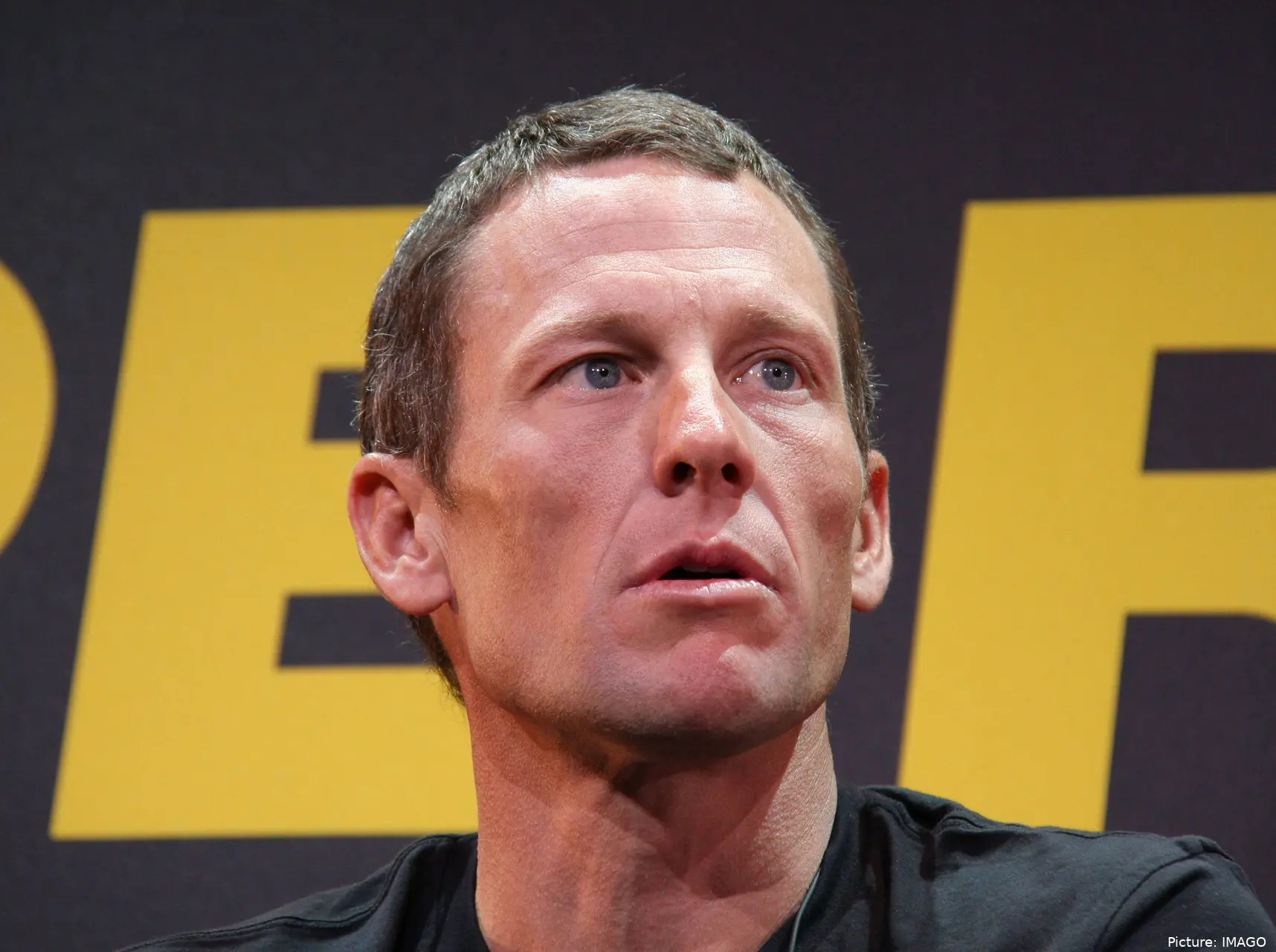
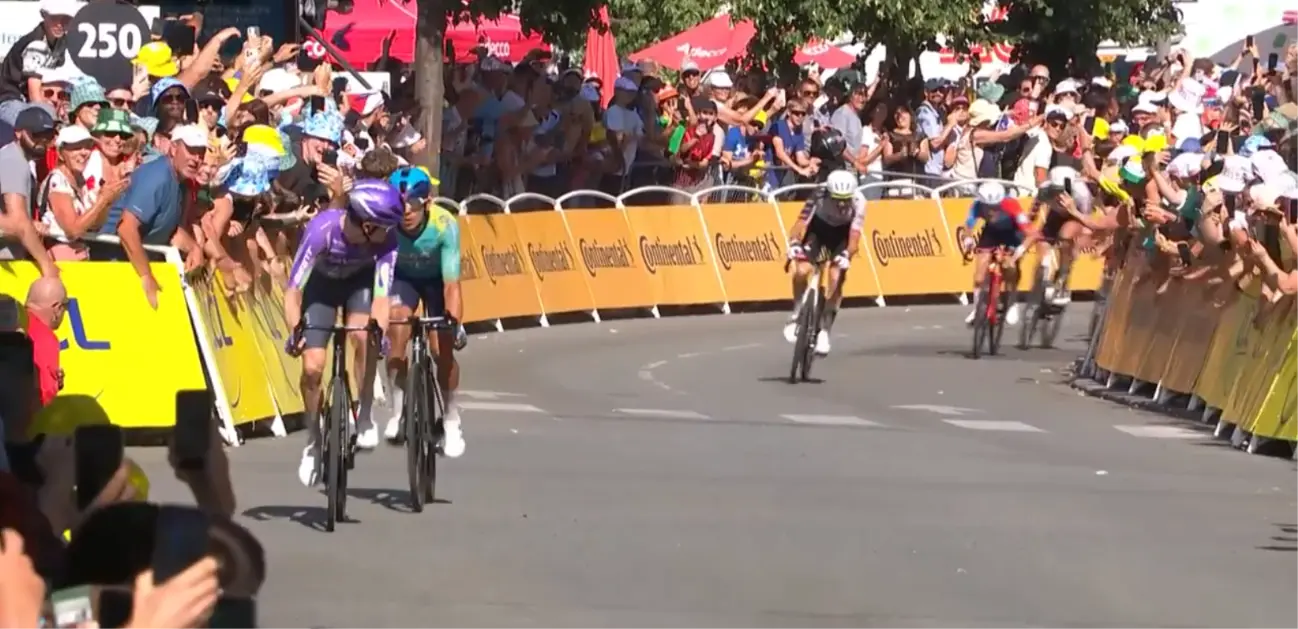
Stage 13 of the Tour de France delivered one of the most unpredictable days of this edition and drew a unanimous reaction on The Move. Lance Armstrong, George Hincapie, Bradley Wiggins, and Spencer Martin agreed it was the most entertaining stage so far after a giant break of 57 riders, Mauro Schmid’s win, and another twist in the fight for the overall standings.
The show opened with a very different tone to recent days. Rather than focusing on the Tadej Pogacar–Jonas Vingegaard duel, the debate turned to the chaos from kilometre zero and how such a large move could thrive without any team managing to shut it down.
“I think the big winners today were the viewers,” summed up Lance Armstrong as he began the analysis. The American said some earlier stages had been too predictable, but this time he enjoyed a wide-open race from start to finish.
“There were a few dull days, but today I was thoroughly entertained,” he said, highlighting the uncertainty created by a break that swelled to 57 riders.
Bradley Wiggins shared that view and said it was the type of stage many fans had been waiting for since the start of the Tour. “It was the stage we were waiting for,” the Briton explained. “It was a very strange day, with some teams making big mistakes and others panicking to try to protect positions on GC.”
Read also
Blistering pace of stage
The 2012 Tour winner also underlined the blistering pace of the race. The organisers confirmed an average speed of 49.999 kilometres per hour, making it the fourth-fastest stage in Tour history despite nearly 2,400 metres of climbing.
Spencer Martin picked up on that number to stress the huge toll the riders paid all day: “The fourth-fastest stage ever with that much climbing. It’s insane,” he said.
One of the episode’s key themes was the enormous break that ended up shaping the race. George Hincapie admitted it is never easy to manage a move of that size and described the sheer chaos it creates both in the peloton and in the team cars.
“There must have been a ton of panic in the cars,” he said. “Directors asking who was up the road, which teams would work, and trying to figure out who had made the break.”
The American noted that in the Tour de France it is highly unusual to allow a break of such magnitude and believes the road captains of the major squads bear some responsibility: “We would never have let a 57-rider break go,” he said bluntly.
Armstrong went further, explaining what a situation like that feels like from inside the peloton. When a break reaches that size, he said, it becomes almost impossible to identify everyone involved.
Armstrong on controlling the breakaway
“The sports director starts asking who’s up there and you can barely recognise ten riders,” he recalled. “Then Race Radio starts reading out all 57 names one by one while someone in the car tries to write them down and check their GC positions. It’s absolute chaos.”
The Texan even recalled a similar scenario during his racing career, when a large move briefly threatened his Tour lead. He remembered in particular a stage where Alexander Vinokourov slipped into a break before his team realised.
“When we found out Vinokourov was up there, we panicked,” he admitted. “Luckily he punctured and came back to the peloton. If that hadn’t happened, that Tour probably would have changed completely.”
Beyond the spectacle of the break, another focal point of the discussion was Mads Pedersen. The Dane produced another huge effort to defend the points classification lead, something that especially impressed Armstrong.
The American highlighted the massive work the Lidl-Trek rider did to latch onto the second chase group and contest the intermediate sprint: “That might have been the effort of the Tour,” he said. “Everything he did to get there and bag those points could prove decisive in winning the green jersey.”
Bradley Wiggins also stressed the toll of fighting for that secondary classification: “Now the intermediate sprint is almost a stage within a stage,” he explained. “Then they still have to face the final climbs. There’s no respite for anyone.”
However, Spencer Martin believes the stage also exposed some tactical missteps by Lidl-Trek: “It was a disastrous day for them,” he analysed. “They missed the initial move, Pedersen had to burn a huge amount of energy to bridge, and then the team had to work for most of the day because Tom Pidcock was up the road.”

Tom Pidcock, the big winner from the break
Tom Pidcock the big winner
The Briton was, in fact, another central figure in the discussion. Both Wiggins and Armstrong agreed the stage could completely reshape the Q36.5 rider’s ambitions. Bradley Wiggins did not hesitate to name him the day’s tactical standout.
“My move of the day is Tom Pidcock,” he said. “Every morning he says he wants to get in the break, and then he does. He did it again today and is now fully in the fight for the podium.”
The former British pro recalled that Pidcock likely came to the Tour aiming primarily for a stage win, but he believes the circumstances have changed completely: “He’s now fully involved in the podium battle because that contest is still wide open,” he asserted.
Armstrong also underlined the Olympic mountain bike champion’s outstanding form, especially considering the heavy crash he suffered in the opening days of racing: “He’s had a brilliant last five days,” he noted. “And I don’t think that’s the last we’ll see from him.”
George Hincapie shares that view and believes that once a rider finds good sensations in a Grand Tour, he often keeps that momentum: “When the momentum swings your way, it usually keeps going in that direction,” he explained.
Read also
Mauro Schmid praised
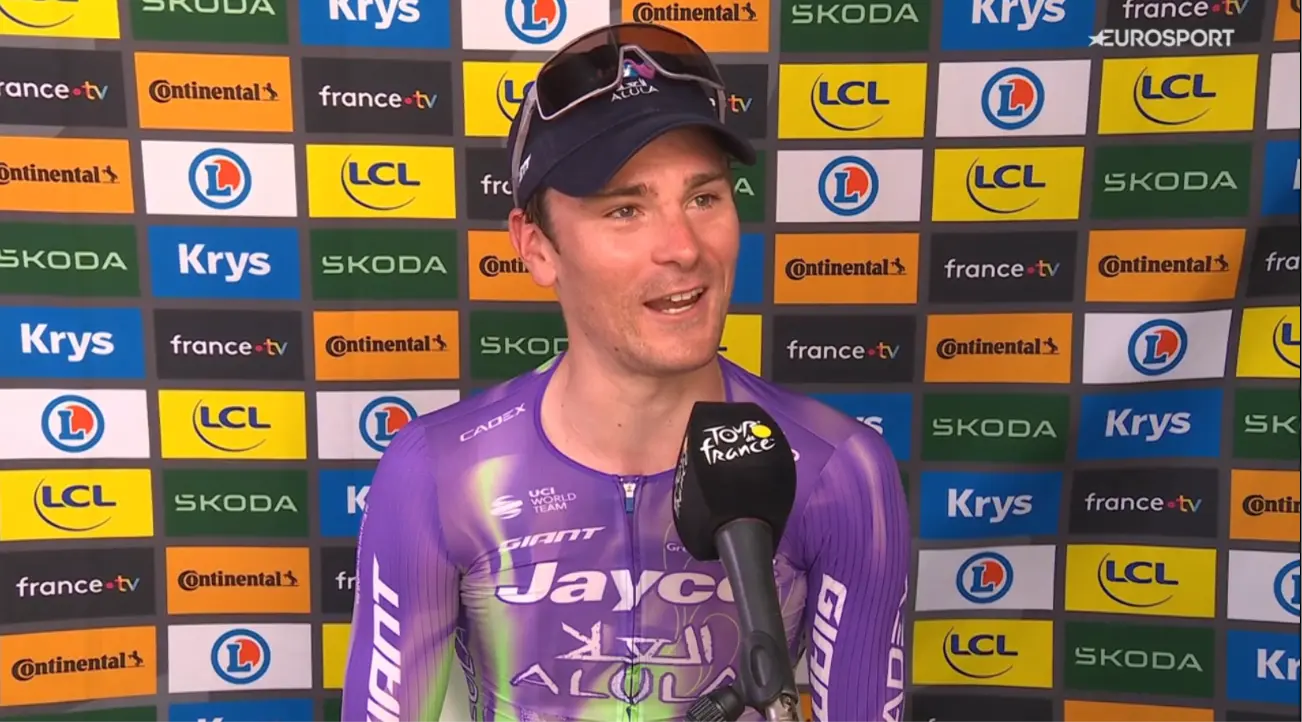
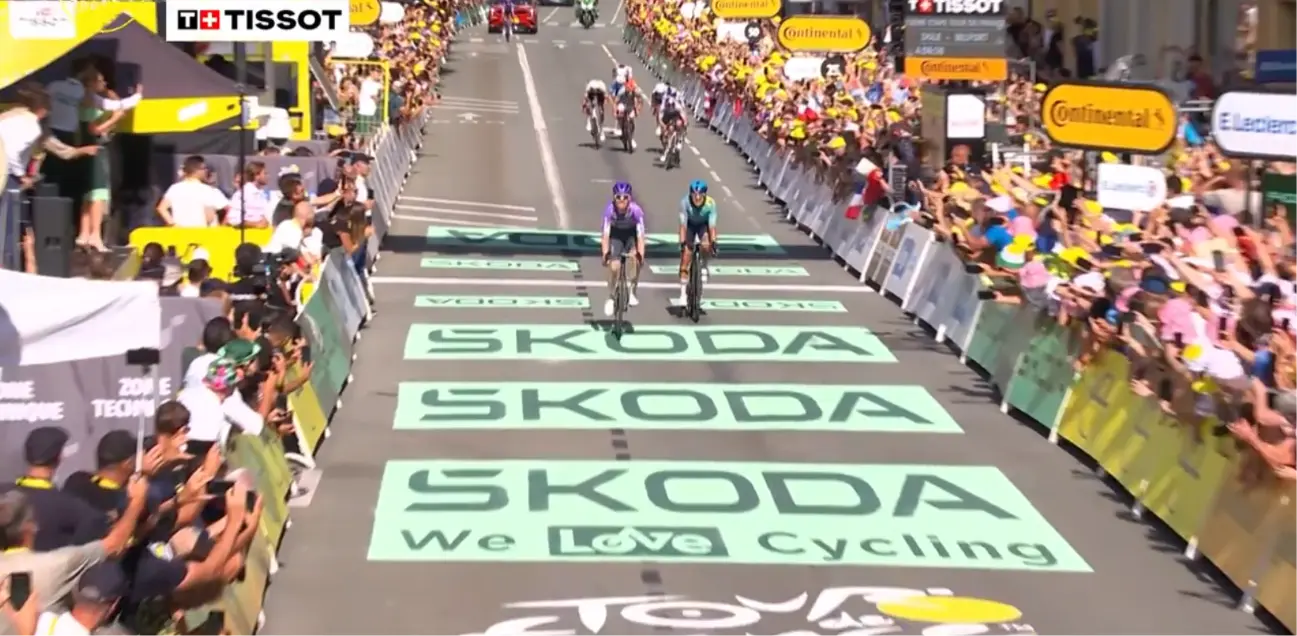
The four panellists also heaped praise on the stage winner, Mauro Schmid. Spencer Martin recalled the crushing disappointment he suffered a year ago when he lost a Tour stage by a few centimetres and feels that experience proved decisive.
“Losing a Tour stage in a sprint must keep you up at night for a whole year,” he said. “To come back twelve months later and win shows huge mental strength.”
He also highlighted that the Swiss rider admitted after the stage that he had been battling cramps for several kilometres before the finale. Armstrong paused on the exact moment the race was decided. After reviewing the footage multiple times, he explained that Schmid launched the decisive attack when the front group still had around a dozen riders.
“As soon as he got fifty metres, I thought it was done,” he said. “I knew the chasers would start looking at each other and lose their organisation.”
For the American, that acceleration was the true winning move of the stage and perfectly illustrates how to race these open-ended finales.
Gavin QuinnCycling Journalist
Gavin Quinn is a cycling journalist and ultra-distance cyclist with a BA in Journalism from Dublin City University. Formerly the Press & Communications Officer for Cycling Ireland, Gavin has worked inside the national team at the World Championships and has reported for the Irish Mirror, Mirror UK, and The42.
His expertise is backed by elite-level access, having interviewed stars like Sam Bennett and Ben Healy, as well as immense personal endurance. In 2025, he completed a 12,000km solo cycle from Ireland to Vietnam, following a 4,600km tour across Europe. From the cobbles of Paris-Roubaix to the gradients of the Tourmalet, Gavin’s writing focuses on the "romance and brutality" of the sport. Having visited 50+ countries, he brings a global, cultural perspective to his coverage of the pro peloton for CyclingUpToDate.
claps 0visitors 0
Just in
Popular news
Latest comments
- UAE was really badly positioned at the last climb, and Ineos did a great job of making that happen at the bottom. That must have affected del Toro and the rest. His attack wasn't spectacular, and they hadn't ripped apart the bunch enough, letting a large group remain in back to reel him in. UAW lost the race on the road to the climb and the bottom third of it, I think.RidesHills08-10-2026
- He won in exactly the same way as others. By being the fastest to complete the stages.mobk08-10-2026
- Very surprised del toro couldn't beat everyone here against lesser competition. He's well on his way to being top 5 in the worldbruins3008-10-2026
- Being the best rider left in the race is pretty much the only way to win in any edition, surely? Seems reductive to say "they only won because the entire peloton wasn't as absolutely stacked as it could've been" - you can only beat who is in front of you.wrsty08-10-2026
- I’m sorry but generally the coverage on your site is first class but this incident highlights something I just don’t get with cycling journalism. This accident should never have been allowed to happen, it comes uncomfortably close to the Finlay Tarling tragedy and two other incidents took place within days of this. I checked all of the cycling websites and you all put out basically the same story. Pidcock gave journalists the perfect opening to blow this sky high, what has the UCI got to say? What is Adam Hansen doing? What do the organisers say? Nothing, you all trot out the same easy quotes taken from Pidcocks interview after the race but do nothing to follow it up. I see it time and time again, journalists taking the easy way out but being outraged when it happens again as it surely will. Riders can’t do this but journalists should be independent and should be able to raise these uncomfortable questions but cyclinguptodate and every other on line publication prefer to take the easy way out. That’s the real tragedy here.Paul53108-10-2026
- Happy to help :-)Mistermaumau08-10-2026
- Well, ok but, it’s also a structural, team, budgeting, direction and all sorts of other issueMistermaumau08-10-2026
- I wouldn’t call it an analogy but maybe his criticism is a little unfair. On the other hand, the fact Cicco made a public affair out of it despite having received all the explanations and proof makes me feel he now deserves being criticised for not accepting there is nothing to discuss.Mistermaumau08-10-2026
- Much as I like him (one of my favourites), I do want to attract a little attention to the coincidence of his recent performances in the current context. Not the first time a rider improves noticeably when there’s a job interview to prepare. In the same lighthearted humour of his, i hope the UCI will let him wear it at home as the rules quite strictly state you can only wear it during participation in the discipline you won in, and we all know how capable they are of interpreting rule interpretation ;-) Also, if it’s going to be retirement (please not), I wouldn’t call that an agreement as somebody will probably feel they didn’t get what they wanted.Mistermaumau08-10-2026
- Agreed. There used to be a team willing to pay though. I take all these figures (that vary enormously according to who is publishing) with handfuls of salt. We don’t know how salaries are treated (especially between a UK employer and Andorran resident), we don’t know how numbers are derived and from where, if deductions have been taken into consideration, etc. but if he returns to Colombia, he’s going to need quite a bit in protection money.Mistermaumau08-10-2026
Loading
Write a comment