Jonas Vingegaard slammed as "downright embarrassing" after Euros DNF by Danish icon: "It doesn't reflect well on him"
Cycling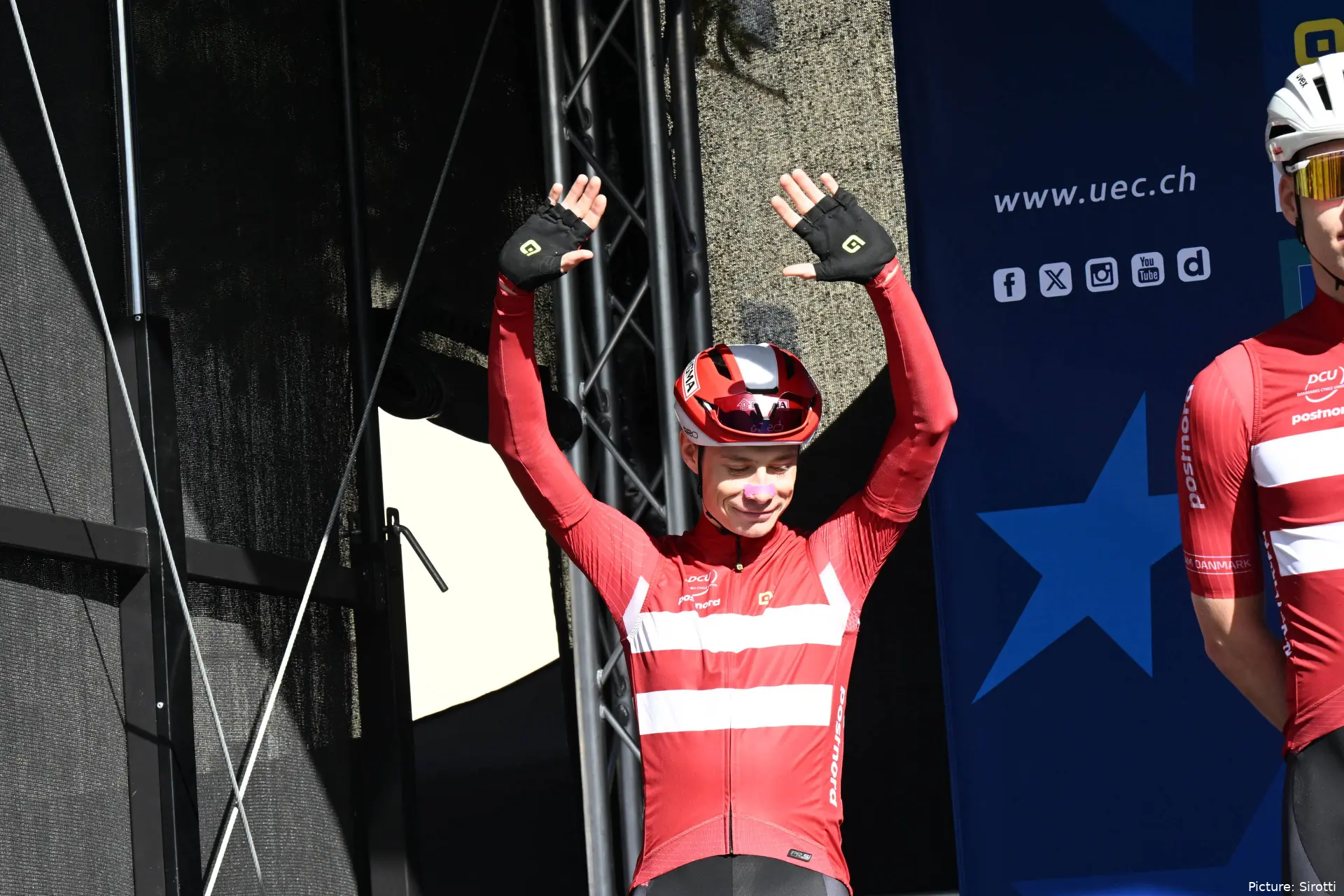
Jonas Vingegaard’s long-awaited debut for Denmark’s elite men’s national team at the 2025 European Championships was met with crushing criticism on Sunday, as former Tour de France king of the mountains Michael Rasmussen labelled the performance “downright embarrassing” and accused the two-time Tour champion of not taking the assignment seriously.
“What he delivered yesterday at the European Championships was downright embarrassing to watch,” Rasmussen said bluntly in the Viaplay studio during his analysis. “He hasn’t taken the assignment seriously. That’s obvious. It doesn’t reflect well on him, because there are plenty of riders who would’ve loved the opportunity to ride this race.”
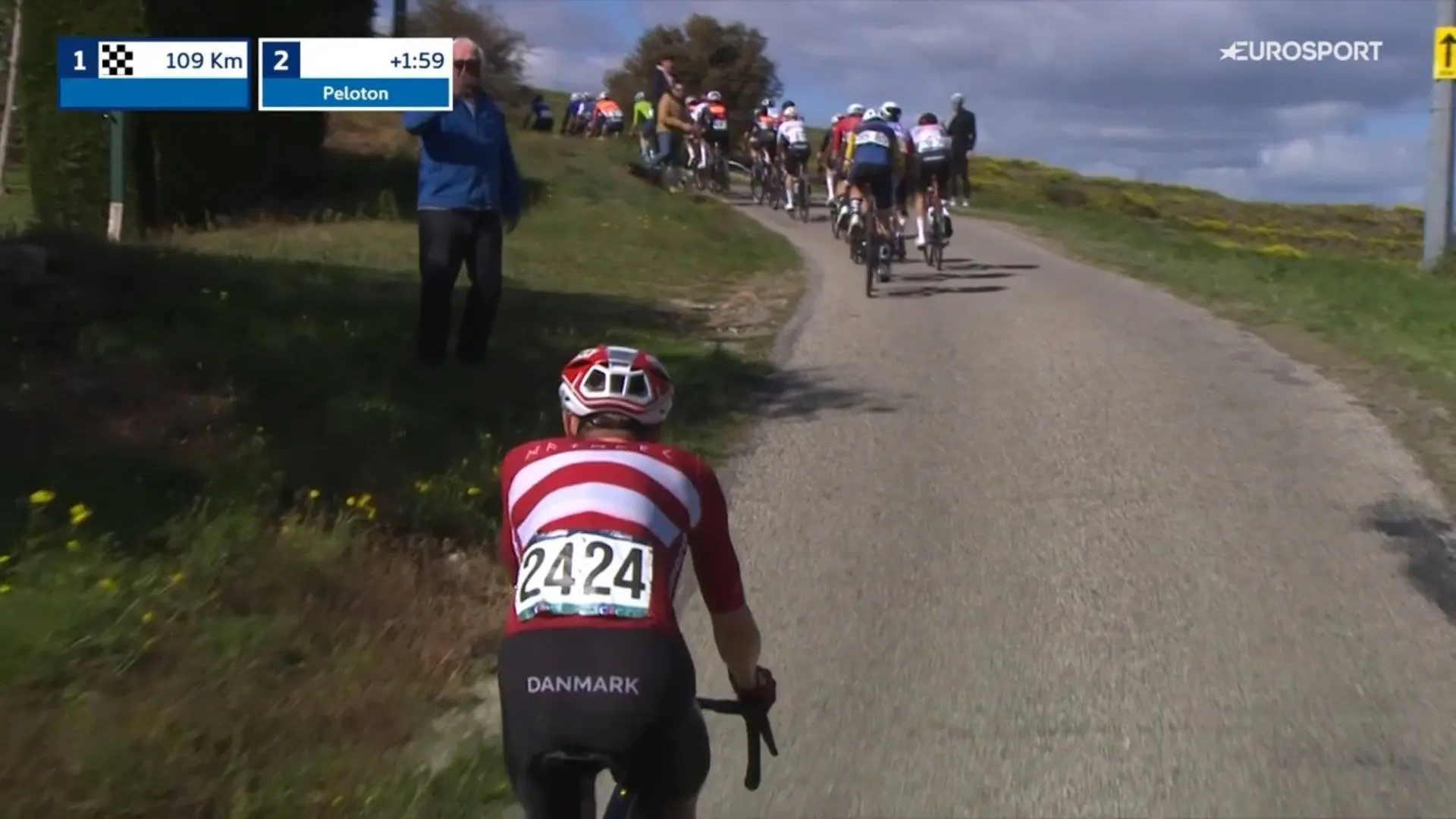
Vingegaard was dropped with more than 100 kilometres still to go in the race on Sunday afternoon, on a hilly course that had been widely tipped as suiting his capabilities. As soon as the pace was lifted even slightly however, the Danish leader slipped out the back of the peloton — and never returned. He abandoned the race shortly afterwards, continuing a trend: Vingegaard has not completed a one-day race since the spring of 2022.
“He Knew He Wasn’t Ready” – Rasmussen Doubts Vingegaard’s Explanation
After the race, Vingegaard offered two reasons for his sub-par showing: he’d had “a bad day,” and had been forced to take an unexpected two-week break from training following his overall win at the Vuelta a Espana, due to fatigue and recovery needs.
But Rasmussen wasn’t convinced. “I just can’t understand how he can say it was a bad day,” Rasmussen continued. “He knew full well when he came to the Euros that he couldn’t even dent a soft hat. He said himself that he hadn’t trained for two weeks.”
Rasmussen even went further, calling it “enormously naïve” if Vingegaard genuinely believed he could perform at a high level under those circumstances.
His criticism was echoed by Bjarne Riis, who also questioned Vingegaard’s preparation, saying the Dane had simply not trained enough to realistically compete. “He didn't take it seriously enough,” Riis told Feltet.dk, suggesting Vingegaard should have considered withdrawing, as Michael Valgren had done before this year’s World Championships.
DCU Focuses on the Long Term
While former pros didn’t hold back, Denmark’s national federation took a more supportive tone post-race. Head coach Michael Morkov and elite sport director Morten Bennekou acknowledged the performance was far below expectations — but stressed that Vingegaard’s presence was still valuable. “It’s been a great pleasure to have Jonas Vingegaard with us,” said Morkov. “He’s contributed enormously — not just to the elite team, but also to the younger riders. I’m quite sure he’s had a good experience with the team despite how the race unfolded.”
Bennekou added: “He was out so early that we can all agree it wasn’t there today. But we all thought it was worth trying — he did, his teammates did, and we did.”
Both Bennekou and Morkov said they hoped it was just the beginning of Vingegaard’s career in national colours. Sunday’s race was his first-ever appearance for Denmark’s elite road team, despite his success on the sport’s biggest stages.

Kieran WoodDeputy Editor-in-Chief
Kieran Wood is a sports journalist based in Wales and has been active in journalism since 2022. He regularly contributes to DartsNews.com and CyclingUpToDate.com, where he covers professional cycling and darts. In cycling, his work includes liveblogs from major races, including the Tour de France, the Giro d’Italia, and La Vuelta a España, alongside race reports and analysis. He has also conducted interviews with professional riders.
His reporting spans the full racing calendar, from one-day classics to stage races, with a focus on accurate, real-time coverage and clear contextual analysis. For statistics, results, and historical context, he regularly uses resources such as ProCyclingStats. To support reporting on rider activity and training context where relevant, he also references Strava.
In his work, Kieran places strong emphasis on careful sourcing, editorial accuracy, and updating articles as new, verified information becomes available.
claps 14visitors 7
Just in
Popular news
Latest comments
- Campenaerts looked like a rolling pumpkin with that all orange leaders skinsuit !frieders318-10-2026
- He can take his dumb a$$ politics somehwere else !frieders318-10-2026
- good to have her back. fingers crossed she‘ll be able to stay!Ketterechts17-10-2026
- A tenner and he wins the Tour next year, too 😂anonymouscyclist17-10-2026
- the answer is either stick to classics or GTs but not bothabstractengineer17-10-2026
- the exodus already stared with Ciccone. Already they were struggling with two sprinters, now there are three. Also Ganna will demand leadership. Gall is the most proven GC, Ayuso has the most potential. GC leadership for everybody will be impossible. Literally a UAE style mess without pogi.abstractengineer17-10-2026
- I raced as an amateur for 12 years, including six years on my country’s national road cycling team. I secured two national titles and competed in three World Championships plus more than 15 international stage races. At 23, we travelled to Italy for a training camp—or so I assumed. On a rest day, we watched a presentation about adopting a more “professional” training approach. It was crystal clear what “professional” meant. That moment first exposed me to this dilemma. After returning from Italy, I left cycling—at least at the competitive level I had known. Over the following two years, the whole team was caught doping. I hold that everyone is innocent until proven guilty. In my view, current stakeholders operate on a different scale, and the sums involved are vast. I am unsure whether any doping would ever be revealed. I try to stay positive and enjoy the show. My 2c.
 vannpelt17-10-2026
 - Fiver he wins 🤣
 leedorney17-10-2026
 - “…measures to reduce speeds.” Might as well shorten the race course to just 50km as well? ASO generates at minimum €300m a year and 30- 40% profit. Maybe stop being greedy and spend more of the profit to protect the riders instead.b3tlla17-10-2026
- he also had quite the life off the bike during his pro years. he used his celebrity status to full affect.mij17-10-2026
Loading
6 Comments