“It’s not a small amount of money" - Tour de France worth huge €130 million to Barcelona as Grand Depart showcases city to billions
Cycling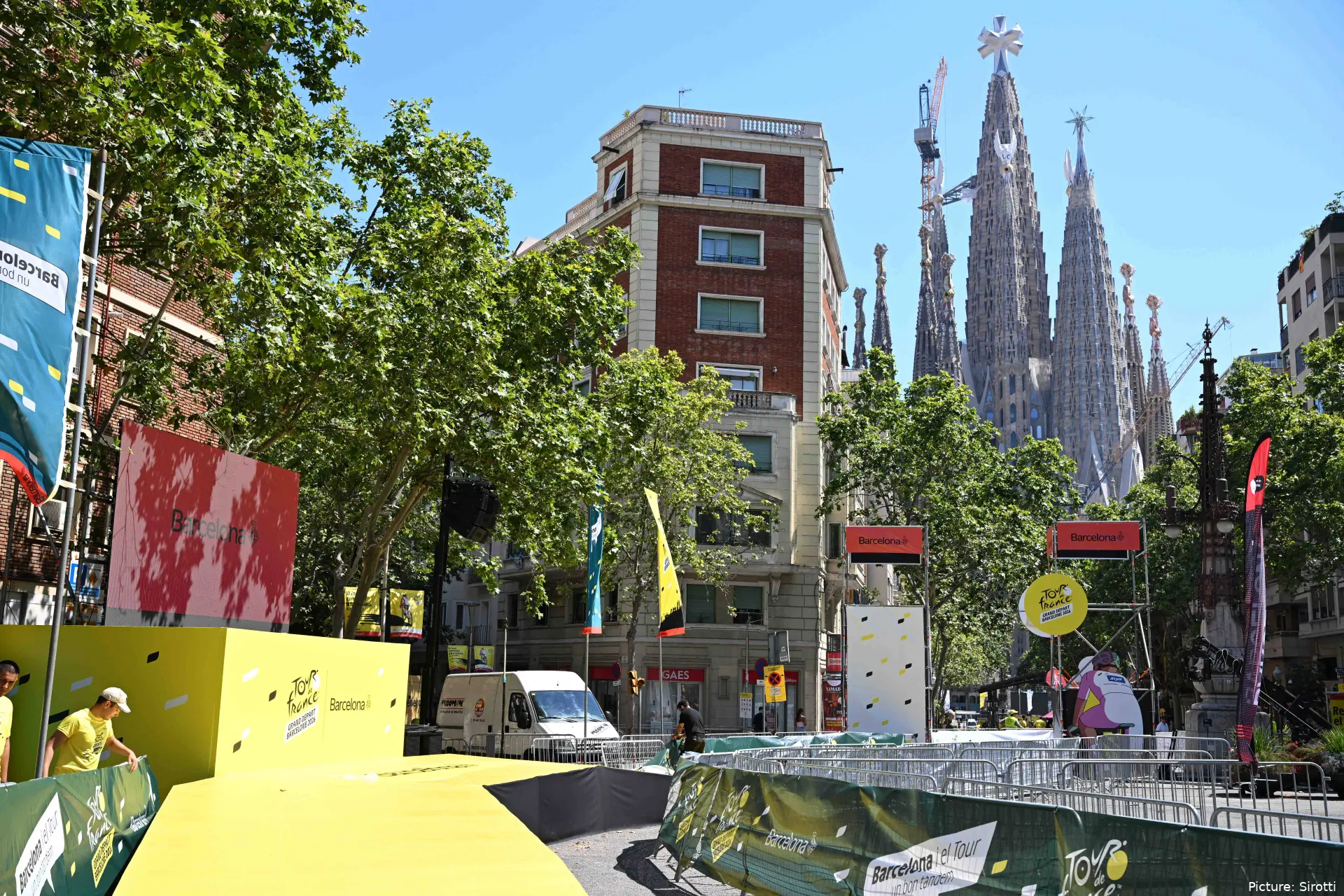
Hosting the 2026 Tour de France Grand Depart is big business for Barcelona as a professor predicted that the showcase could be worth tens of millions in economic impact for the city.
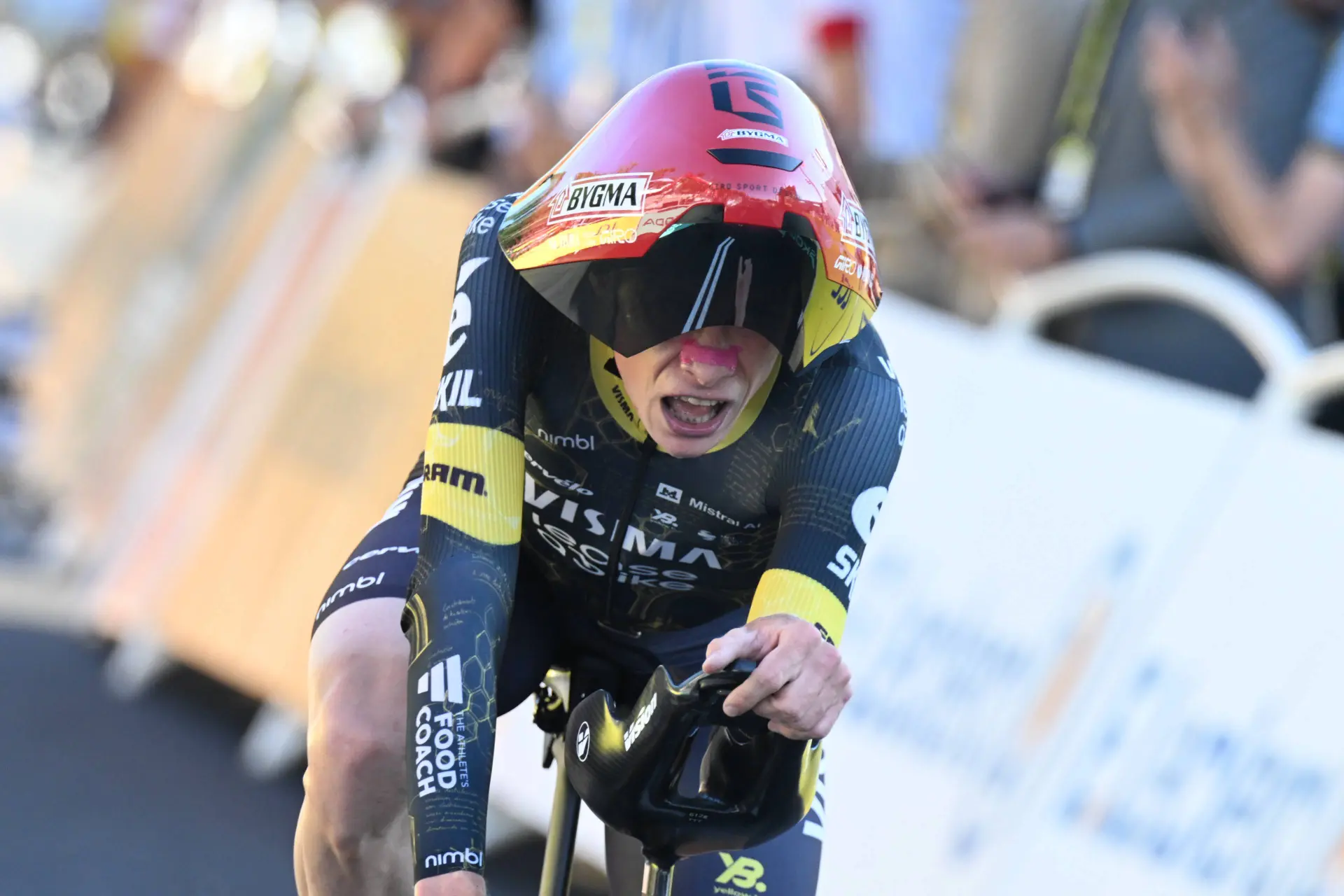
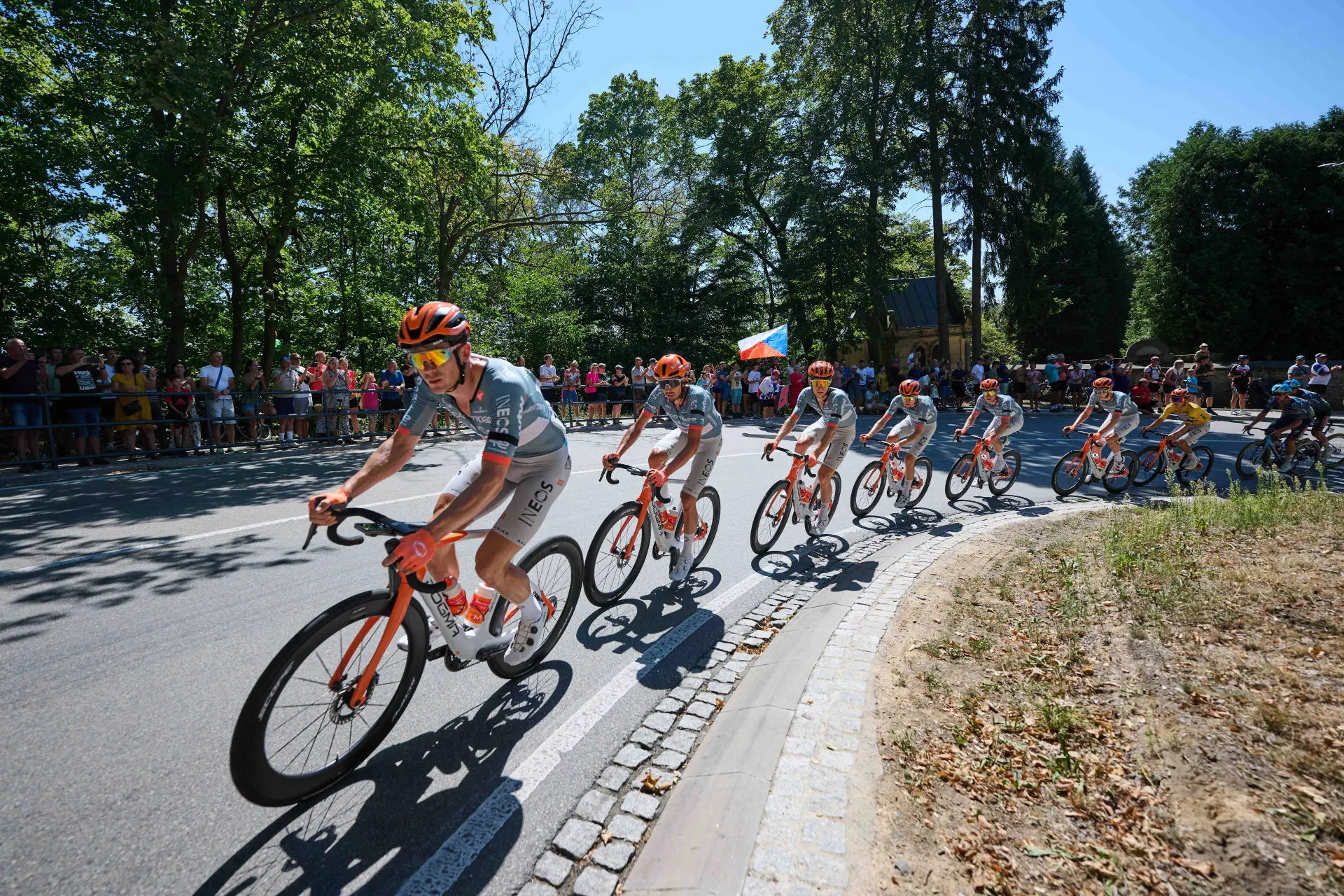
With Saturday and Sunday's finishes taking place around the Catalunyan city's iconic streets and landmarks, the 2026 Tour de France kicked off with a beautiful backdrop and a memorable team time trial as Jonas Vingegaard won the first yellow jersey of the race.
But Barcelona seems to be the real winner as it welcomes tourists from around the world and showcases its city to an estimated accumulative viewership of 3.5 billion over the course of the race. The potential economic impact indicates just how important a Grand Depart can be for its host.
Estimations put the economic benefits for the city in the region of €80-130 million, eclipsing the estimated €10 million it paid to host cycling's greatest show. The estimations come given that its impact cannot be measured just by the three days.
With multiple indicators such as hotels, restaurants, commercial and retail spend all initial indicators, an expert has highlighted that its impact can be measured better by a potential increase in tourism and the city's perception over the coming years.

Grand Depart is big money for Barcelona
“It’s not a small amount of money, but it could be one of the public investments with the highest return in recent years,” Francesc Rufas, a professor at EAE Business School, told MARCA.
Rufas declared: "The direct economic impact could be between 80 and 130 million euros." He added: "Between five and seven times the amount spent."
The biggest attraction is television, with billions viewing the city. Using the example of Bilbao's 2023 Grand Depart, Rufas thinks the city received a profit of at least eight times what they paid to host the event.
"It's airtime on televisions around the world showcasing the city's most recognizable landmarks. Buying that kind of exposure with a conventional advertising campaign would simply be impossible."
Read also
Local residents won't feel economic impact
However, much of the benefits won't impact local residents, who have to contend with inflated tourism numbers, road closures and no windfall.
"None of this will appear on the bill that residents of Sant Martí, Eixample, or Poble Sec will pay during those days."
He added: "These are real costs that fall on residents while the benefits are concentrated in hotels, restaurants, and municipal coffers."
Nonetheless, Rufas believes time will tell when it comes to the benefits. He said: “It’s not in what visitors spend during these three days. It’s in what the world remembers for the next three years."

Gavin QuinnCycling Journalist
Gavin Quinn is a cycling journalist and ultra-distance cyclist with a BA in Journalism from Dublin City University. Formerly the Press & Communications Officer for Cycling Ireland, Gavin has worked inside the national team at the World Championships and has reported for the Irish Mirror, Mirror UK, and The42.
His expertise is backed by elite-level access, having interviewed stars like Sam Bennett and Ben Healy, as well as immense personal endurance. In 2025, he completed a 12,000km solo cycle from Ireland to Vietnam, following a 4,600km tour across Europe. From the cobbles of Paris-Roubaix to the gradients of the Tourmalet, Gavin’s writing focuses on the "romance and brutality" of the sport. Having visited 50+ countries, he brings a global, cultural perspective to his coverage of the pro peloton for CyclingUpToDate.
claps 0visitors 0
Just in
Popular news
Latest comments
- Good grief, who proofreads this stuff? Errors abound.wrsty18-10-2026
- You can add weight to a bike and limit gears or make it single speed if you like. I doubt that would reduce crashes. It would just add another dymanique. All good and well, but It wont stop cars getting on to the course.Cyclingsbestfan18-10-2026
- Seixas is probably second best in the World on short climbs. But that hasn't translated as well to long climbs
 Rafionain-Glas18-10-2026
 - Idiotic fellaRafionain-Glas18-10-2026
- Nothing. Against Pogi nothingabstractengineer18-10-2026
- He didn't even try to sprint all outvappaxbipmv18-10-2026
- Campenaerts looked like a rolling pumpkin with that all orange leaders skinsuit !frieders318-10-2026
- He can take his dumb a$$ politics somehwere else !frieders318-10-2026
- good to have her back. fingers crossed she‘ll be able to stay!Ketterechts17-10-2026
- A tenner and he wins the Tour next year, too 😂anonymouscyclist17-10-2026
Loading
Write a comment