“It’s always an honour to ride for Tadej” – Brandon McNulty hails Pogacar as the greatest of all time as UAE deliver Milano-Sanremo masterpiece
Cycling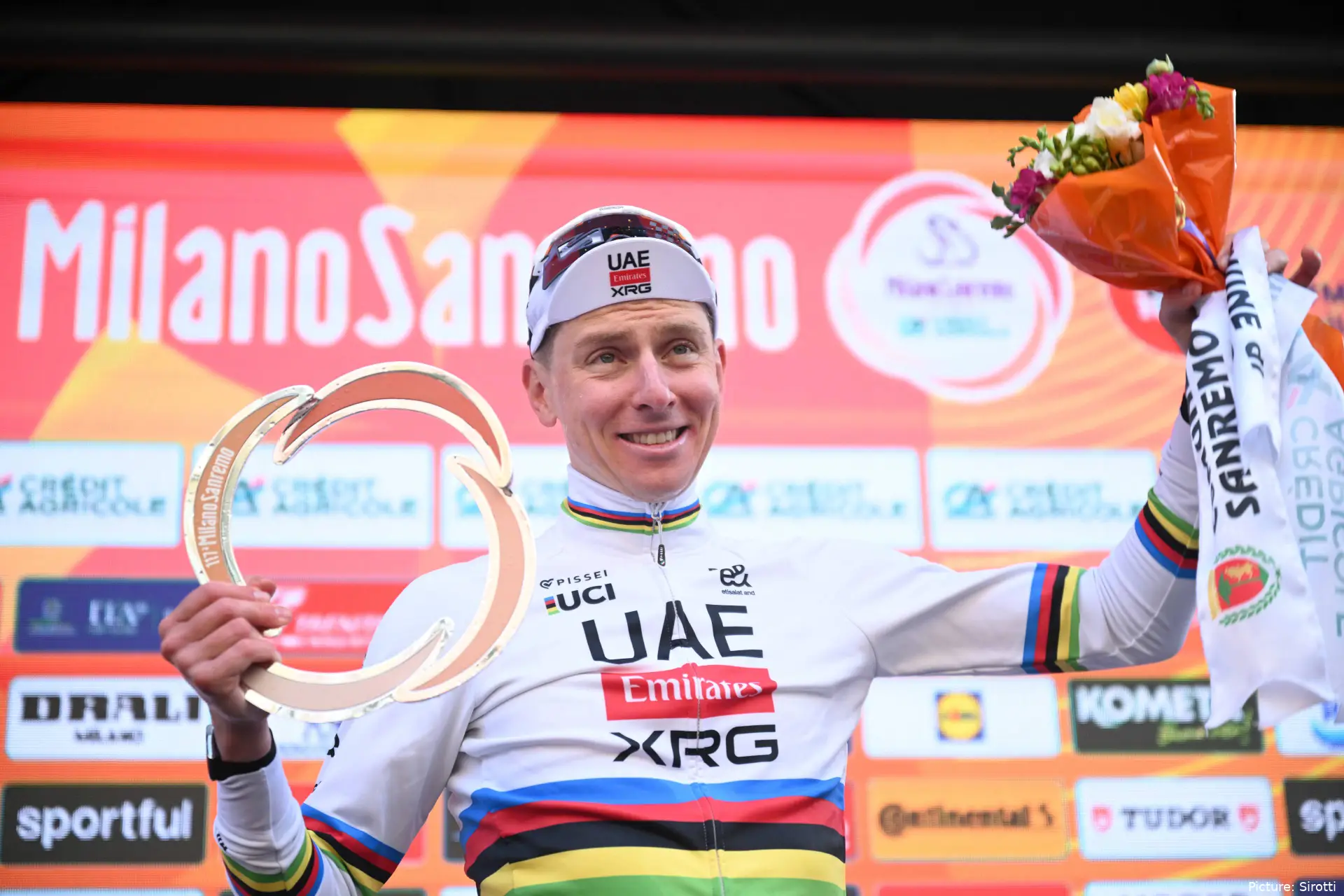
Tadej Pogacar’s long-awaited Milano-Sanremo triumph was defined not only by his own resilience, but by the collective effort of UAE Team Emirates - XRG, and few riders embodied that more than Brandon McNulty.
After a race shaped by crashes, uncertainty and constant pressure, McNulty was one of the key figures in dragging the race back under control for his leader, helping to set up the decisive move that would ultimately see Pogacar win on the Via Roma.
“It’s always an honour to ride for Tadej,” McNulty said after the finish in conversation with Cycling Pro Net. “After what happened in Canada, it’s nice to be able to repay him.”
UAE respond to chaos after crash disruption
Milano-Sanremo rarely unfolds cleanly, but this edition was particularly chaotic. A major crash on the approach to the Cipressa disrupted the rhythm of the peloton and briefly left Pogacar on the back foot at a critical moment in the race.
McNulty admitted there was uncertainty within the team in the immediate aftermath. “We already had some doubts with the headwind because it’s always easier to draft in those conditions,” he explained. “Then the crash happened, and I didn’t really know what was going to happen next.”
What followed was a rapid and decisive response from UAE. As Pogacar fought his way back towards the front, his teammates went all-in to restore control before the Cipressa. “We got back just at the bottom of the Cipressa, and I went as hard as I could to move up to the front. From there, it was just full gas,” McNulty said. “I didn’t really see what was happening at the very front, but the radio was going crazy.”
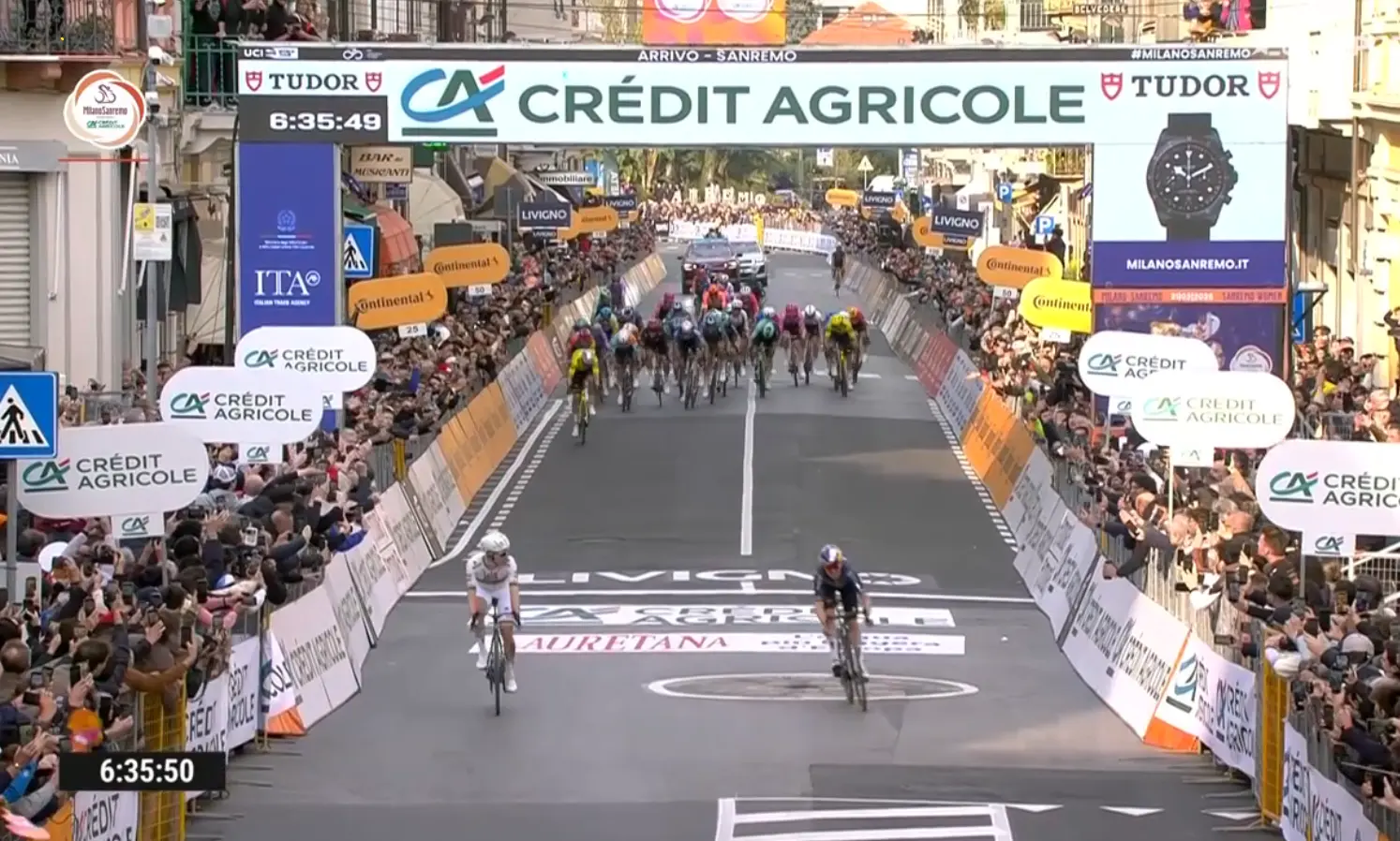
That effort proved crucial. With the race on the brink of slipping away, UAE managed to reset the situation just in time for Pogacar to launch his now race-winning sequence of attacks.
A team effort built on sacrifice
UAE’s performance was not without setbacks. The team had already been weakened earlier in the race, losing riders and having to adapt on the fly as the situation evolved. “Of course it wasn’t straightforward,” McNulty continued. “We lost Christen quite early, and I actually saw him just behind in the cars. It looked like a bad crash, so already we were one rider down.”
Despite that, the remaining riders committed fully to the plan. “But the guys rode incredibly through the Capi. We had some trouble, but we managed to get back into position, and in the end, he finished it off.”
That final line summed up the division of roles. UAE did the groundwork. Pogacar delivered the finish.
“For me, yes” – McNulty on Pogacar’s place in history
Pogacar’s victory in Milano-Sanremo carries historic weight. It completes another major piece of his Monument collection and reinforces his growing status within the sport.
For McNulty, there was little hesitation when asked if his team leader is the sport's G.O.A.T. “I think so. For me, yes.”
It was a simple answer, but one that reflects the impression Pogacar continues to leave on those closest to him. After crashing earlier in the race, fighting his way back into contention and then dropping all but one rival before winning a photo finish, the performance only added to that reputation.
Milano-Sanremo is often described as one of the hardest races to win. On this occasion, it took not just individual brilliance, but a full team effort under pressure.
McNulty’s words made that clear. Pogacar may have crossed the line first, but the victory was built on something bigger.

Kieran WoodDeputy Editor-in-Chief
Kieran Wood is a sports journalist based in Wales and has been active in journalism since 2022. He regularly contributes to DartsNews.com and CyclingUpToDate.com, where he covers professional cycling and darts. In cycling, his work includes liveblogs from major races, including the Tour de France, the Giro d’Italia, and La Vuelta a España, alongside race reports and analysis. He has also conducted interviews with professional riders.
His reporting spans the full racing calendar, from one-day classics to stage races, with a focus on accurate, real-time coverage and clear contextual analysis. For statistics, results, and historical context, he regularly uses resources such as ProCyclingStats. To support reporting on rider activity and training context where relevant, he also references Strava.
In his work, Kieran places strong emphasis on careful sourcing, editorial accuracy, and updating articles as new, verified information becomes available.
claps 10visitors 9
Just in

Popular news
Latest comments
- writing about yourself in third person ... please, at least have someone else from your staff author these self-coverage articles!Ketterechts25-11-2026
- Don’t forget Yates’s podium at 2023 TdF!Lozza25-11-2026
- It was stage 14 to Morzine that Carlos Rodriguez won in 2023, not Puy de Dome. And Kwiato actually won the previous stage himself to Grand Colombier!Lozza25-11-2026
- Go Pogi!! 🐐❤️Lozza25-11-2026
- They didn’t have or need “extraordinary information”. All they needed was for a French judge to sign off on the night-time testing for it to go ahead.Lozza25-11-2026
- If the sponsors voted for Primoz then you get him, otherwise not.flyer25-11-2026
- It sure can feel or seem that way but I wonder if the same amount of prodigious performances (compared to the others) would occur if no one was ever doping at all.flyer25-11-2026
- Given the similarity of two articles (published on I think the same date), I'm reusing (copy-n-pasting) my post from the twin: I've always thought the last day of each of the grand tours was problematic mostly in that the GC is considered completed before the race starts when that is not really true. There is some tension, but not desirable tension. What saves the awkward practice is the race finish is legit for those who participate - so it's not wholly different from the other stages. That neutralizations usually make good sense demonstrates their necessity so if that has to be the way to go I agree that the design plan for the neutralization should be completed before the race starts. This years end stage in the Vuelta had one of the best first half's I've seen in that many of the riders looked to be thoroughly enjoying themselves making it a joy to watch. But I think it was slightly closer to the exception rather than the rule.flyer25-11-2026
- Even I often win without being there at all, not even breaking a sweat. Beat that!flyer25-11-2026
- It is not about rest and peaking again - 5 weeks is not enough for that. It is about recovery while maintaining form. 4 weeks is easier for that. With a Giro-Vuelta, the 12 week break is enough to rest and then peak again. Not for the Tour
 Rafionain-Glas25-11-2026
Loading
1 Comments