“It surprised me how strong Jonas Vingegaard was” - Danish cycling icon stunned by dominance of Visma leader's 2026 debut at Paris-Nice
CyclingMonday, 16 March 2026 at 18:00
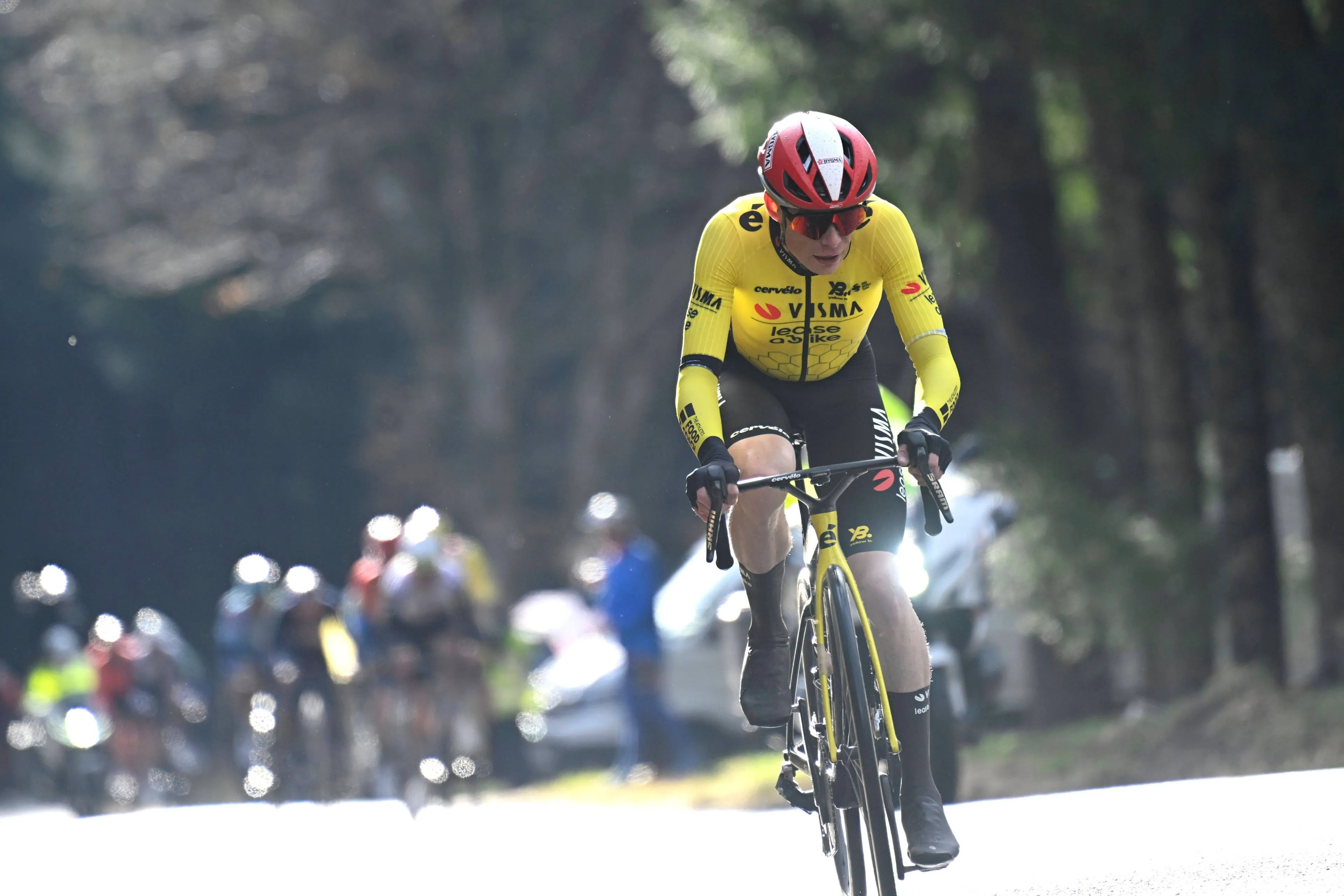
Jonas Vingegaard did not just win Paris-Nice on his first outing of the 2026 season. The Team Visma | Lease a Bike leader took control of one of the calendar’s toughest week-long stage races with the kind of authority that immediately reshaped the narrative of the early spring.
That was the central theme in Brian Holm’s analysis after the race. Speaking to Eurosport.dk, the former professional rider, long-time directeur sportif and respected Danish cycling voice made clear that Vingegaard’s performance went well beyond what he expected from a rider making his season debut.
“When he started the race, I would have been happy if he had just finished in the top three," Holm analyses. "For me, it would not have been a worse start to the season if he had finished second or third. Because it was the first race of the year. So it surprises me how strong he was.”
A disrupted winter before Paris-Nice
Paris-Nice was never intended to be Vingegaard’s first appearance of 2026. The Danish rider’s early calendar had been altered after a winter training crash in Spain, followed by illness that delayed his return to competition and ruled him out of the UAE Tour. As a result, his season began later than expected, with the traditional “Race to the Sun” becoming his opening race of the year.
That context shaped Holm’s expectations heading into the race. A podium result would already have represented a solid return after the interrupted preparation. Instead, Vingegaard immediately set about dominating the general classification.
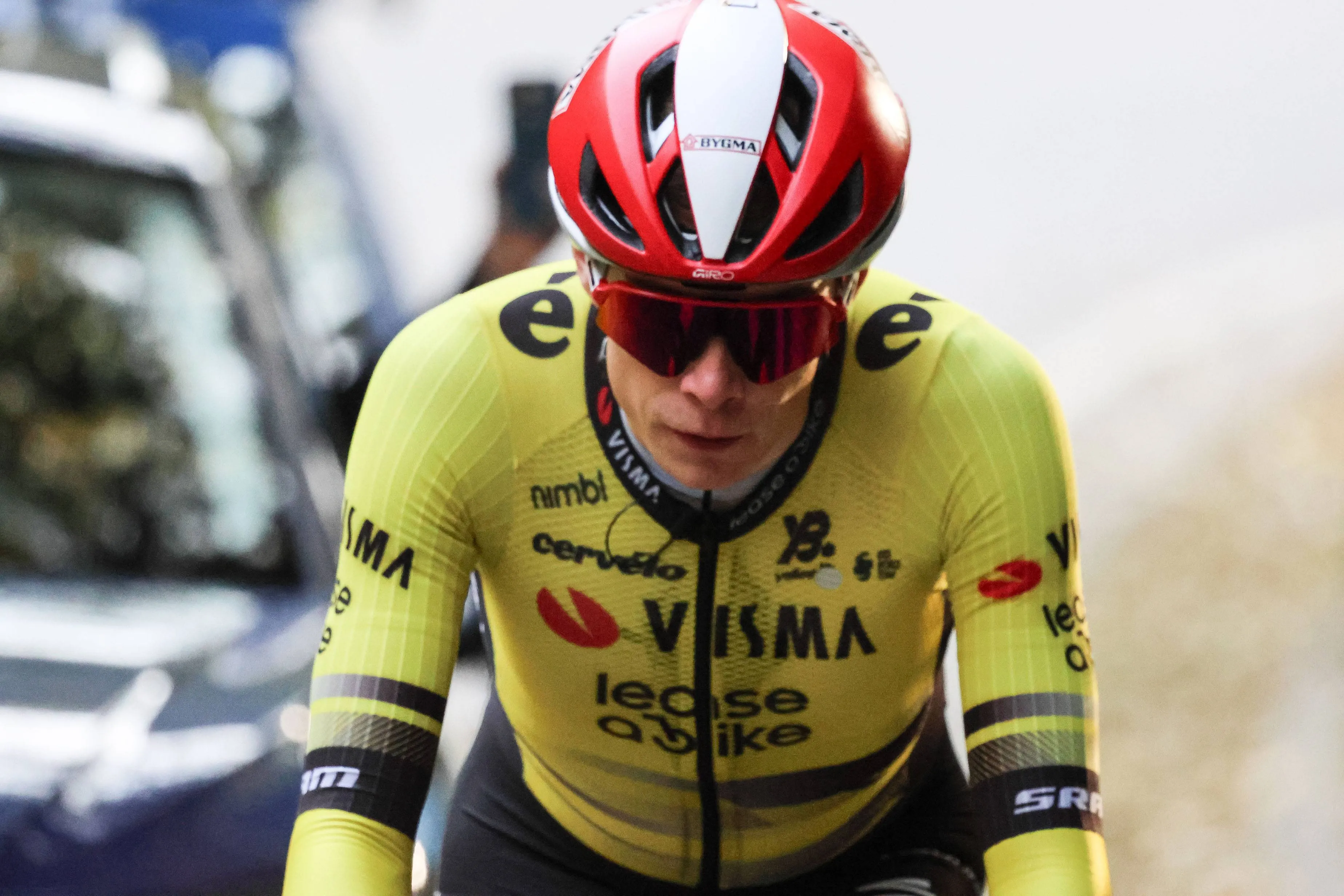
How Vingegaard took control of the race
The Visma leader’s Paris-Nice victory was built during the race’s decisive mountain stages.
Vingegaard claimed two stage victories across the week, including a powerful long-range move that shattered the general classification battle and established a clear advantage over his rivals. From that moment onward, the overall result never looked seriously in doubt.
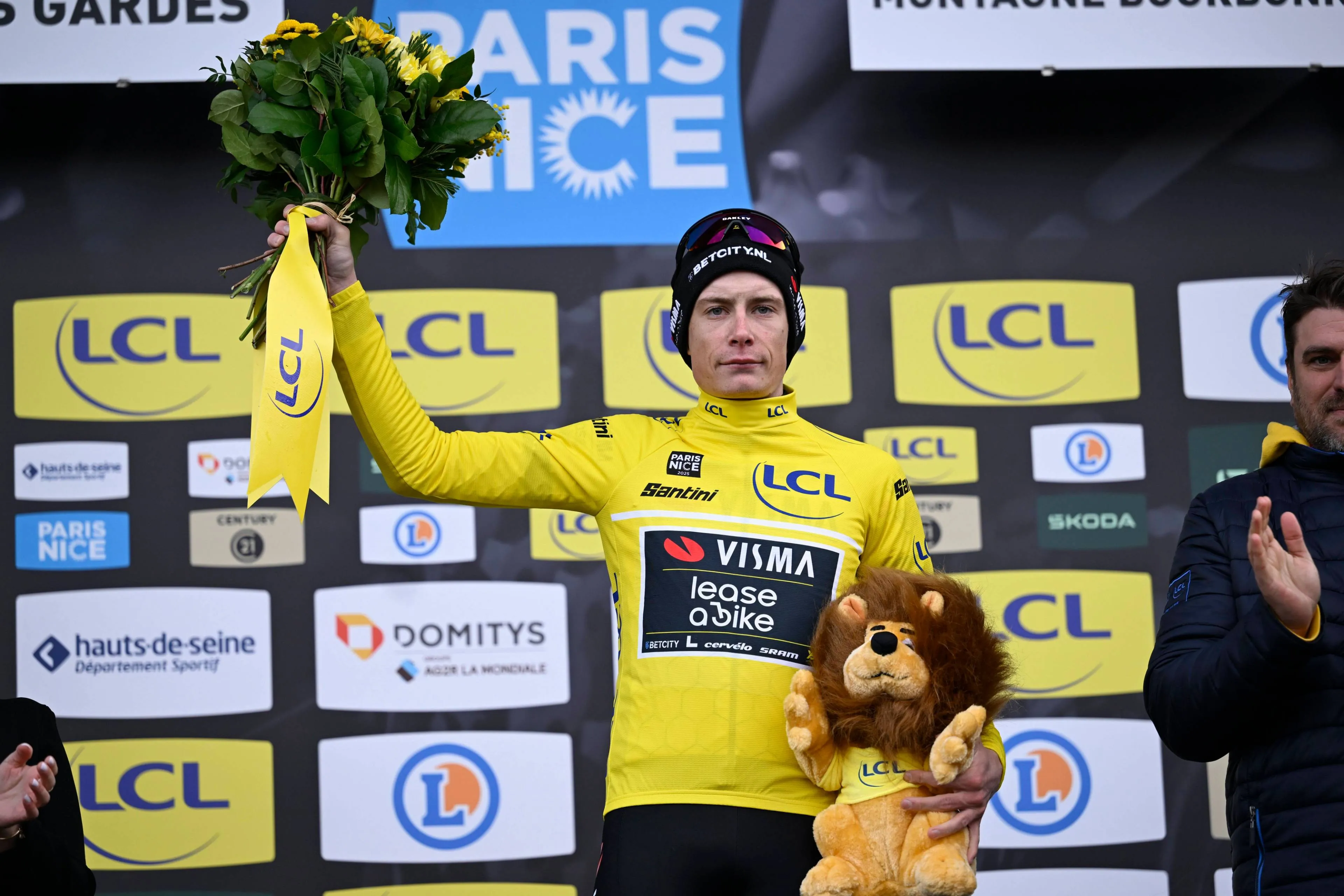
By the time the race reached Nice, Vingegaard had secured the yellow jersey by more than four minutes, underlining just how commanding his performance had been across the week.
Holm highlights the difficulty of Paris-Nice
For Holm, part of the reason the performance stood out was the nature of the race itself. Paris-Nice is widely regarded as one of the most demanding week-long stage races on the calendar, often used as an early test of form for the peloton’s leading stage racers.
“In Paris-Nice, maybe ten riders at the start can realistically dream of winning,” Holm explained. “The rest should just be happy if they make it through the race because it is so hard. Sometimes you forget how big the achievement really is. Paris-Nice is an incredibly tough race.”
A historic win for Danish cycling
Beyond the margins and stage victories, Vingegaard’s triumph also carried historic significance.
The Visma rider became the first Dane ever to win Paris-Nice, adding his name to a roll of honour that includes many of the sport’s greatest stage racers. “He is the first Dane ever to win it,” Holm said. “That is something special. When you look at the names who have won it through the years, they are some of the best cyclists in the world.”
Holm’s reaction carries particular weight given his own experience inside the sport. The Dane raced professionally between the late 1980s and the end of the 1990s before later moving into team management as a directeur sportif, and he is now widely known as an analyst covering the sport.
From that perspective, Vingegaard’s Paris-Nice performance stood out not simply as an early-season victory but as a reminder of the level the Visma leader can reach when he arrives in form.
After a winter that had delayed his start to the year, his first race of 2026 instead delivered one of the clearest statements of the spring so far.
claps 1visitors 1
Just in
Popular news

Latest comments
- You're right, Santiago. And maybe he also wants to capture the victory number 100 (he's very close).
 maria2024202416-03-2026
 - Doper Horner and his 20/20 race hindsight is still pure rubbish. He's just a 'wannabe be' ex-pro rider who's hanging on to his 2 minutes of fame.frieders316-03-2026
- WVA again??? Why is he on this list?MajorPayne16-03-2026
- We could only hope this clown would try it!frieders316-03-2026
- Obviously some biased reporting - Danish press on Danish rider. The GC field was weak and made even weaker when Ayuso crashed out!frieders316-03-2026
- Yet there you go again. You're wearing your CLOWN suit well!frieders316-03-2026
- So he likes to take a break post-Tour! That's why he doesn't perform to your standards.frieders316-03-2026
- Why write something in detail that can be said in three letters? Everything is clear. But here's something special for you: when WVA writes that he is going for victory in a race in which he has a 0.001% chance, then it is very funny. I would have expected that when he saw that Tadej and Mathieu were going to compete, he would announce that he was sick and would not compete. Is that elaborate enough for even you to understand what I meant?MajorPayne16-03-2026
- I'm sure you 'don't' !frieders316-03-2026
- The article should be "Mathieu van der Poel's 5 biggest rivals in Milano-Sanremo", because in the most predictable and least surprising outcome, it'll be he who triumphs. I wouldn't rate Tom Pidcock so highly. The only way he can win is with a downhill attack, because he's not winning it in the sprint or on the climb. Yes he's a better descender, but his rivals aren't exactly bad. Matthew Brennan should be on this list instead. He's more dangerous, especially as Visma have no less that 4 cards (Jørgensen, van Aert, Laporte and Brennan)
 Rafionain-Glas16-03-2026
Loading
1 Comments