“I finished my glass every time” – To drink or not to drink after a Tour de France stage win?
Cycling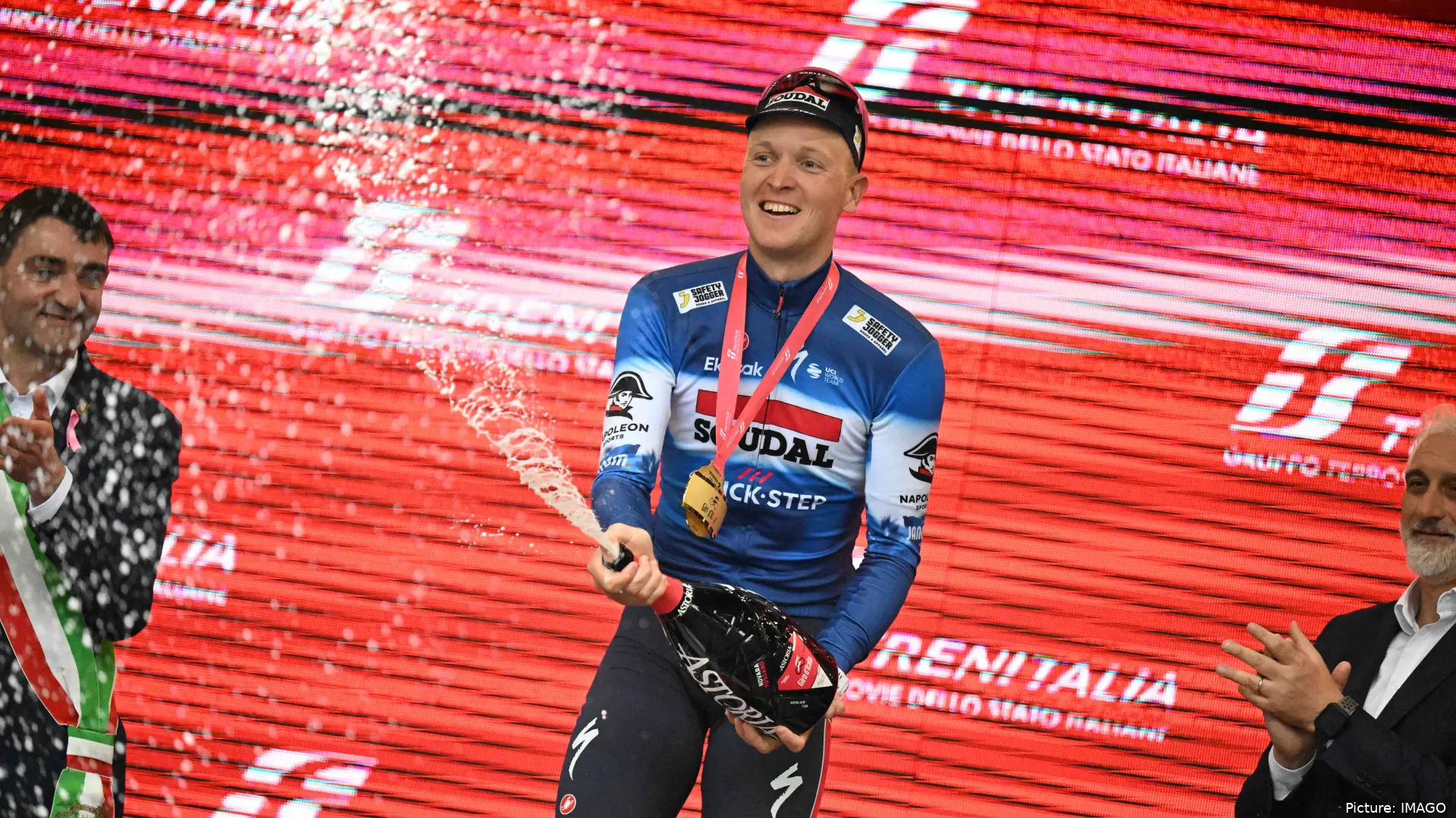
The days of riders smoking cigarettes on their bikes,
swigging wine mid-stage, and popping anything that dulled the pain are long
gone, but the question of alcohol at the Tour de France still lingers,
especially when it comes to one glass of champagne after a stage win.
Speaking to Nieuwsblad, several of the Tour’s biggest names
shared their thoughts on that post-stage toast. So who is all for it, and who
are the nay-sayers?
“We really do drink small glasses”
Tim Merlier, who’s already claimed two stage wins in this
year’s race, says the bubbly is very much part of the ritual. “I finished my
glass every time,” he said. “We really do drink small glasses, and I think it’s
a nice tradition.”
Of course, it isn’t just about the drink. When a rider has
won a stage, they are expected to give a speech and thanks to their team when
having the evening meal. Is a drink a necessary part of it?
Soudal - Quick-Step nutritionist Karolien Rector doesn’t see
a problem with it. “Everyone clinks their glasses for group spirit, but not all
riders finish it,” she said.
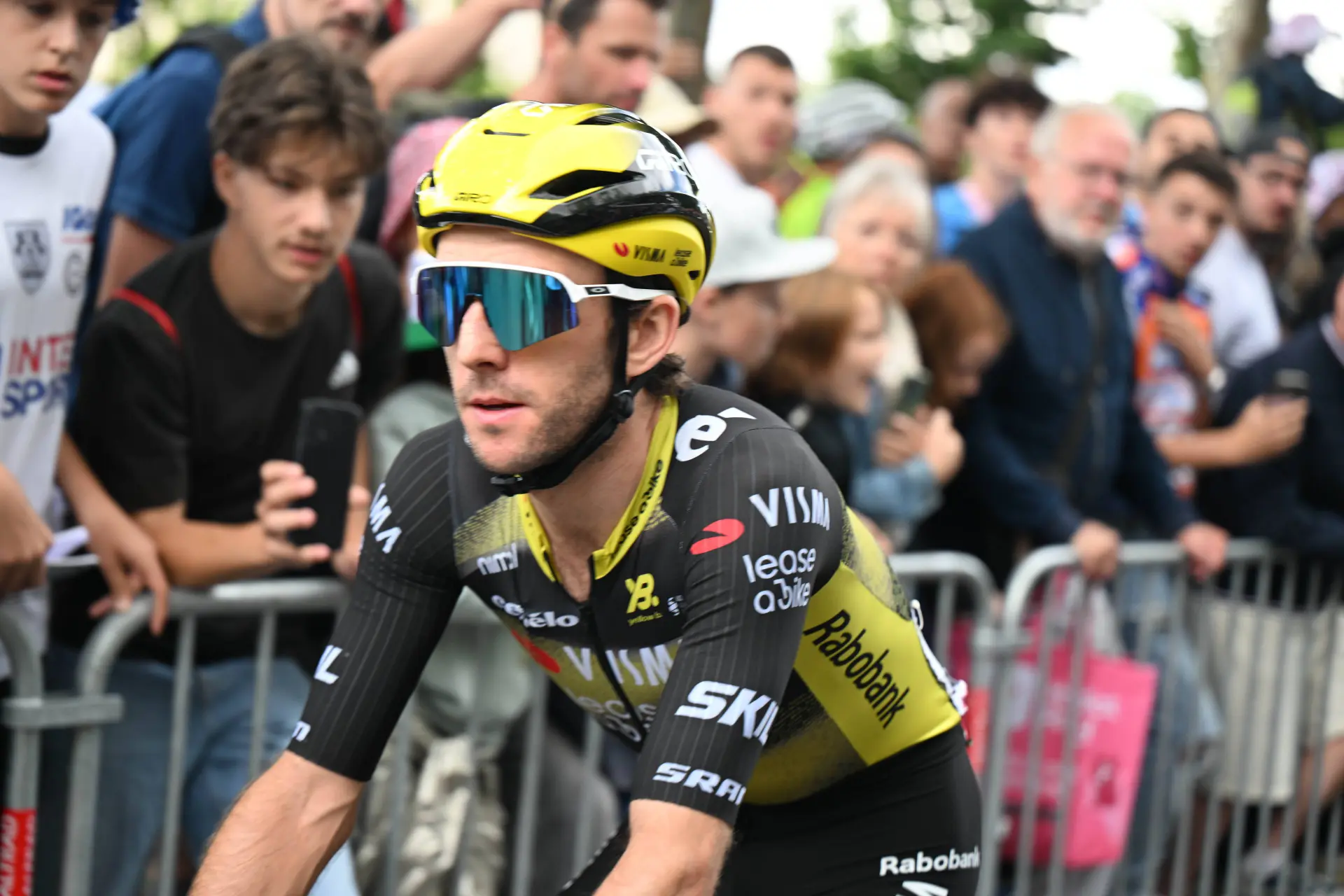
Alpecin-Deceuninck’s Gianni Vermeersch backed that up: “We
actually do drink champagne here too, just one glass, no more. Winning a stage
in the Tour is truly unique, and that glass is part of realizing that you
haven’t just achieved something.”
“A glass helps mentally more than it hurts physically”
For Intermarché–Wanty’s Laurenz Rex, it comes down to taste
and mood. “For me, it depends on whether it tastes good or not. If it tastes
good, then we definitely drink it,” he said. “As a cyclist, you always have to
find the right balance between performance and mental well-being. And I think a
glass of champagne helps you mentally more than it does physically.”
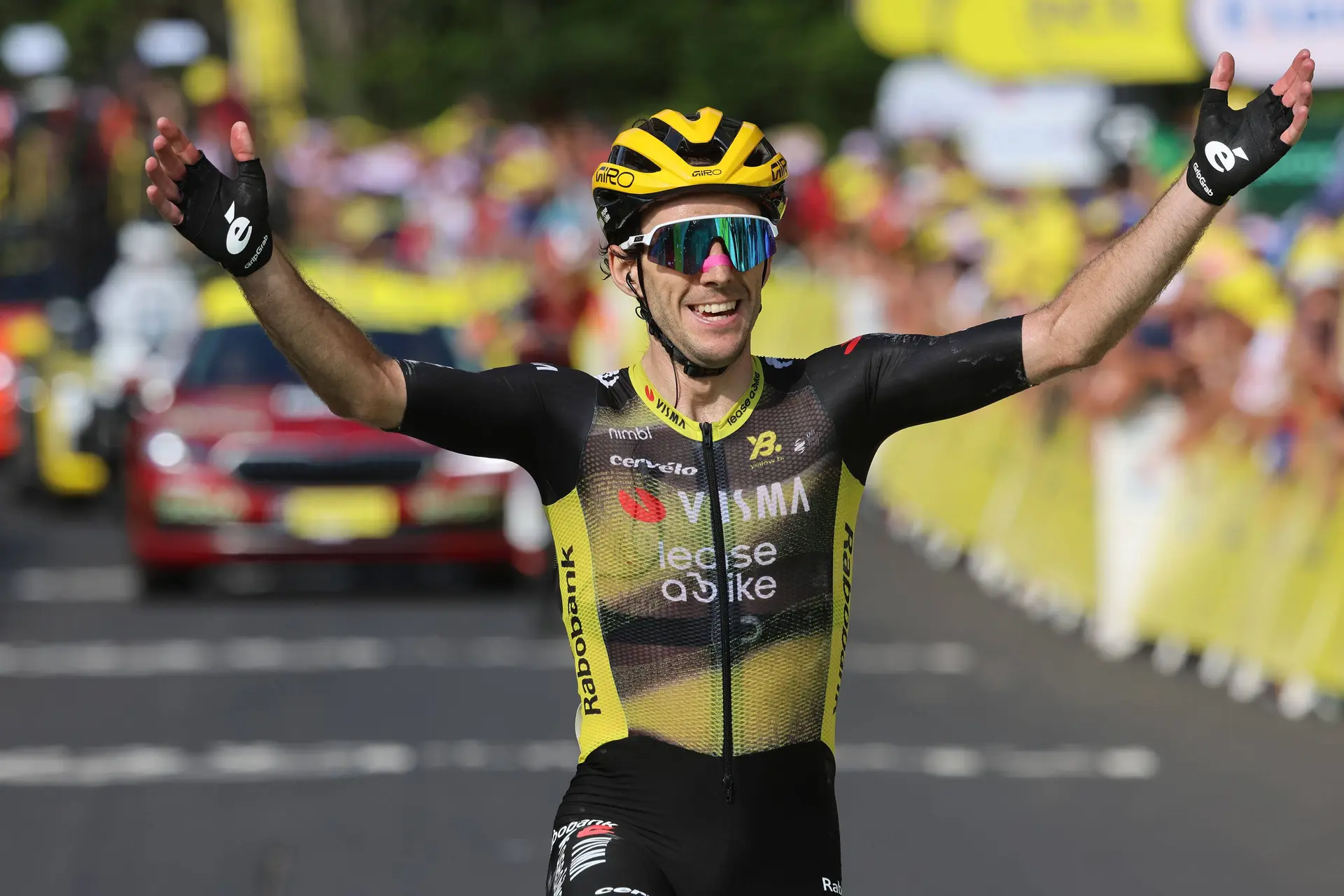
Edward Theuns agrees it’s mostly symbolic. “There’s
certainly no exuberant celebration or drinking; that’s simply not acceptable
during the Tour,” he said. “I’ll have a drink poured for me, mainly to feel
like I can raise a glass. For me, it’s purely about tradition.”
And then there’s Oliver Naesen, who takes a slightly
different approach...
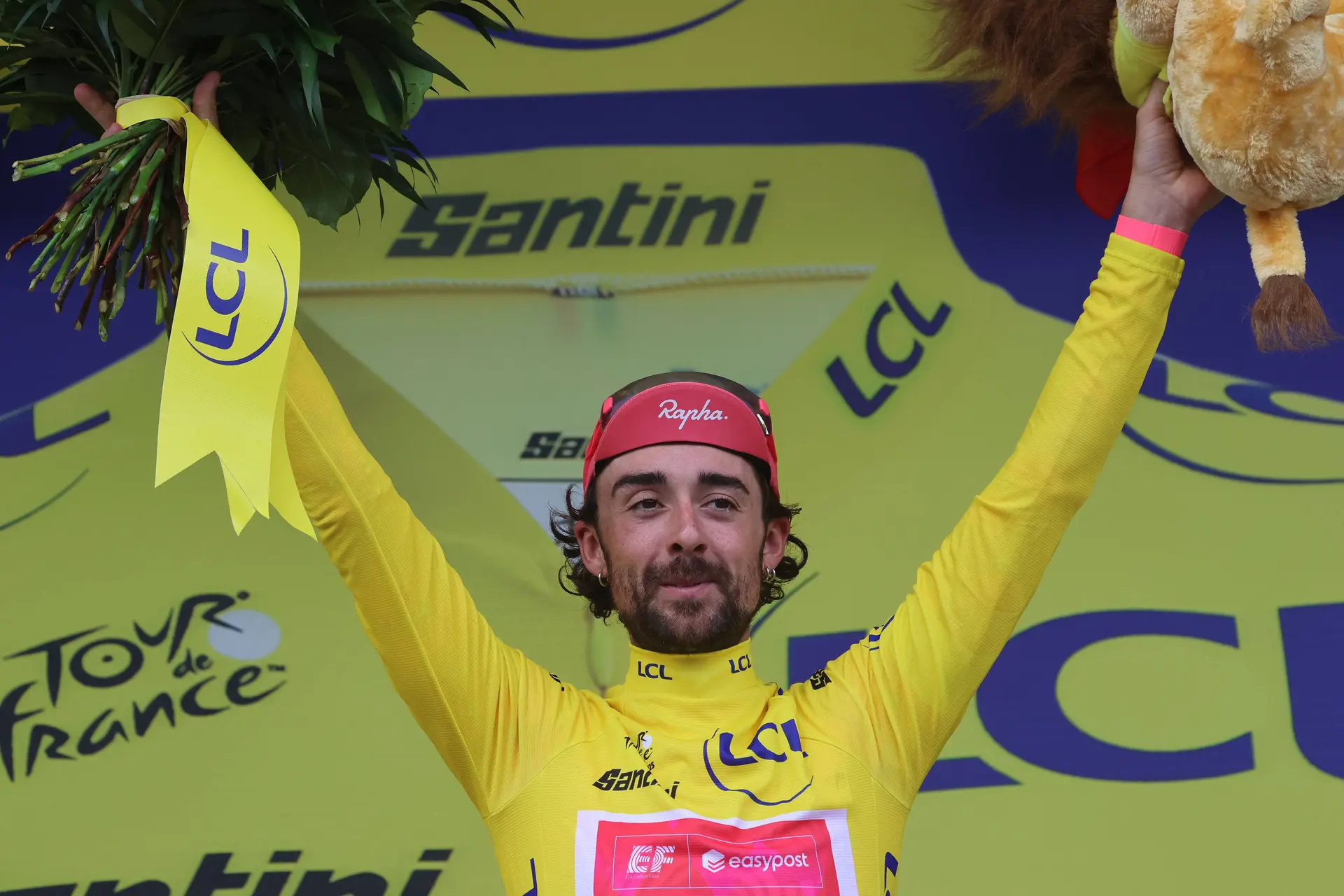
“Sometimes I have two,” he admitted. “But we really have to
beg for a second glass. A stage win like that in the Tour can change a rider’s
life, so champagne is part of that. If I ever won a Tour stage, I would
definitely jump in the champagne,” he laughed. “But maybe that’s why I don’t
win.”
“We’re not in the Merckx era anymore”
Of course, modern cycling science has a different take. In a
race where glycogen stores are everything, alcohol isn’t ideal.
“Champagne does contain sugars they need after a stage,”
explained Jemme Terryn, dietitian at Intermarché–Wanty. “But the problem is, of
course, the alcohol.”
Terryn broke it down: alcohol slows the conversion of
glucose to glycogen, interferes with muscle recovery, and dehydrates, at the
exact moment riders are supposed to be rehydrating and replenishing.
“Alcohol reduces the absorption of carbohydrates by your
muscles,” he said. “Your glucose is converted into glycogen much less
efficiently. The liver also has to break down the alcohol before it can start
storing glycogen again. That delay is the main issue.”
Britt Lambrecht, nutritionist at Lotto Dstny, put it
bluntly: “If we were to win a stage, it would obviously be a big party for us,
and everyone who wants to can have a drink. But I would advise riders in teams
that win four, five, or six stages not to celebrate with a glass of alcohol
every time.”
“It’s fine… but don’t overdo it”
The general consensus among team nutritionists is that one
glass, especially champagne or wine, isn’t disastrous. “Those are fairly pure
drinks, much more so than beer or spirits,” one noted. “And if you follow your
recovery plan besides that glass, then it’s fine, although I would limit it as
much as possible anyway.”
The key, they say, is not letting the moment overshadow
recovery. “Riders should especially ensure they consume enough carbohydrates in
the evening so they have enough fuel the next day.”


Fin MajorCycling Journalist
Fin Major is a UK-based writer at CyclingUpToDate and has been part of the team since 2024. He is the site’s main writer for FAQs and evergreen explainers and has written around 2,000 pieces for the platform. Alongside this work, he focuses on in-depth analysis and covers the biggest races on the calendar, including the Tour de France, the Giro d’Italia, and La Vuelta a España, providing clear context around performance trends, tactics, and key storylines.
In his reporting, Fin uses reputable data sources such as ProCyclingStats for results, statistics, and historical context. He places strong emphasis on careful sourcing, editorial accuracy, and updating articles promptly when new, verified information becomes available. Outside of writing, Fin is an active cyclist, which supports his practical understanding of the sport and its demands.
claps 14visitors 4
Just in
Popular news
Latest comments
- Predictable, sure! But boring??? OMG! Was Mike Tyson predictable and boring in his prime? Air Jordan? Schumacher or Senna? OMG!!!MajorPayne19-10-2026
- how it is "We’ve taken another big step forward for next year" he just lost in lombardia to a 20 year old, and two 30+ year olds. and not even top 10 for WCRR.abstractengineer19-10-2026
- This is similar to Lebron. first he said i need to consult my family , my daughter, need respectable money blah blah blah and then dont care about family , dont care about money, only onion rings, am off to Philly, very very far from family. Off season should be with family more, no?abstractengineer19-10-2026
- I hope he comes back strong for a proper battle with Tadejmij19-10-2026
- congrats to a great career and good retirement.mij19-10-2026
- Any artificial product should be reported.Any team that doesn't should be stripped of wins and fined.I know that this level of transparency does not and will never exist.All anyone can do is continue to test riders on a regular and surprise basis.If the test comes back clean then all any of us can assume is the rider is clean.
 Brucegel19-10-2026
 - Also, it's supposed to be hard to gain an advantage from drafting off Remco because he is so aero.Hills3319-10-2026
- How would stats back it up? You realise tactics involved could mean Vine saved his legs for a faster finish? Some riders can choose to go all out and fade later in the ride, others can hold steady state the whole way, and others can have a reserved start and power up later in the ride. You can't judge just by the stats unless you have power data to be able to prove Vine is riding faster even though he is putting out the same or less power (suggesting drafting). I'm sure the stats prove that Vine didn't cheat because UCI would monitor the stats to make sure this exact scenario doesn't happen (and disqualify them for drafting if the stats proved it).Pogboom19-10-2026
- Only one person would say such a thing here. Sorry to burst your bubble but I’m afraid that window of opportunity has now closed. You can beat some of the people all of the time and all of the people some of the time but you can’t beat all of the people all of the time.Jumpyjohn19-10-2026
- Both prizes are actually pathetic, almost amateur like, not even covering the cost of participatingJumpyjohn19-10-2026
Loading
Write a comment