“I didn’t have much help today” - Heroic World Championship effort from Bruno Armirail goes unrewarded as late cramp denies Paul Seixas medal shot
CyclingMonday, 28 September 2026 at 17:00
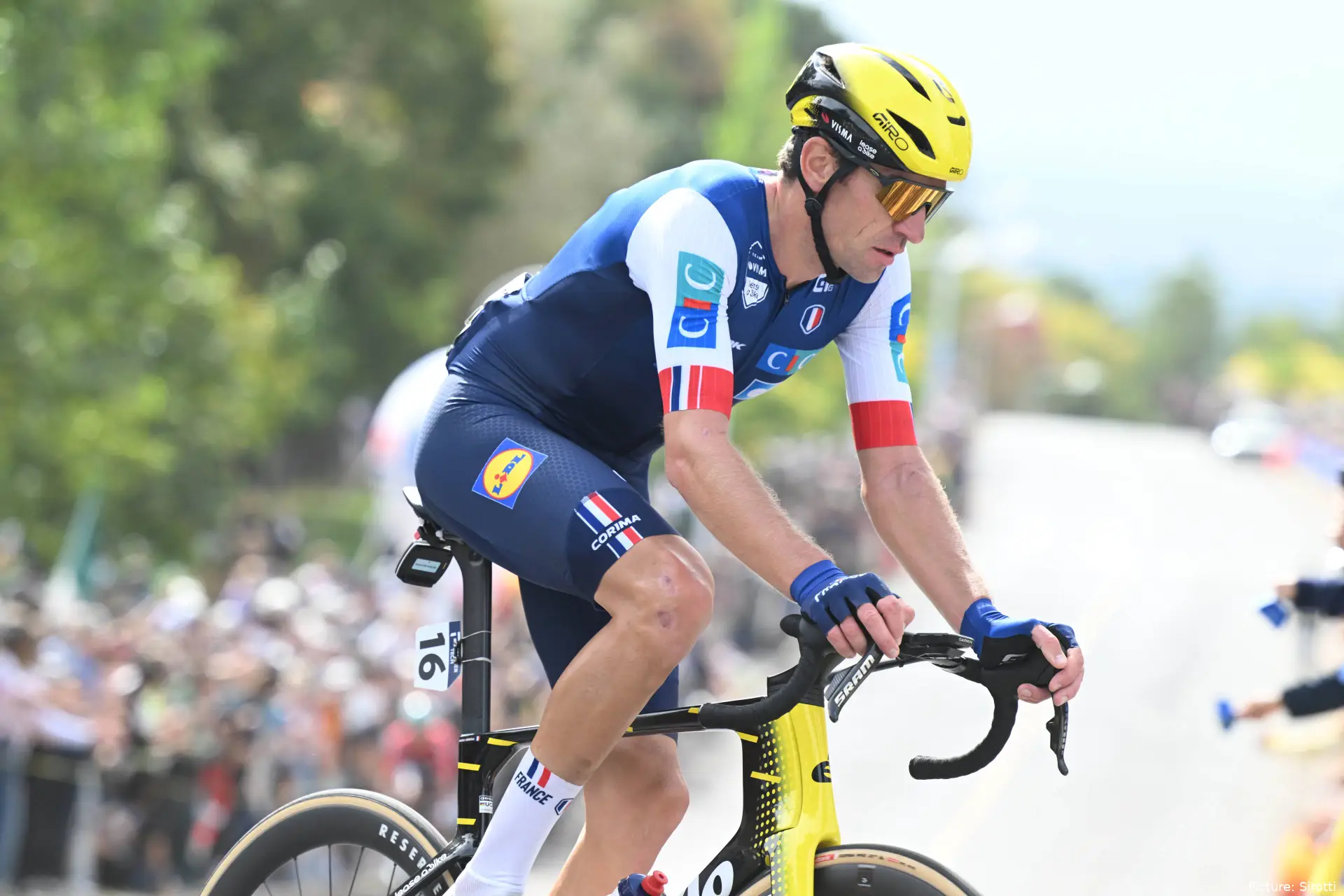
Bruno Armirail could hardly have given much more to France at the 2026 World Championships in Montreal.
The early break still had close to nine minutes in hand when the race reached the Mont-Royal circuit, but once Armirail moved to the front that advantage started disappearing quickly. For lap after lap the Frenchman drove the peloton, setting the pace across the climbs and through the technical sections until the escape was barely 20 seconds ahead when his work was finally done.
France had planned for Armirail to make the race hard. He simply kept going for longer than originally expected. “Thomas knows me, he knows I’ll give everything,” Armirail said after stepping off. “It’s not because the plan says to do two or three laps full gas that, if I can do more, I’m going to stop. It also takes some pressure off the guys behind.”
Paul Seixas was the rider France had built its race around, and Armirail spent roughly 50 to 60 kilometres making sure the 20-year-old would not reach the decisive laps with a huge break still to chase. “If I could have done one more lap, that would have been nice,” he added. “But that’s how it is. I didn’t have much help today.”

Seixas was unable to contend for the medals in the end
Armirail goes beyond the original plan
By the time Armirail swung off, the race he had spent so long controlling was already beginning to break apart. The original escape was effectively finished and France continued to push with several riders once Armirail was gone. Valentin Paret-Peintre, Jordan Jegat and Alex Baudin all became involved as attacks started flying, before Mathieu van der Poel, Wout van Aert, Primoz Roglic, Quinn Simmons and others turned the World Championship into a far more unpredictable battle than the French might originally have envisaged.
For Armirail, there was nothing left to save. His own race ended once that long spell on the front had emptied the tank, leaving him to head for the shower while his teammates carried on without him.
Seixas was still there. He survived the long-range attacks, the regroupings and the repeated accelerations on the Cote Camillien-Houde, and remained close enough to the front deep into the final lap to still have a realistic shot at a medal. Then the cramps arrived.
Seixas said afterwards that his legs had felt “incredible” before his body suddenly began to fail. With the work France had already put into the race very much on his mind, he tried to keep going.
“When I started to cramp, I knew it was going to be complicated, but I thought about all my teammates and everything they had done, and I held on until death,” he said after the finish.
Read also
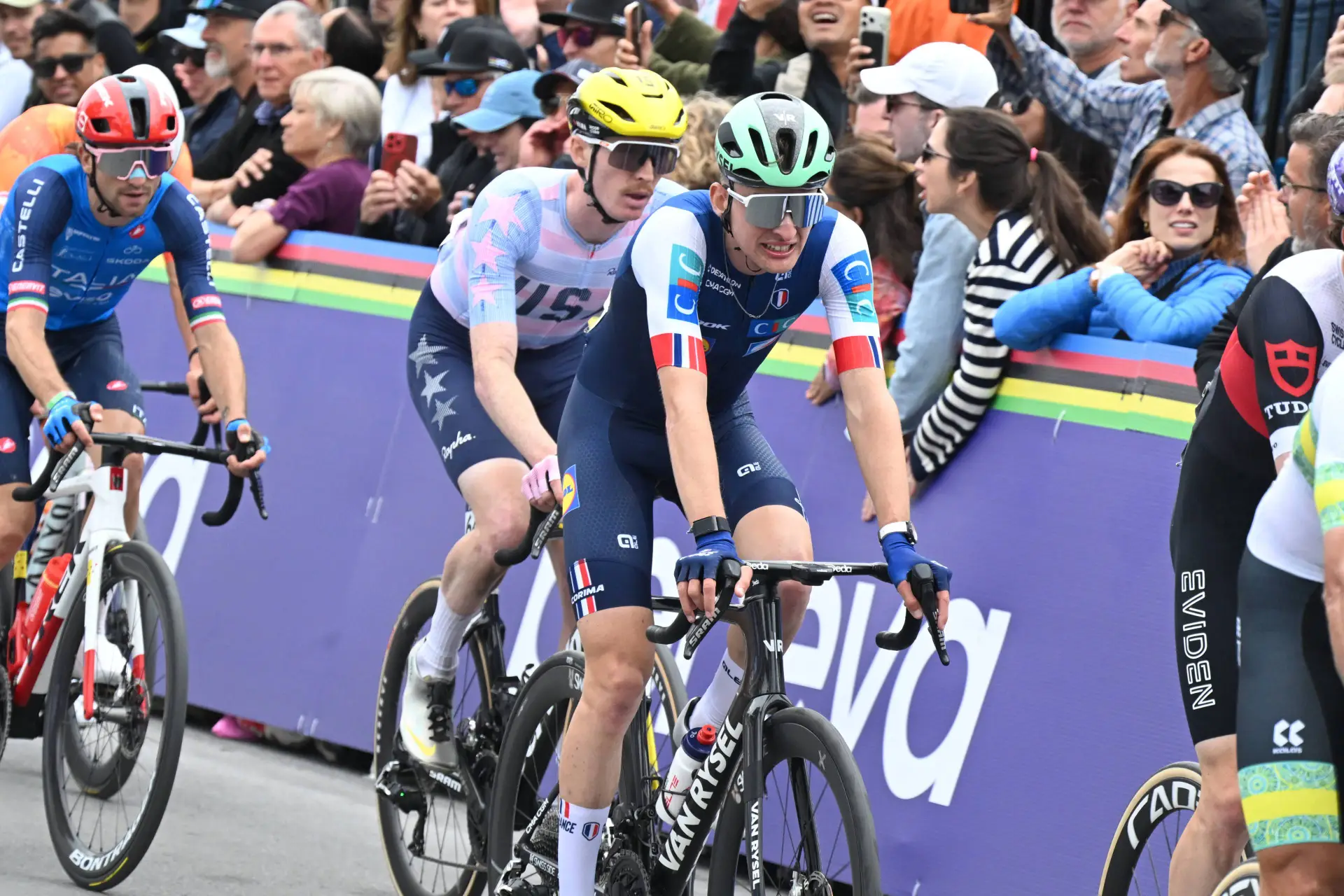
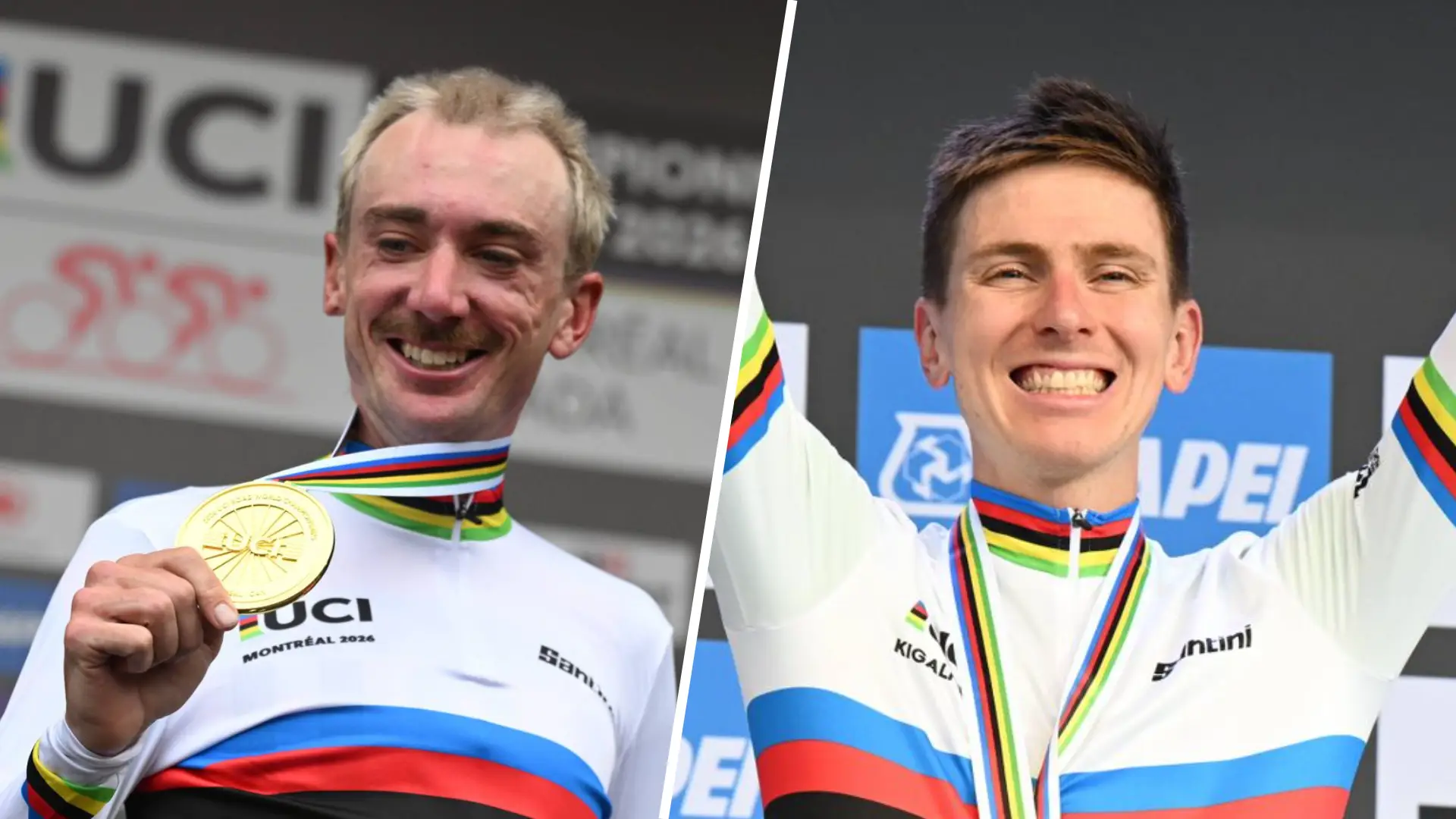
France left with nothing after a huge day of work
The timing could hardly have been worse. Brandon McNulty was beginning to come back into reach ahead, while Tom Pidcock, Giulio Ciccone and the rest of the chase were still fighting over the medals behind him.
Seixas could no longer go with them. He eventually faded to 16th, more than three minutes down, having spent much of the afternoon close enough to believe a medal was still possible. Afterwards he blamed himself, suggesting a mistake with his nutrition or hydration had caused cramps he said he had never previously experienced on the bike.
For Armirail, watching by then rather than racing, the end result could not have been much further from the amount of work he had put in earlier in the afternoon. “We had to make the race hard as soon as we reached the circuit, so that’s what we did,” he said. “The break had, I think, almost eight or nine minutes when we entered the circuit, and when I pulled off it was down to about 20 seconds, so that’s not bad.”
It was an enormous shift with no medal at the end of it. Armirail had taken France from an eight or nine-minute deficit to the brink of catching the break, kept riding beyond the workload originally set for him and left Seixas with the race exactly where France wanted it. Several hours later, a cramping Seixas could only watch the medals disappear up the road.

Kieran WoodDeputy Editor-in-Chief
Kieran Wood is a sports journalist based in Wales and has been active in journalism since 2022. He regularly contributes to DartsNews.com and CyclingUpToDate.com, where he covers professional cycling and darts. In cycling, his work includes liveblogs from major races, including the Tour de France, the Giro d’Italia, and La Vuelta a España, alongside race reports and analysis. He has also conducted interviews with professional riders.
His reporting spans the full racing calendar, from one-day classics to stage races, with a focus on accurate, real-time coverage and clear contextual analysis. For statistics, results, and historical context, he regularly uses resources such as ProCyclingStats. To support reporting on rider activity and training context where relevant, he also references Strava.
In his work, Kieran places strong emphasis on careful sourcing, editorial accuracy, and updating articles as new, verified information becomes available.
claps 0visitors 0
Just in

Popular news
Latest comments
- That had to be an interesting post race team dinnermij28-09-2026
- You know the difference between a public person who made himself into the spectacle and is still in the public eye, and a commenter on a board? One of them deserves to be called a sick f... when they do despicable things, mistreat others, corrupt those around them, and steal glory from others, and the other is just some guy expressing an opinion that you're welcome to judge. But wow, you sure come across as a silly child when you call me a sick f... for pointing out that some human beings are worse than others. I'm pretty sure Lance couldn't care less that I'm just another person who holds him contempt for his actions. Why that affects you so strongly that you call me a sick f... is beyond me.RidesHills28-09-2026
- team america with 3 guys in the top 8....roglic ate shit as did slovenia writ largewhkman28-09-2026
- bc he couldn't followwhkman28-09-2026
- there you go, let it out, get your lance hate out there you sick f....like the guy hasn't suffered enoughwhkman28-09-2026
- Yeah I was thinking the same thing. Eritrean cyclists with non matching uniforms - they talk about making cycling more accessible then fine poor countries??? Jerksmij28-09-2026
- Why would he expect Simmons to attack his own teammate? Not the done thing!jtrivisone28-09-2026
- How much was this podium a Pogačar podium, even in his absence? A loyal domestique deservedly wins it after the 1-2 they shared on this circuit. In second is a great friend and training partner who helped Pogačar get to winning MSR. In third is the friend who is the second best monuments winner of this generation, the race rival who has made Pogačar better and better. Not a bad podium for a guy who wasn’t there, and I can only assume that he’s incredibly and genuinely happy for every single one of them.RidesHills28-09-2026
- And mostly fines to countries that don't have money to wasteHills3328-09-2026
- What is it with him and the Canadian races? An incredible result from one of the elders of the peloton (Valverde winning was crazy, Matthews second on this course is crazy in a different way). What a great result for him, what a ride!RidesHills28-09-2026
Loading
1 Comments