"He’ll struggle on Sunday – If you’re not fresh, you’re finished" - Tadej Pogacar's Rainbow Jersey dream at serious risk according to Belgian team doctor
Cycling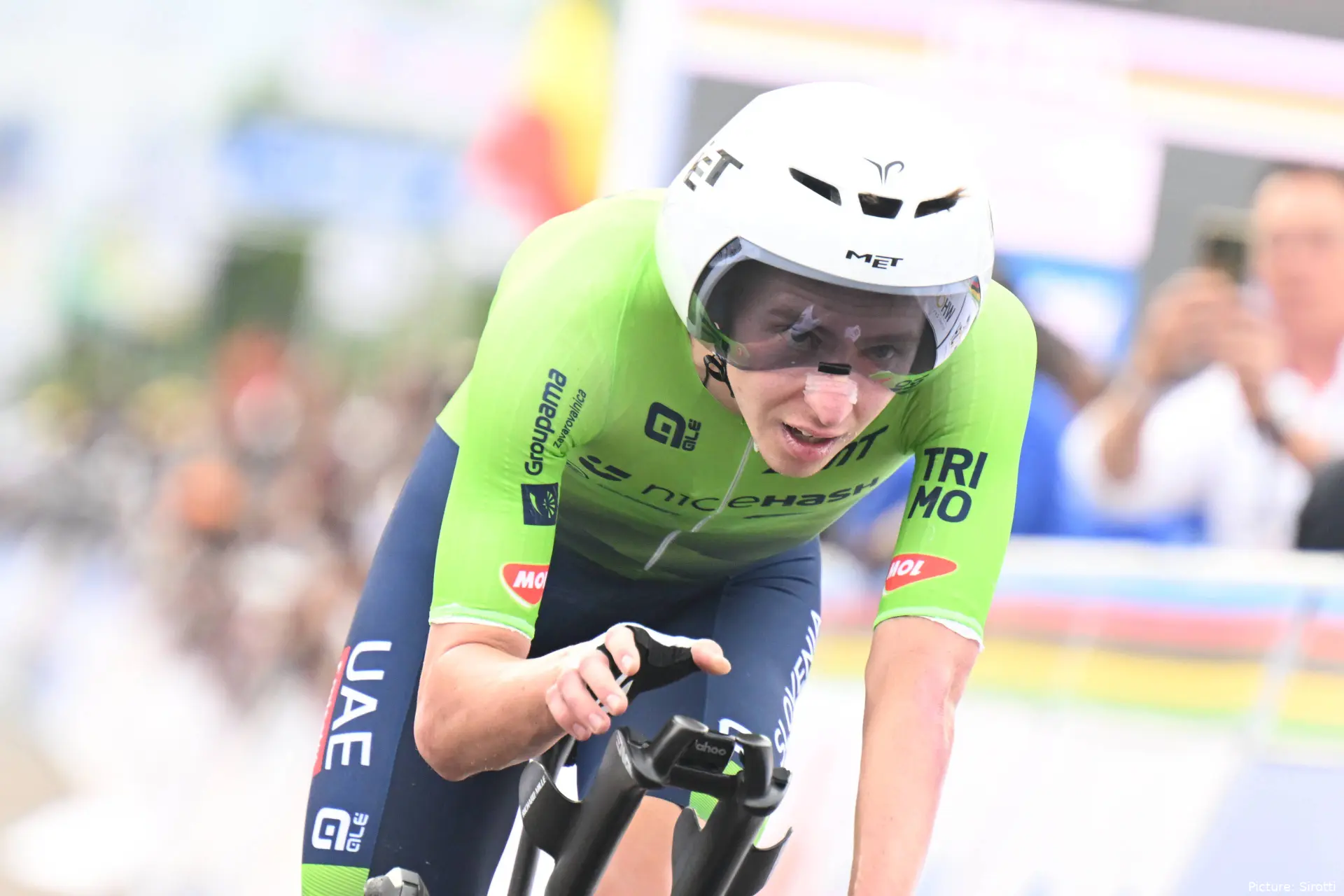
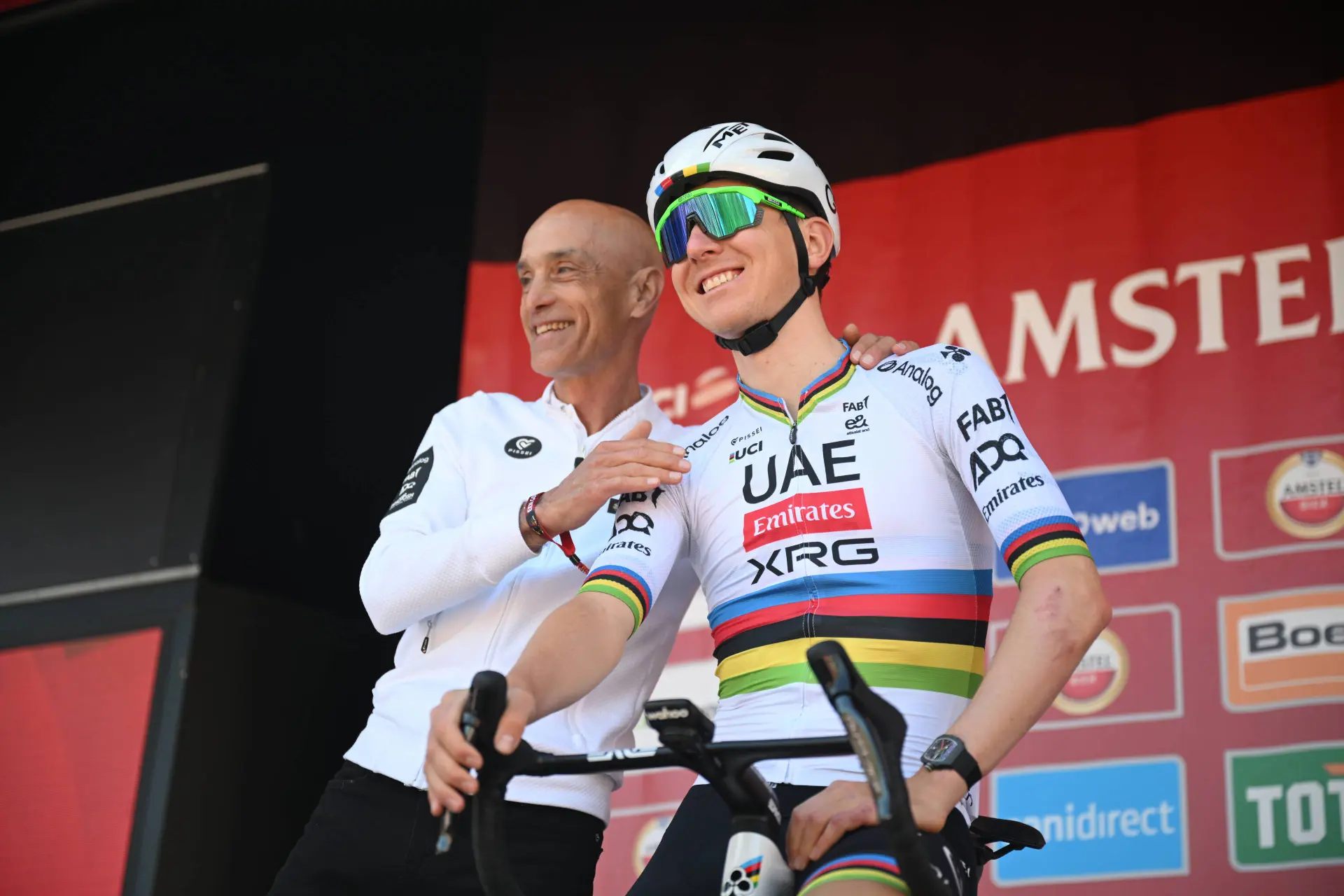
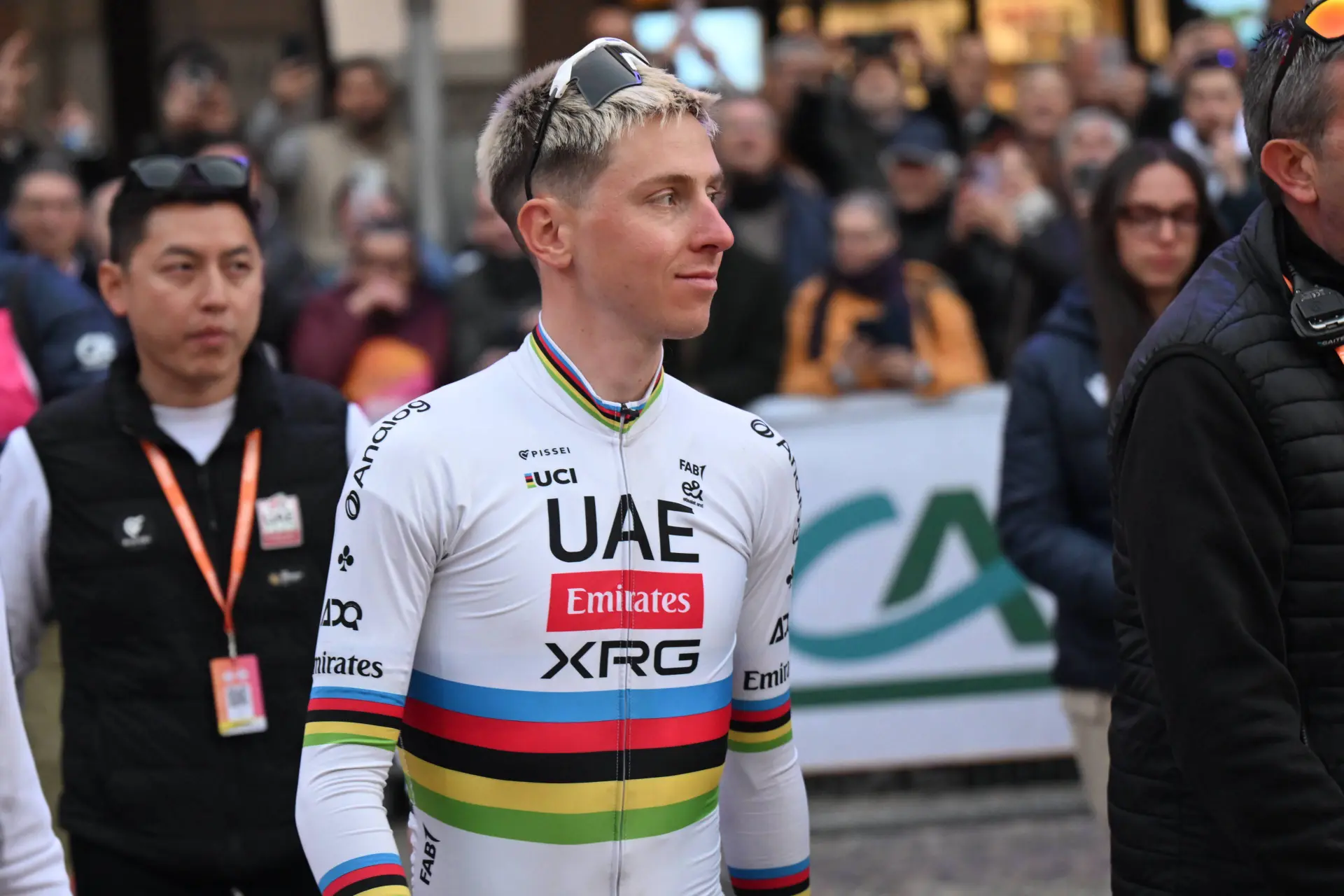
Tadej Pogacar’s quest to defend his Rainbow Jersey could already be in jeopardy before Sunday’s decisive road race in Kigali. That’s the stark assessment of Belgian national team doctor Kris Van der Mieren, who believes that fatigue – compounded by Rwanda’s unique mix of altitude and heat – will brutally expose anyone lacking freshness.
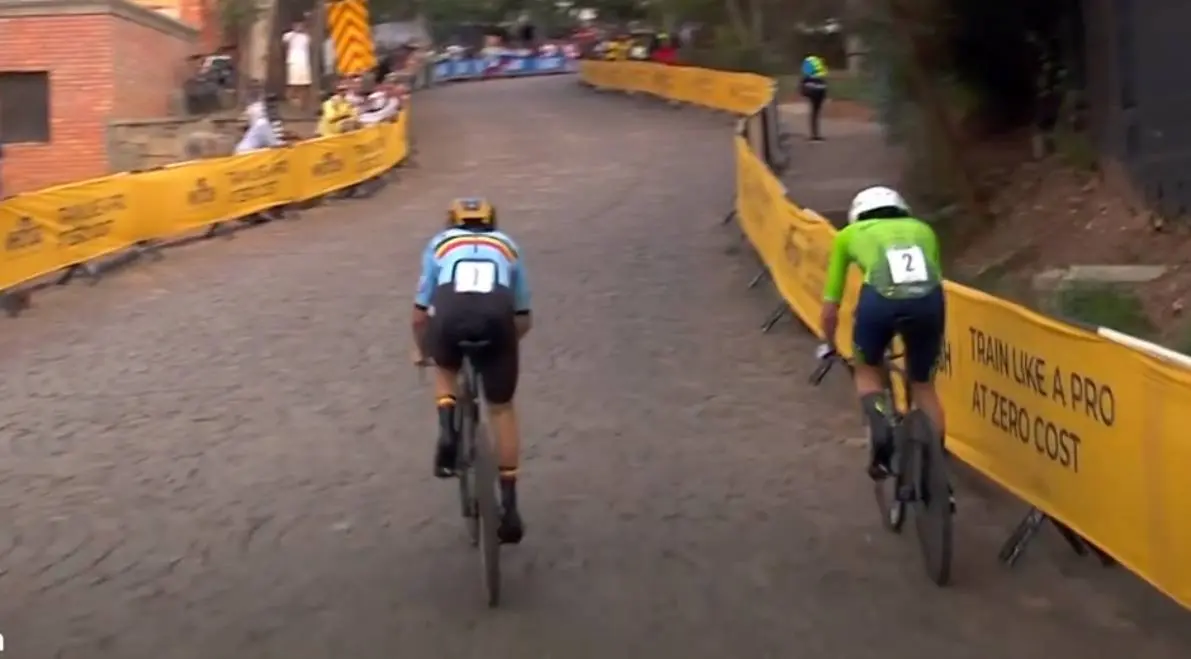
Evenepoel’s dominant victory in Thursday’s time trial, where he claimed a third successive world title, set the tone for what may follow. The Belgian was in a class of his own, catching Pogacar on the road and putting nearly three minutes into him by the finish. While Jay Vine and Ilan Van Wilder completed the podium, Pogacar was left to settle for fourth, missing out on the medals by a single second to Van Wilder.
For Van der Mieren, the key lies in Kigali’s constant elevation. Unlike the Tour de France, where altitude is encountered for only a few hours at a time, riders in Rwanda are racing every kilometre at 1,400–1,500 metres. “If you’re not fresh here, you’re finished,” he warned in his analysis for Sporza. “You’ll feel the noose tighten very quickly. Being off your best is punished tenfold here. If you’re not fresh, you have zero chance.”
That warning comes with direct relevance to Pogacar. The Slovenian admitted post-Tour that he was carrying fatigue, fell ill before the Canadian races, and then subjected himself to long-haul travel in pursuit of racing days. “Maybe the jet lag is still in his body,” Van der Mieren suggested. “If that clears in a week, it could be in his favour. But if not, then I think he’ll struggle on Sunday against a super Remco Evenepoel.”
Why Van Wilder thrived, and Pogacar cracked
Van Wilder’s bronze medal provided a surprise but, to Van der Mieren, it was entirely consistent with his physiology. Some riders, they argue, simply process altitude stress better than others. “Ilan is one of the lucky ones,” said the doctor. “He loses less power at 1,500 metres.”
Van der Mieren broke down the science in simple terms: the body has three ‘engines’ – fat burning, aerobic sugar burning, and the anaerobic system, which runs without oxygen. At altitude, with less oxygen available, riders rely more heavily on the third. But doing so effectively requires both genetic predisposition and a fully rested body. “A tired body cannot sustain large anaerobic efforts,” he explained.
That, in his view, is where Pogacar may have faltered. Even a rider with one of the sport’s largest ‘motors’ cracked under the Rwandan conditions, while Evenepoel’s physiology and freshness allowed him to dominate.

The final podium of the Kigali Worlds TT
The road race forecast
Sunday’s road race is expected to be no less punishing. Temperatures around 27 degrees may not sound extreme, but combined with Kigali’s altitude, they could magnify fatigue. Van der Mieren believes the difference could amount to “five to ten percent” of performance – more than enough to decide who survives and who falters.
With Evenepoel arriving on peak form, Belgium’s chances look golden. For Pogacar, the margins appear unforgiving. If his body has not yet shed the accumulated strain of a long season, Van der Mieren’s verdict could prove prophetic: the rainbow jersey may be beyond reach.

Kieran WoodDeputy Editor-in-Chief
Kieran Wood is a sports journalist based in Wales and has been active in journalism since 2022. He regularly contributes to DartsNews.com and CyclingUpToDate.com, where he covers professional cycling and darts. In cycling, his work includes liveblogs from major races, including the Tour de France, the Giro d’Italia, and La Vuelta a España, alongside race reports and analysis. He has also conducted interviews with professional riders.
His reporting spans the full racing calendar, from one-day classics to stage races, with a focus on accurate, real-time coverage and clear contextual analysis. For statistics, results, and historical context, he regularly uses resources such as ProCyclingStats. To support reporting on rider activity and training context where relevant, he also references Strava.
In his work, Kieran places strong emphasis on careful sourcing, editorial accuracy, and updating articles as new, verified information becomes available.
claps 12visitors 12
Just in
Popular news
Latest comments
- Nothing. Against Pogi nothingabstractengineer18-10-2026
- He didn't even try to sprint all outvappaxbipmv18-10-2026
- Campenaerts looked like a rolling pumpkin with that all orange leaders skinsuit !frieders318-10-2026
- He can take his dumb a$$ politics somehwere else !frieders318-10-2026
- good to have her back. fingers crossed she‘ll be able to stay!Ketterechts17-10-2026
- A tenner and he wins the Tour next year, too 😂anonymouscyclist17-10-2026
- the answer is either stick to classics or GTs but not bothabstractengineer17-10-2026
- the exodus already stared with Ciccone. Already they were struggling with two sprinters, now there are three. Also Ganna will demand leadership. Gall is the most proven GC, Ayuso has the most potential. GC leadership for everybody will be impossible. Literally a UAE style mess without pogi.abstractengineer17-10-2026
- I raced as an amateur for 12 years, including six years on my country’s national road cycling team. I secured two national titles and competed in three World Championships plus more than 15 international stage races. At 23, we travelled to Italy for a training camp—or so I assumed. On a rest day, we watched a presentation about adopting a more “professional” training approach. It was crystal clear what “professional” meant. That moment first exposed me to this dilemma. After returning from Italy, I left cycling—at least at the competitive level I had known. Over the following two years, the whole team was caught doping. I hold that everyone is innocent until proven guilty. In my view, current stakeholders operate on a different scale, and the sums involved are vast. I am unsure whether any doping would ever be revealed. I try to stay positive and enjoy the show. My 2c.
 vannpelt17-10-2026
 - Fiver he wins 🤣
 leedorney17-10-2026
Loading
8 Comments