“He has no other way to win this race” – Expert questions whether Tadej Pogacar can ever crack Paris-Roubaix
Cycling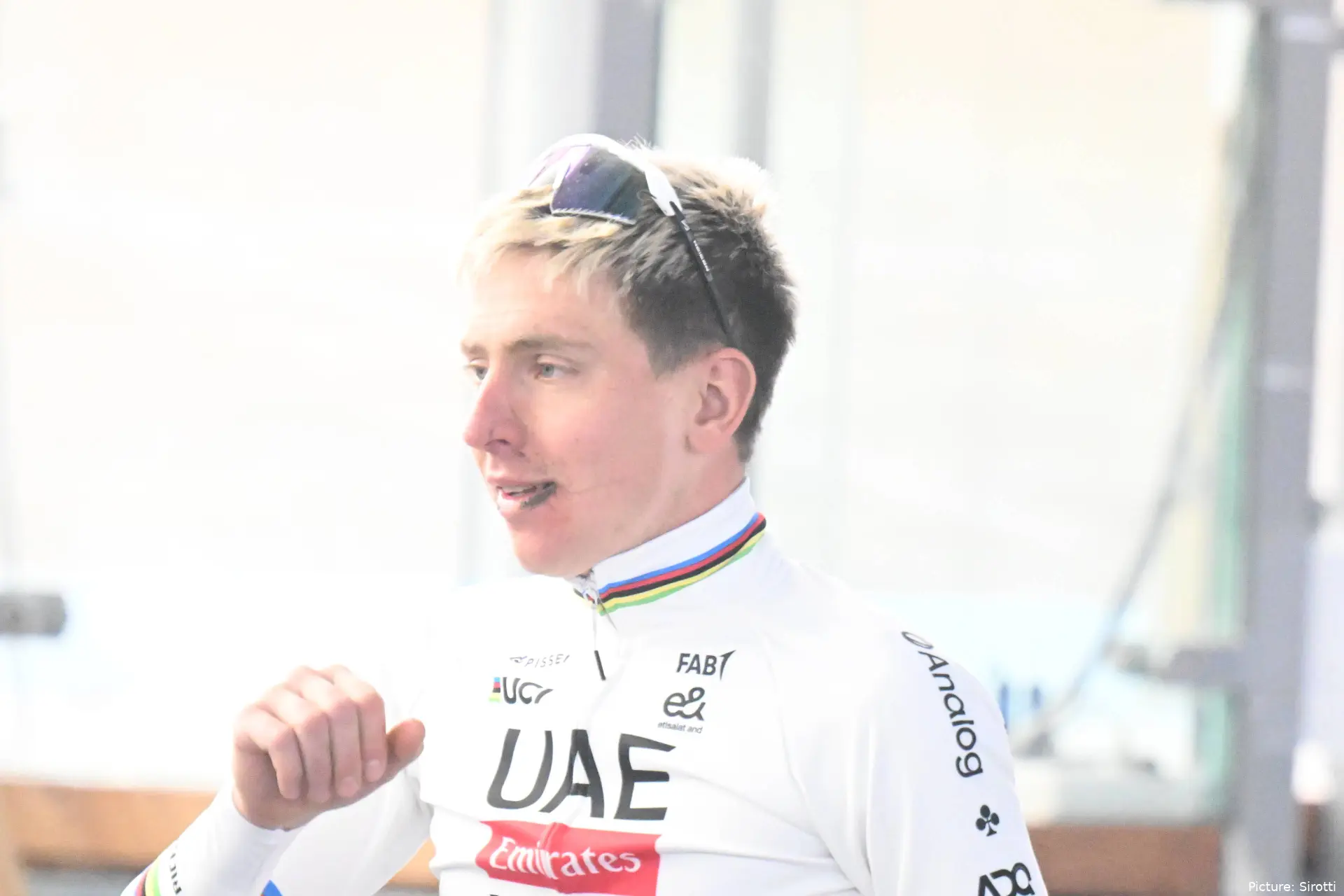
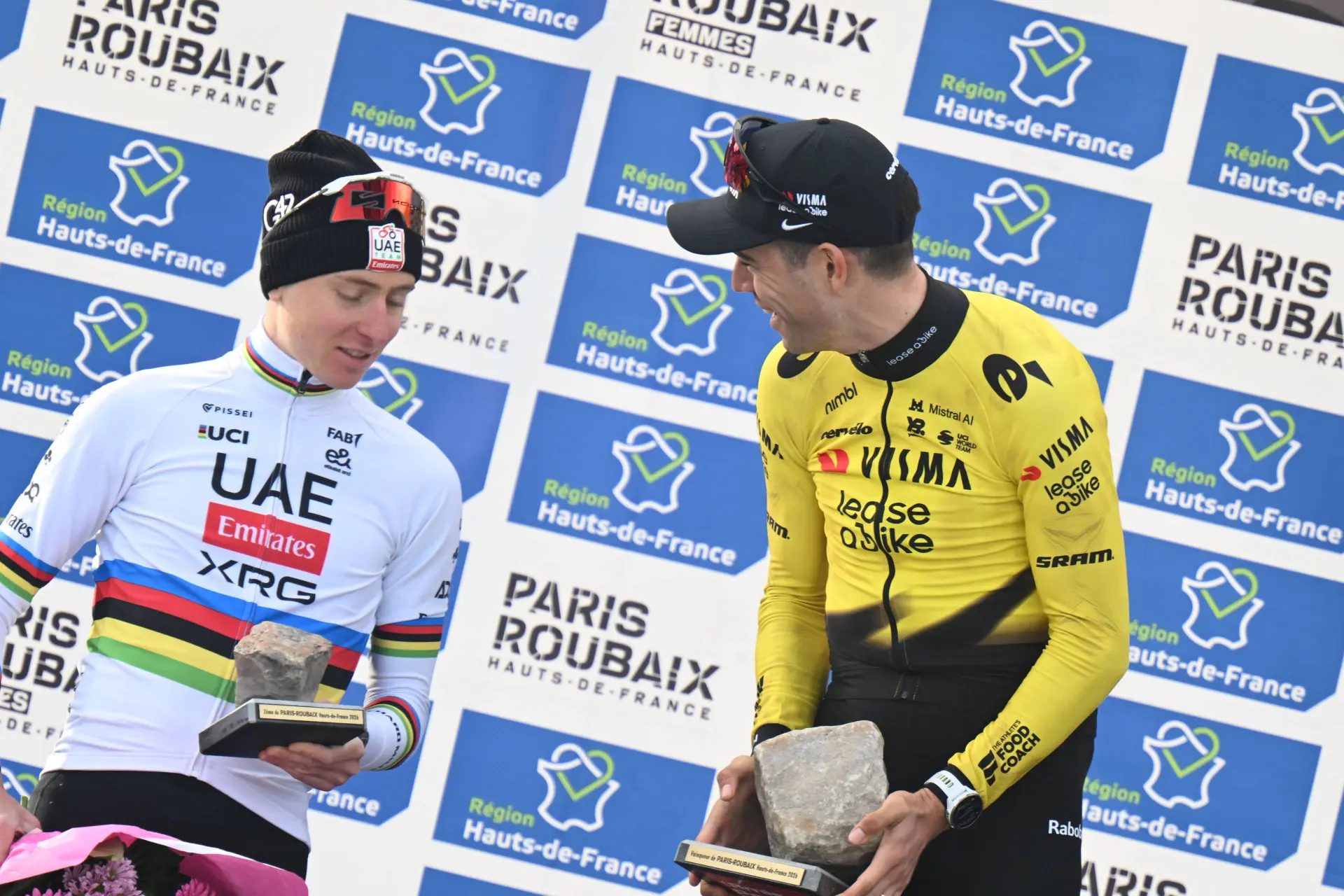
Paris-Roubaix 2026 once again lived up to its reputation as one of cycling’s most brutal and unpredictable races, but in the aftermath, the focus has shifted firmly onto what the result says about both Wout van Aert and Tadej Pogacar.
In his post-race podcast analysis, Eurosport commentator Javier Ares framed Van Aert’s victory as more than just another Monument win.
Instead, he positioned it as a long-awaited moment of redemption after years of near misses on cycling’s biggest stages.
“With the immense satisfaction of seeing Wout van Aert win… it was time for a great race, a formidable stage, to redeem him from so much frustration,” Ares explained, underlining the emotional weight behind the Belgian’s triumph.
A race unlike any other
A key part of Ares’ analysis centred on the unique demands of Paris-Roubaix itself. He stressed that the race stands apart from every other Classic, not just in difficulty, but in the way it combines chaos and endurance. “Paris-Roubaix is a race unlike any other,” he said, pointing to the constant tension between control and unpredictability.
That unpredictability, however, should not be confused with randomness. Ares was careful to highlight that while luck plays a role, it never fully determines the outcome. “It’s a bit cruel that luck plays such an important role in this race, but it’s not the only factor.”
With punctures and crashes affecting many of the leading contenders, his conclusion was clear: success in Roubaix is not about avoiding problems, but about responding to them better than anyone else.

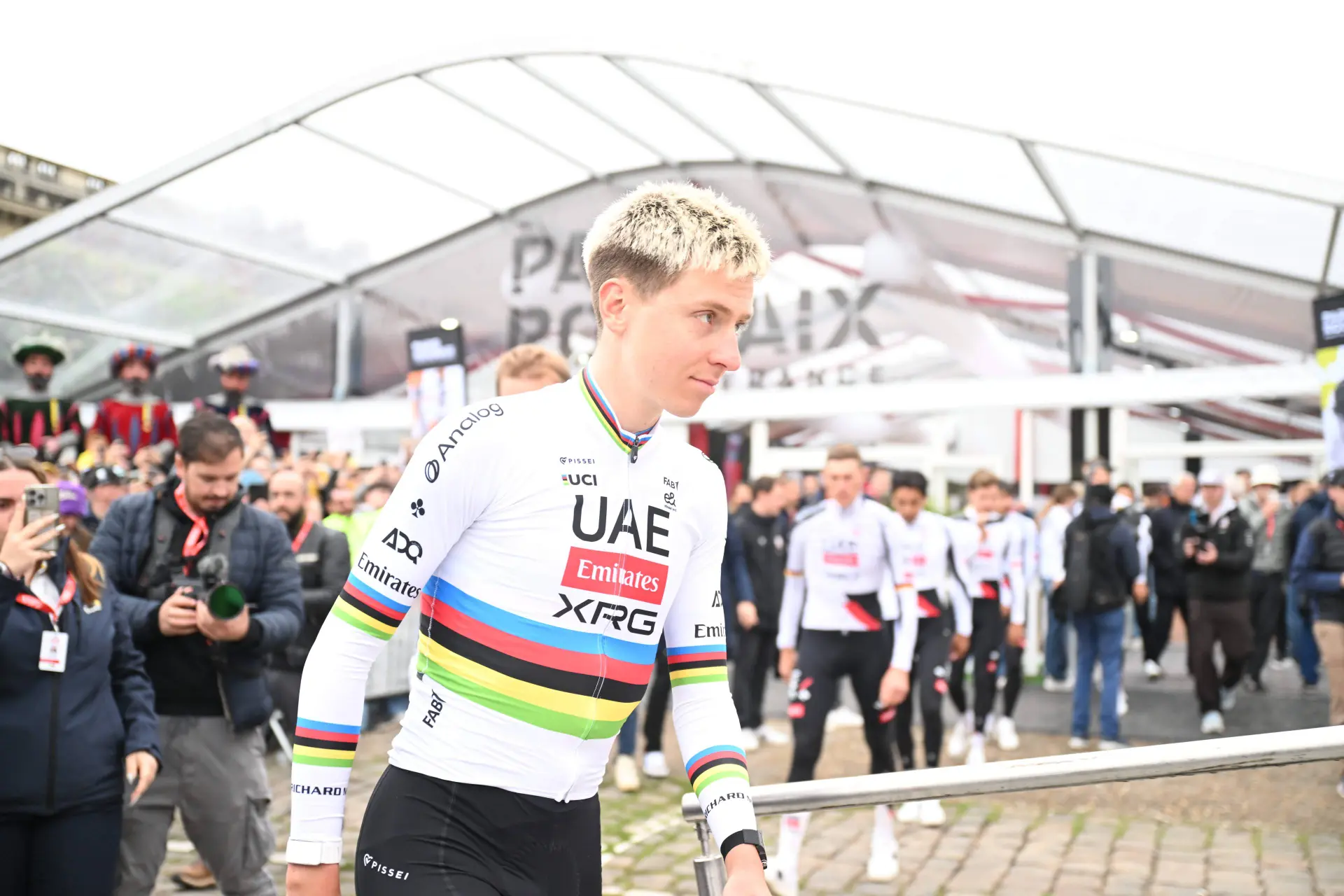
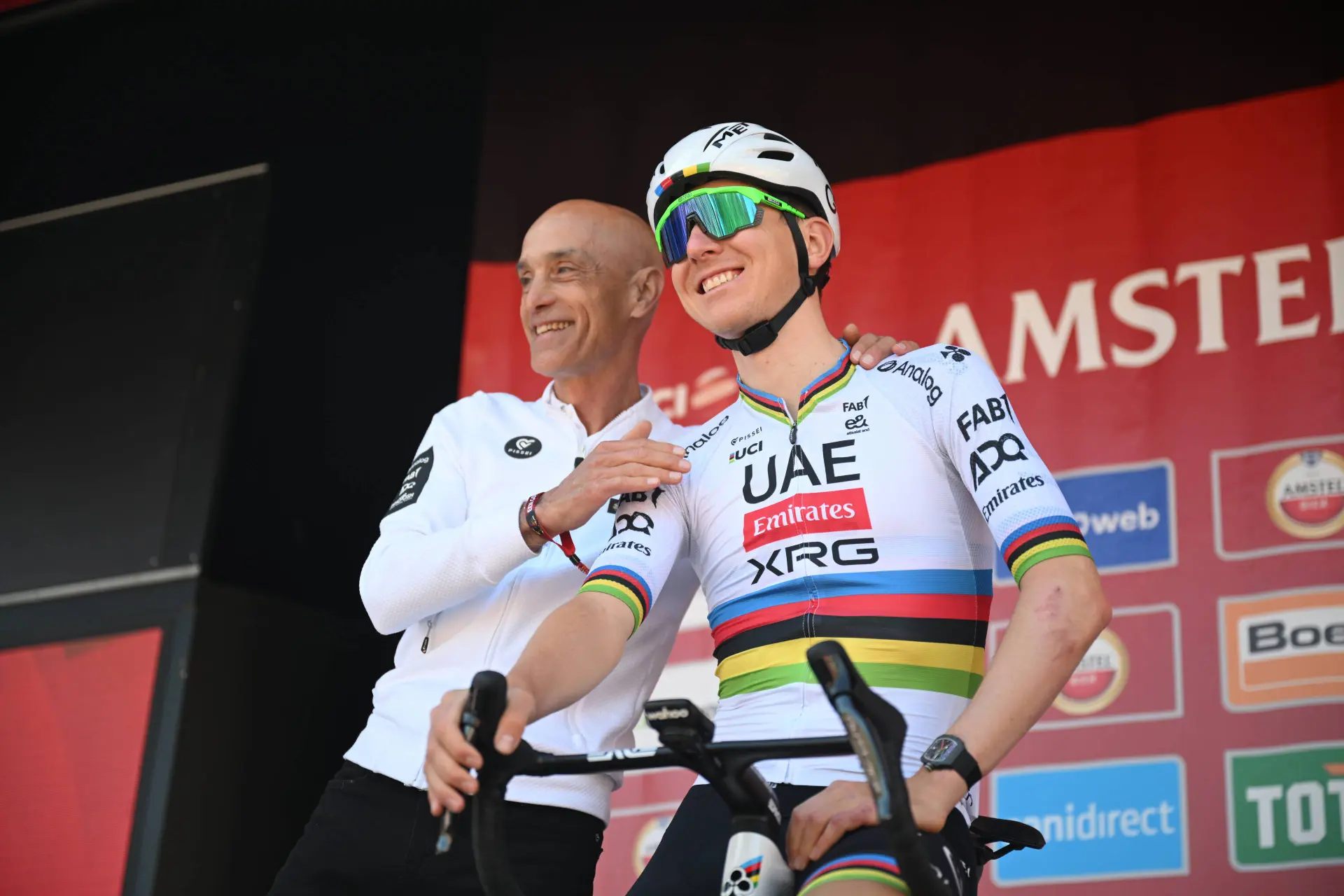
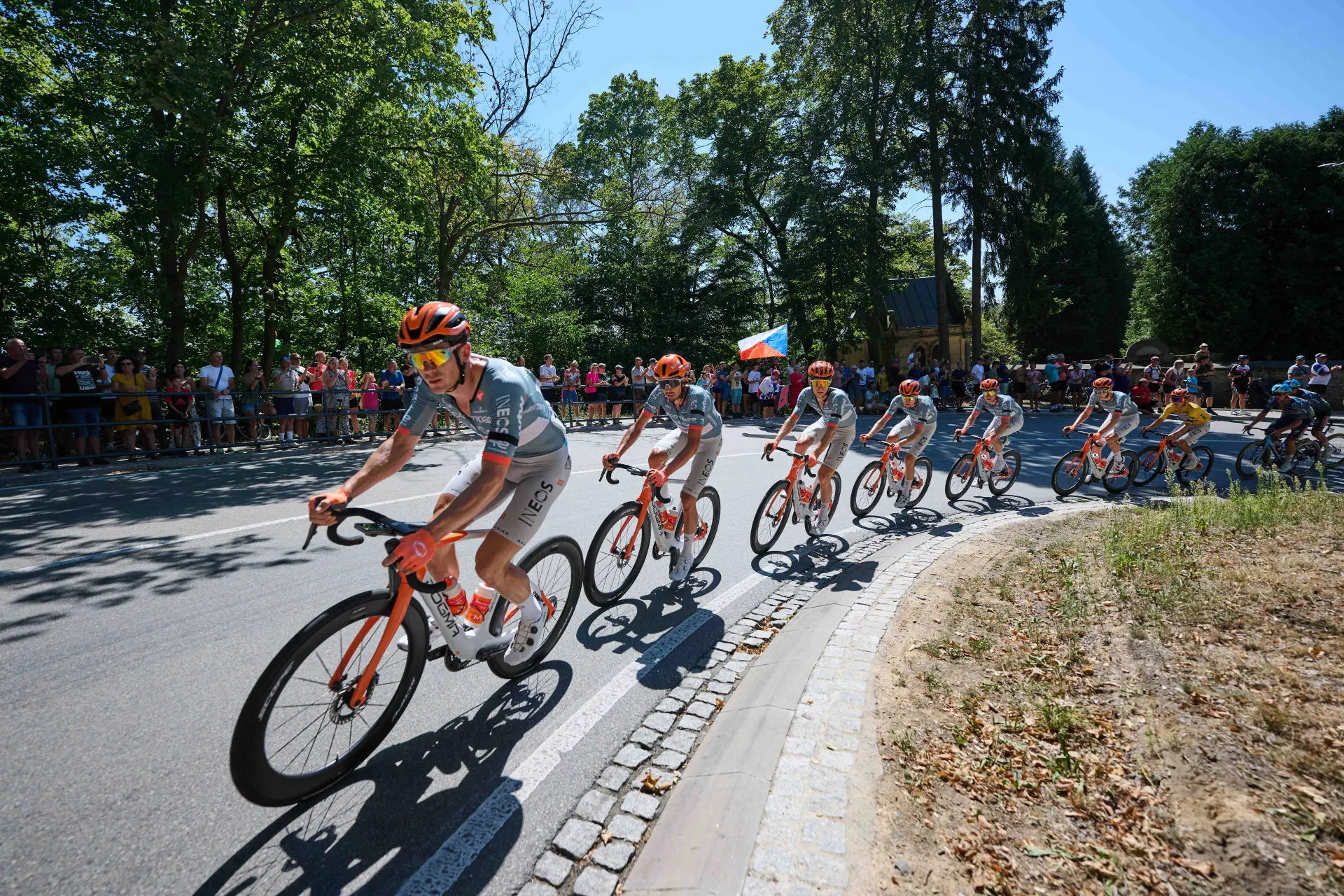
Tadej Pogacar ahead of Paris-Roubaix 2026
Pogacar’s limits on Roubaix terrain
When turning to Pogacar, Ares shifted towards a more structural reading of the Slovenian’s performance. The issue, he suggested, is not talent, but suitability. “Paris-Roubaix is even more difficult for Pogacar because there he has rivals who can ultimately beat him in a sprint in the velodrome.”
Rather than pointing to a single decisive moment, Ares framed this as an inherent disadvantage against specialists more naturally suited to the race’s demands.
He also noted how Pogacar’s aggressive racing style may have worked against him over the cobbles. “He managed to bridge across… putting strain on his team… in a race where he needs something more.”
In a race where positioning, support and energy conservation are critical, that constant pressure can come at a cost.
Van Aert’s decisive edge
In contrast, Van Aert’s ride was presented as a masterclass in control and awareness. Beyond the physical effort, Ares highlighted the psychological battle that unfolded in the finale. “He was forcing Pogacar, psychologically, to make that little bit more effort.”
That subtle edge, combined with tactical clarity, proved decisive in a race where margins are often defined by small moments rather than outright dominance.
Ultimately, Ares framed the duel as a clash of styles, each rider bound by their own strengths and limitations. “Pogacar had no other option… driven by his courage, his energy, his bravery… he has no other way to win this race.”
It is a conclusion that cuts to the heart of Roubaix itself: while Van Aert adapted perfectly to its demands, Pogacar was left forcing a race that was never fully designed for him.

Kieran WoodDeputy Editor-in-Chief
Kieran Wood is a sports journalist based in Wales and has been active in journalism since 2022. He regularly contributes to DartsNews.com and CyclingUpToDate.com, where he covers professional cycling and darts. In cycling, his work includes liveblogs from major races, including the Tour de France, the Giro d’Italia, and La Vuelta a España, alongside race reports and analysis. He has also conducted interviews with professional riders.
His reporting spans the full racing calendar, from one-day classics to stage races, with a focus on accurate, real-time coverage and clear contextual analysis. For statistics, results, and historical context, he regularly uses resources such as ProCyclingStats. To support reporting on rider activity and training context where relevant, he also references Strava.
In his work, Kieran places strong emphasis on careful sourcing, editorial accuracy, and updating articles as new, verified information becomes available.
claps 2visitors 2
Just in

Popular news
Latest comments
- Nothing. Against Pogi nothingabstractengineer18-10-2026
- He didn't even try to sprint all outvappaxbipmv18-10-2026
- Campenaerts looked like a rolling pumpkin with that all orange leaders skinsuit !frieders318-10-2026
- He can take his dumb a$$ politics somehwere else !frieders318-10-2026
- good to have her back. fingers crossed she‘ll be able to stay!Ketterechts17-10-2026
- A tenner and he wins the Tour next year, too 😂anonymouscyclist17-10-2026
- the answer is either stick to classics or GTs but not bothabstractengineer17-10-2026
- the exodus already stared with Ciccone. Already they were struggling with two sprinters, now there are three. Also Ganna will demand leadership. Gall is the most proven GC, Ayuso has the most potential. GC leadership for everybody will be impossible. Literally a UAE style mess without pogi.abstractengineer17-10-2026
- I raced as an amateur for 12 years, including six years on my country’s national road cycling team. I secured two national titles and competed in three World Championships plus more than 15 international stage races. At 23, we travelled to Italy for a training camp—or so I assumed. On a rest day, we watched a presentation about adopting a more “professional” training approach. It was crystal clear what “professional” meant. That moment first exposed me to this dilemma. After returning from Italy, I left cycling—at least at the competitive level I had known. Over the following two years, the whole team was caught doping. I hold that everyone is innocent until proven guilty. In my view, current stakeholders operate on a different scale, and the sums involved are vast. I am unsure whether any doping would ever be revealed. I try to stay positive and enjoy the show. My 2c.
 vannpelt17-10-2026
 - Fiver he wins 🤣
 leedorney17-10-2026
Loading
Write a comment