“He had that sprint completely mapped out” - Three-time Roubaix podium finisher says Van Aert had Pogacar beaten before velodrome sprint
Cycling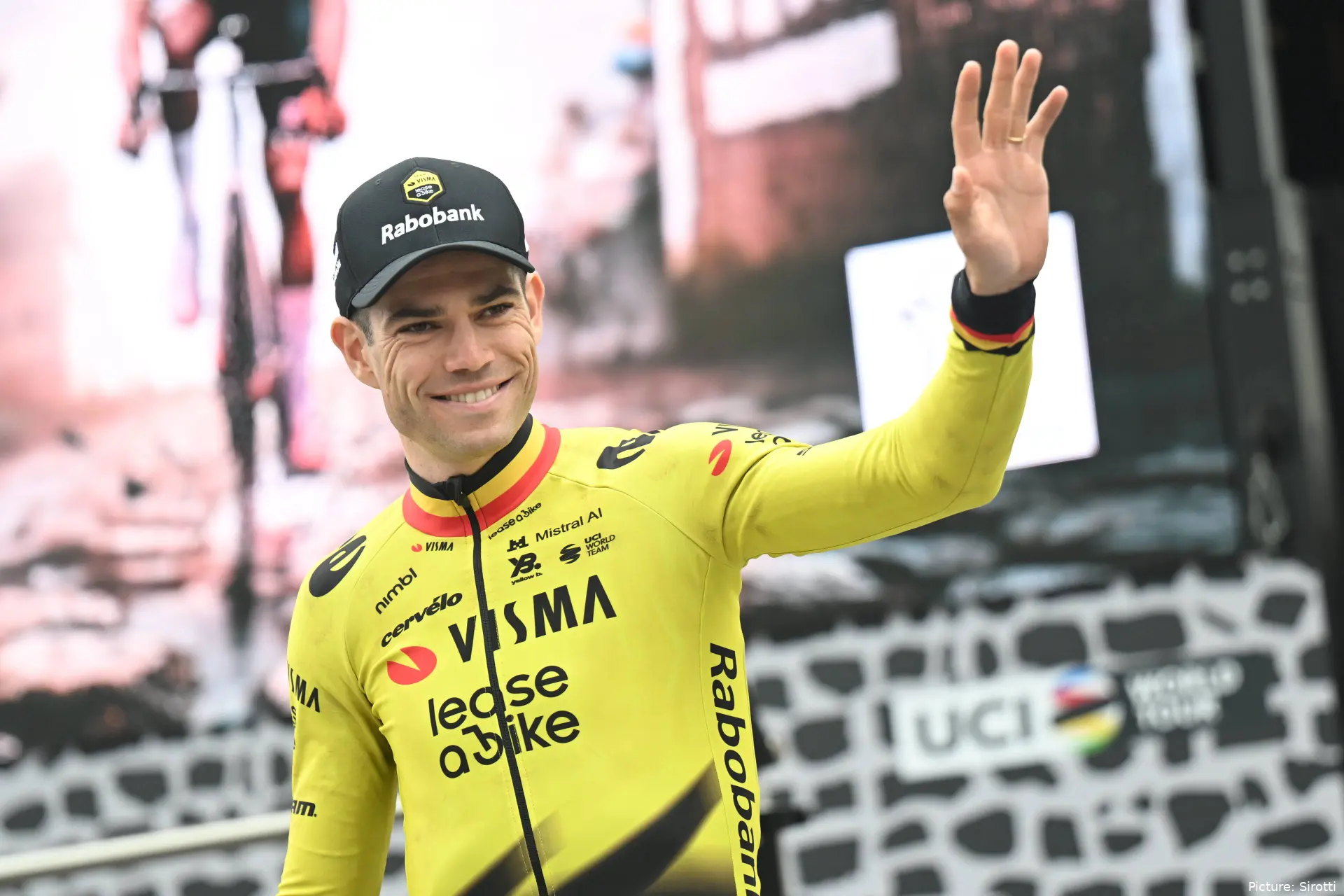
For Juan Antonio Flecha, the decisive moment of Paris-Roubaix 2026 did not begin in the velodrome. It was already in motion long before Wout van Aert and Tadej Pogacar arrived there together.
The former Roubaix podium finisher believes the difference came down to something far more precise than strength alone. “He had that sprint completely mapped out,” Flecha said in his post-race analysis, pointing to the Belgian’s clarity of thought in the final moments of one of the most chaotic editions in recent memory.
A race shaped by chaos before the finish
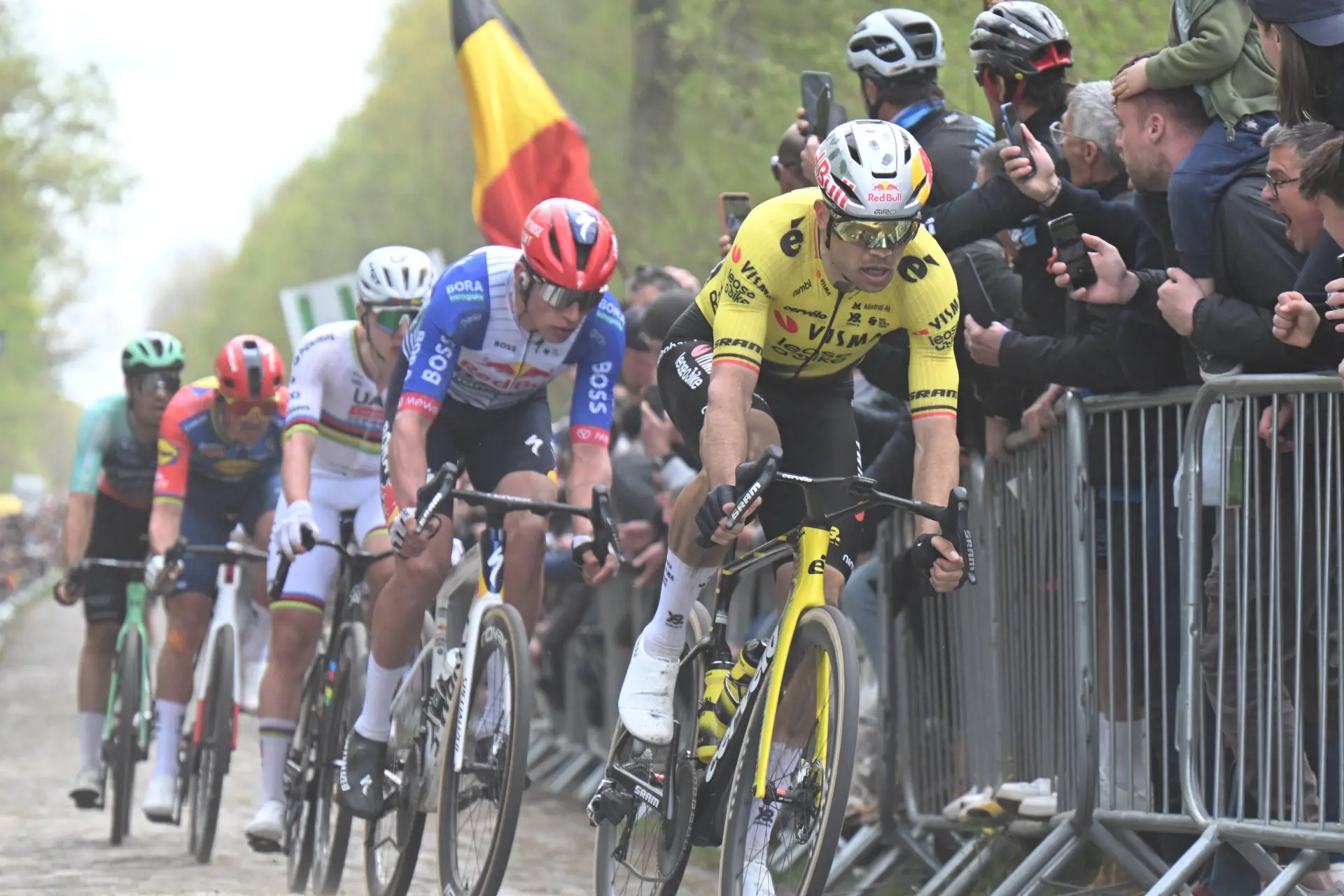
Paris-Roubaix 2026 was defined by disruption. Punctures, crashes and constant shifts in momentum left even the strongest riders scrambling to stay in contention, and Flecha was quick to underline just how unusual the race had been.
“It was a beautiful, spectacular race… with a more than deserved victory for Wout van Aert,” he said, before highlighting a telling detail. “There was a statistic showing that this was the edition where the most punctures affected the favourites.”
That context matters. In a race where so much goes wrong, winning is not just about having the legs, but about surviving everything that happens along the way.
The velodrome is where races are finished, not won
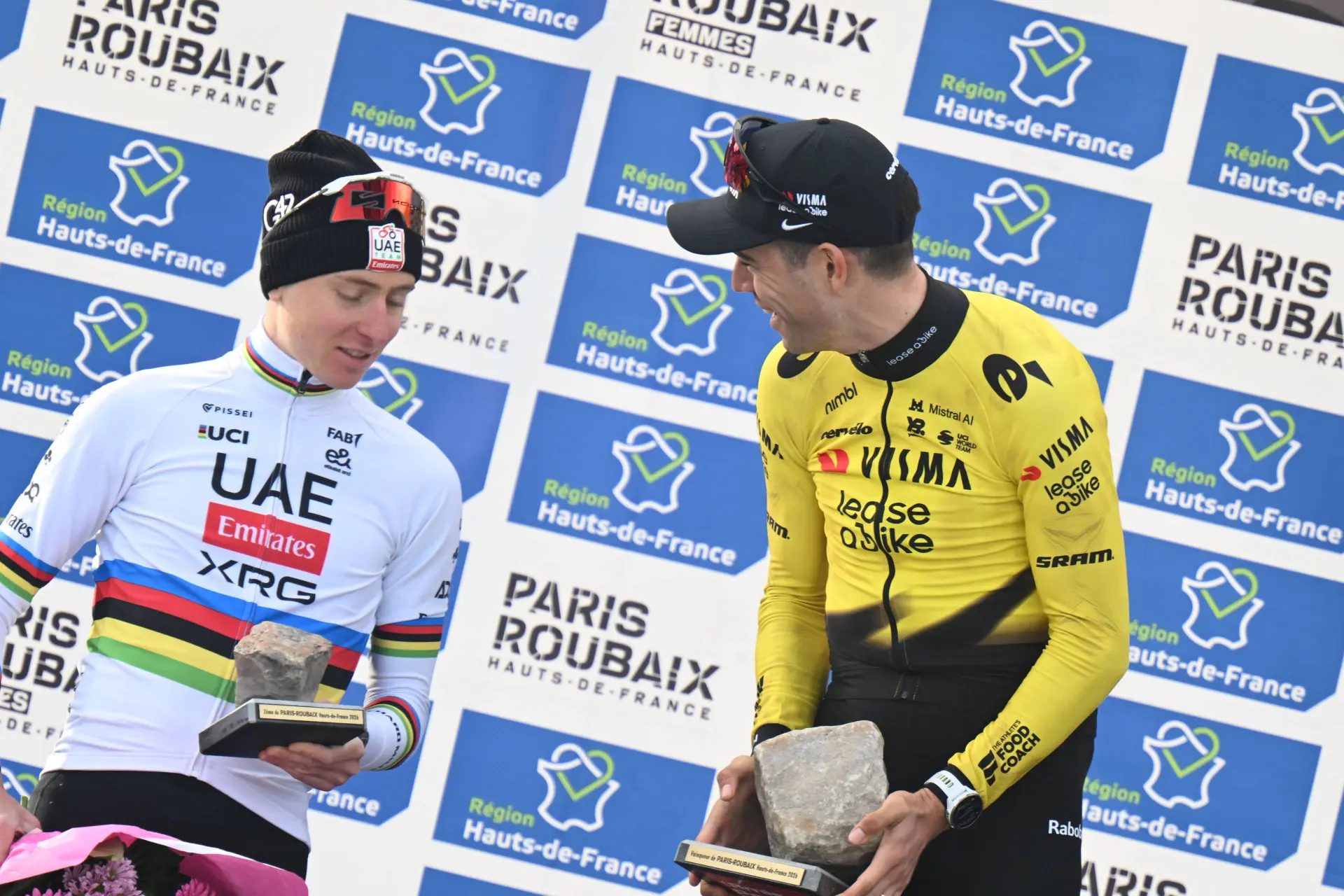
Flecha’s analysis centres on a point that often gets overlooked. The sprint in Roubaix may decide the winner, but it rarely tells the whole story on its own. “It’s a race where… sometimes you neglect how to approach the sprint in the velodrome… and that’s the question that gives you top marks,” he explained, drawing on his own experience of racing there.
That idea framed his reading of the 2026 finale. By the time Van Aert and Pogacar entered the velodrome, the difference between them was already taking shape.

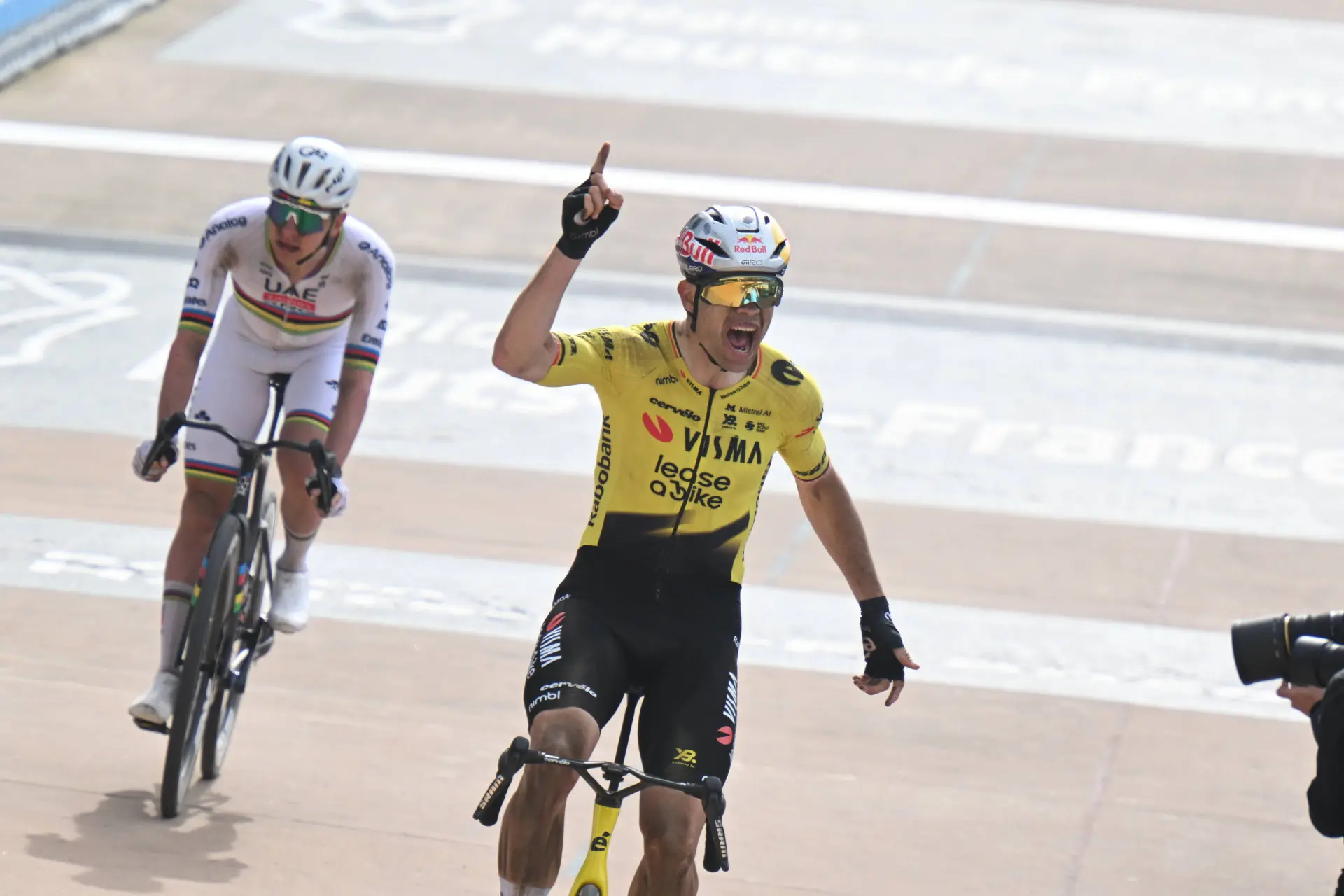
Wout Van Aert wins Paris-Roubaix 2026
The small detail that made the difference
Flecha also pointed to the execution itself, identifying where the sprint was won and lost. “Pogacar started very well… but then he didn’t make use of that advantageous position,” he said, explaining how the Slovenian failed to fully exploit the banking of the velodrome.
Van Aert, on the other hand, read the situation perfectly and delivered at exactly the right moment. “He had that sprint completely mapped out.”
No shortcuts in Roubaix
For Flecha, the wider lesson of Paris-Roubaix remains unchanged. “You can’t start making excuses for everyone who had problems… it’s normal that things happen,” he said, reinforcing the idea that unpredictability is part of the race itself.
Handling those moments is not separate from winning Roubaix. It is the reason riders win it.
In the end, Flecha’s verdict is not about a single sprint, but about everything that leads into it. “The hardest part is getting to the velodrome,” he said, underlining the reality that by the time the race reaches that point, only a handful of riders are still in a position to win.
Van Aert arrived there with a plan. Pogacar arrived having spent the race trying to create one. Only one of them needed to think twice.

Kieran WoodDeputy Editor-in-Chief
Kieran Wood is a sports journalist based in Wales and has been active in journalism since 2022. He regularly contributes to DartsNews.com and CyclingUpToDate.com, where he covers professional cycling and darts. In cycling, his work includes liveblogs from major races, including the Tour de France, the Giro d’Italia, and La Vuelta a España, alongside race reports and analysis. He has also conducted interviews with professional riders.
His reporting spans the full racing calendar, from one-day classics to stage races, with a focus on accurate, real-time coverage and clear contextual analysis. For statistics, results, and historical context, he regularly uses resources such as ProCyclingStats. To support reporting on rider activity and training context where relevant, he also references Strava.
In his work, Kieran places strong emphasis on careful sourcing, editorial accuracy, and updating articles as new, verified information becomes available.
claps 2visitors 2
Just in
Popular news
Latest comments
- Nothing. Against Pogi nothingabstractengineer18-10-2026
- He didn't even try to sprint all outvappaxbipmv18-10-2026
- Campenaerts looked like a rolling pumpkin with that all orange leaders skinsuit !frieders318-10-2026
- He can take his dumb a$$ politics somehwere else !frieders318-10-2026
- good to have her back. fingers crossed she‘ll be able to stay!Ketterechts17-10-2026
- A tenner and he wins the Tour next year, too 😂anonymouscyclist17-10-2026
- the answer is either stick to classics or GTs but not bothabstractengineer17-10-2026
- the exodus already stared with Ciccone. Already they were struggling with two sprinters, now there are three. Also Ganna will demand leadership. Gall is the most proven GC, Ayuso has the most potential. GC leadership for everybody will be impossible. Literally a UAE style mess without pogi.abstractengineer17-10-2026
- I raced as an amateur for 12 years, including six years on my country’s national road cycling team. I secured two national titles and competed in three World Championships plus more than 15 international stage races. At 23, we travelled to Italy for a training camp—or so I assumed. On a rest day, we watched a presentation about adopting a more “professional” training approach. It was crystal clear what “professional” meant. That moment first exposed me to this dilemma. After returning from Italy, I left cycling—at least at the competitive level I had known. Over the following two years, the whole team was caught doping. I hold that everyone is innocent until proven guilty. In my view, current stakeholders operate on a different scale, and the sums involved are vast. I am unsure whether any doping would ever be revealed. I try to stay positive and enjoy the show. My 2c.
 vannpelt17-10-2026
 - Fiver he wins 🤣
 leedorney17-10-2026
Loading
1 Comments