Have Wout van Aert and Mathieu van der Poel left it too late to travel to World Championships? - "I’m afraid the jet lag could still be in their system"
CyclingTuesday, 22 September 2026 at 13:01
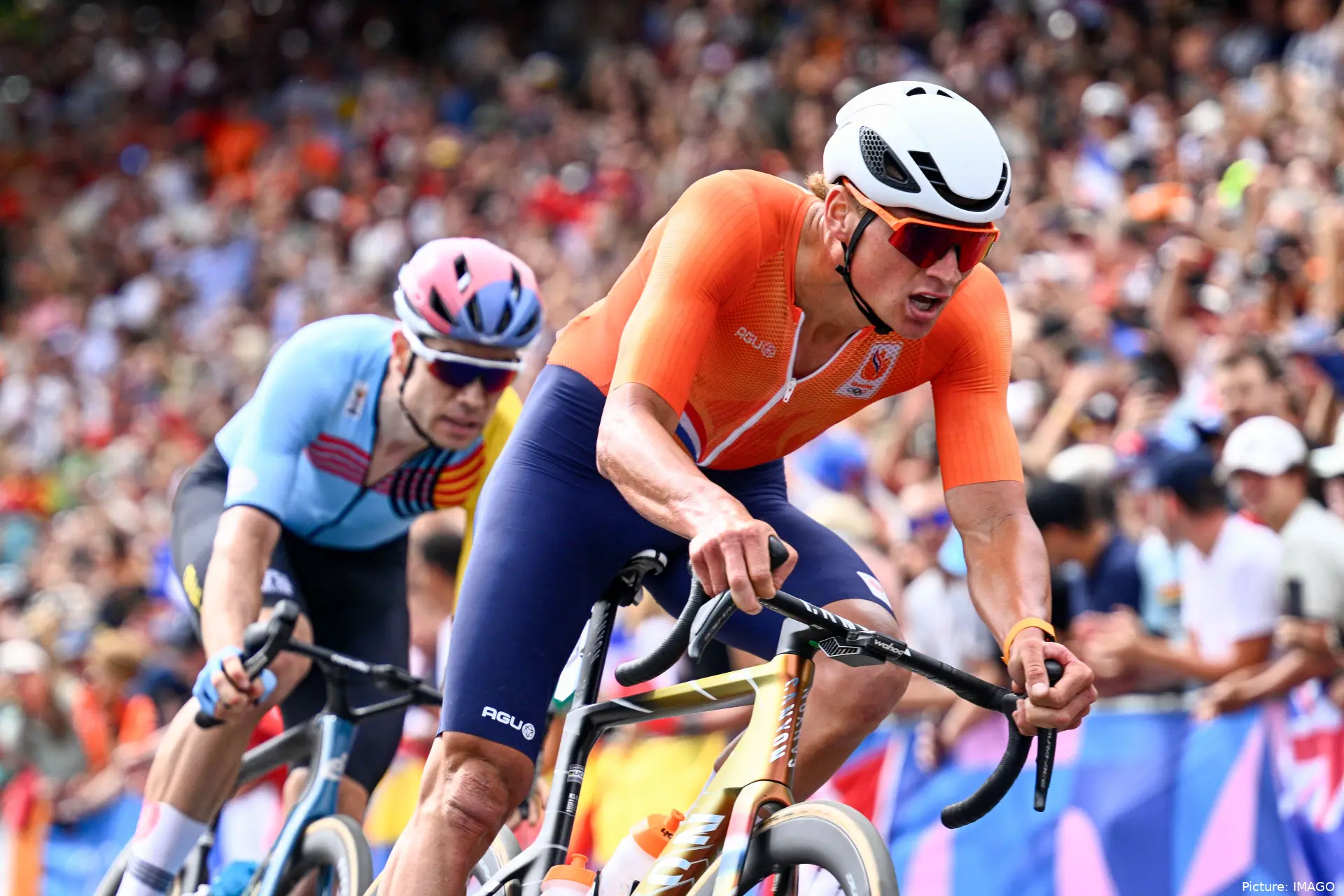
Wout van Aert and Mathieu van der Poel were among the last of the World Championships contenders to arrive in Montreal for the World Championships road race, with the Belgian and Dutch pair facing a race against time to adjust to a new time zone before the gruelling race.
Wout van Aert finished the Vuelta a Espana on September 13th, but stayed in Belgium for the following week before joining up with the team this week. Meanwhile, Mathieu van der Poel finished the Tour of Luxembourg on Sunday and switched focus quickly to Canada.
Van Aert took two stage wins in Spain while van der Poel let loose with a 170 kilometer solo attack in Luxembourg. Form isn't an issue, but there may be a hidden danger that could influence their performances in Montreal - jet lag.
With Montreal six hours behind Central European Time, former rider Jan Bakelants questioned what advantage the late arrival has for either rider, with just a few days to adjust to Canada while Remco Evenepoel, Paul Seixas and Isaac del Toro among others are already well acclimated.
“The only thing I would have done differently in their case is the timing of the trip to Canada,” Bakelants wrote on HLN.
“There is simply no advantage to leaving this late.”

Wout Van Aert was a headliner at the Vuelta a España
Bakelants fears effects of jet lag
Bakelants fears that the jet lag could catch up at the race, pointing to his expereince riding the Canadian one-day classics during his career and how it took longer than usual for him to re-adjust to usual levels.
“I understand that Wout wanted to be at home for a while after all those weeks away, and I understand that Mathieu preferred to race in Luxembourg. But I’m afraid the jet lag could still be in their system.
“The jet lag is completely out of his [Remco Evenepoel, Ed.] body now. When your day and night rhythm is disturbed, it also affects your hormones. I could never really get my engine going in Québec, while a few days later in Montreal it was always much better."
Belgian team doctor Kris Van der Mieren shed some light on the fears. While noting that the average person takes one day to re-adjust their body for every hour in time difference change, van Aert's response could be quicker as a high performance athlete.
“For the average person, you can use that calculation,” he told Het Nieuwsblad. “But we are talking about top athletes here. All the studies show that they adapt much faster.”
Belgian doctor downplays effects of jet lag
“So nobody needs to worry,” he said. “Some riders might have slightly heavy legs during the first few days, but someone like Van Aert will be fully adjusted by Sunday.”
However, there are affects that need to be considered. If van Aert and van der Poel aren't well adjusted, their bodies could mistake the final hours of the race for preparing to sleep.
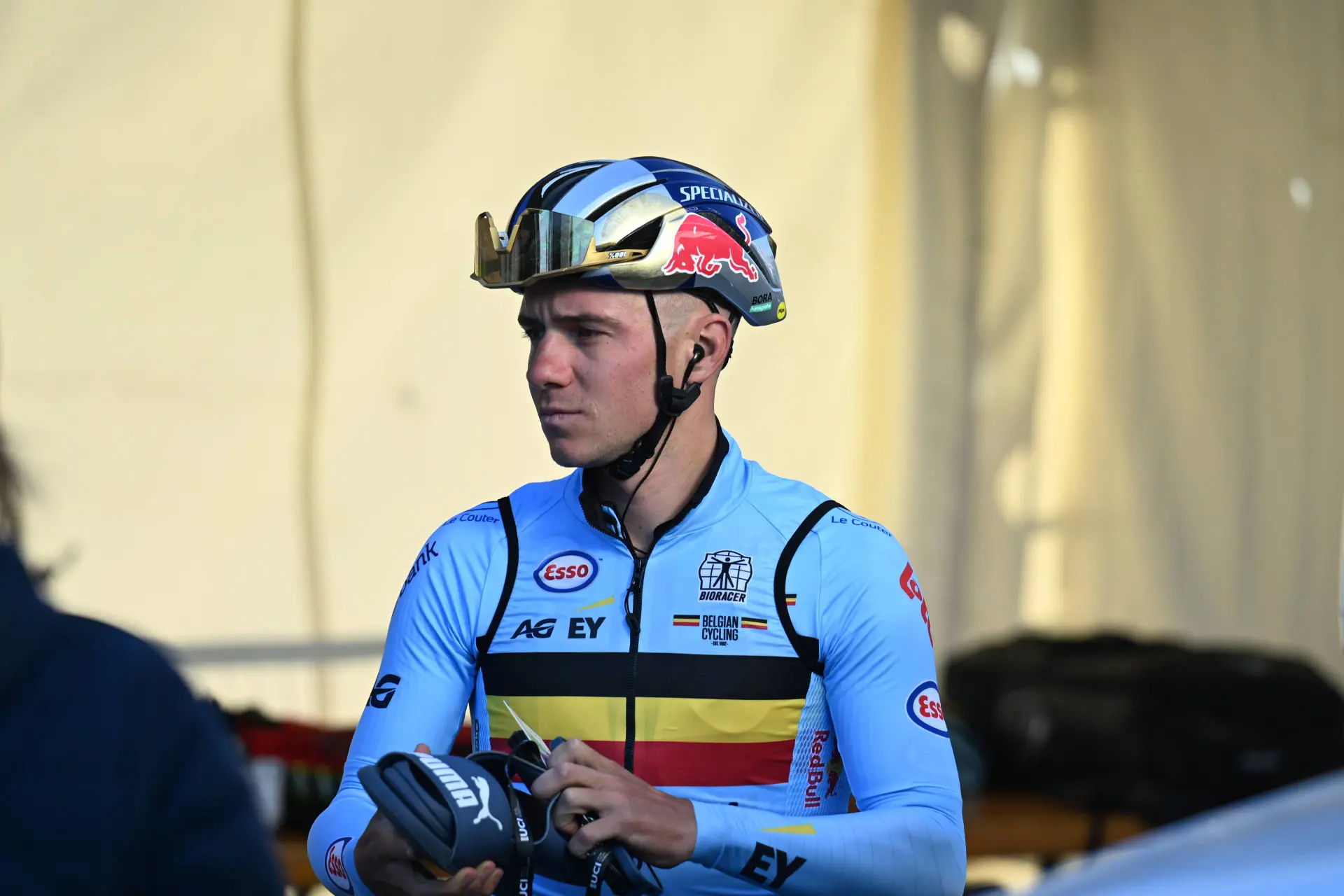
“Our sleep and wake rhythm is very precisely regulated by the brain. If you suddenly shift everything by six hours, that rhythm is seriously disturbed.”
“If the race finishes around 4pm, your body could still think it is 10pm. It starts preparing for the night. Cortisol production drops, testosterone drops and the body starts moving towards recovery mode. That obviously isn’t ideal when you are trying to produce a major effort.”

Gavin QuinnCycling Journalist
Gavin Quinn is a cycling journalist and ultra-distance cyclist with a BA in Journalism from Dublin City University. Formerly the Press & Communications Officer for Cycling Ireland, Gavin has worked inside the national team at the World Championships and has reported for the Irish Mirror, Mirror UK, and The42.
His expertise is backed by elite-level access, having interviewed stars like Sam Bennett and Ben Healy, as well as immense personal endurance. In 2025, he completed a 12,000km solo cycle from Ireland to Vietnam, following a 4,600km tour across Europe. From the cobbles of Paris-Roubaix to the gradients of the Tourmalet, Gavin’s writing focuses on the "romance and brutality" of the sport. Having visited 50+ countries, he brings a global, cultural perspective to his coverage of the pro peloton for CyclingUpToDate.
claps 0visitors 0
Just in
Popular news
Latest comments
- why is bakelants worried if they aren‘t?Ketterechts22-09-2026
- Thought it was known months ago that Arrieta was leaving.Andy12322-09-2026
- I believe that's what they call "the joke"wrsty22-09-2026
- The same thing happened in the men's under 23 time trial, where Ben Wiggins, the British rider, put out personal best watts but got an inexplicably poor time.Quebrantahuesos22-09-2026
- lolmij22-09-2026
- Tadej is not eligible for U23, pal.Colnago-fan22-09-2026
- Class bike ridervanja22-09-2026
- My comment was supposed to be In the piece on the U23 time trial! Some kind of screw up for it to be here!AndrewK22-09-2026
- This victory should have an asterisk attached to it since Tadej Pogacar wasn’t racing in it, due to a combination of injury and illegibility.AndrewK22-09-2026
- Good'un
 Rafionain-Glas22-09-2026
Loading
1 Comments