“For all Tour riders, altitude blocks are the key” - Tour de Suisse explains radical five-day reset before Tadej Pogacar debut
Cycling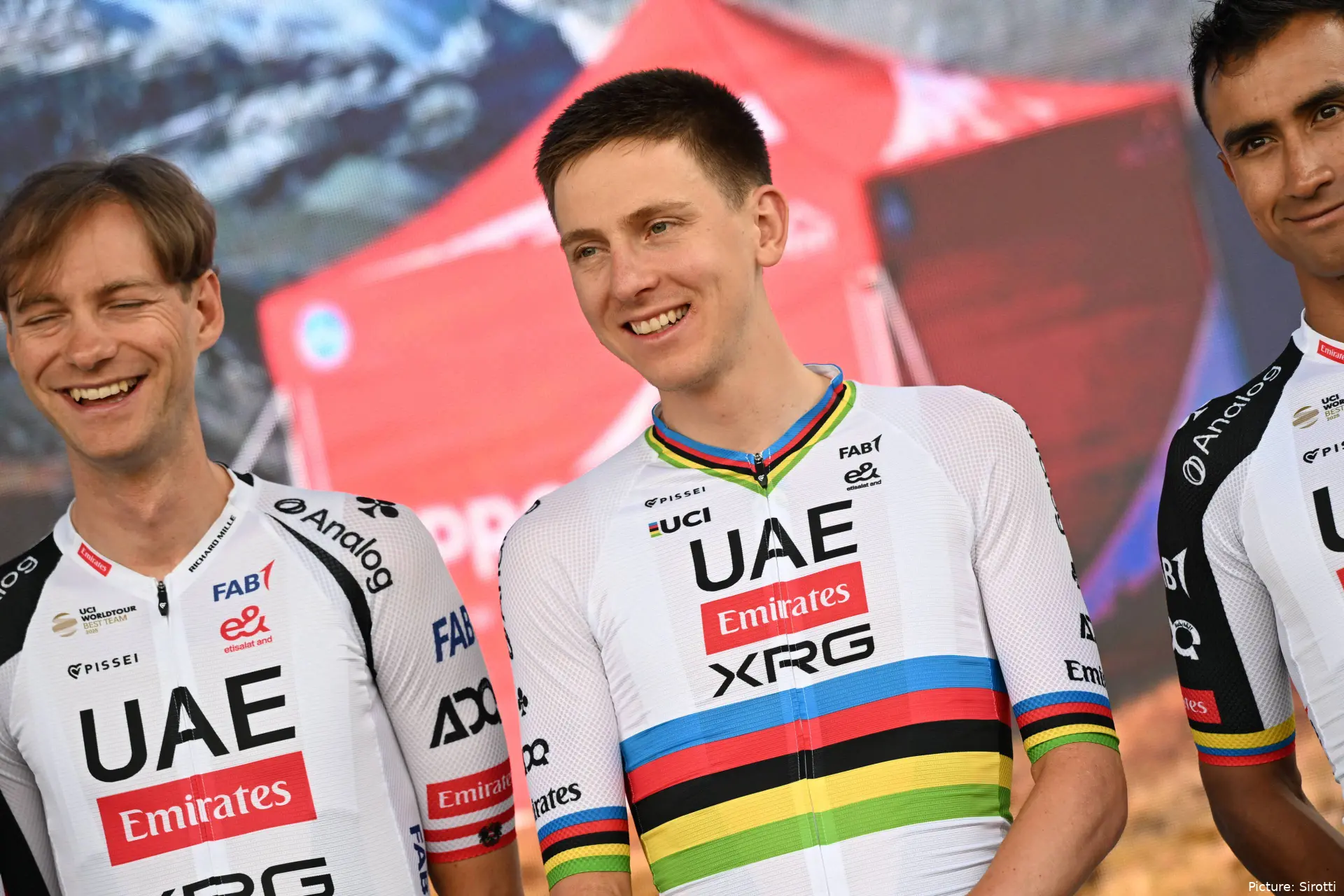
The Tour de Suisse has changed shape because the modern Tour de France build-up has changed shape. Prestige alone no longer protects a June stage race if it does not fit the altitude-camp rhythm used by the riders targeting July.
That is the context behind the Swiss race’s new five-day format, which begins this week with Tadej Pogacar making his Tour de Suisse debut. The old eight-day race has been replaced by a compressed Wednesday-to-Sunday edition, with organisers trying to keep one of cycling’s historic June events relevant in a calendar increasingly dictated by recovery windows, altitude blocks and final Tour de France preparation.
For years, Tour contenders could choose between the Criterium du Dauphine and the Tour de Suisse. The Swiss race still carried major sporting weight, but its length had become more awkward for riders trying to combine racing with one final altitude stimulus before the Grand Depart.
Flanders Classics CEO Tomas Van den Spiegel, whose organisation holds a minority stake in Cycling Unlimited, the company behind the Tour de Suisse, has now explained the thinking behind the change. “For all Tour riders, one or two altitude blocks in May and June are the key,” Van den Spiegel said in conversation with Het Laatste Nieuws.
Read also
Why Tour de Suisse had to change
The Dauphine had increasingly become the easier race to fit around that rhythm. Riders could complete a longer altitude camp before racing in France, then still add a shorter altitude block afterwards before the Tour de France.
That was harder after an eight-day Tour de Suisse. The race ran later in the June window, demanded recovery time, and left fewer days for the final controlled training block before July. “By riding the Dauphine, they could previously first complete a long altitude block and then add a shorter altitude stimulus afterwards,” Van den Spiegel explained. “After the Tour de Suisse, such a second altitude stimulus was no longer possible, partly because riders needed several days to recover from eight days of racing.”
The new version of the race is the answer to that problem. Tour de Suisse has not abandoned difficulty, but it has abandoned the idea that more racing automatically makes it more attractive to Tour contenders. “This more compact format ensures that our race can be better combined with altitude blocks,” Van den Spiegel added.
The 2026 edition keeps enough variety to shape a proper general classification. The race opens in Sondrio, continues through Locarno and Bad Ragaz, includes an individual time trial in Aarburg, and ends with a mountain stage around Villars-sur-Ollon.

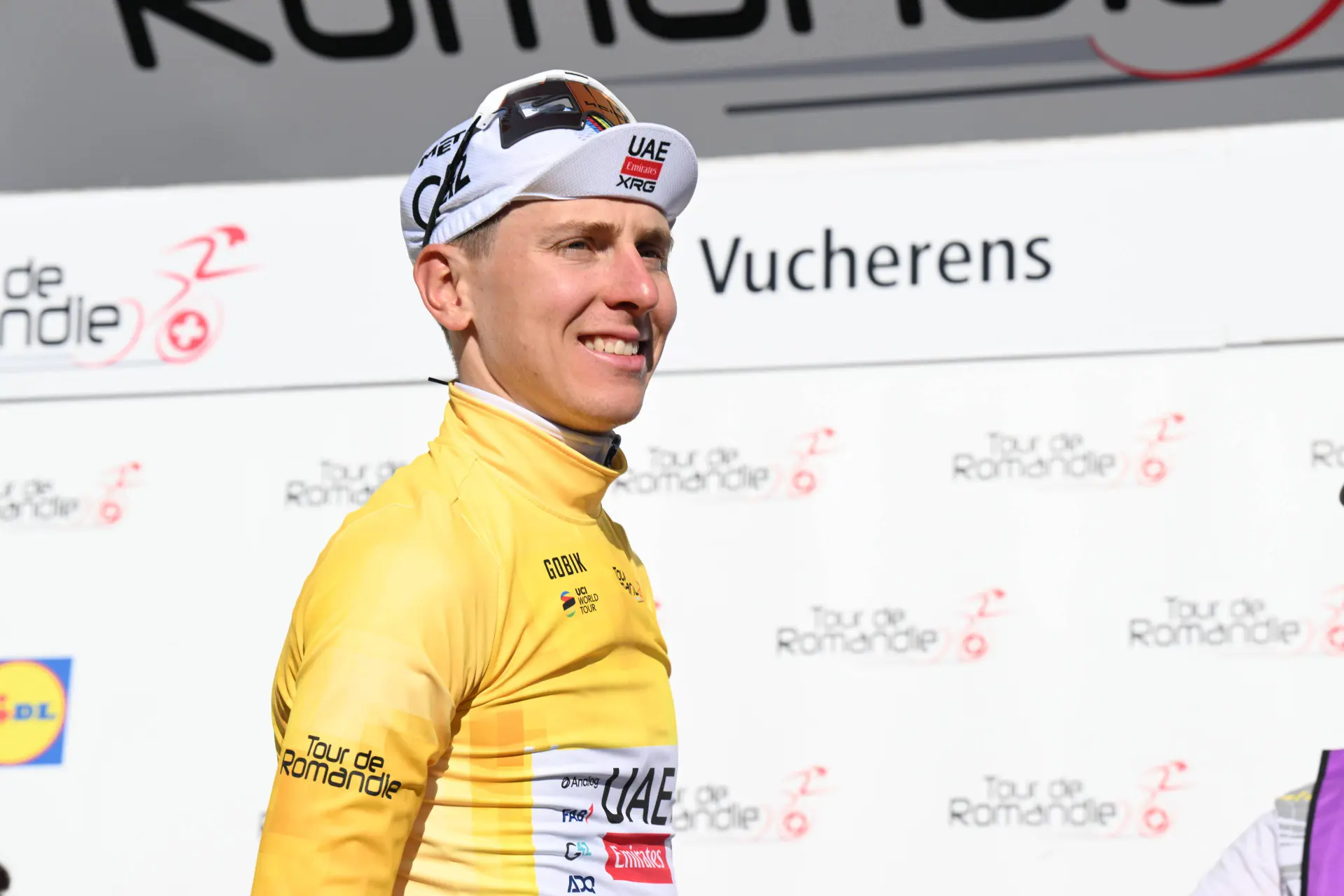
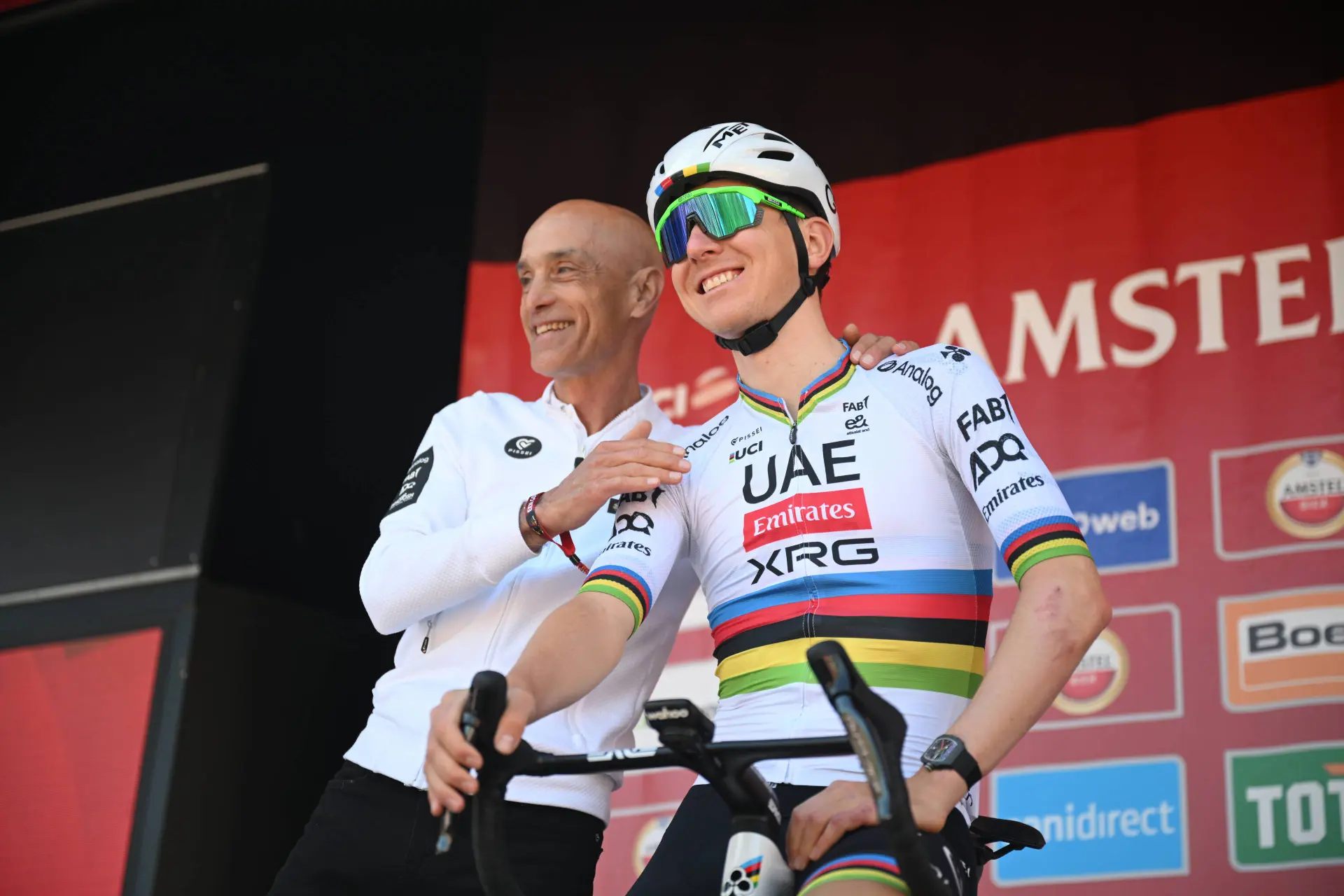
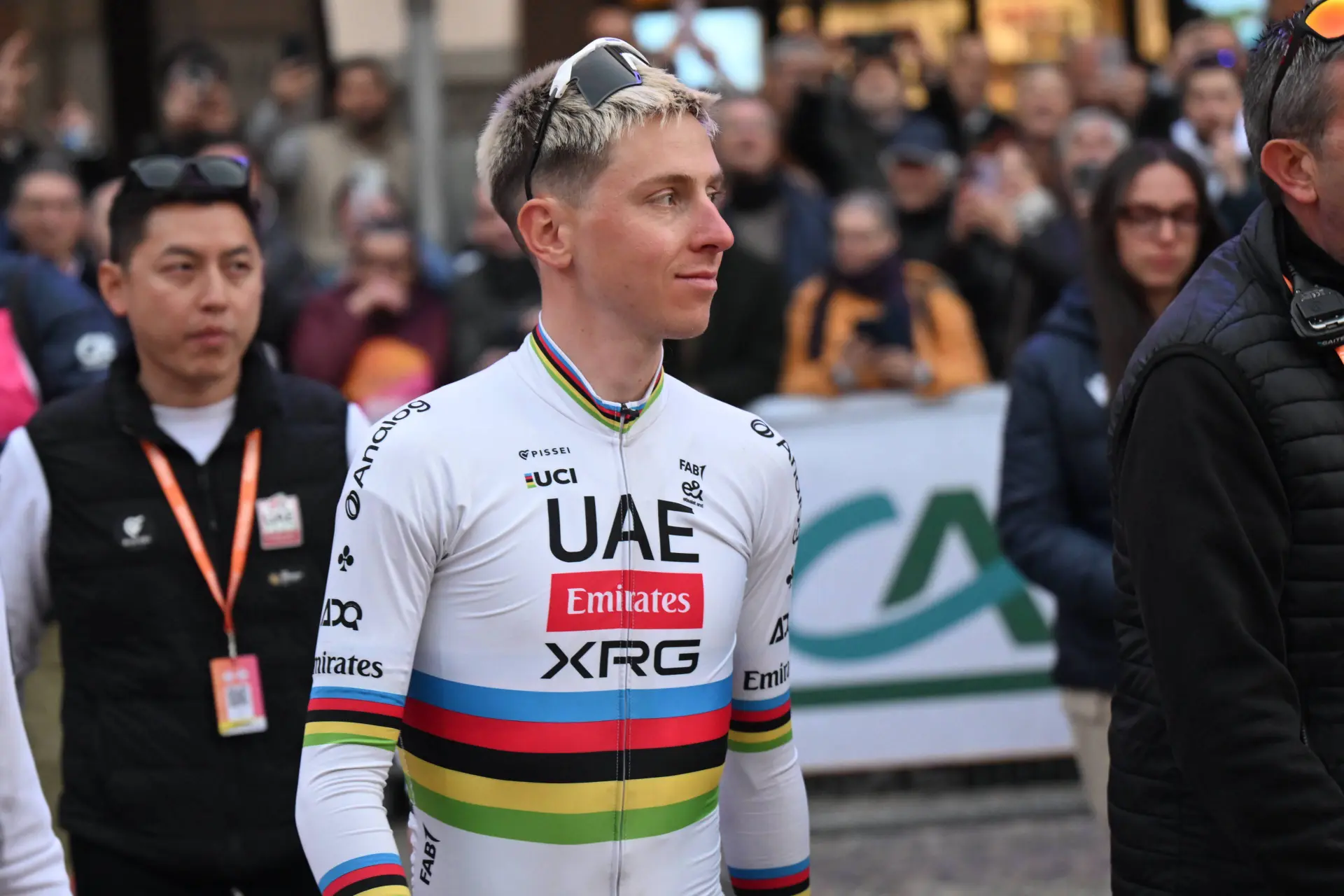
Tim Wellens and Tadej Pogacar at the 2026 Tour de Suisse
Pogacar gives the reset its first major test
Pogacar’s presence immediately sharpens the reset. UAE Team Emirates - XRG have won the last two editions of the Tour de Suisse, first with Adam Yates in 2024 and then with Joao Almeida in 2025. Pogacar now arrives as the team’s headline rider for a race he has never previously ridden.
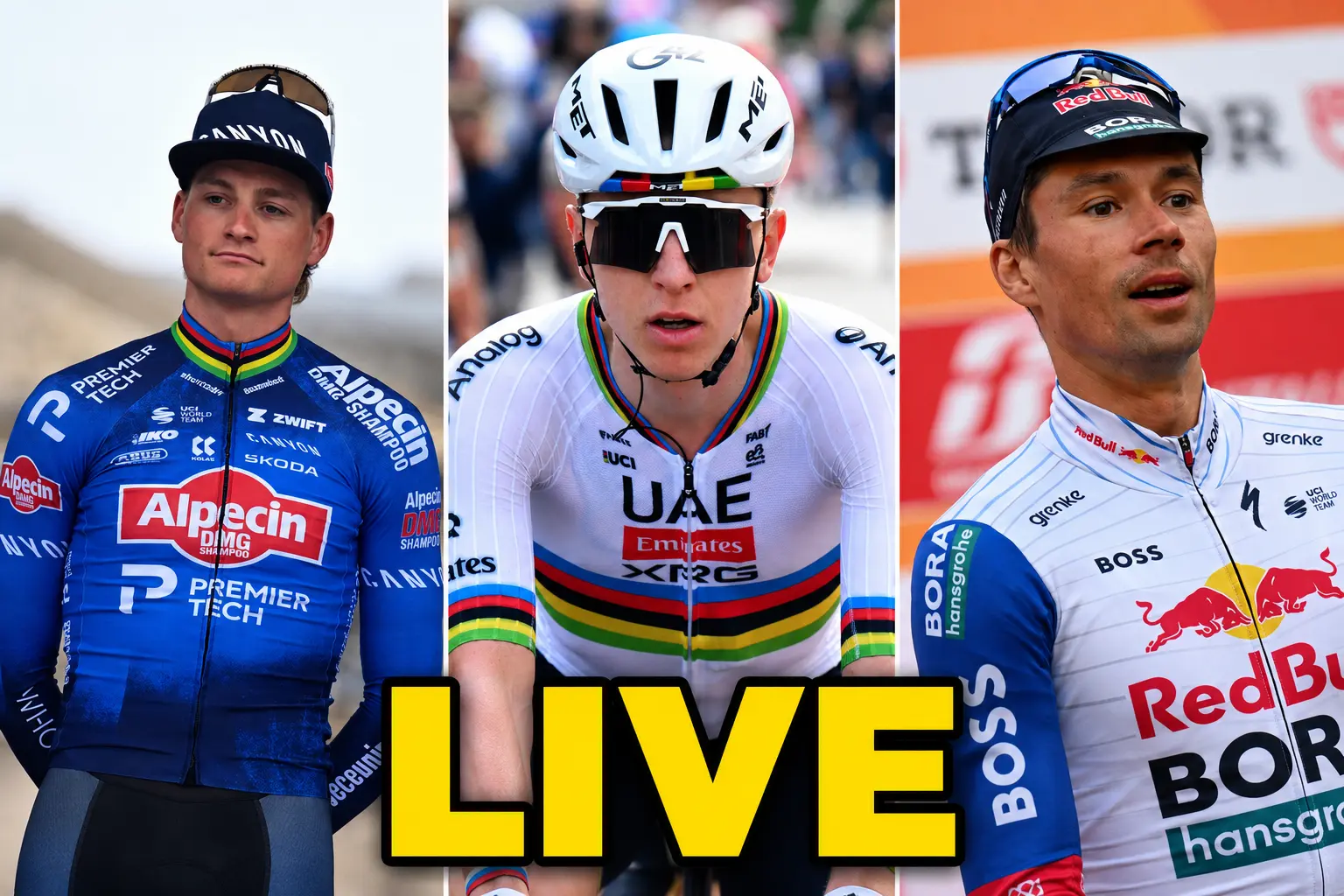
It also gives Suisse the kind of star power the format change was designed to protect. Mathieu van der Poel and Primoz Roglic add further weight to the startlist, while the opening stage in Sondrio already gives the race a punchy, selective beginning rather than a soft introduction.
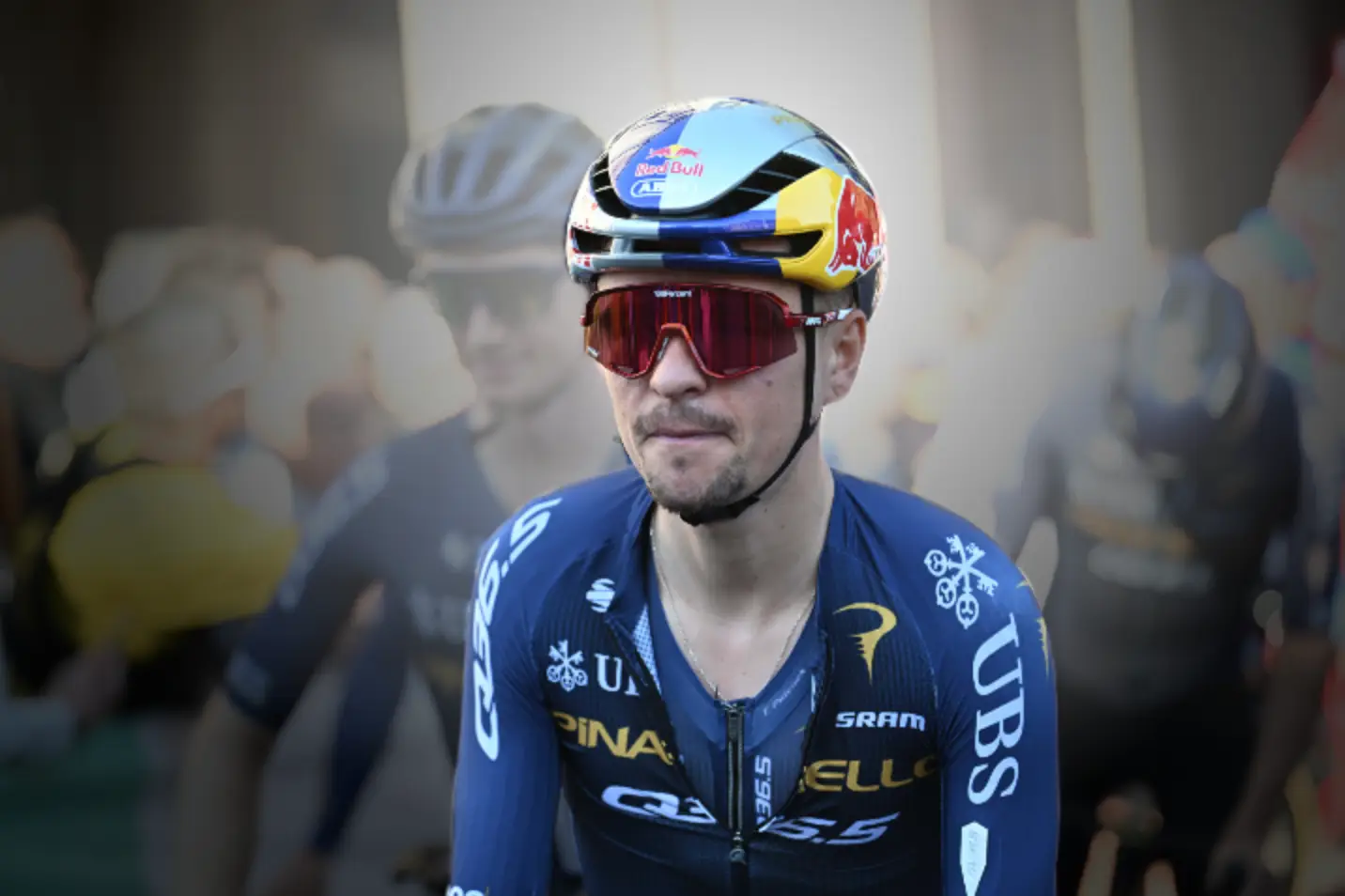
Tom Pidcock had originally been among the headline names attached to the race, but his withdrawal through illness means Pogacar, Van der Poel and Roglic carry the main pre-Tour focus into the new-look edition.
For Tour de Suisse, the gamble is clear. The race has given up the scale that once helped define its old identity, but it has done so to fit the way Grand Tour contenders now prepare. With Pogacar on the start line from day one, the first five-day edition gets an immediate test of whether that change can bring the biggest names back.
Kieran WoodDeputy Editor-in-Chief
Kieran Wood is a sports journalist based in Wales and has been active in journalism since 2022. He regularly contributes to DartsNews.com and CyclingUpToDate.com, where he covers professional cycling and darts. In cycling, his work includes liveblogs from major races, including the Tour de France, the Giro d’Italia, and La Vuelta a España, alongside race reports and analysis. He has also conducted interviews with professional riders.
His reporting spans the full racing calendar, from one-day classics to stage races, with a focus on accurate, real-time coverage and clear contextual analysis. For statistics, results, and historical context, he regularly uses resources such as ProCyclingStats. To support reporting on rider activity and training context where relevant, he also references Strava.
In his work, Kieran places strong emphasis on careful sourcing, editorial accuracy, and updating articles as new, verified information becomes available.
claps 0visitors 0
Just in
Popular news
Latest comments
- Campenaerts looked like a rolling pumpkin with that all orange leaders skinsuit !frieders318-10-2026
- He can take his dumb a$$ politics somehwere else !frieders318-10-2026
- good to have her back. fingers crossed she‘ll be able to stay!Ketterechts17-10-2026
- A tenner and he wins the Tour next year, too 😂anonymouscyclist17-10-2026
- the answer is either stick to classics or GTs but not bothabstractengineer17-10-2026
- the exodus already stared with Ciccone. Already they were struggling with two sprinters, now there are three. Also Ganna will demand leadership. Gall is the most proven GC, Ayuso has the most potential. GC leadership for everybody will be impossible. Literally a UAE style mess without pogi.abstractengineer17-10-2026
- I raced as an amateur for 12 years, including six years on my country’s national road cycling team. I secured two national titles and competed in three World Championships plus more than 15 international stage races. At 23, we travelled to Italy for a training camp—or so I assumed. On a rest day, we watched a presentation about adopting a more “professional” training approach. It was crystal clear what “professional” meant. That moment first exposed me to this dilemma. After returning from Italy, I left cycling—at least at the competitive level I had known. Over the following two years, the whole team was caught doping. I hold that everyone is innocent until proven guilty. In my view, current stakeholders operate on a different scale, and the sums involved are vast. I am unsure whether any doping would ever be revealed. I try to stay positive and enjoy the show. My 2c.
 vannpelt17-10-2026
 - Fiver he wins 🤣
 leedorney17-10-2026
 - “…measures to reduce speeds.” Might as well shorten the race course to just 50km as well? ASO generates at minimum €300m a year and 30- 40% profit. Maybe stop being greedy and spend more of the profit to protect the riders instead.b3tlla17-10-2026
- he also had quite the life off the bike during his pro years. he used his celebrity status to full affect.mij17-10-2026
Loading
Write a comment