Extreme heat fears hit Tour de France: Why the 2026 edition could become the most dangerous in recent memory
CyclingMonday, 22 June 2026 at 19:00
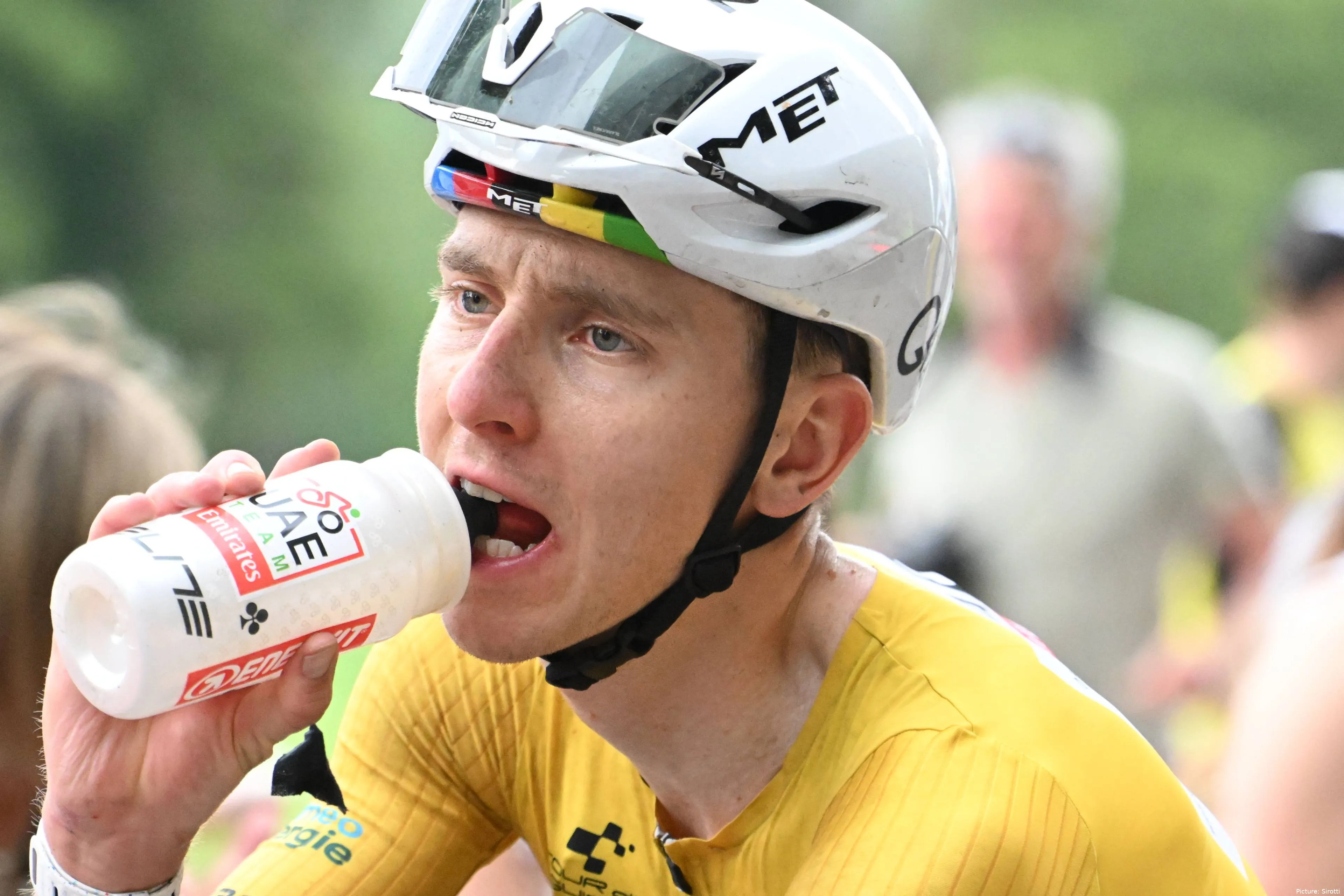
The 2026 Tour de France is closing in with Europe already caught in an extreme heatwave, pushing rider safety into one of the biggest pre-race concerns.
France and Spain have both been hit by temperatures above 40C, with red heat warnings, public health alerts, school closures and dangerously warm nights reported across western Europe. The Tour has raced through fierce heat before, but this year’s backdrop is already different. Extreme temperatures are not arriving as a late July surprise. They are already shaping the build-up before the race has begun.
For a three-week Grand Tour, the danger is not only one brutal afternoon on the road. It is the damage that can build across days of racing, travelling, eating, sleeping badly, rehydrating imperfectly and starting again before the body has properly reset.
If the current heat pattern continues into July, the 2026 edition has the ingredients to become the most dangerous Tour in recent memory.
What extreme heat can do to a Grand Tour peloton
Extreme heat can hollow out a peloton quickly. Riders can dehydrate even while drinking constantly, struggle to absorb food, sleep badly through hot nights and carry that damage into the next stage.
The risk goes beyond slower racing or worse performances. Sudden cracks, concentration lapses, crashes, illness, medical withdrawals and days where survival becomes a safety issue all come into play when the heat does not relent.
Grand Tour riders are used to suffering in high temperatures, but repeated exposure changes the equation. A single hot stage can be managed with ice, fluids, pacing and team support. Several days in a row can start to erode recovery. Warm nights reduce the chance to lower core temperature properly. Fluid loss, stomach stress and poor sleep can follow riders into the next stage before the flag has even dropped.
That leaves every part of the race exposed. Opening-week sprint stages are already tense and crash-heavy. Mountain stages push riders deep into fatigue. Time trial days remove the shelter of the bunch. Under extreme heat, discomfort can quickly become something more serious.
The consequences can arrive suddenly. Riders who looked stable can crack without warning. Teams may become more conservative with workload. Domestiques can be burnt before the decisive parts of the race. Medical teams may face harder calls over whether a rider should continue. Organisers may have to decide whether the route, timing or race format still fits the conditions.

Tadej Pogacar, Jonas Vingegaard and Florian Lipowitz are all expected to contest for the Maillot Jaune again in 2026
Why 2026 carries a different level of concern
The Tour de France has seen very hot days before. The current concern is sharper because of the early summer heat, the scale of the temperatures across western Europe and the type of heat stress measured by cycling’s own safety protocols.
The UCI does not rely only on standard air temperature. Its high-temperature protocol uses Wet Bulb Globe Temperature, a heat-stress index that combines air temperature, humidity, wind and direct sunlight.
A normal forecast shows how hot the air is. Wet Bulb Globe Temperature gets closer to the danger facing a rider already producing huge internal heat at race intensity. Humidity can stop sweat evaporating properly. Direct sun and road heat add to the load. Wind, or the lack of it, changes how much heat the body can shed.
That makes the threat more complex than another hot Tour day. Riders may face conditions where the body’s ability to cool itself is compromised while they are still expected to race, recover and repeat the process for three weeks.
The UCI’s heat protocol allows officials to consider extra cooling, increased drinks access and more flexible support. In severe cases, start times can be changed, parts of a stage can be neutralised, routes can be shortened or races can be cancelled. Those measures would not be cosmetic. If they become relevant at the Tour, rider health will already have moved beyond a background concern.
The yellow jersey battle will still dominate the build-up. Tadej Pogacar, Jonas Vingegaard, Remco Evenepoel and the rest of the GC contenders will command most of the attention once the race begins. But Europe’s current heatwave has added another threat to the 2026 Tour: a three-week race already brutal by design, now approaching a summer that could push the peloton towards the edge of what can safely be raced.
claps 1visitors 1
Just in
Popular news
Latest comments
- Yes, when do they ever complain about swimmers. 🙄PaulB8tson22-06-2026
- They should toe the line when it comes to feet.PaulB8tson22-06-2026
- Decathlon were not aiming to win the stage with Riccitello - if they wanted that, they'd have tried to put him in the breakaway. They were trying to distance Vacek and get the white jersey but that did not happen
 Rafionain-Glas22-06-2026
 - There are constant hydration breaks for most of the race as riders can drink at any time except for the most intense parts. But it's not like football because the base intensity is so much higher.Rafionain-Glas22-06-2026
- There can’t be hydration breaks in cycling. TdF race organizers should schedule the duration of the race when it’s not during peak temperatures. Hope the heat doesn’t affect the top performers.
 PogiFan2Day22-06-2026
 - Jonas is going into the tour in what looks to be the best shape of his life. He's riding with confidence, and really looks like he's enjoying himself, which is great to see. And yet I wouldn't be surprised to see him fighting with IdT for second place at the TdF. It's crazy how strong UAE is right now.DAS22-06-2026
- No doubt she wanted Tadej to finish what he started. Hope she recovers quickly. Video from that crash was crazy, the abrupt change in road height clearly caused it. Some of these routes have some sketchy road furniture, serious safety questions. Meanwhile, UCI is fining MvdP for going shirtless in the hotseat. I do wish cyclinguptodate would give the women's races more coverage, they're often incredibly entertaining...I'd certainly rather read about and follow their race results here than many of the rage-baiting opinion pieces that get posted.DAS22-06-2026
- it was a funny final for sure, Tom got it done but didn't look superb to me, Chris Harper was incredible.jad2922-06-2026
- lIPOWITZ + HINDLEY + REMCO ! What a team! But only one will get TOP 5, and it isn't Remco...Alexcavalera22-06-2026
- Really want to see this highlihts!! Must have been quite a race! Hope PIDCOCK gets a similiar form for the tour, has last year Vuelta!! He deserves another Tour Stage win!!Alexcavalera22-06-2026
Loading
2 Comments