“Experienced guys like Dylan Groenewegen keep pedalling through a corner on cobbles” - Jasper Stuyven questions rivals after Stage 6 ends in dramatic Giro d’Italia crash chaos
Cycling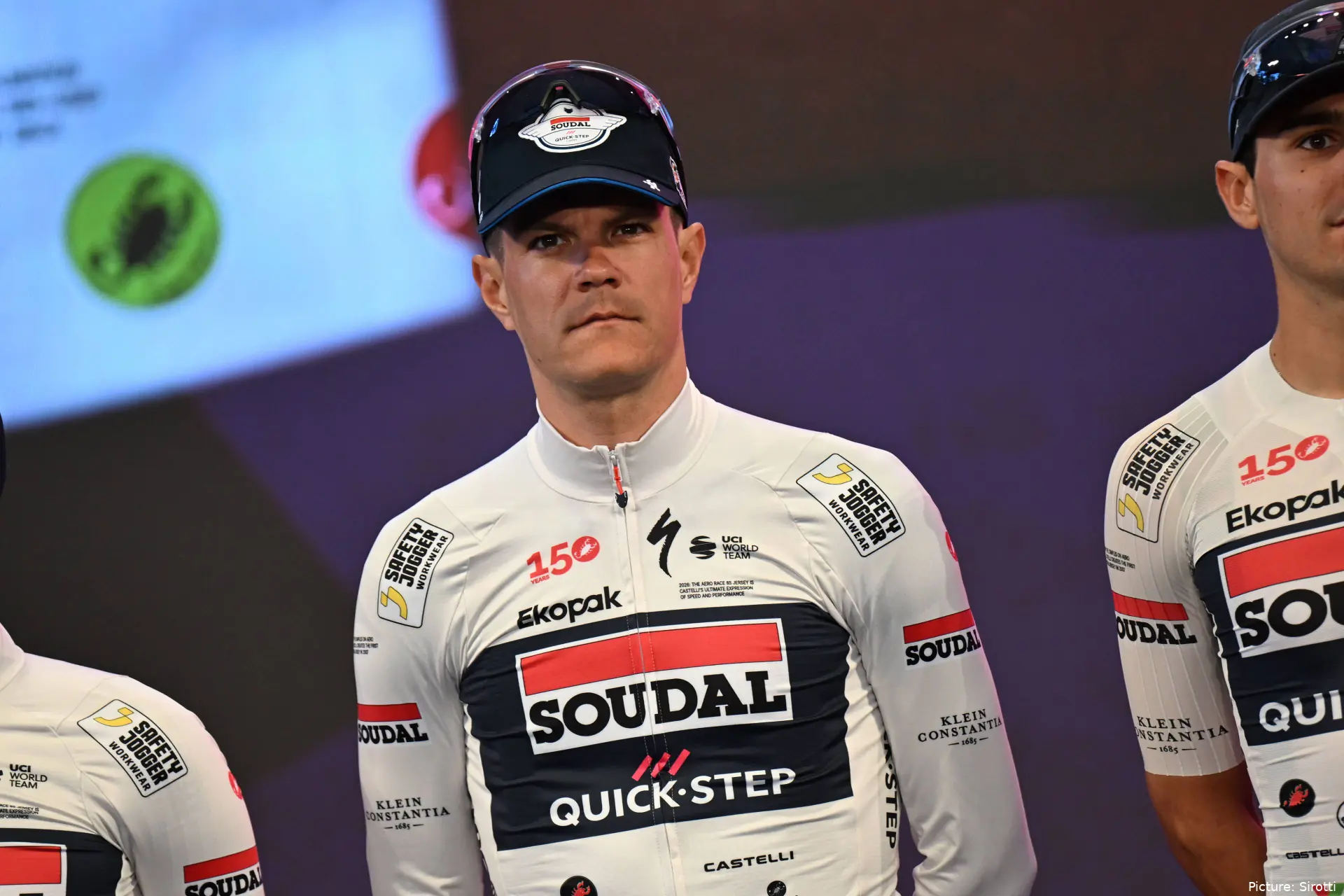
Stage 6 of the 2026 Giro d’Italia has left another safety debate hanging over the race after a late crash wrecked the sprint in Napoli and turned what had looked like a fight between the fastest men into another chaotic finale.
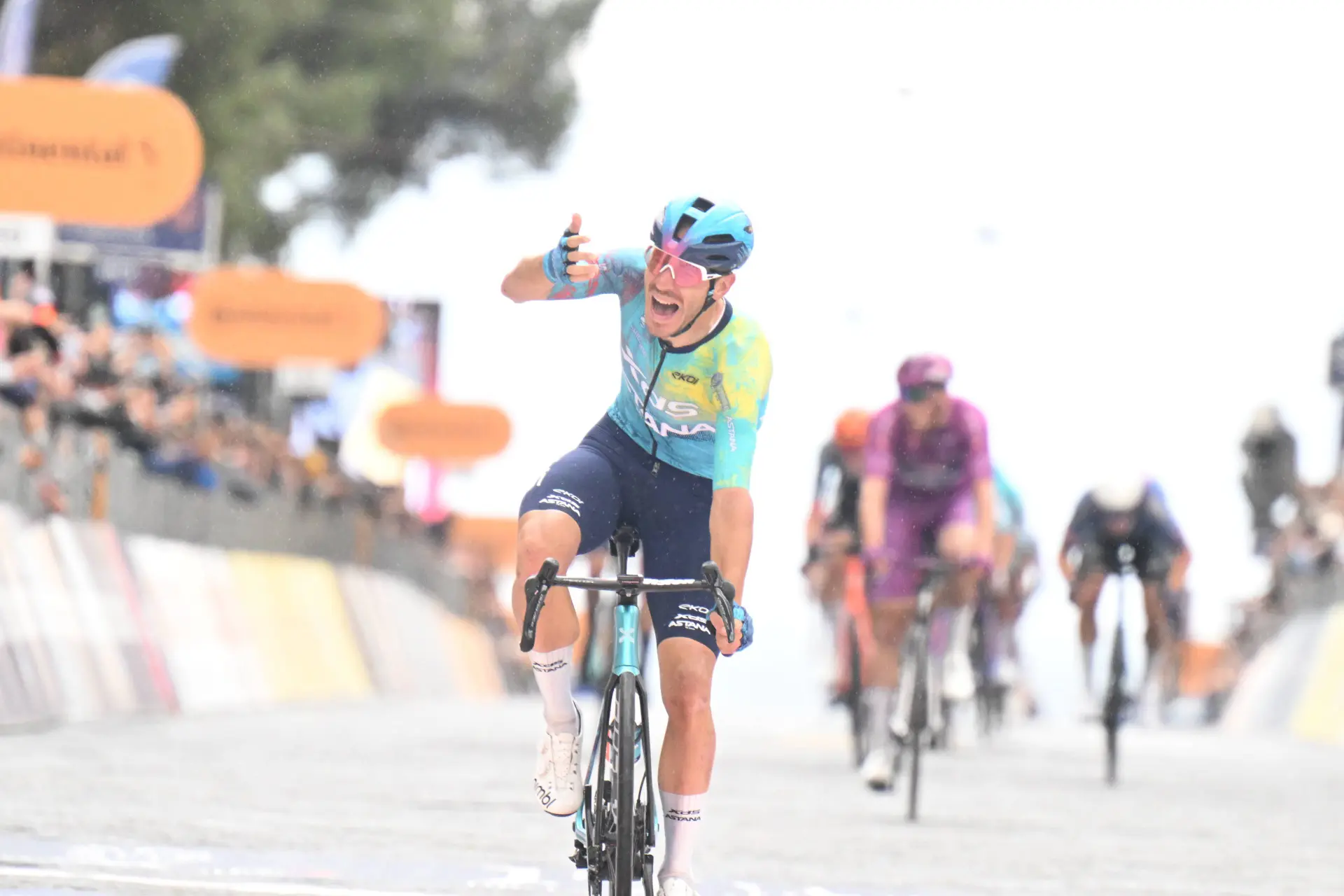
Davide Ballerini came through the disorder to take victory for XDS Astana Team, continuing their remarkable opening week, but the final corner shaped almost every reaction afterwards. Dylan Groenewegen went down on the wet cobbles after Unibet Rose Rockets had controlled the run-in, Paul Magnier was delayed, Jonathan Milan was left frustrated by the route design, and Jasper Stuyven suddenly found himself with an unexpected chance to win.
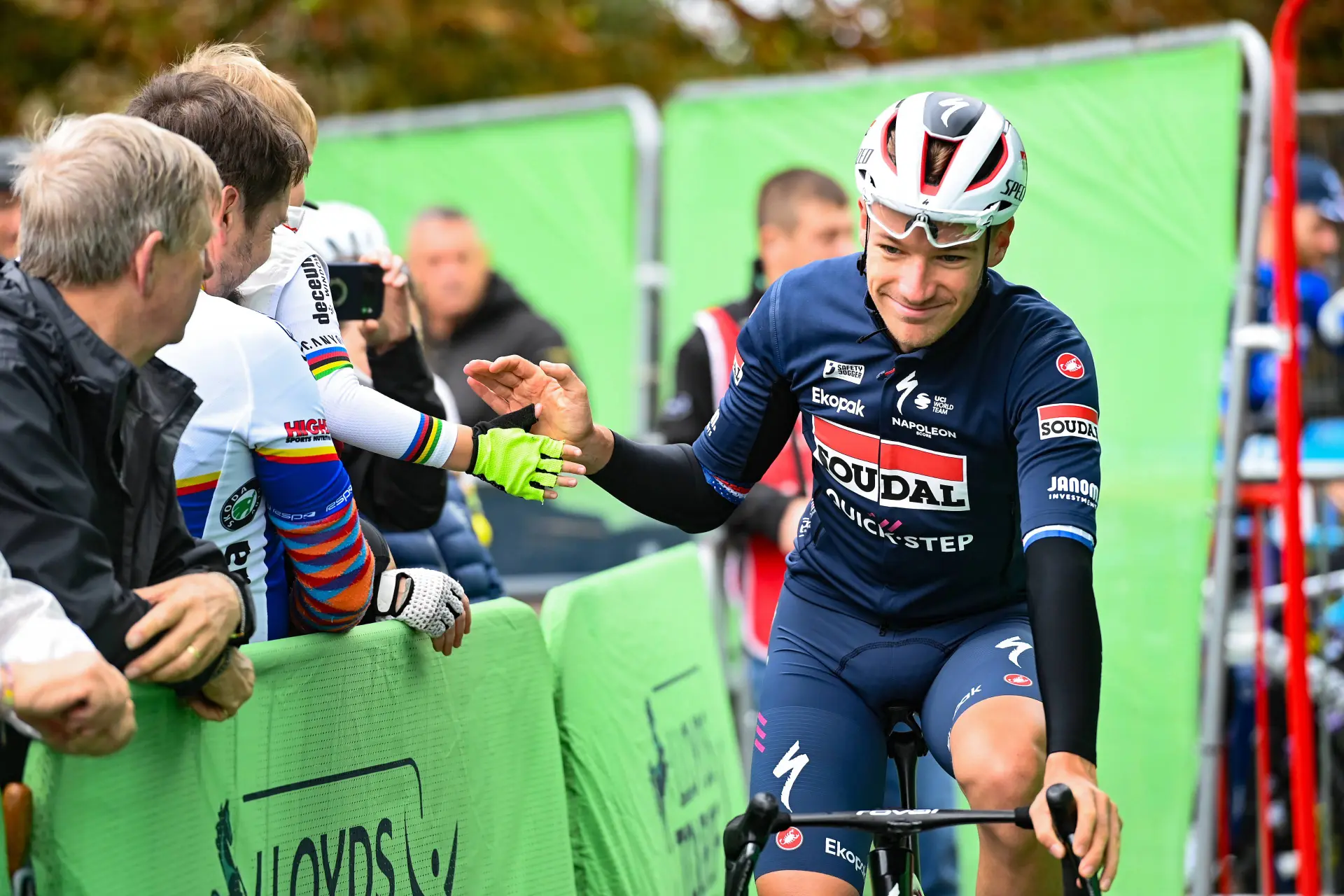
The Soudal - Quick-Step rider came within metres of catching Ballerini, but his own sprint was compromised after the crash in front of him. “I wasn’t immediately in my pedal,” Stuyven told Sporza afterwards. “Someone must have ridden into my derailleur, because I couldn’t shift anymore. The derailleur was jumping from left to right. I did sprint, but not in the gear I wanted. I hoped to get into Ballerini’s slipstream. It’s a shame that the equipment worked against me.”
Asked whether he would have won without that problem, Stuyven stopped short of making a definite claim, but he admitted the chance was real. “I’m not saying I definitely would have come past, but I do think the chance was big,” he said. “I had already made an effort in the final kilometre, I was fully in the wind. That was in the legs.”
Stuyven questions final-corner risk
For Stuyven, the frustration was sharpened by the fact he had not been meant to contest the sprint himself. His job was to guide Magnier into position, with the Frenchman chasing a third stage win of the race and already wearing the ciclamino jersey. “If they don’t crash, then I’m perfectly placed to do the lead-out,” Stuyven said.
Instead, the crash opened the road for Ballerini, disrupted Magnier, and left Stuyven trying to improvise a sprint on damaged equipment. The Belgian also pointed directly at the choices made in the corner itself, where the wet cobbles made the finale especially delicate.
“I find it a shame that guys like Elmar and Dylan, who have so much experience, keep pedalling through a corner on cobbles,” Stuyven said. “I already thought it was very bold that they dared to do that. Then you also see that it goes wrong. It’s understandable, because they are in the perfect position and they don’t want to give it up. Those cobbles are just super slippery, especially when it starts to rain.”
Groenewegen later said his front wheel had simply slipped away and insisted Unibet had done nothing wrong, with the Dutch sprinter praising his team despite the crash. Stuyven’s comments, though, added another layer to the post-stage discussion, framing the incident as a mix of rider instinct, sprint pressure and conditions that left no margin for error.
Another voice in the route debate
Stuyven’s criticism did not stop with the riders. Like Milan, who questioned why the Giro needed to use such complicated finishes when rain was forecast, Stuyven also suggested the crash could have been avoided with a more straightforward run-in.
Standing on a wide avenue after the finish, he questioned why the race had needed to turn onto the cobbles at all. “We are standing here on a very wide avenue. What is wrong with that?” Stuyven said. “The coastal shots would also have been beautiful images. I don’t think it was necessary to turn onto the cobbles. It is a shame that they always go looking for it, especially because it could perfectly have been avoided and because a nice finish could also have been laid out here.”
The timing of the rain made the finale even more brutal. The first drops began falling close to the finish just as the sprint trains were preparing for the decisive kilometres, turning an already technical finale into a far more dangerous one.
“If we arrive three minutes earlier, it isn’t raining,” Stuyven acknowledged. “But it is always only afterwards that we discuss it. That is a shame. It is frustrating when you feel beforehand that it will be a dangerous finish.”
For Ballerini and Astana, Stage 6 became another dream result in a Giro that has already delivered far more than expected. For several of the sprinters, it was another missed opportunity. For the wider race, it was another day where the finish-line debate continued long after the result was known.

Kieran WoodDeputy Editor-in-Chief
Kieran Wood is a sports journalist based in Wales and has been active in journalism since 2022. He regularly contributes to DartsNews.com and CyclingUpToDate.com, where he covers professional cycling and darts. In cycling, his work includes liveblogs from major races, including the Tour de France, the Giro d’Italia, and La Vuelta a España, alongside race reports and analysis. He has also conducted interviews with professional riders.
His reporting spans the full racing calendar, from one-day classics to stage races, with a focus on accurate, real-time coverage and clear contextual analysis. For statistics, results, and historical context, he regularly uses resources such as ProCyclingStats. To support reporting on rider activity and training context where relevant, he also references Strava.
In his work, Kieran places strong emphasis on careful sourcing, editorial accuracy, and updating articles as new, verified information becomes available.
claps 2visitors 2
Just in
Popular news

Latest comments
- Any idea why Remco wasn’t there, Lombardia?Jumpyjohn07-10-2026
- Thanks for your explanations but you got one detail wrong, it’s not 1300 but 13000, which means at 46.8km/h (to make it easy) a frame every mm. Even if it was only 1300, it would be extremely unlikely (but theoretically possible with bike throwing) that between 3 consecutive frames (nothing to do with the composite image shown) one rider might straddle back or forward by a few mm in the hidden moments in between frames but at 13000 that’s impossible as it would mean actually travelling backwards between 2 frames as you cannot otherwise recede 2mm during the time to travel forward 1 mm.Mistermaumau07-10-2026
- Clownboy come up from his parents basement retreat !frieders307-10-2026
- I think what he meant was, look where it got him, so if you’re suggesting Pogi should follow that advice in the same way, I have to question your Agenda coz we’re not far from recent ambiguous suggestions regarding 2 Californian cities.Mistermaumau07-10-2026
- He shone pre-Pogacar, now he's 1 of many Ineos' also-rans, for their budget, they aren't showing many results, you can only wonder if Brailsford can turn this around
 leedorney07-10-2026
 - We are not far from someone colonising it so probably one day yes. Some are colonising orbits, some have an eye on the moon, deep seas, even mars so who’s going to stop anyone, certainly not the guy grabbing Greenland by the pushies.Mistermaumau07-10-2026
- Hopefully not before he gets his 100... 7 more to go
 Rafionain-Glas07-10-2026
 - Good for her and to stop the Dutch dominance a little.Mistermaumau07-10-2026
- Really happy for him. Didn’t notice Remco had not entered but am sure that was a nice surprise and relief for Slovenia who otherwise would have no medals to show at all from WC & EC, unlike Spain who did their « powerhouse » description justice.Mistermaumau07-10-2026
- So great to see. The "old" guy still has some life left in the legs! Bravo Primoz!mobk07-10-2026
Loading
Write a comment