"Even the best rider I've seen has bad days" – Jonas Vingegaard’s European Championship disappointment defended by Danish teammate
Cycling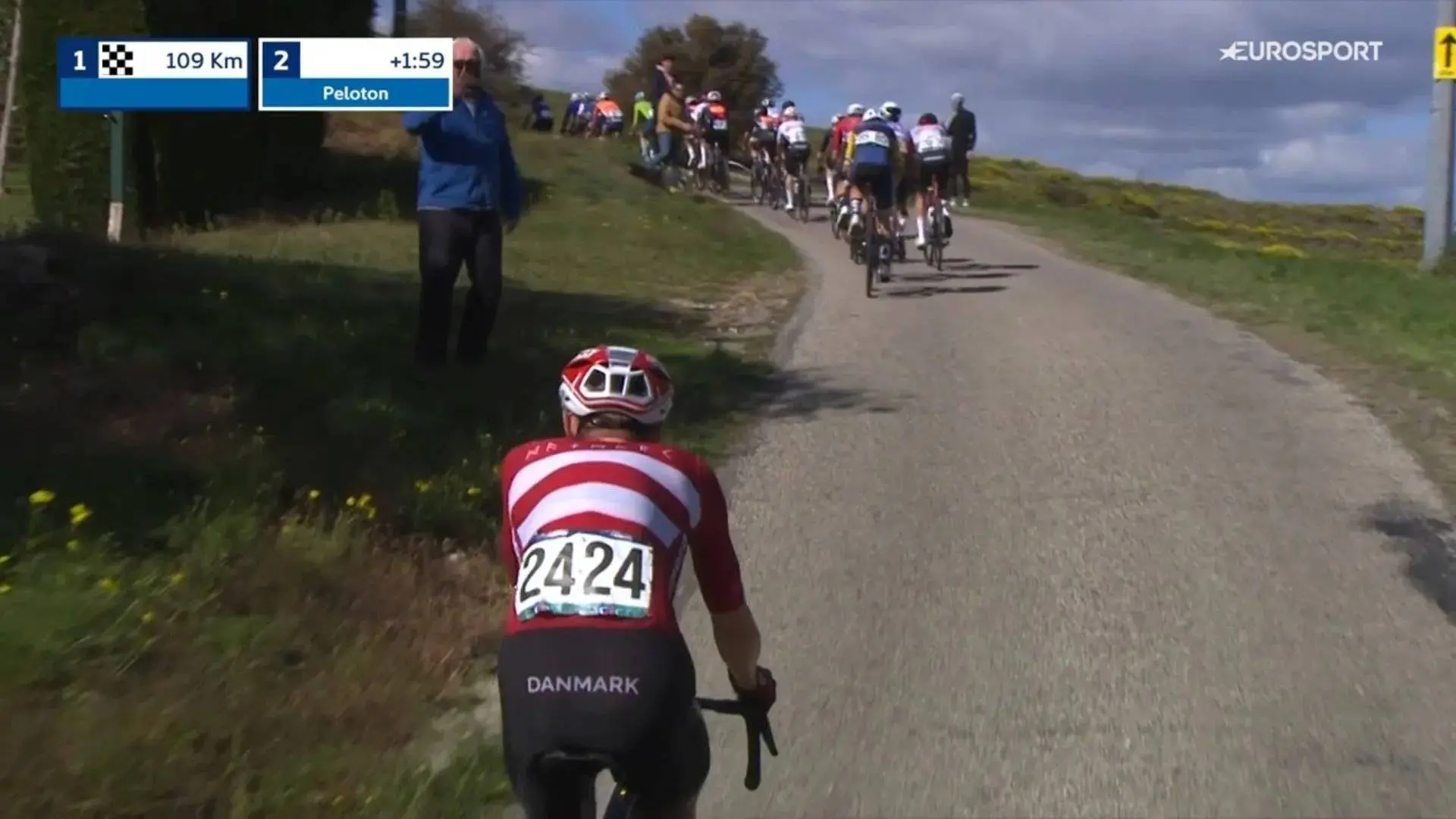
Jonas Vingegaard’s early exit from the 2025 European Championships sparked plenty of chatter, but one rider inside the Danish camp insists the reaction should come with perspective.
Speaking openly on the Domestique Hotseat Podcast, Rasmus Pedersen described a brutal race, a ruthless opening climb, and a day where even the sport’s biggest names were forced to reckon with their limits.
“Every rider… even the best rider I’ve seen today, has bad days”
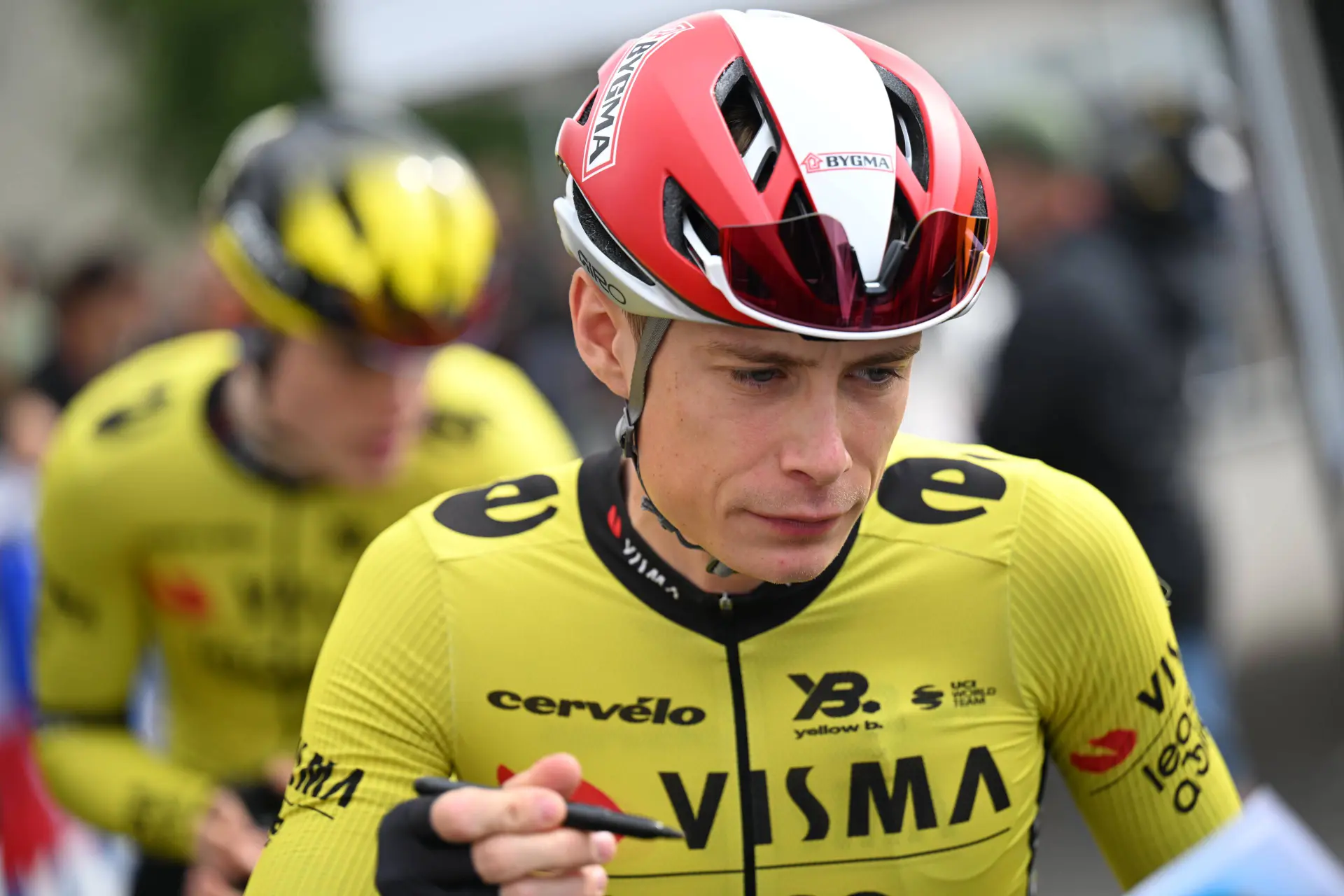
Pedersen didn’t hide from the reality of what happened to Jonas Vingegaard in France. The Danish leader was distanced surprisingly early, a moment that stunned viewers but made sense to the riders gasping up the opening climb. Reflecting on the moment, Pedersen told the podcast: “Every rider, even the best rider I've seen today, has bad days, has bad legs and has days where they're just not there.”
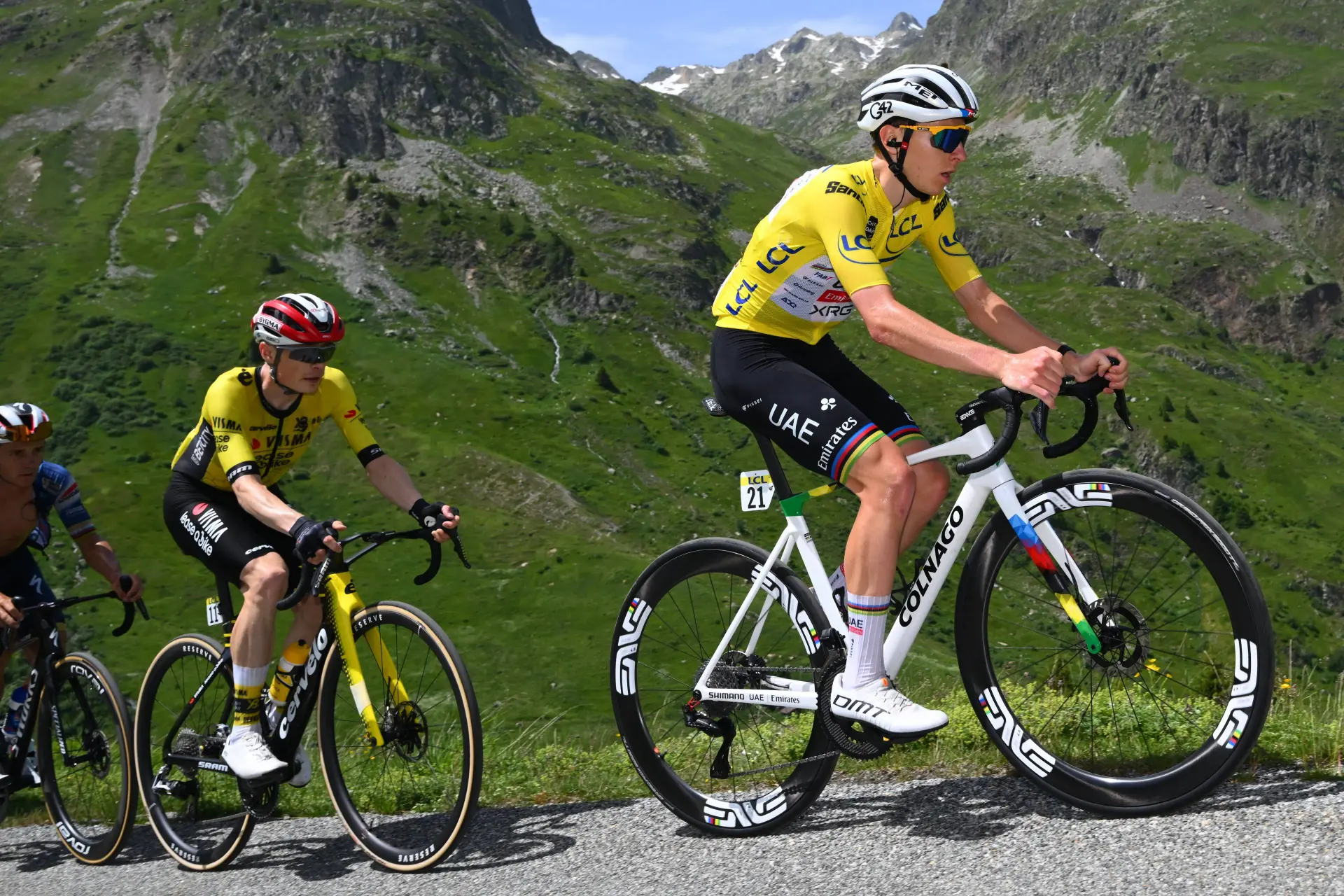
He stressed that Vingegaard had prepared properly and lined up expecting to be competitive. That made the outcome even more striking. As Pedersen recounted: “He did everything like he had caffeine gel just before the second lap… he was dropped 15k later so he believed in it for sure 100% and he did all the things he had to do to be at that level to follow Tadej and Remco.”
In other words, this wasn’t indifference or lack of effort — simply a rare off-day for one of the greatest stage racers of his generation.
Read also
A debut alongside Vingegaard that turned into survival mode
For Pedersen, the European Championships were meant to be a milestone: his first real race sharing national colours with Vingegaard. He admitted on the podcast that the excitement was genuine: “I was just excited to be there, especially with those guys, some heavy hitters, Skjelmose and Jonas.”
Two weeks before the race, Danish coach Michael Morkov made the call. Pedersen remembers telling him exactly what he had promised months earlier: “I've always been the guy to call up and say, I'm always ready to wear the national colours and help if needed.”
His role was straightforward — keep the early break in check and help set up Denmark’s leaders. But the race script disintegrated almost immediately.
A savage opening that shredded the field
Pedersen’s description of the start gives context to why so many big names struggled. The race didn’t build; it detonated. “We started on the climb 4K to the top. The first eight minutes had 450 watts. I'm not a climber, so it was quite something,” he said.
That violent opening didn’t just create gaps — it created panic. The peloton split, regrouped, and split again until only a sliver of riders remained in contention. Even Pedersen, doing the job he had been assigned, felt the race slipping away long before the final climbs.
He ultimately missed the time cut, one of dozens caught out on a day that allowed only seventeen riders to finish. As he put it: “If you're outside 10 minutes, you're getting pulled out. But yeah, of course there's a natural pressure that comes with racing on that team with those guys.”
The combination of heat, pacing, and relentless climbing turned the European Championships into one of the most selective races of the season.
A reminder that champions are human too
While Vingegaard’s difficult day became a headline, Pedersen’s reflections paint a fuller picture: a chaotic race, an unforgiving course, and a peloton pushed far beyond its comfort zone from kilometre zero.
He wasn’t making excuses for his teammate — he was offering reality. The message is simple: even the best can crack, and sometimes there’s no mystery behind it. Legs are legs. And on that day, even Vingegaard’s deserted him.
Pedersen’s honesty also underlines something else: racing with stars like Vingegaard isn’t just a privilege, it’s pressure. And he felt all of it.

Kieran WoodDeputy Editor-in-Chief
Kieran Wood is a sports journalist based in Wales and has been active in journalism since 2022. He regularly contributes to DartsNews.com and CyclingUpToDate.com, where he covers professional cycling and darts. In cycling, his work includes liveblogs from major races, including the Tour de France, the Giro d’Italia, and La Vuelta a España, alongside race reports and analysis. He has also conducted interviews with professional riders.
His reporting spans the full racing calendar, from one-day classics to stage races, with a focus on accurate, real-time coverage and clear contextual analysis. For statistics, results, and historical context, he regularly uses resources such as ProCyclingStats. To support reporting on rider activity and training context where relevant, he also references Strava.
In his work, Kieran places strong emphasis on careful sourcing, editorial accuracy, and updating articles as new, verified information becomes available.
claps 0visitors 0
Just in

Popular news
Latest comments
- We also don't know how much Pog was really putting into gaining time. Feels like watching Usain Bolt, where you can only wonder how much faster he'd have gone if he was sprinting 100% to the line, instead of being two feet ahead and starting to pull up with ten yards to go. If any of the other riders really started to close in on Pog, I do think he'd simply have gone even deeper and crushed them. I would really like that kind of race though, none of this "4 minutes lead by the first rest day" trouncing. So if introducing more TT and less summit finish makes the race go more to the wire, I'm all for that. I don't think it'll change the outcome necessarily, but it'll make the whole thing less of a foregone conclusion by week 2.wrsty23-10-2026
- That nearly is 7 mins and you win GTs comfortably by 2 mins. Remco fans - he almost won the TDF, He beat Pogi twice in the mountains this year.abstractengineer23-10-2026
- What would be your preferred Tour design then? Just out of interestwrsty23-10-2026
- I like Remco but even I'll admit he didn't get anywhere close to Pogacar, just like everyone else.megasmacky23-10-2026
- That's what y'all said this year, "remco will come fifth"bruins3022-10-2026
- That used to be the norm, 100 kms of TTs. Now look at the '87 route...acem8222-10-2026
- Well, crashes can happen, so it's not impossible...acem8222-10-2026
- that would be kinda cool. there is a lot of untapped potential. which I'm sure the UCI will overlook. in order to get sock length correct.mij22-10-2026
- Nice! Now Remco can finally show that he cannot win the Tour!!! 😂😂😂PogiSloFans22-10-2026
- Nice! Now Remco can finally show that he cannot win the Tour. 😂PogiSloFans22-10-2026
Loading
Write a comment