CPA president Adam Hansen justifies €300,000 spent onto UCI's legal battle with SRAM: "This is about unity"
CyclingWednesday, 25 February 2026 at 01:00
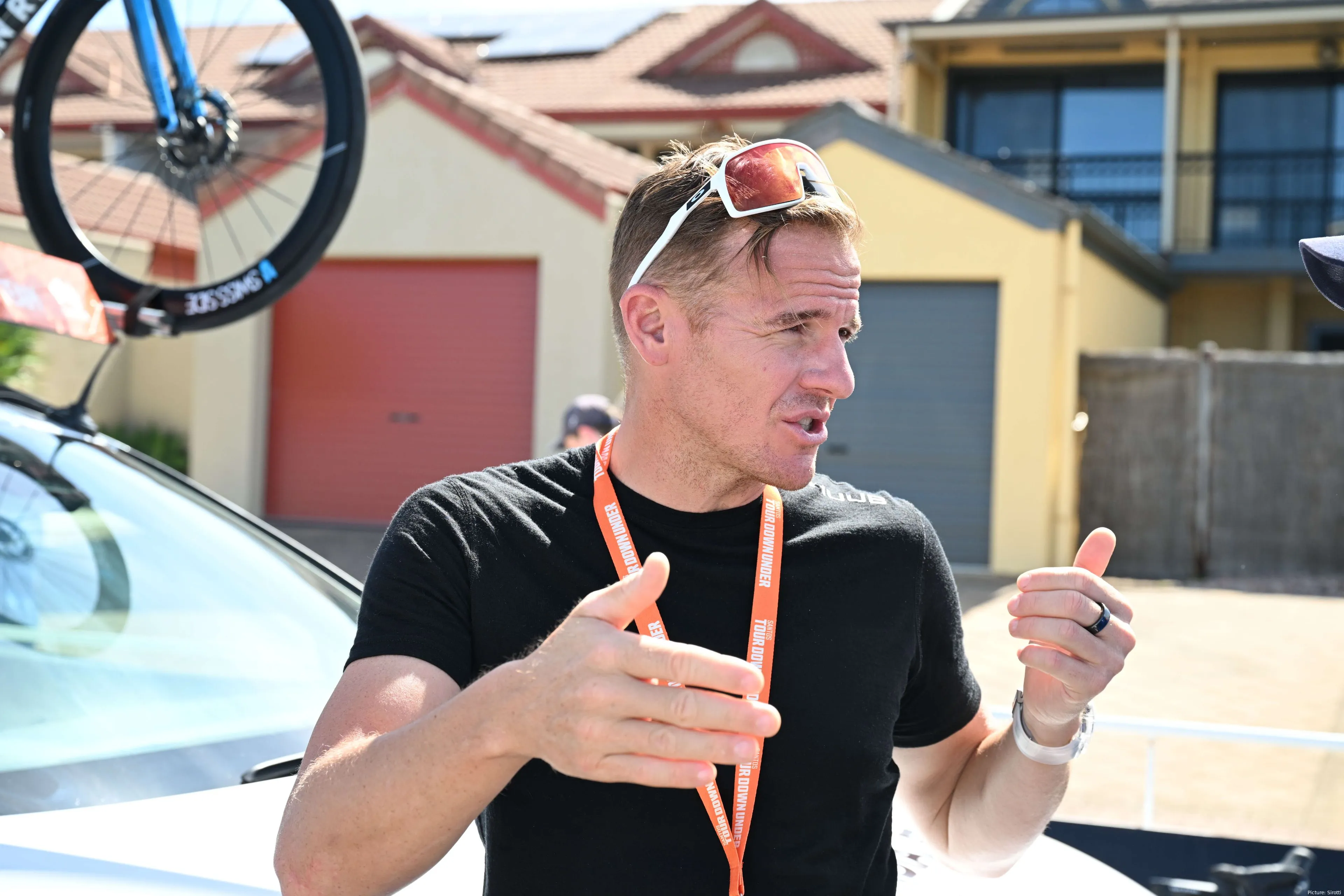
The president of the Cyclistes Professionnels Associés (CPA), Adam Hansen, has publicly defended the union’s decision to help fund the UCI in its legal battle with SRAM over gearing restrictions.
The dispute centres on the UCI’s plan to appeal the 2025 court ruling that forced it to suspend the introduction of a Maximum Gear Ratio Standard in professional racing. To finance that appeal, the governing body is considering allocating €300,000 from the SafeR budget, the joint body created to improve safety in the peloton.
SafeR is funded by several stakeholders, including the AIGCP (teams’ association), the Association Internationale des Organisateurs de Courses Cyclistes (AIOCC), the UCI itself, and the CPA. The AIGCP opposes using safety funds to pay legal fees, especially given many teams run SRAM components and would, in effect, be financing litigation against a key supplier.
Hansen, however, in comments to Cyclingnews, defended the CPA’s stance: "No one enjoys seeing money spent on lawyers. That’s obvious. This is about unity and collaboration."
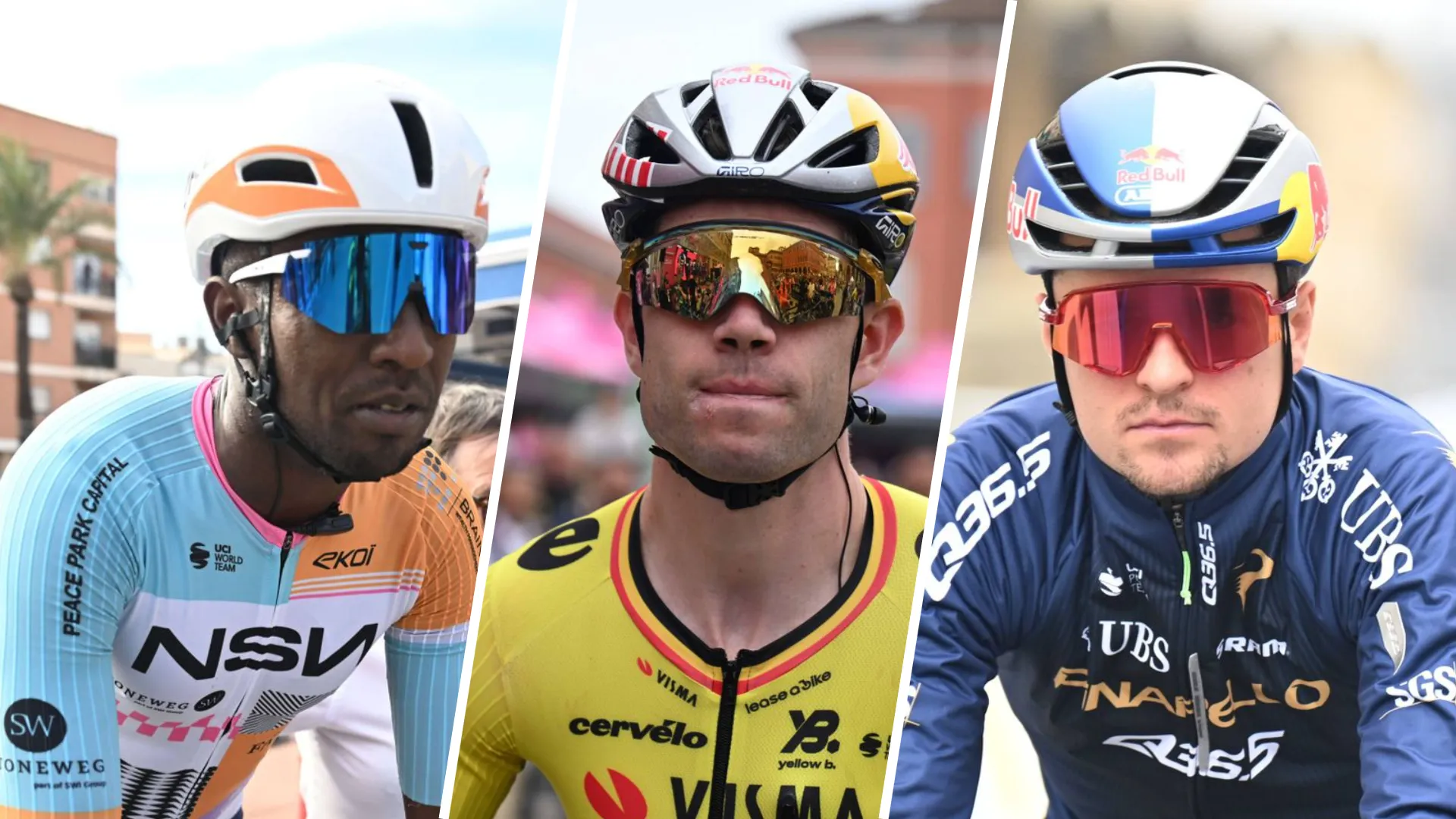
Teams are changing sides faster than gears
The Australian ex-pro noted that all parties involved in SafeR had previously approved the gearing-limitation test planned at the Tour de Guangxi, an experiment designed to assess its safety impact and collect rider feedback. That test was blocked after SRAM filed a proceeding with the Belgian competition authority.
"The gear-restriction test at the Tour de Guangxi was conceived as a simple trial so SafeR could gather riders’ feedback, as with all its other tests. Since everyone in SafeR agreed to run this test, including the teams via the AIGCP, it is natural that SafeR funds are now used for the legal actions," argued Hansen.

Adam Hansen justifies the riders’ association’s financial support for the UCI
Adam Hansen looks to the long term
For the CPA president, the debate is not only legal, but strategic. "We can’t risk a future in which SafeR agrees on a test or an action to improve safety, and then the UCI fails to act because someone has taken legal action against it."
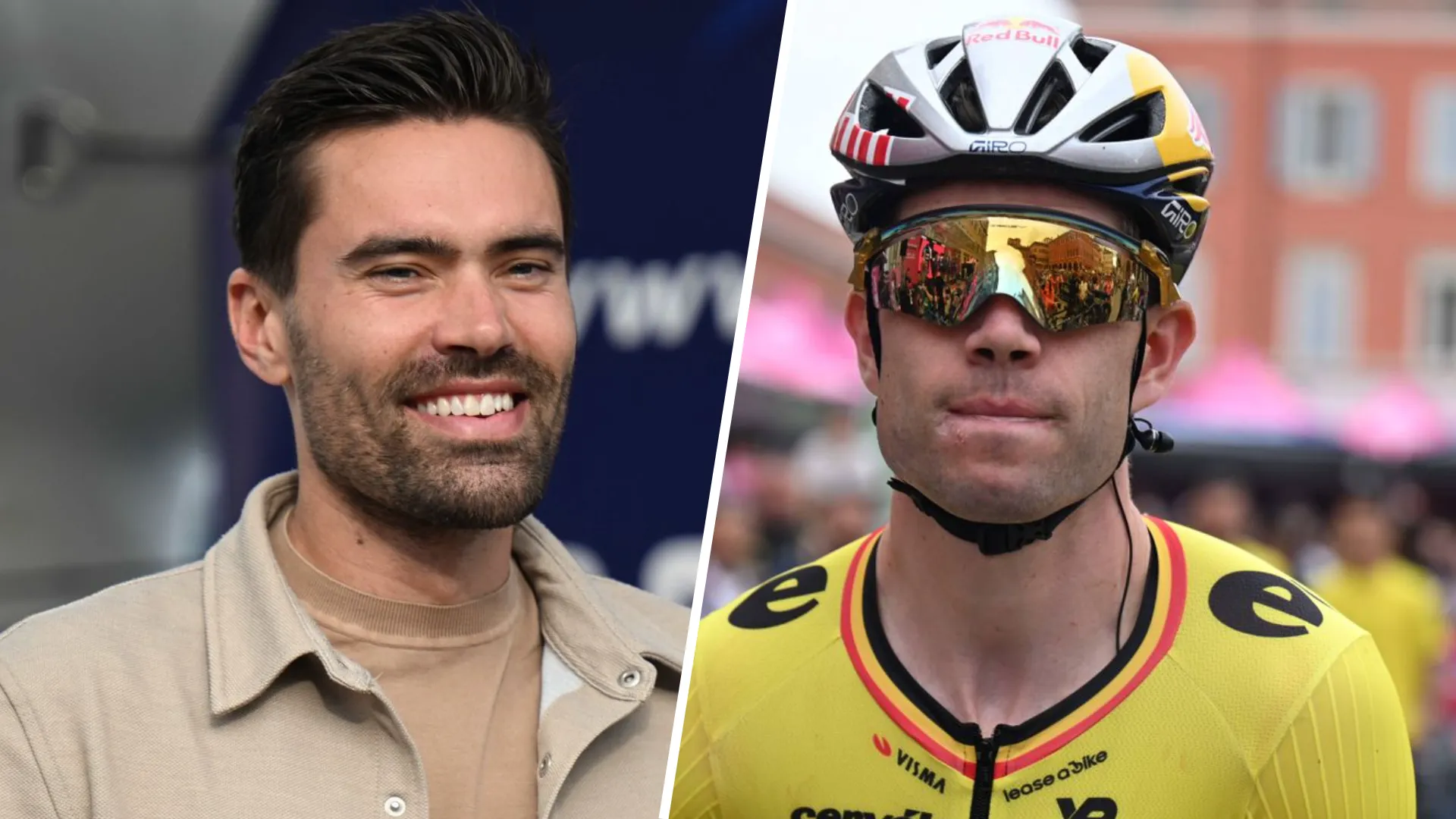
Support for limiting gear ratios in the peloton is far from unanimous. Wout van Aert is open to studying the measure as a way to reduce speeds and risk, while Tom Pidcock has rejected it: "Limiting gears will only make everything more dangerous."
Since Hansen took office in 2023, safety has been one of the CPA’s central pillars, with significant progress culminating in the creation of SafeR as a forum for cooperation between riders, teams, organisers, and the UCI. Precisely for that reason, using safety funds to finance litigation has sparked internal debate.
Hansen’s defence rests on one principle: cohesion. "SafeR is effective and can improve safety when the four stakeholders agree on a strategy and safety initiatives. When stakeholders work together, we can all make different suggestions and accept them."
"Sometimes one stakeholder didn’t like another’s idea, but we worked together for the good of the sport. That’s the best way to move forward to improve safety."
He concludes with a direct argument for backing the UCI now: "The equipment-limitation test was no exception. If none of the stakeholders support the UCI now, with the legal action, why would they listen to the CPA and other SafeR stakeholders in the future?"

claps 0visitors 0
Just in
Popular news
Latest comments
- Oops, my bad, I thought he wasn't riding the TDF this year. So he's attempting the Giro-TDF double? Brave decision. We'll have to see how that one pans out. Not sure it's the best preparation for the Tour, if he has genuine ambitions for the win, but good luck to him. A bit daft to say his palmares would be better if he hadn't competed against Pog, of course it would, but you could say the same for the unfortunate rivals of Merckx, Hinault and Indurain. Having said that, his legacy will still be up there with the best when he decides to call it a day. I definitely don't want to give the impression that I don't admire his performances. By the way, who is disrespecting Vini? Most cycling fans are now paying for the privilege of watching professional racing, so we want to see the best competing with the best. I think this also gives us license to comment on the performance of these outstanding and highly paid superstars. I get that some people are sensitive, but as a rider, you can either let negative comments control your emotions like a puppet master, or you can use them to fuel your response and prove people wrong. Don't forget that Pogacar and MVDP have their critics as well, but they still keep winning.Pogthegoat25-02-2026
- What a great news!averagecyclist25-02-2026
- Groenewegen's wheels are the most rounded, Fretin's slightly more distorted, Girmay's next and Moschetti's is the most distorted. It's obviously to do with proximity to the camera. All photo finish images look like this because otherwise the riders closer to the camera will appear further in front.
 Rafionain-Glas25-02-2026
 - On the matter of winning all 3 GTs, Jonas would certainly move ahead of Tadej on the list of greats. Jonas would be the 8th rider to join the Triple Grand Tour club, and Pogačar would not be part of it (yet). Pogačar might go to La Vuelta and win or he might be too tired or both.Rafionain-Glas25-02-2026
- You are right on that point and yet you don’t notice his back wheel is naturally round as opposed to the rider at the front who not only has distorted oval wheels but also a distorted hunchback. Obviously the camera distorts different distances differently and so what we see isn’t representative of the moment. I assume and hope the technical staff know how to interpret everything perfectly like radiologist staff at hospitals can see what seems like a mess to us. The finish line is obviously defined even if maybe artificially highlighted but an obvious question for me to them to clarify how it all works would be, if you « undistort » the front riders image does that stretch his front wheel over the line?Mistermaumau25-02-2026
- With or without a moped?Mistermaumau25-02-2026
- You noticed the words « I think »??? So already definitely not a lie. I’d be interested to interview you on a range of subjects to see how you hold up with answers that others would dissect in any way they would see fit for their agendas. Do I need to explain the rest to you in more detail too or are you now recharged for rethinking it all through HIS perspective as opposed to yours, after all, that id the position he is speaking from, regardless of your opinion of him.Mistermaumau25-02-2026
- The way I see Vin getting treated by most I’d totally forgive him for avoiding the Tour to deny them more opportunities for disrespecting someone who without the presence of Tadej would have achieved one of the most impressive GT palmares ever. It seems like most just want him to confront Tadej in order to be fed material to continue bashing him. If he were to retire, that loud crowd would be devastated by the emptiness of their lost purpose if they didn’t have a Remco to transfer it onto. All that without even considering that he has announced he will be doing the Tour, so why even start analysing all this based on completely unpredictable results. Maybe the Giro will lake him stronger, maybe Tadej will get injured, maybe he’ll have an issue or crash at the Tour (luck doesn’t last forever). Obviously a Vin win in such a scenario would put him in an even worse situation in those people’s view but no point in dealing with that unless it happens.Mistermaumau25-02-2026
- Unless you are extremely young, inobservant or poorly informed you must have been taken in by all those with an agenda. There are very few parts of the world that have not undergone changes too large or fast to be explained by natural variation. Not every place or situation is going to suffer or get worse but many will. Changing dates won’t help (and will clash with Giro and Vuelta regardless of whether their dates swap) unless the WHOLE cycling calendar gets reviewed based on weather expectations. Stage timing might be the only solution and considering the only real reason for late starts is spectator comfort it shouldn’t matter too much, they can adjust, especially given everyone (numerous time zones) now has portable devices. The majority of group training rides (even in winter) are early so I doubt pros would be very resistant to earlier starts if media and other obligations were limited to post race. Heat is regularly discussed as an issue for health, pollution less so and I’d be interested what the protocol is for days of extreme pollution after witnessing a calima on holiday (sahara sand mists that cut the lung tissue when inhaled). All cycling tours hot cancelled, warnings to the general population went out but of course most cycling tourist were either unaware or ignored it and started long strenuous climbs to the worst altitudes during peaking pollution. Long-term consequences are probably still unknown but I’ve rarely seen any cyclist light up a cigarette on a tough climb (a few during a regular outing though) which probably isn’t worse.Mistermaumau25-02-2026
- Nah, that's definitely wrong. Look at all the wheels - they are all supposed to be distorted and oval-shaped. Their super-imposed wheel for Dylan's bike is a circle and therefore not realistic.Pogboom25-02-2026
Loading
2 Comments