"A new Pogacar is coming" - Pello Bilbao sees Paul Seixas as 'the enemy' of the World Champion
Cycling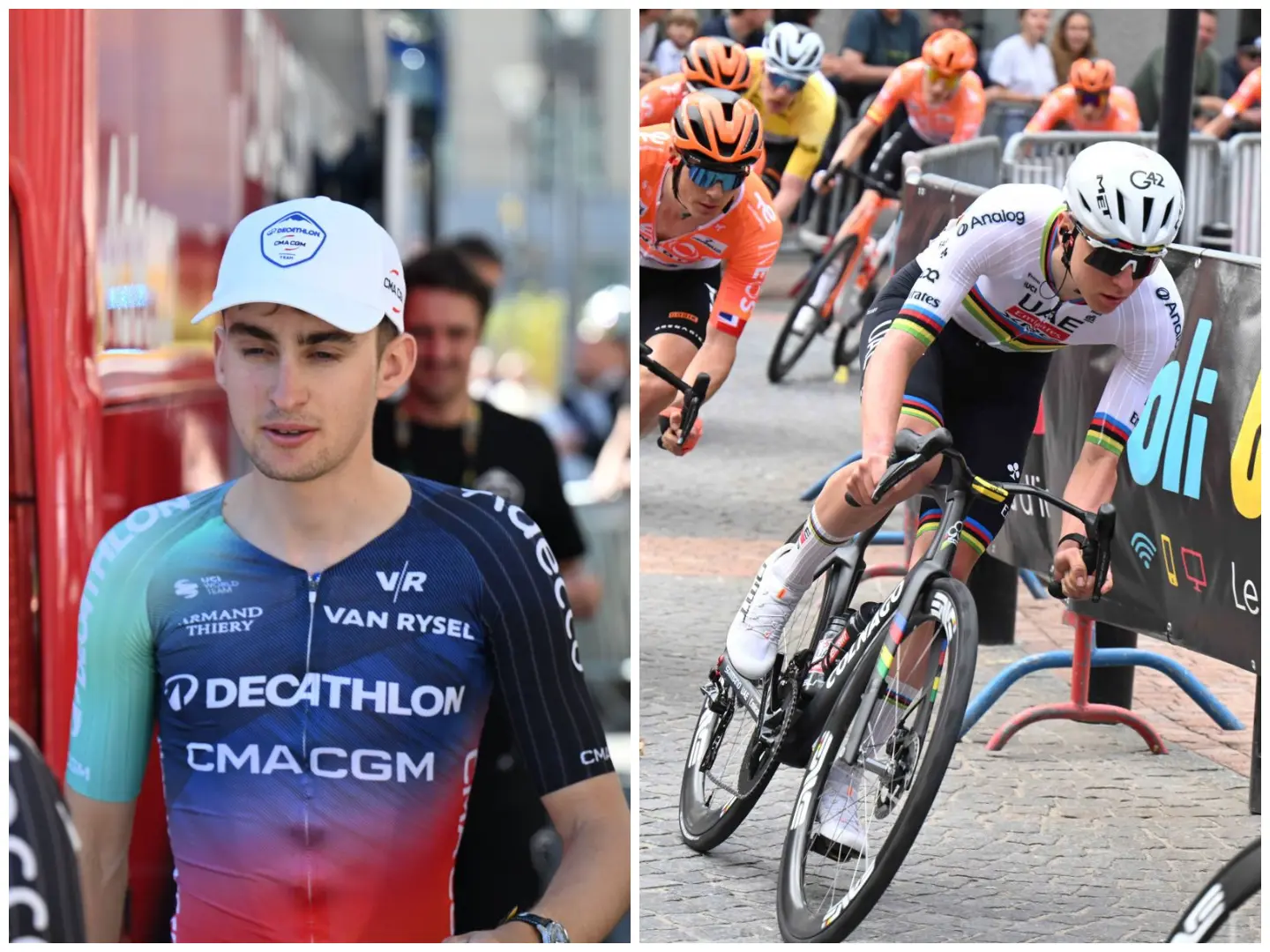
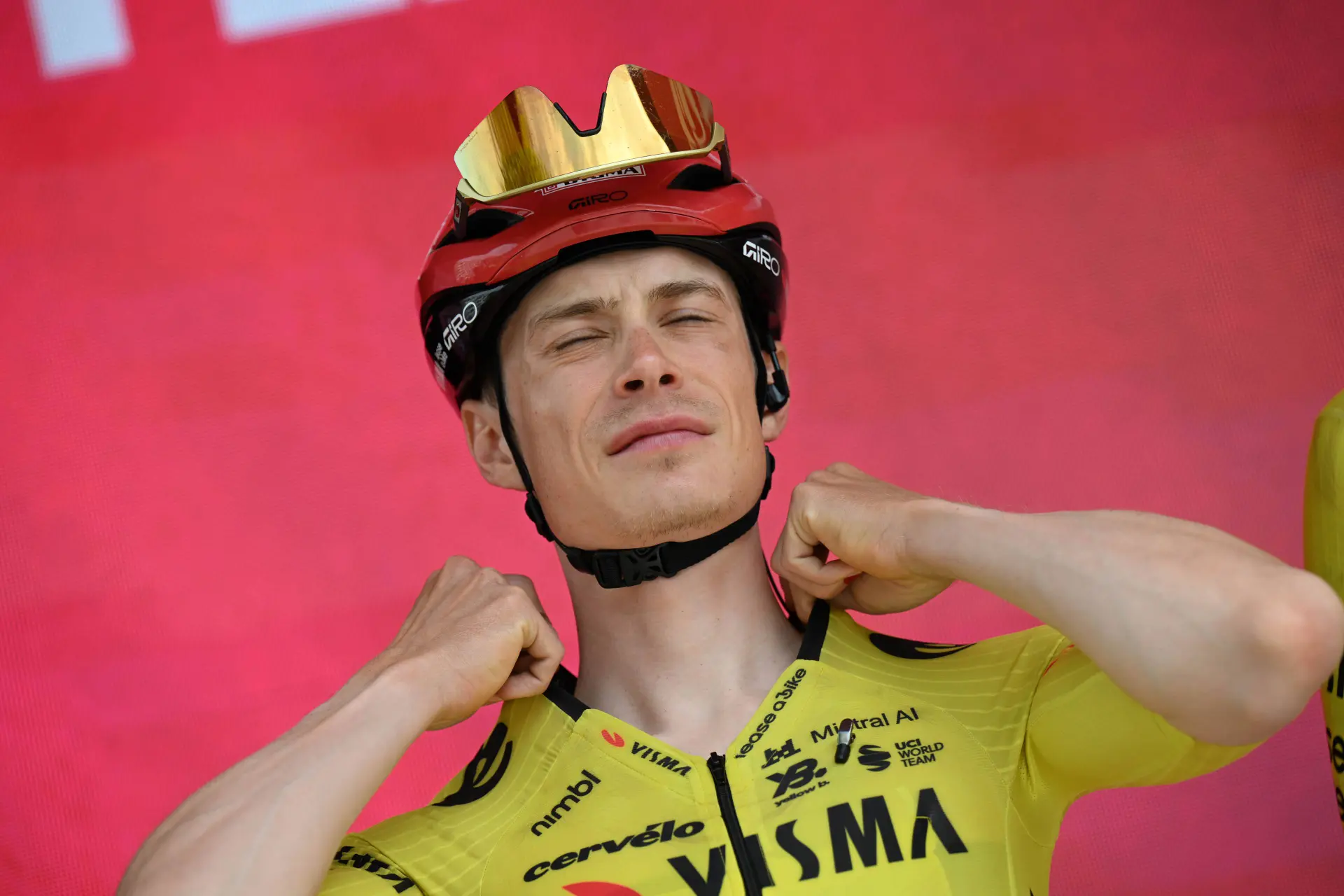
The experienced Basque rider Pello Bilbao has decided to call time on his professional career at the end of the season, stepping away from the peloton on his own terms and prioritizing family over top-level competition. He has talked about the extensive demands of being a pro cyclist; and also the likes of Tadej Pogacar and Paul Seixas.
At 36, and after 10 seasons in the WorldTour, the Gernika native will hang up his bike this December. Bahrain Victorious’s stage hunter is putting mental health and time with his inner circle ahead of the 'dictatorship of data'.
“I’m retiring because I think the moment has come; everyone has to set their own limit. Fortunately, I’ve been able to choose my timing. Clearly, the main reason is my family: my wife and my children,” he said in an interview with Cadena Ser.
That composure has helped him navigate the toughest moments of a demanding profession, shaping a highly analytical mindset in the face of adversity. “I’m known for keeping calm; maybe it’s the Basque way. Level-headed and cool-blooded,” he says.
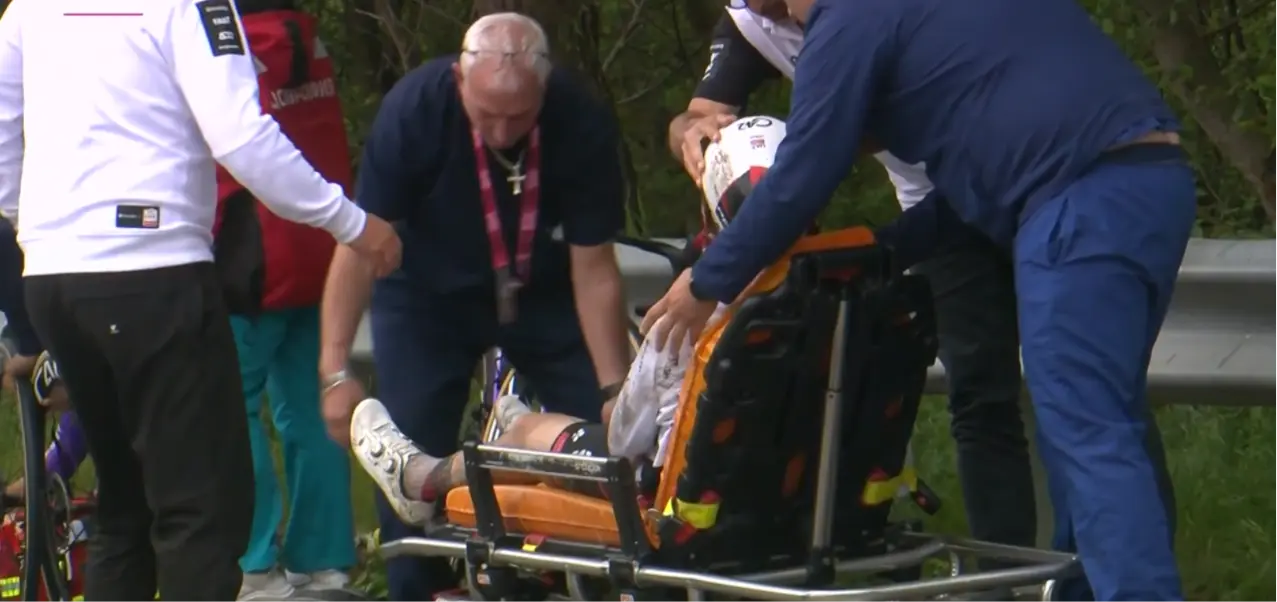
This mentality has been his shield since his beginnings at Euskaltel, where he suffered his worst crash on the road. “My biggest fall was when I turned pro with Euskaltel, the only time in my career I broke a bone: my elbow,” recalls the climber, who sees crashes as valuable lessons in survival.
“We learn from crashes. In the end, after each one, we start to step back to understand our limits. Some crashes don’t hurt physically but they do hurt mentally.”
This introspection fits perfectly with his view of how professional cycling has transformed. The long tactical days where energy saving was key to victory are now a distant memory.
“Back then it was a sport of endurance and conserving energy, whereas today it’s a constant show of force: you start flat out and finish flat out,” the rider explains.
“I’d say the change in speed has been immense. We’ve gone up by between 3 and 4 km/h since I started,” he adds. This continuous acceleration exacts a steep toll on the peloton, echoing the views of greats like Alejandro Valverde on the brutality of today’s racing.
“I’ve felt stressed by the tyranny of data”
“It’s exhausting. I can see riders’ careers getting shorter. This pace isn’t sustainable if you want a career like Valverde’s and to retire at 40,” he states.
Modern cycling also imposes fierce psychological pressure tied to minute-by-minute monitoring of performance and calorie intake, a side Bilbao has handled with notable maturity to protect himself.
“At times I’ve felt stressed by the tyranny of data, but I haven’t let myself get carried away. As soon as I noticed it, I acted quickly. I don’t wear a sleep ring and I don’t weigh my food when I’m at home,” he reveals, drawing a firm line between work and home life.
Even so, he fully embraces his role as a veteran leader when in camp with his team. “In the group, yes — you have to set an example for the youngsters who live by that discipline. For them, it’s more normal,” he notes. Personally, the obsession with numbers has faded with the seasons.
“I pay less and less attention to the numbers. As you get older, those numbers repeat and eventually plateau. They stop making sense for a more veteran rider,” he says. For the Basque rider, success rests on emotional clarity, and he warns of the danger of turning athletes into machines.

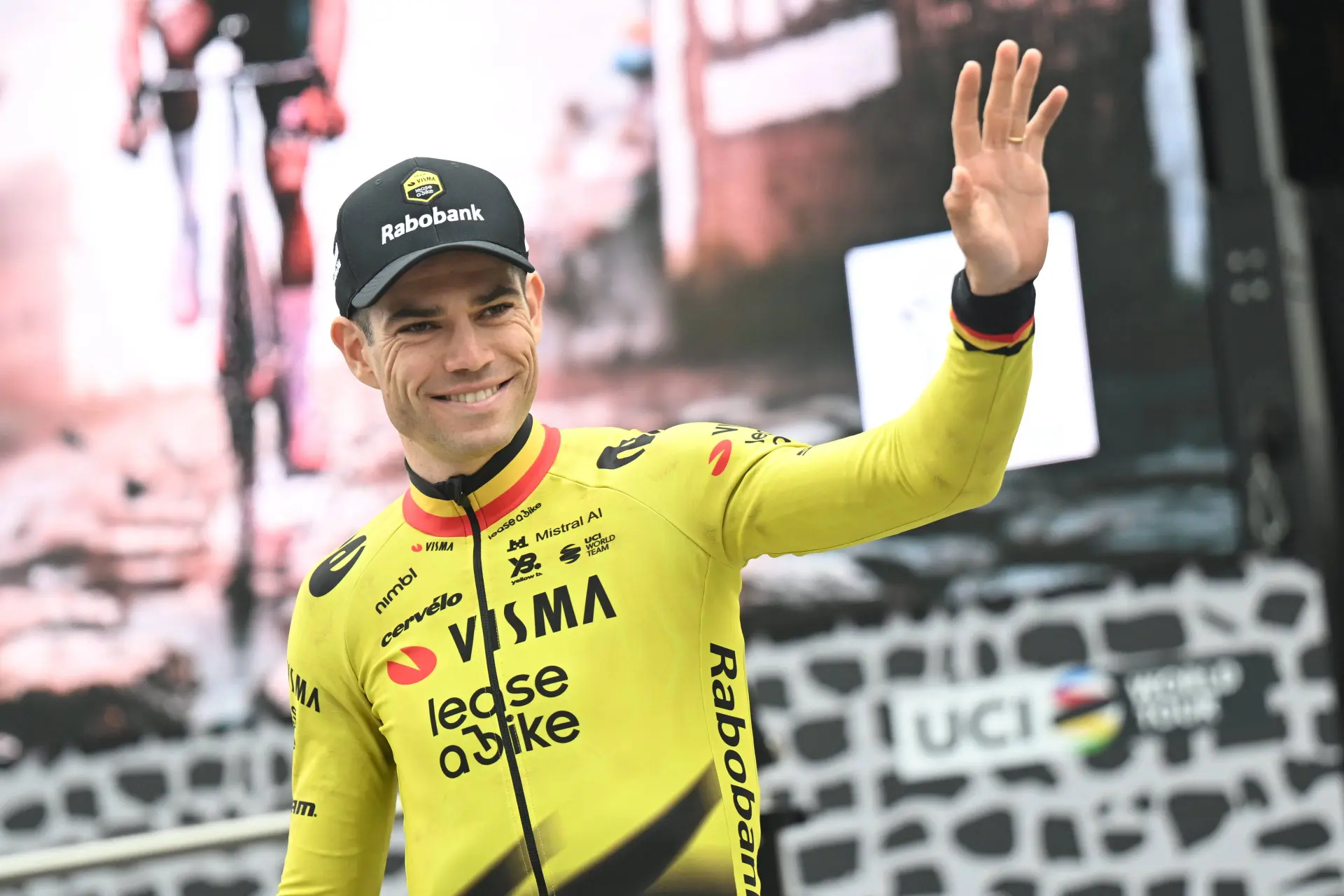
Pello Bilbao at the 2026 Strade Bianche
“Winning a stage at the Tour is madness”
When a rider wins in a Grand Tour like the Tour de France “you live through madness and just let yourself go.” He has done so in 2023, one of the highlights of his long career in the peloton.
With 17 pro wins, Bilbao is an example in consistency, having been near the top for many years. He's won 17 pro races including also two stages at the Giro d'Italia, and adapted well to the modern way of preparing and racing. He has recently finished sixth at both Itzulia Basque Country and Liège-Bastogne-Liège.
“The best part is getting to the hotel, feeling the hugs and congratulations, going person by person with everyone on the team who want to celebrate it,” he says. The frenzy lasts until dinner, when “you raise a toast, but then you head to bed early.”
“We can’t live under limitless stress”
“We can’t forget about mental health. Everyone should set boundaries. We can’t live in continuous stress. A key part of high performance is also finding balance without becoming obsessed with data,” he argues.
Scientific progress has also revolutionised in-race nutrition, banishing old bonks but turning fuelling into relentless work. “Another key point is the advances in nutrition. We now eat much more during races. We used to think the limit was much lower than it is. You don’t see hunger knocks anymore because we fuel better,” he analyses, openly admitting the boredom this constant intake can bring.
“Sometimes you get tired of eating. You feel you have to take in a lot of food: pasta, risotto, whatever it takes to fill the tank,” he adds. Thankfully, that strict maths stays outside his family life, he jokes, admitting that “on Christmas Eve nobody weighs carbs — and not in day-to-day life either.”

Seixas, Pogacar’s next big rival
Looking ahead to the peloton he will soon leave, Bilbao points to the promising Paul Seixas as the rider who could shake up the hierarchy. “I raced Seixas in the Basque Country and at Flèche Wallonne — a new Pogacar is coming,” he predicts with admiration.
“It’s good to see someone who can take on Tadej. If he keeps that logical progression, I think he’ll be a rival to him and open up competitiveness in the peloton,” he concludes, closing a brilliant spell at the top.

Rúben SilvaEditor-in-Chief
A founding contributor to CyclingUpToDate since its launch in January 2022, Ruben Silva has played a central role in shaping the site’s editorial direction and long-term growth. Before joining the project, he built his experience through independent blogging at Echelons Hub and by producing race previews for Ciclismo Internacional, developing a strong analytical voice rooted in daily engagement with professional cycling.
Beyond editorial work, he has been closely involved in the expansion and coordination of CyclingUpToDate’s wider network, helping establish and support sister platforms across multiple languages. This includes ongoing collaboration with CiclismoAlDia (Spanish), CiclismoAtual (Portuguese), WielrennenUpToDate (Dutch), and RadsportAktuell (German), contributing to a shared editorial vision and consistent international coverage.
He also helps oversee editorial governance across the network, setting standards for accuracy and consistency and coordinating updates or corrections when needed.
Originally from the Porto metropolitan area in Portugal, he holds a bachelor’s degree in Geography. His path into cycling journalism was shaped not through formal media training, but through independent reporting, community engagement, and sustained on-the-ground involvement in the sport.
Over the course of his career, he has conducted approximately 100 interviews across road cycling and cyclocross, ranging from one-to-one conversations and online formats to press conferences and on-site pre- and post-race coverage. His interviews include leading riders, team managers, and prominent figures within cycling media: Tadej Pogacar, Jonas Vingegaard, Mathieu van der Poel, Primoz Roglic, Wout van Aert, Joao Almeida and Tom Pidcock; managers like Patrick Lefevere and Joxean Matxin; and YouTube personality Bryan Kennedy (BKXC)...
Within 18 months of launch, he helped grow CyclingUpToDate’s English-language platform into one of the most-read cycling news websites, built entirely from the ground up. As both a professional journalist and lifelong cycling enthusiast, his focus remains on delivering accurate, timely, and well-contextualized coverage.
claps 0visitors 0
Just in
Popular news
Latest comments
- Pog can be beat, so, yeh 👍
 leedorney22-10-2026
 - absolutely iconic face/effortwrsty22-10-2026
- EF makes some pretty good signings. Tao and Sosa could be decent replacements for Carapazmij22-10-2026
- gravel is such a great discipline. I hope it gets bigger from a media standpoint. looking at old Tour de France stages, they were basically gravel before it was called gravelmij22-10-2026
- This is good for the sport ? Spreading of talent around the peloton.
 Davide22-10-2026
 - Im all in with you Wally. Good Luck.Davide22-10-2026
- No it’s not, what utter drivel. How do you know he wasn’t presented the option to stay with a renegotiated contract. I’m sure if he’d not gotten a better deal elsewhere he would even have considered accepting. It’s not like they would have told him to ride for free like Cavendish had to.Jumpyjohn21-10-2026
- It’s been a long time since any real Special accomplishments.Jumpyjohn21-10-2026
- It's nice to know that (some of) this article is not AI generated... igneous is autocorrected Ineos
 Rafionain-Glas21-10-2026
 - What are they doing nobody knows.abstractengineer21-10-2026
Loading
Write a comment