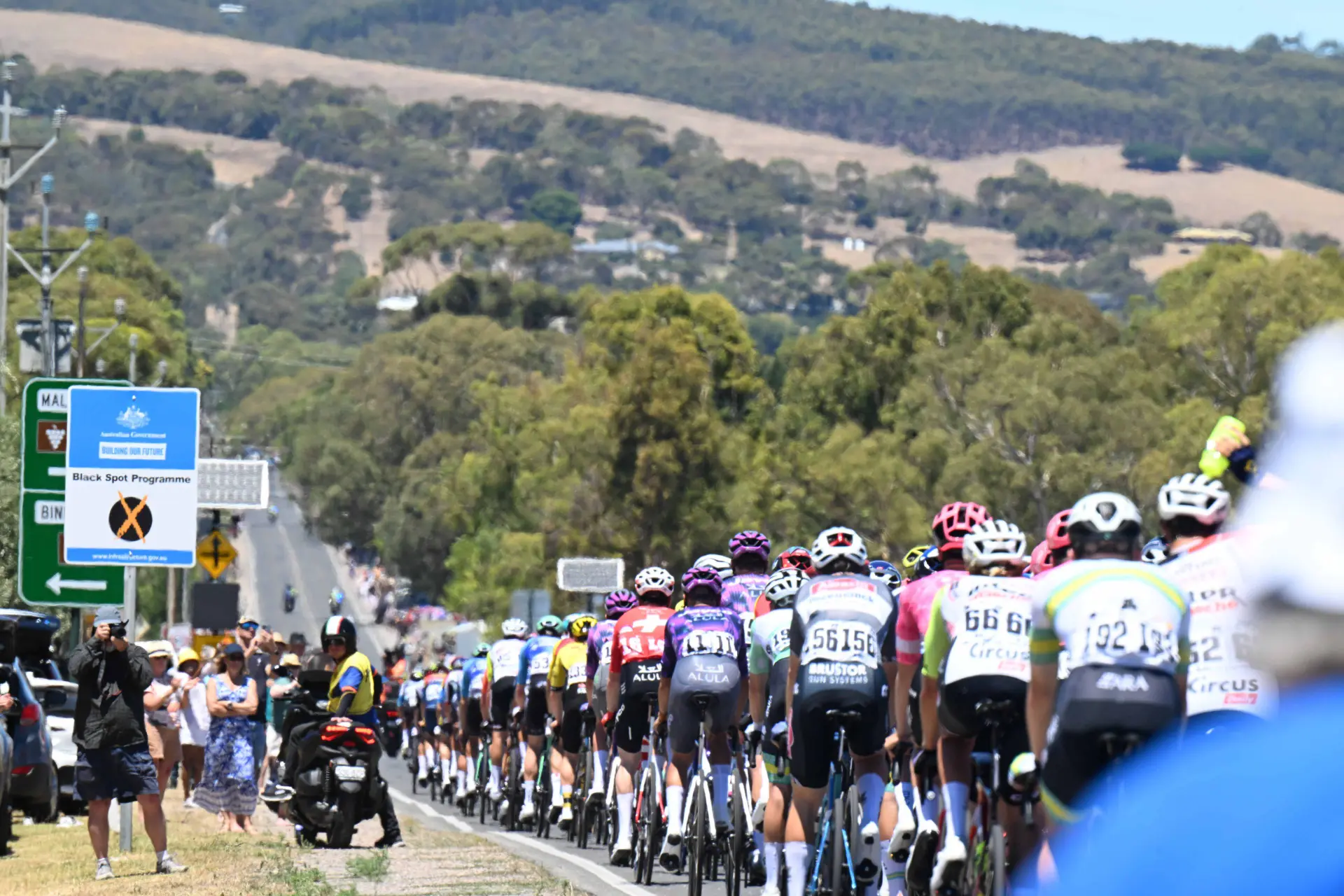
Grand Tours such as the Tour de France, Giro
d’Italia, and Vuelta a España are defined by their mountain stages. And just as
these climbs concentrate hours of racing into a few decisive moments, the world
of live cycling betting captures that same
unpredictability, turning every ascent, attack, and counter-attack into an
opportunity for instant decisions.
While sprint finishes and time trials carry
their own weight, it is in the steepest ascents and the final kilometers of
grueling climbs that the general classification is most often rewritten. For
bettors, these segments mirror the drama on the road: odds shift with each
attack, strategies must adapt on the fly, and instinct becomes as valuable as
analysis.
In this way, mountain stages are not only the
heart of cycling’s spectacle, but also the moments where live betting thrives —
when fans, analysts, and punters alike find themselves on the edge of their
seats, riding the fine line between calculation and chaos.
The tension in these final mountain
kilometers is unmatched. Time gaps that were measured in minutes can be erased
in seconds, and riders who looked dominant for days may suddenly crack. For
fans, commentators, and bookmakers alike, these situations create a kind of
live theatre: unpredictable, dramatic, and impossible to script. It is
precisely here that live cycling race betting becomes the most volatile, with
odds shifting almost as rapidly as the gradients beneath the riders’ wheels.
What makes this section of the race so
unique is not only the physical challenge but also the sheer unpredictability
of human performance under maximum strain. Every facial expression, every shift
in cadence, every glance back from a team leader can send signals that alter
perceptions of who holds the upper hand. Bettors tracking the action in real
time see the odds recalibrate instantly, reflecting the razor-thin line between
triumph and collapse.
This article will peel back the layers of
that drama, explaining why “GC tilt” — the moment when the balance of the
general classification tips dramatically — happens most often in these decisive
uphill kilometers. By looking at the interaction of tactics, terrain, external
factors, and psychology, we will uncover the hidden logic behind why odds
change so suddenly and so violently in the mountains.
GC Tilt: Why Real-Time Odds on Bike Races Shift in Final Mountain KMs
The term “GC tilt” refers to the delicate moment in a Grand Tour when the
general classification picture shifts dramatically. It is not just about one
rider attacking or another fading; it is the exact point where the hierarchy of
the race begins to wobble. In the mountains, especially during the last
kilometers of a summit finish, the accumulated fatigue of weeks of racing
collides with the brutal gradients. Seconds gained or lost here often determine
who will stand on the podium in Paris, Milan, or Madrid.
At its core, GC tilt is about
instability. A rider who has defended the yellow, pink, or red jersey for days
can suddenly show weakness. Conversely, a rival who has sat patiently in the
peloton may unleash a devastating acceleration. This volatility is magnified
because the margins are so thin: gaps of 10–20 seconds can mean the difference
between leading the GC and slipping down the rankings. Unlike flatter stages,
where changes are gradual and predictable, mountain finales concentrate chaos
into just a few thousand meters.
For live cycling race betting, these
moments are critical. Bookmaker algorithms track time splits as they appear on
television graphics and official race feeds. If a GC contender begins to lose
contact with the front group, odds swing sharply against them. Conversely, when
a rider launches a successful attack and quickly gains a few seconds, the
algorithms recalibrate to shorten their odds of stage victory or overall
triumph. This constant rebalancing is why bettors witness rapid fluctuations in
real-time odds during the final mountain kilometers.
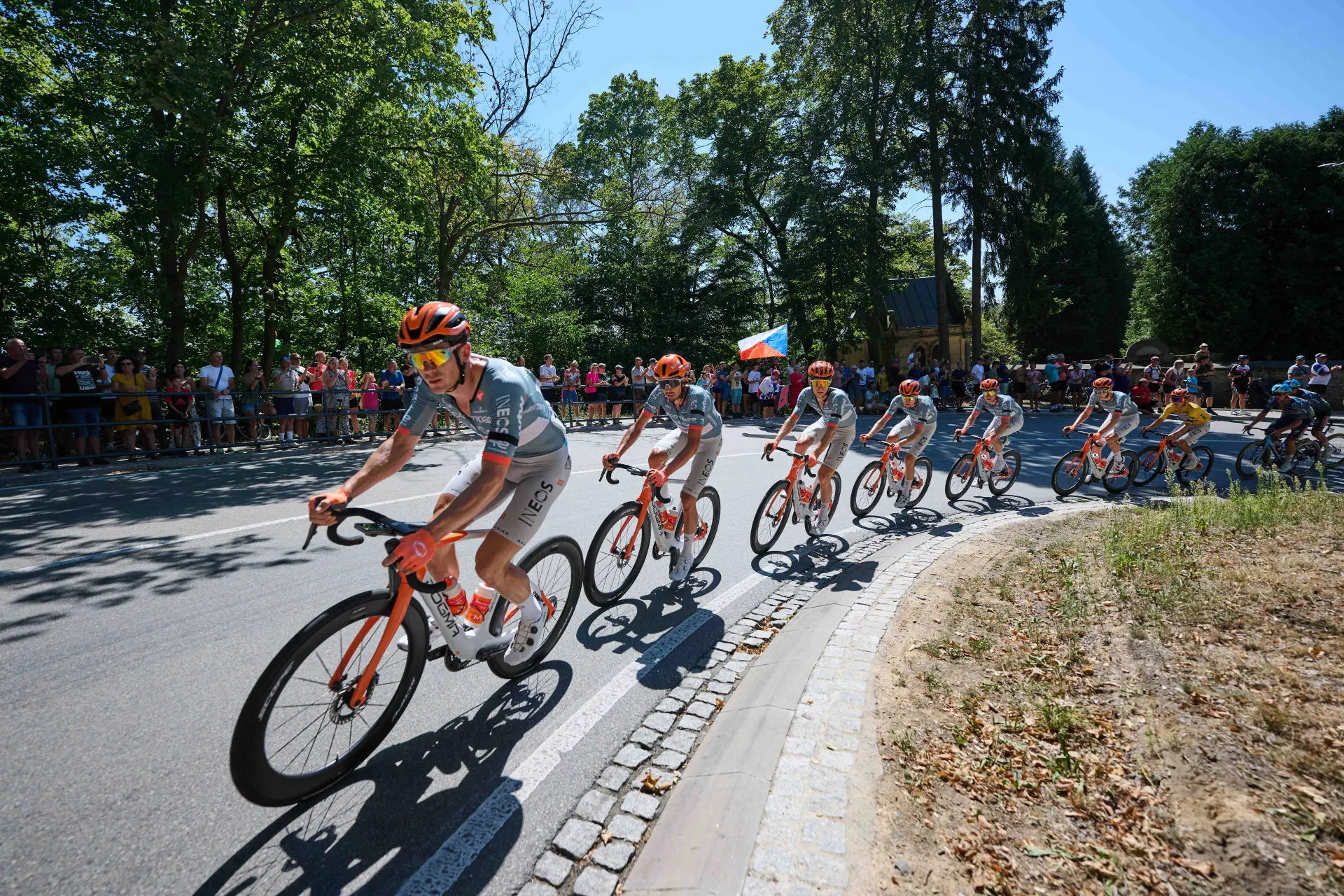
The group dynamic also plays a decisive
role. When a strong domestique sets a blistering tempo at the front, the field
thins out, exposing cracks in the armor of supposed favorites. Every
acceleration, every stall in pace, every shift in alliances between teams has a
direct impact not only on the road but also in the betting markets. GC tilt, therefore, is not a
theoretical idea—it is a living, breathing phenomenon that embodies the
unpredictability of cycling’s grandest stages.
Climbers, Domestiques, and Team Tactics
In the final mountain kilometers of a
Grand Tour, pure climbers and team tactics dictate much of the race’s rhythm. A
specialist climber has the ability to accelerate on steep gradients where
others struggle, forcing splits in the group and exposing weaknesses among
rivals. These surges, sometimes lasting only a few seconds, can create decisive
gaps that alter the entire complexion of the general classification. For those
following live cycling race betting, every such acceleration triggers a
recalculation: odds on the attacking rider may shorten dramatically, while
those on struggling contenders expand just as fast.
The role of domestiques—support riders assigned to protect their leader—is
equally crucial. By setting a fierce tempo, they can discourage rivals from
attacking, while also sheltering their team leader until the final moment. A
well-timed effort from a domestique can mean the difference between a leader
defending their jersey or losing minutes. On the other hand, when domestiques
are exhausted or unable to match the pace, the leader is left exposed, often
prompting immediate swings in real-time odds as bettors anticipate a collapse.
Cycling history offers countless examples
where team tactics reshaped the GC battle. During the 2012 Tour de France, Team
Sky’s relentless tempo riding isolated rivals and paved the way for Bradley
Wiggins and Chris Froome to dominate the race. In
contrast, the 2020 Tour saw Jumbo-Visma controlling the mountains until Primož
Roglič faltered on the decisive time trial, a moment when betting markets
flipped dramatically in Tadej Pogačar’s favor. Similarly, in the Vuelta a España
and Giro d’Italia, late-stage teamwork has repeatedly determined whether
attacks succeed or fizzle, with live odds reflecting these shifts in real time.
Ultimately, climbers create the sparks,
but it is team strategy that fans and bookmakers watch most closely. A single
domestique dropping back, a rival team massing at the front, or an unexpected
counterattack can tilt the balance of the GC within seconds. These tactical
layers make mountain finales as unpredictable for betting markets as they are
thrilling for spectators.
External Variables: Weather, Terrain, and Rider Fatigue
The drama of the final mountain
kilometers is never dictated by riders alone. External variables—terrain,
weather, and accumulated fatigue—combine to make predictions even more
unstable. For live cycling race betting, these unpredictable elements often have
as much influence on shifting odds as team tactics or attacks on the road.
The terrain
itself plays a defining role. Steep gradients above 10% magnify every pedal
stroke, creating visible differences between those still strong and those on
the edge of collapse. Long, steady climbs favor riders with consistent pacing,
while explosive ramps near the summit reward those who can deliver sudden
accelerations. High-altitude finishes add yet another layer of complexity:
reduced oxygen levels slow recovery and punish riders with weaker endurance at
altitude. Bettors and bookmakers alike respond immediately to these dynamics,
as the difficulty of the terrain accelerates both time gaps and the
recalibration of odds.
Weather
conditions can transform a stage. Intense heat forces
riders to burn energy faster, sometimes leading to dehydration and sudden
collapses. Cold rain on a mountain pass not only saps strength but also
increases the risk of crashes, particularly on technical descents after summit
finishes. Crosswinds funneling through valleys before the final climb can shred
the peloton, forcing contenders to waste energy long before the decisive
kilometers. When weather strikes, live odds often shift abruptly, as bettors
anticipate chaos and uncertainty.
Finally, the most underestimated factor
is cumulative fatigue. By the third
week of a Grand Tour, even the strongest climbers are carrying the weight of
thousands of kilometers already in their legs. Riders who seemed untouchable in
the first mountain stages may suddenly falter, their bodies no longer able to
withstand the relentless pressure. Fatigue is difficult to quantify, but it is
immediately visible when a rider loses contact with the group. Bookmakers’
algorithms adjust as soon as gaps appear on screen, reflecting the fact that
exhaustion is as decisive as any attack.
In combination, these variables turn the
final mountain kilometers into an arena of unpredictability. The interplay of
steep gradients, hostile weather, and sheer exhaustion ensures that real-time
odds remain in constant motion, perfectly mirroring the volatile nature of the
race itself.
The Key Triggers That Move In-Race Wagering
In the volatile final kilometers of a
mountain stage, betting markets can shift as quickly as the riders themselves.
While terrain and tactics create the stage for drama, it is specific triggers
on the road that cause bookmakers’ algorithms and bettors to react in real
time. These triggers form the backbone of the GC tilt, moments when the general classification balance begins to
swing sharply. Each carries its own weight in altering live cycling race
betting odds, often within seconds of unfolding.
GC Tilt: Why Real-Time Odds on Bike Races Shift in Final Mountain KMs
●
Sudden Attacks from Outsiders: When a rider
who is not considered a major GC favorite launches a surprise attack, it can
instantly change the narrative of the stage. Bookmakers tend to lengthen the
odds on established leaders while shortening those of the attacker, even if
their chances of sustaining the move remain uncertain. For bettors, these
unexpected accelerations represent opportunities to capitalize on misjudged
potential.
●
Cracks Among Favorites: Few moments swing odds
more dramatically than when a star rider begins to falter. A slowing cadence, a
gap opening to the group ahead, or the inability to respond to an attack can
see their odds skyrocket in real time. Bettors react quickly, either abandoning
faith in a crumbling leader or placing value wagers on rivals poised to profit
from their weakness.
●
Mechanical Issues or Crashes: Cycling’s
unpredictability is heightened by equipment and road hazards. A dropped chain,
flat tire, or crash at a crucial point in the climb can derail even the
strongest GC contender. Odds immediately drift against the unlucky rider, while
opportunistic bettors and bookmakers refocus attention on those still in
contention.
●
Team Support Collapses: Domestiques are
essential in the mountains, but when they are exhausted and peel off, a leader
is left isolated. Without pacing or protection, favorites are more vulnerable
to attacks. Betting markets recognize this vulnerability: odds often shift
against isolated leaders, while rivals surrounded by teammates see their
chances improve.
●
Time Gaps Displayed on Screen: Official race
updates, often shown in real time, carry immense weight. A five-second gap
displayed on the broadcast can instantly influence markets, even if the visual
distance looks small. These objective numbers prompt bookmakers to recalibrate
their models, creating rapid odds movement that mirrors the shifting hierarchy
on the road.
●
Psychological Signals: Beyond data and
numbers, attentive fans and analysts pick up subtle cues: repeated glances over
the shoulder, visible strain in a rider’s posture, erratic changes in cadence.
Such signs often precede a decisive attack or collapse, and experienced bettors
interpret them as early warnings. Markets may react slower to these human
signals, creating a brief window where informed wagering can gain an edge.
Together, these triggers ensure that the
last mountain kilometers are never static. Every attack, collapse, or subtle
signal has the power to ripple through live betting markets, making them as
unpredictable and enthralling as the racing itself.
Data, Algorithms, and Human Perception
Modern live cycling race betting is
increasingly shaped by data-driven systems that attempt to capture every
measurable variable on the road. Bookmakers rely on sophisticated algorithms
that integrate GPS positioning, speed,
gradient of the climb, and even biometric indicators such as heart rate or
power output when available. These data streams feed into real-time models
that continuously update the likelihood of a rider maintaining pace, launching
an attack, or collapsing before the finish. In theory, these models provide an
objective and precise assessment of who holds the upper hand in the decisive
mountain kilometers.
Yet, cycling is not a sport that can be
reduced entirely to numbers. Fans and experienced bettors often rely on visual cues and race intuition to make
their own live wager insights. The way a rider shifts on the saddle, how
smoothly they pedal, or whether they frequently look over their shoulder can
all suggest strength or vulnerability. Even the smallest gestures—a moment of
hesitation, a grimace, or an aggressive surge—are interpreted by seasoned
observers as signals that data models cannot always anticipate. These human
perceptions add an extra layer of interpretation to the betting markets,
sometimes moving faster than the algorithmic updates.
This creates a fascinating disbalance between “cold data” and
instinctive judgment. Algorithms may still favor a rider who is holding
steady power numbers, while human eyes detect subtle signs of fatigue that
precede a sudden drop. Conversely, bettors may underestimate a rider’s
resilience, while the data indicates they are pacing themselves perfectly for a
final acceleration. The push and pull between these two perspectives—digital
models and human intuition—make the final mountain kilometers a unique battleground
where odds are in constant flux.
Ultimately, neither approach holds
absolute dominance. The richest insights emerge when data and perception are
combined: numbers provide structure, but human intuition adds the capacity to
read the unpredictable drama of a race in motion. This tension between
algorithmic certainty and emotional interpretation is what makes betting during
GC tilt moments so compelling, and why real-time odds will always remain as
volatile as the racing itself.
Conclusion
The final mountain kilometers of a Grand
Tour are the purest expression of unpredictability in professional cycling. No
other moment in a race produces such rapid swings in momentum, and no other
setting causes betting odds to fluctuate so dynamically. What happens in these
uphill battles cannot be fully scripted or controlled—every pedal stroke
carries the potential to rewrite the general classification. For bookmakers,
bettors, and fans alike, this is where the numbers move fastest, mirroring the
chaos unfolding on the road.
The concept of GC tilt captures the essence of this drama. It is not a rare
anomaly but an inherent part of the sport’s narrative: a reminder that even the
strongest champions can falter and outsiders can rise in a matter of seconds.
This volatility is not a weakness but rather the heartbeat of cycling, ensuring
that every mountain finish feels like a live experiment in endurance, strategy,
and willpower.
It is precisely this controlled chaos
that makes live cycling race betting
so captivating. Odds spike and plummet as riders attack, fade, or regroup,
creating a sense of urgency that mirrors the raw spectacle of the climb itself.
The thrill lies in knowing that no model, no prediction, and no algorithm can
completely tame the uncertainty of the mountains.
In the end, accurate forecasting in these
moments demands more than numbers. It requires a synthesis of team tactics, external conditions, and the
psychological fortitude of riders under immense pressure. Only by
considering all these layers can one begin to understand why odds shift so
violently in the decisive kilometers. Yet even then, the mountain remains a
place where control dissolves into chaos—and it is precisely this thin line
that ensures cycling’s greatest drama endures, both on the road and in the
betting markets.
AL
Andre Liliomos
claps 0visitors 0
Just in
Popular news
Latest comments
- Nothing. Against Pogi nothingabstractengineer18-10-2026
- He didn't even try to sprint all outvappaxbipmv18-10-2026
- Campenaerts looked like a rolling pumpkin with that all orange leaders skinsuit !frieders318-10-2026
- He can take his dumb a$$ politics somehwere else !frieders318-10-2026
- good to have her back. fingers crossed she‘ll be able to stay!Ketterechts17-10-2026
- A tenner and he wins the Tour next year, too 😂anonymouscyclist17-10-2026
- the answer is either stick to classics or GTs but not bothabstractengineer17-10-2026
- the exodus already stared with Ciccone. Already they were struggling with two sprinters, now there are three. Also Ganna will demand leadership. Gall is the most proven GC, Ayuso has the most potential. GC leadership for everybody will be impossible. Literally a UAE style mess without pogi.abstractengineer17-10-2026
- I raced as an amateur for 12 years, including six years on my country’s national road cycling team. I secured two national titles and competed in three World Championships plus more than 15 international stage races. At 23, we travelled to Italy for a training camp—or so I assumed. On a rest day, we watched a presentation about adopting a more “professional” training approach. It was crystal clear what “professional” meant. That moment first exposed me to this dilemma. After returning from Italy, I left cycling—at least at the competitive level I had known. Over the following two years, the whole team was caught doping. I hold that everyone is innocent until proven guilty. In my view, current stakeholders operate on a different scale, and the sums involved are vast. I am unsure whether any doping would ever be revealed. I try to stay positive and enjoy the show. My 2c.
 vannpelt17-10-2026
 - Fiver he wins 🤣
 leedorney17-10-2026
Loading