"On Christmas Day, a rider wants to be with his family": Bart Wellens criticises new cyclocross calendar proposals
CyclocrossTuesday, 10 February 2026 at 06:00
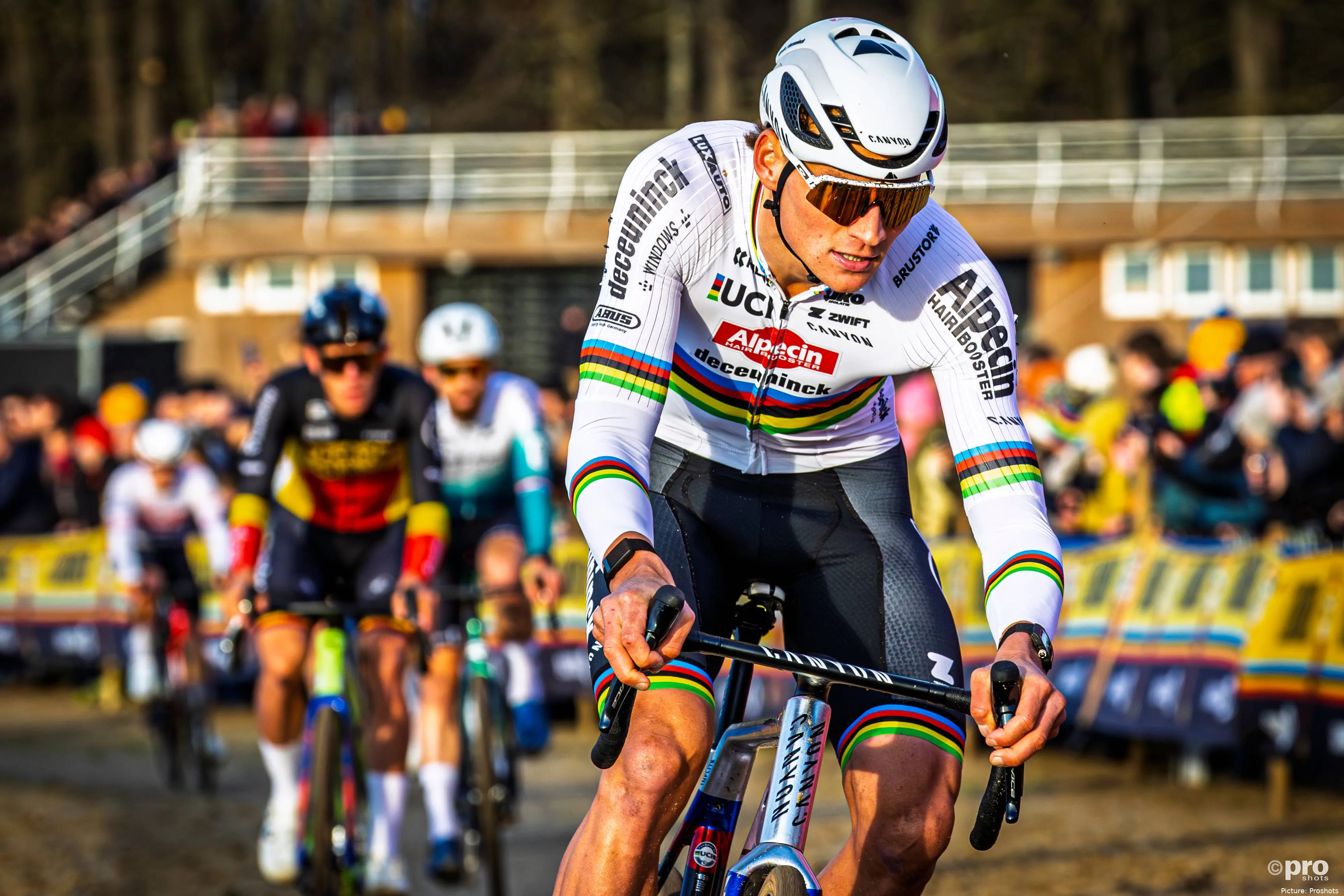
Cyclo-cross is a very particular discipline. In cycling, it is the only mainstream one whose season runs in winter. That, while it brings positives, also has a downside for riders like Mathieu van der Poel, Wout van Aert, Thibau Nys and company. And that is the focus of former world champion Bart Wellens in his latest remarks.
The proposal to add a cyclo-cross race on Christmas Day within the new winter calendar has ignited a heated debate, and one of the most critical voices has been Wellens. The double world champion, always direct in his analysis, makes no secret of his displeasure at a decision that, in his view, overlooks the more human side of the sport.
In an analysis published in Het Nieuwsblad, the Belgian firmly questions scheduling a race on 25.12, a date traditionally reserved for family. For Wellens, it is not just a logistical issue, but one of respect for the riders: "That is a day when a cyclist also wants to devote time to his family."
From his point of view, the calendar is already demanding enough without adding another obligation on such a significant day, and he fears that these decisions will further wear down the protagonists.
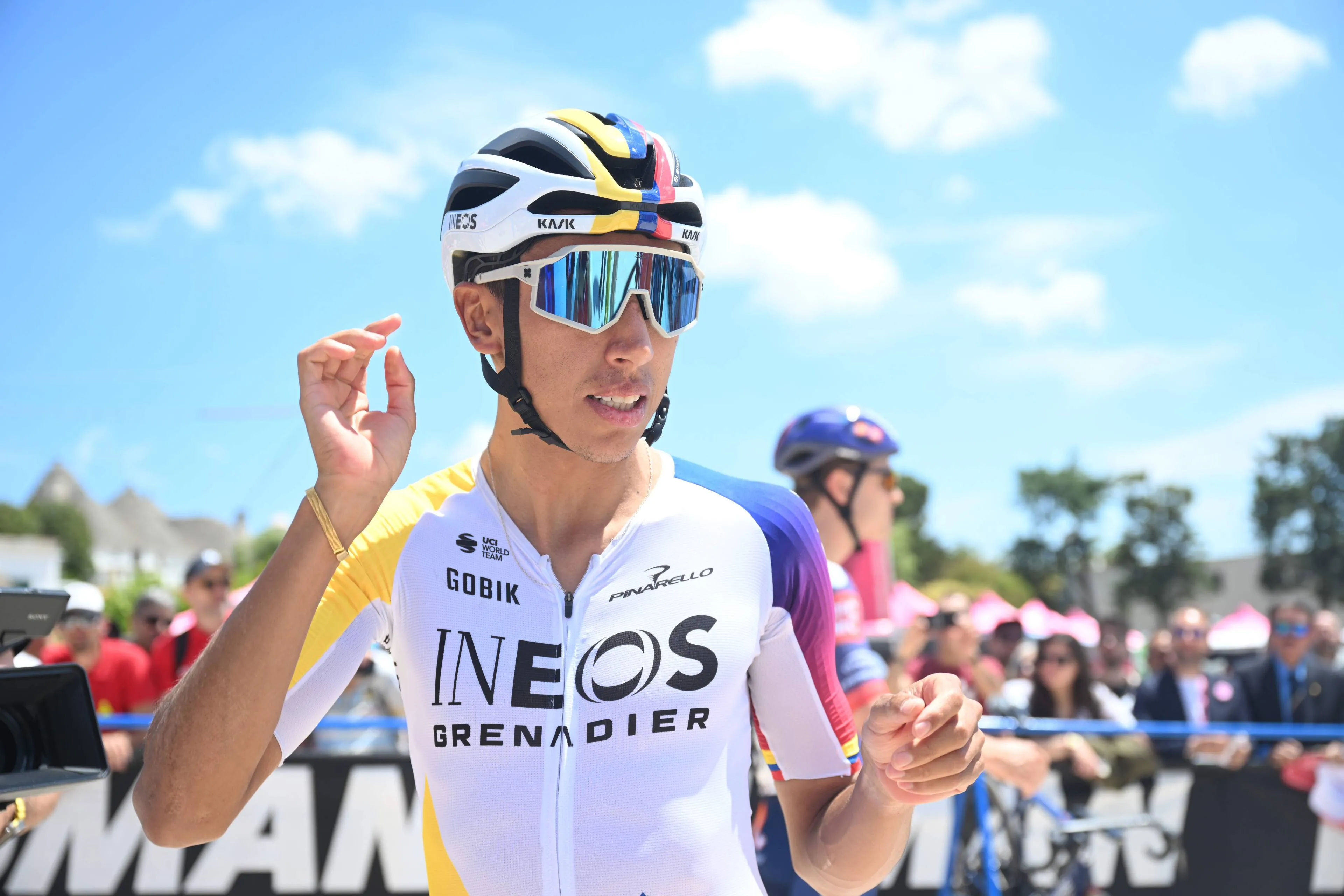
Organisers, led by Golazo, take a different stance, however. They argue that choosing Christmas Day follows "exhaustive research" and believe that, while Christmas Eve is the true moment for family intimacy, the following day can host other plans. In that sense, they think a major Christmas race could work both sportingly and for the public.
This move also means bringing forward the traditional Heusden-Zolder race, usually held on St Stephen’s Day (December 26th). For Wellens, that change highlights a worrying trend towards commercially driven decisions with little regard for riders’ welfare.

Organizers seem to be adapting to cyclocross stars' programmes while it should be the opposite
More calendar problems
Beyond the Christmas controversy, the former champion also points to another issue he considers even more serious: the cyclocross calendar which used to span from September to March is now nearly exclusive run in the months of December and January with a brief prelude in the form of first World Cup rounds joined by European Championships already in November. "It’s a shame that the Superprestige now also has its final round in early January. This makes the period after the Worlds less and less important."
Wellens recalls that races retain a very high competitive level precisely when there are goals at stake after the Worlds. As an example, he points to this year in Middelkerke and Lille, where we saw top-quality racing because there were still real sporting incentives.
His conclusion is clear and concerning: if the weeks after the Worlds also disappear, cyclo-cross could be left with an effective season of barely four months. A scenario that, in his view, would especially harm the pure specialists. "We must keep giving true cyclo-cross riders, like Vandeputte or Michael Vanthourenhout, the chance to continue showcasing their talent."
A warning issued from the experience of someone who has lived cyclo-cross from the inside, and which reopens the debate on where the winter calendar should be heading.
Read also

claps 2visitors 2
Just in
Popular news


Latest comments
- I'm not gonna lie, I definitely wanted Wout to win, but at the same time, everyone treats him differently than van Der, or pog. When cyclists race against the latter ones, they basically resign themselves and let them win. With Wout, they want to chase and beat him. Does this mean they consider Wout the one to measure against? I'll never be a fan of the latter, and always will root for Wout even if this means an eternal 2nd like Sagan used to be until he won both Roubaix and Flanders. Besides, these 2 don't have to prove anything to anyone.Colnago-fan03-04-2026
- Hardly a god. He is great, but not what you're salivating over.Colnago-fan03-04-2026
- I recommend anger management therapy. Have a good day, sir.RidesHills03-04-2026
- The critics don't sign his paycheck.
 Front24203-04-2026
 - Definitely not normal.Front24203-04-2026
- What if he goes for the KOM jersey and a breakaway stage win at the Tour of the Alps, but is caught by his successor Giulio Pellizzari (who is 21 years his junior)
 Rafionain-Glas03-04-2026
 - I guess the Belgians are cowards, just like the Slovenians. 80% of Slovenians were "spitting" on Pogacar because he beat Roglic in the 2020 Tour on stage 20, ITT. In the eyes of the Slovenian's Roglic was a cycling hero... and Pogi was just a good cyclist. They didn't know that they were witnessing the birth of a CYCLING GOD!!!Mou-Cro-HR03-04-2026
- Unnecessary flak, if any Ganna was the outright culprit tho to think is those terms is pretty neg.
 leedorney03-04-2026
 - Beware of false prophets on Sunday. There is only one...the chosen one... POGI: The God of cycling, lightning, and explosives.... BOOM !!!Mou-Cro-HR03-04-2026
- Finally, Remco is where he belongs, among the big boys, to see firsthand what it's like to watch records being broken on the Kwaremont. He'll have the best possible front row seat, completely free. Everyone who thinks that Remco will start Molenberg or the second Kwaremont from 70-80 positions in the peloton have no idea about cycling. Most people underestimate the Van Dijke brothers and Gianni Vermeersch. Remco's problem will not be positioning, but the best version of Pogi - the Baby Hulk. You will all see incredible things on Sunday. All you can do is go to church and light a candle for MVDP and the rest. He will need it. The G.O.A.T. 🐐🐐🐐has landed in Belgium yesterday.Mou-Cro-HR03-04-2026
Loading
1 Comments