“A great injustice was done to me: The UCI know I did nothing wrong” – Toon Aerts speaks out on doping redemption and lingering uncertainty over positive test
CyclocrossThursday, 27 November 2025 at 18:09
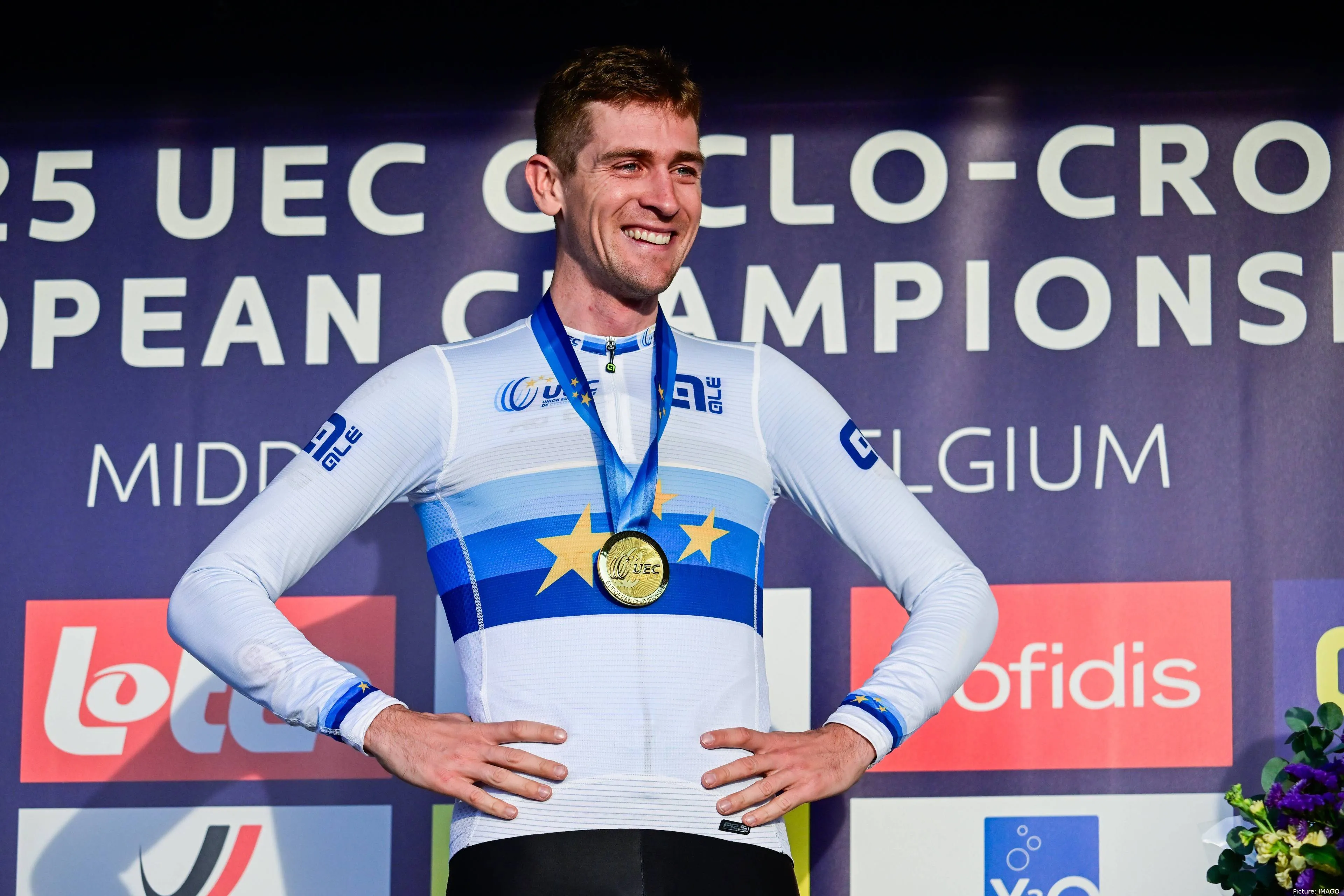
Just a matter of weeks after claiming the European cyclocross title in Middelkerke, almost four years after the positive test that derailed his career, Toon Aerts has spoken with striking rawness about the ordeal he endured, the unanswered questions that still haunt him, and the emotional weight lifted by his comeback.
In a long, candid interview with Humo, the 32-year-old recounts how the fight to clear his name consumed him, why he believes the system failed him, and how returning to winning has finally given him “closure” on the darkest period of his life.
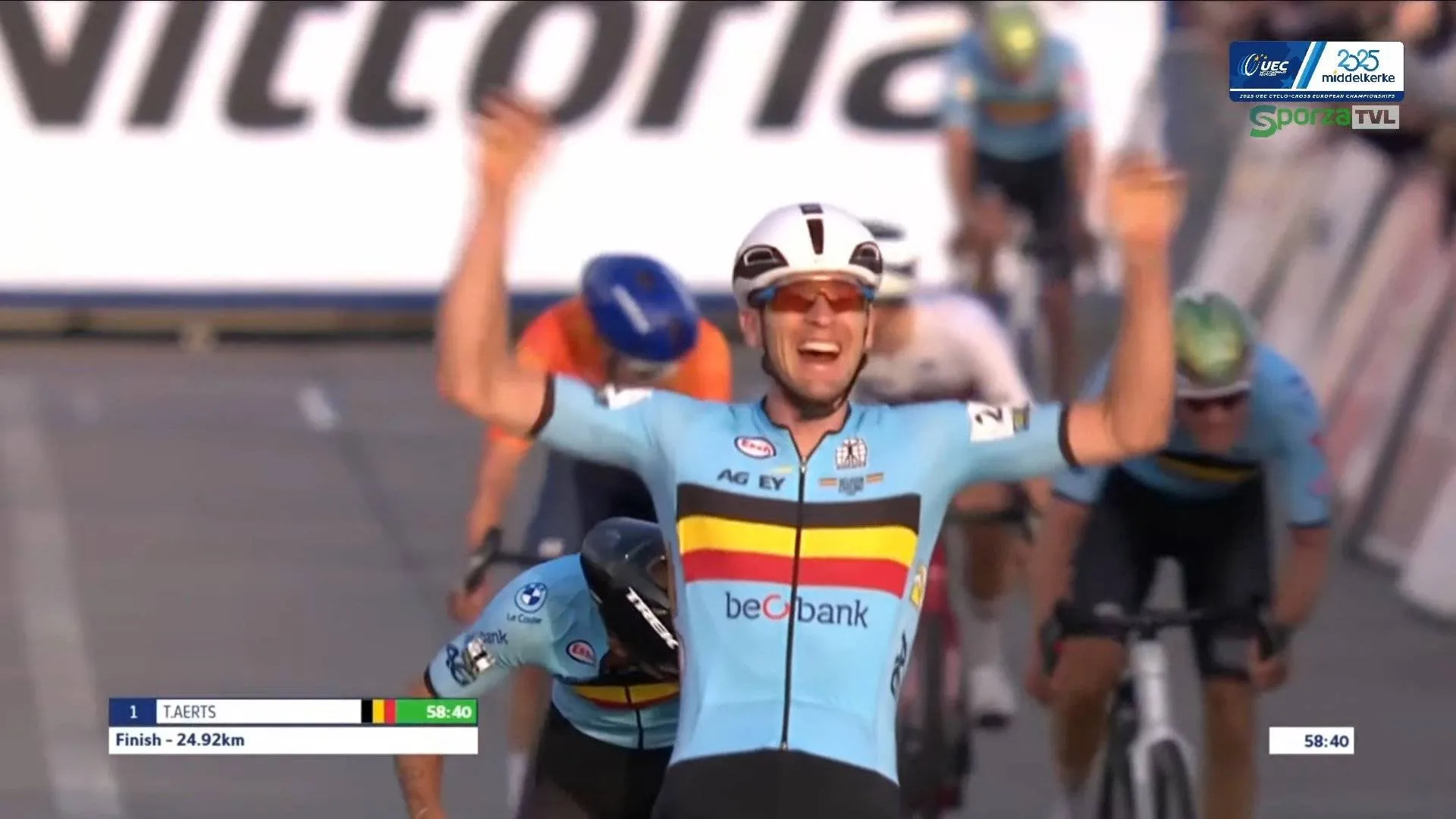
Middelkerke, he says, was never just another victory. “A great injustice was done to me: two strong years of my career were taken away. This title doesn’t erase that. No, ‘making up for it’ isn’t the right term here.”
He says he always feared the two lost seasons would permanently damage his level, but the European title proved something to himself as much as to others. “For a long time it was a huge question mark, but I can now say that I’m back at my level. The life lessons of the past few years definitely contributed. I’m far from burnt out, something that might start creeping in for other riders of 32.”
“I did endless research… a needle in a haystack I’ll never find”
Aerts admits he was consumed by the search for an explanation after letrozole was found in his urine following Flamanville in 2022 — research that eventually took a psychological toll.
“Until six months ago I was still working on it every day. I did endless research into the substance and what it was used for — apparently mostly in livestock farming. In the meantime I’ve let it go: it wasn’t making me happy. It’s a needle in a haystack I’ll never find.”
He still believes contamination is the only plausible explanation. “I have two theories: either it came from contaminated supplements, or from that place in France — a year later it turned out that Shari Bossuyt also tested positive there. But we weren’t able to substantiate our suspicions enough to obtain an acquittal.”
Even his much-discussed “Normandy milk” hypothesis was simply an attempt to impose logic on something that felt inexplicable. “Is it a coincidence that something was found in both Shari and me? We don’t know. But I have to look for the cause somewhere. Otherwise it’s impossible to live with.”

Toon Aerts emotionally returned to the top with his European Championship victory
“They know I did nothing wrong” – Aerts on the UCI and the presumption of guilt
In one of the interview’s most striking passages, Aerts insists cycling’s governing body already acknowledged he had no intent to cheat: “The UCI wrote in its report that it involved unintentional use. In other words: I never intended to ingest that substance. They know I did nothing wrong. That’s also why they granted me a favour: my suspension was reduced from four years to two.”
But he is blunt about what that reduction really meant: “Whether all of that is correct? You can ask questions about it.”
And he is equally clear about the impossible burden placed on riders who must prove a negative: “I had to investigate myself how something I never wanted in my body ended up there. I’ve never ordered anything from dodgy websites. Everything came from the team. I always tried to protect myself as well as possible and did what I thought was right. Still, something went wrong somewhere. If I’d been able to prove in black and white what caused it, I’d never have been suspended for two years.”
Taking the fight further was never realistic — financially or practically. “Aside from the financial aspect, an appeal wouldn’t have achieved much. The UCI’s final ruling only came after a year and a half. At that point I had only six months of suspension left. I wasn’t going to throw thousands more euros at it. It had cost me enough.”
“I often trained out of revenge… anger solves nothing”
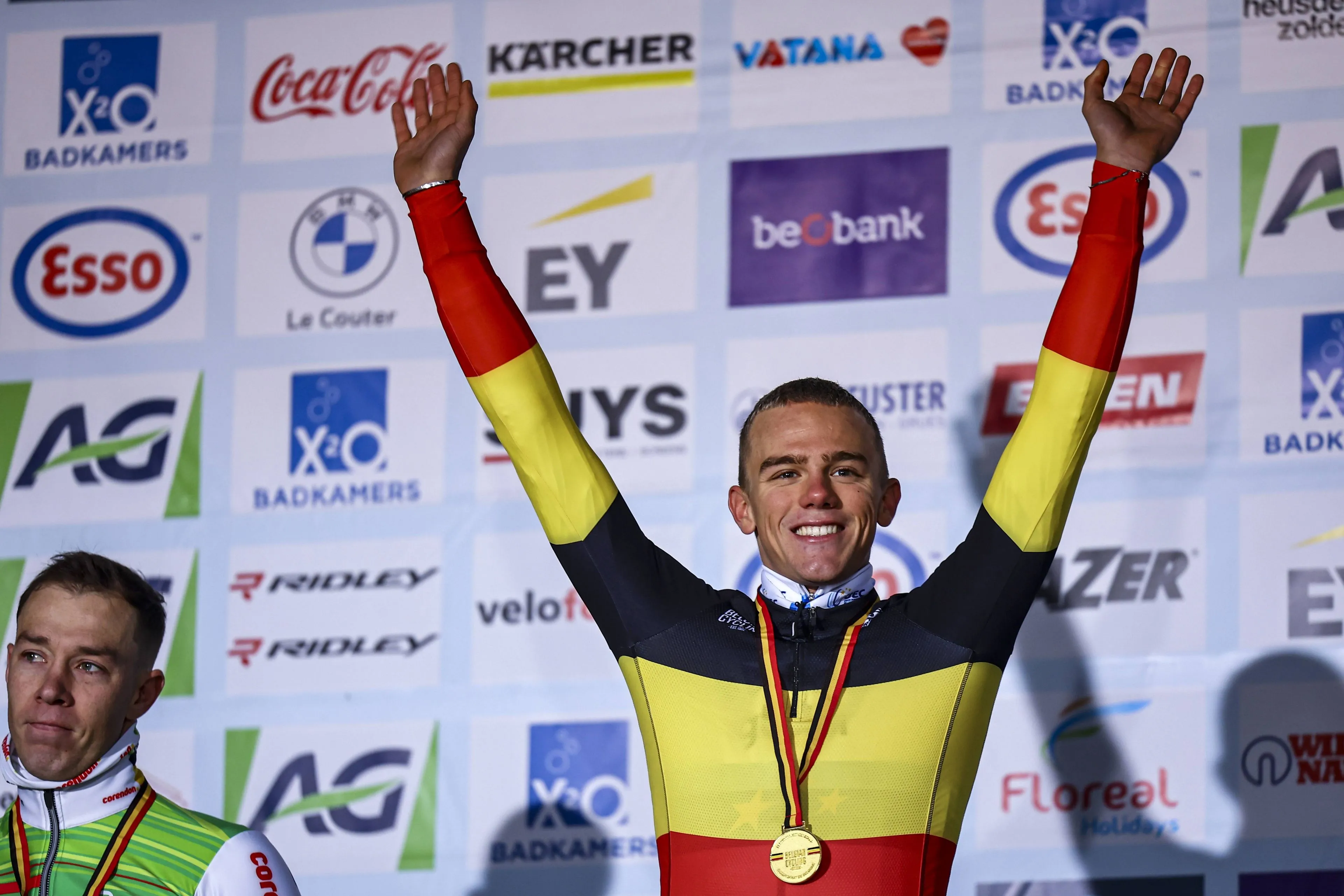
Aerts admits he initially returned to racing with fury in his legs. “After my suspension I was initially convinced that it would soon become clear that everything was a misunderstanding. I often trained out of revenge back then. Even my first races, when I was allowed to compete again, I rode with aggression.”
But he quickly realised anger was corrosive. “I noticed that doesn’t work: anger solves nothing. I shouldn’t lower myself to declaring more war on the authorities that punished me. I have too much respect — respect they didn’t show me.”
Instead, he forced himself to accept that only he could decide how the story would continue. “Suddenly I had to sort myself out and think and act like a real adult. Part of being an adult is not kicking back. Others had my fate in their hands: it’s up to them to feel remorse now and to learn the right lessons so others don’t become victims too.”

“I’ve shown the cycling world that I’m back”
For Aerts, Middelkerke was the moment the weight of the last four years finally lifted — the moment he could look the sport in the eye again. “I’ve shown the cycling world that I’m back. I’m proud of that. And proud of the team around me.”
And after everything he endured — the uncertainty, the financial damage, the suspicion, the search for answers that may never come — he is finally able to say he is leaving the darkest chapter behind him.
Redemption, for Toon Aerts, isn’t an abstract idea. It’s something he had to win back, metre by metre, after nearly being driven out of the sport entirely.
claps 19visitors 9
Just in

Popular news
Latest comments
- Ahaha remco is like the hulk, make him angry early and he'll go beast modebruins3001-04-2026
- This could be fascinating. In 2022, he followed Roglic and Pogacar as a winner of both a monument and GT in the same year. Who knows, maybe he's aiming to do that again, and maybe he's deciding to focus more on classics. Or maybe he just wants to have a fun challenge? He's won some incredibly strong one-day races, and his style may really match the Ronde. Yes yes, his nemesis is Pogacar's acceleration on a steep climb. Let's see if he can have a rage-inducing incident early in the race rather than only after Pogacar has left him behind (I'm honestly not kidding about this).RidesHills01-04-2026
- A major result I see this season is that teams are coming together to pursue the lead rider on the super long solo attack. San Remo, they cohered and nearly caught Pidcock and Pogacar. E3, van der Poel got lucky that the chasing group sat up at just the last second. Today, Ganna and others kept attacking and didn't let up as the attacks were caught. The chasers aren't fighting for 2nd anymore, they've found a way to work hard, but together, to reel things in. I still think Pogacar will attack and win in Flanders (it took him how many attacks last year to shake people loose?), but I think this creates a particularly interesting situation for Roubaix. Who knows, the elite still usually win, but the chase sure is more interesting this year!RidesHills01-04-2026
- The relentless hills of the Ronde are different from the relentless cobbles of Roubaix. Ganna is built for the latter but not the former. I haven't been following his race agenda, but if he's going to Roubaix, I wonder how they help him prep for it in the next 11 days. His San Remo podium and this win (and past sprints) show he's a different rider from the time trial beast he started as.RidesHills01-04-2026
- Big names at this weekends Flanders, let's not forget, it's Pogacars to lose, everyone's riding to hang on, when Pog. pushes the button, youve gotta hope youre fine to alight the afterburners
 leedorney01-04-2026
 - Don't you love farce? My fault, I fear I thought that you'd want what I want Sorry, my dear But where are the clowns? Quick, send in the clowns Don't bother, they're hereJezla01-04-2026
- Some things are certain. ;)MajorPayne01-04-2026
- Actually the plan was for Remco to ride the Tour des Flandres, and it has been that for a VERY long time. More that 3 months ago on the 27th of December he did a recon, and in the video (only just released) he said he'd do it. Tricksy fella
 Rafionain-Glas01-04-2026
 - Yeah that's a big disappointment. He has said he's too heavy for Oude Kwaremont, Koppenberg, Paterberg, but he's Ineos's best rider. Last year he was better in Sanremo, and you could compare his win here to his podium at E3. But a top 5 is probably his best result - while at Paris-Roubaix he has a much greater chance so he might want more prepRafionain-Glas01-04-2026
- What a pathetic comment. You create your own narratives and through your own naivety you are so deluded that you believe them and come here as some sort of preacher. If Tadej is your favorite rider then that's fine but it's quite petty to to be so devoid of any empathy towards the other riders as if they were just "amateurs". Sure, Tadej is a legend but please respect to the other riders. I don't expect anything from this comment to be honest but if you can do a favor please stop commenting in this website as it's becoming so painful to see your 2 year old comments about cycling as if it was a game. Thank you.alsene01-04-2026
Loading
9 Comments