“We deliberately kept it secret” – Remco Evenepoel’s Tour of Flanders debut was planned for over 100 days behind the scenes at Red Bull
CyclingWednesday, 01 April 2026 at 20:00
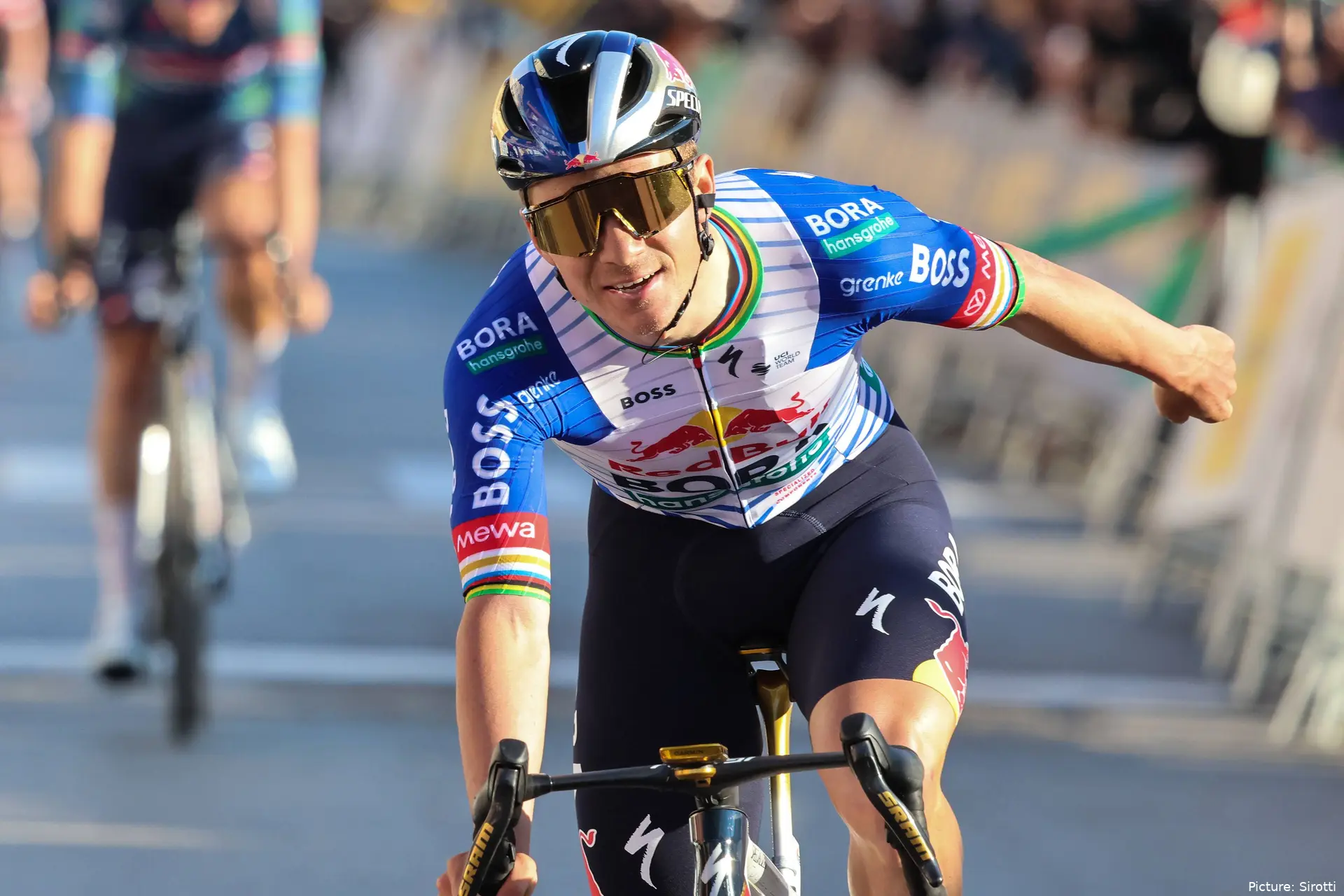
Remco Evenepoel lining up at the Tour of Flanders has been sold as a surprise. Inside Red Bull - BORA - hansgrohe, it was anything but.
The Belgian’s debut in cycling’s most controlled Monument is the product of a plan that had been sitting in the background since the winter, only now brought into public view after months of deliberate silence. That decision to wait has become part of the story itself.
“We deliberately kept it secret to create a special moment for the fans – and to reveal it as a surprise on April 1,” team boss Ralph Denk said in a press release.
That single line reframes everything. What looked like a late addition to Evenepoel’s spring is instead a calculated move, held back until the team felt the timing would land strongest. More than 100 days passed between the internal decision and the public reveal, a detail that underlines just how tightly controlled the messaging has been.
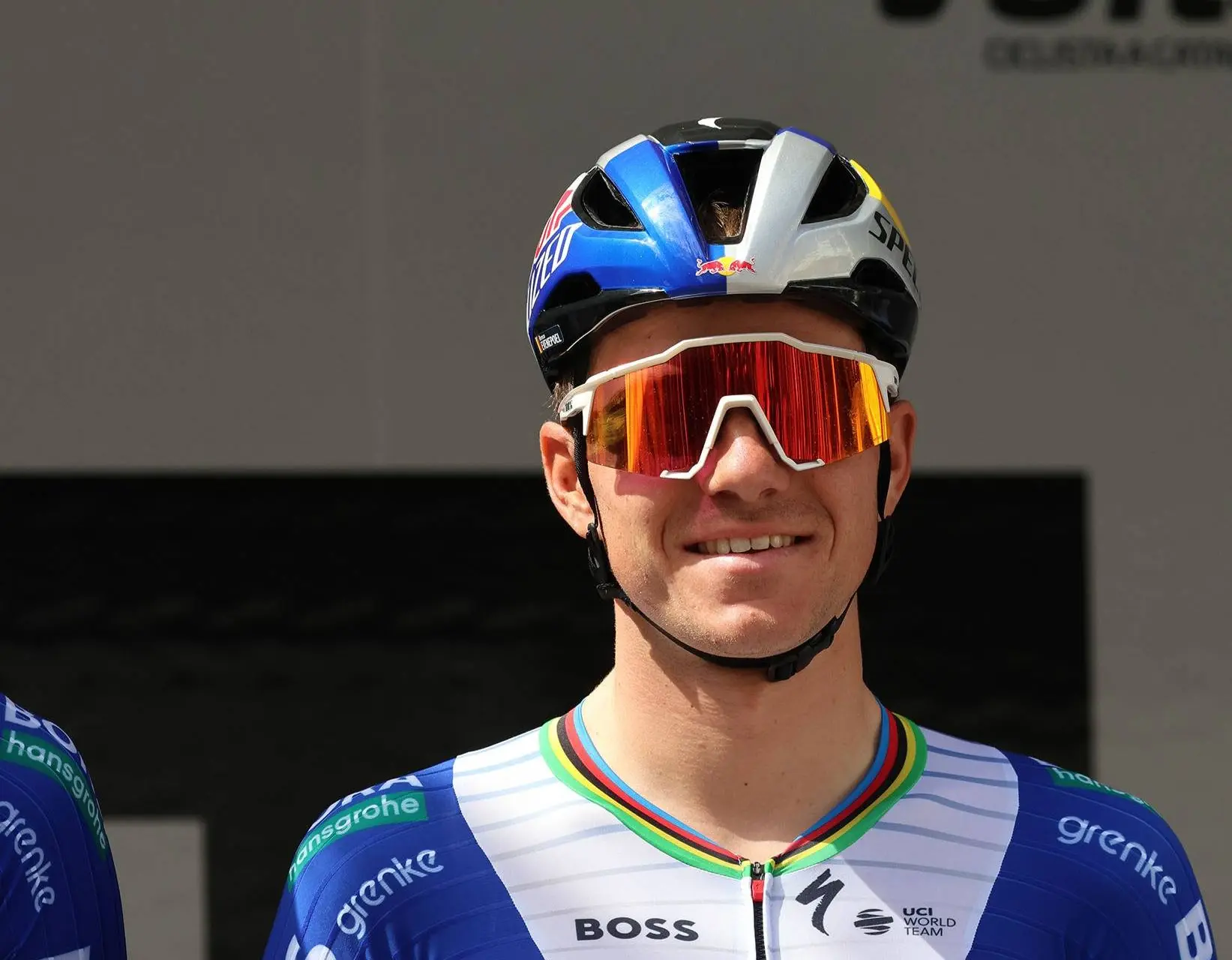
A race that fits his 2026 identity
The more revealing question is not why it was hidden, but why it is happening now. Evenepoel’s 2026 has been built on aggressive racing rather than controlled accumulation. From his early-season wins to the way he approached Volta a Catalunya, the pattern has been consistent: attack early, force the race open, accept the risk that comes with it.
Flanders, despite its reputation, increasingly rewards that same mindset. It is a race where hesitation can be punished and where long-range moves have become more decisive than ever. In that sense, the apparent mismatch between rider and race is not as clear-cut as it once seemed.
Within the team, there had already been an expectation that this step would come eventually. “We have always said that Remco would be an added asset. That has now been decided and confirmed,” sports director Sven Vanthourenhout said to Sporza, placing the debut within a broader trajectory rather than a one-off gamble.

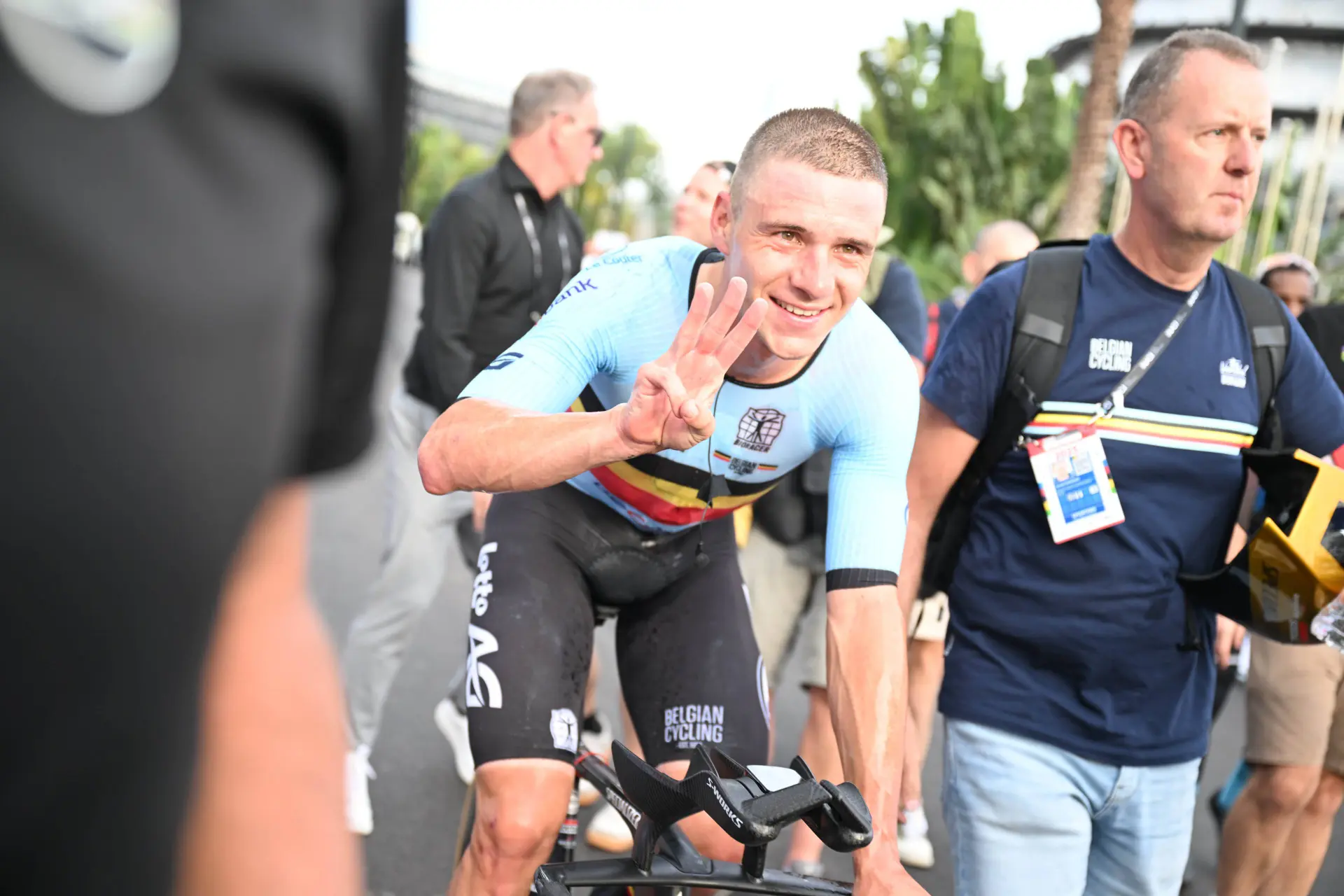
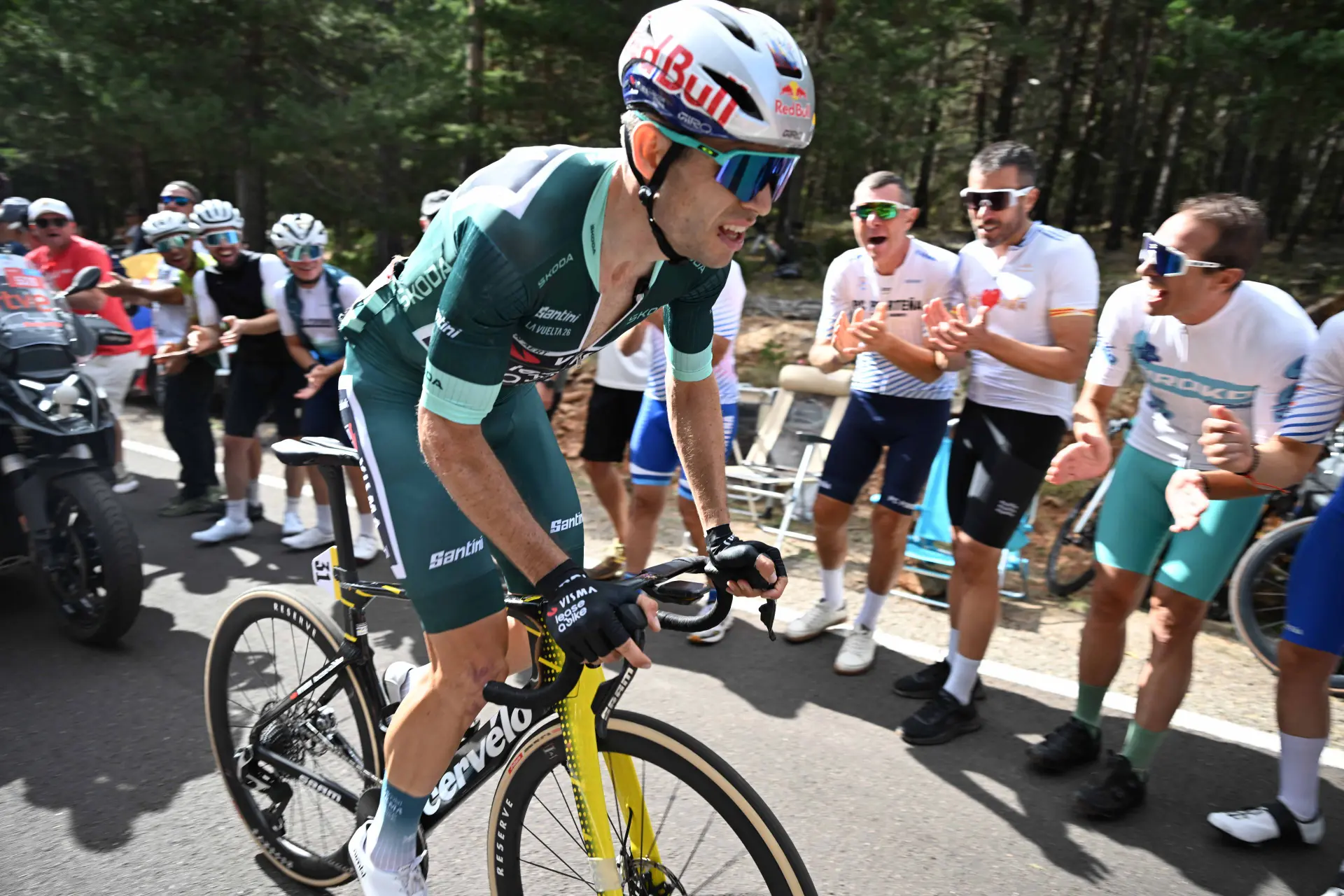
Remco Evenepoel during stage 5 of the 2026 Volta a Catalunya
Pushed into the present
What changed is the timing. Evenepoel’s response to the opening weekend of the Flemish Classics appears to have accelerated the process. “Remco saw how we were racing during Opening Weekend, and that triggered something in him,” Vanthourenhout said. “It had been bubbling before, but it certainly helped to see the team in action.”
That aligns with the internal tension around the decision. While the structure had been in place for months, the final green light still required momentum. Team-mate Gianni Vermeersch pointed to that dynamic, noting that Evenepoel’s own insistence played a role in bringing the plan forward. “It happened last minute because – as far as I know – Remco kept pushing until they let him ride.”
The contradiction is telling. A long-term plan, revealed as a surprise, was ultimately pushed over the line by the rider himself.
Not a one-off, but a signal
Seen in that light, Evenepoel’s presence at the Tour of Flanders carries more weight than a single start number. It reflects a rider stepping outside the boundaries that have defined his career so far, and a team willing to let that evolution happen on one of the sport’s most demanding stages. The secrecy may have created intrigue, but the intent behind it is clearer now.
This is not a novelty entry. It is a calculated extension of what Evenepoel is trying to become in 2026, a rider who does not wait for races to suit him, but instead reshapes them on his own terms.
Kieran WoodDeputy Editor-in-Chief
Kieran Wood is a sports journalist based in Wales and has been active in journalism since 2022. He regularly contributes to DartsNews.com and CyclingUpToDate.com, where he covers professional cycling and darts. In cycling, his work includes liveblogs from major races, including the Tour de France, the Giro d’Italia, and La Vuelta a España, alongside race reports and analysis. He has also conducted interviews with professional riders.
His reporting spans the full racing calendar, from one-day classics to stage races, with a focus on accurate, real-time coverage and clear contextual analysis. For statistics, results, and historical context, he regularly uses resources such as ProCyclingStats. To support reporting on rider activity and training context where relevant, he also references Strava.
In his work, Kieran places strong emphasis on careful sourcing, editorial accuracy, and updating articles as new, verified information becomes available.
claps 5visitors 5
Just in
Popular news
Latest comments
- I thought this team was on the decline.mij14-09-2026
- No rider is losing "credibility" over this. It's a sprint stage, not a GC stage. Very often, a sprint stage is effectively neutralized at 5 km, sometimes 3 km. The lap was a bit more at 10 km--not a big deal. And, the lap was not chosen for the specific distance. Practically, that way, the GC would finish at the same finish line, simplifying the timekeeping and logistics. Cycling is changing/has to change. The speeds are too high on courses too rough. Assymetrically, the rewards, salaries, and demands to win so high, losses to crashes have ruined riders and their teams full seasons. Too many great riders taking one or two years to return to top form. The violence of the sport the machismo these "analysts" pretend and want to amp up is what cost the sport its credibility as sport. Cycling can't be just blood and guts.JM14-09-2026
- Loved this edition. So exciting, so interesting. Loved the scenery, the riders, the whole thing. I watched every day.wrsty14-09-2026
- no-one holding his number i noticewrsty14-09-2026
- LOVE that winners kit. the blue really pops. Plus it's just nice to see a special kit that isn't UAE, Visma, INEOS or RBBH - the only GT winners for the last 8 years or so (IIRC)wrsty14-09-2026
- Well Seixas knows he can't take del Toro to a sprint. Torito won the sprint and still had enough time to take a bow
 Rafionain-Glas14-09-2026
 - 7 looks better without UijdtebroeksRafionain-Glas14-09-2026
- And congratulations to Afonso Eulálio too! He's becoming a better rider in every race!Lobz7713-09-2026
- UAE seem to own this race. Del Toro was oddly far back in the peloton several times, a case of patience and conserving effort. Ben Healey was fabulous in animating the race but I do wish he’d do it a lap or two later in order to make it to the finish. Ayuso still doesn’t make sense to me in how he races but heading into domestique role was a nice moment (something he rarely did at UAE). And Evenepoel? He had an anger moment and that derailed him somehow: the guy is fascinating how he goes apeshit sometimes, often only after the race has gotten away from him and he doesn’t have it in the legs anymore. In sum: congratulations del Toro, and he and Seixas are going to make for a very interesting race 2 weeks from now!RidesHills13-09-2026
- Who cares if Mas or Roglič or Gall or anyone else won this boring Vuelta. I see comments on this site, after Pogi crashed, went down at least 25%. Pogi haters and other fools on this site won't admit it. While they celebrated Pogi's crash and saying the Vuelta was "exciting again," the reality is that the second and third weeks of the Vuelta attracted far fewer viewers. David Bavin-HobbsIn on PRO CYCLING: "A cycling world that has been dominated for years by Pogačar and UAE Emirates-XRG—and in a world where people talk about the sport being “boring,” “monotonous,” and “unexciting”—the Slovenian’s withdrawal provided a very enlightening insight. For although Pogacar had the Vuelta firmly in his grasp, far more people were watching when he was in the race versus after his departure. The statistics website Procyclingstats shared a rather bizarre graph showing the sharp drop in visitor numbers since Pogacar was forced to withdraw. In recent years, there had always been an increase in unique visitors during the first and second weeks of the Vuelta. However, Pogacar’s withdrawal resulted in a 15 percent drop."PogiSloFans13-09-2026
Loading
7 Comments