“You no longer enjoy it – that is what ruins riders”: Burnout debate grows as Simon Yates walks away
Cycling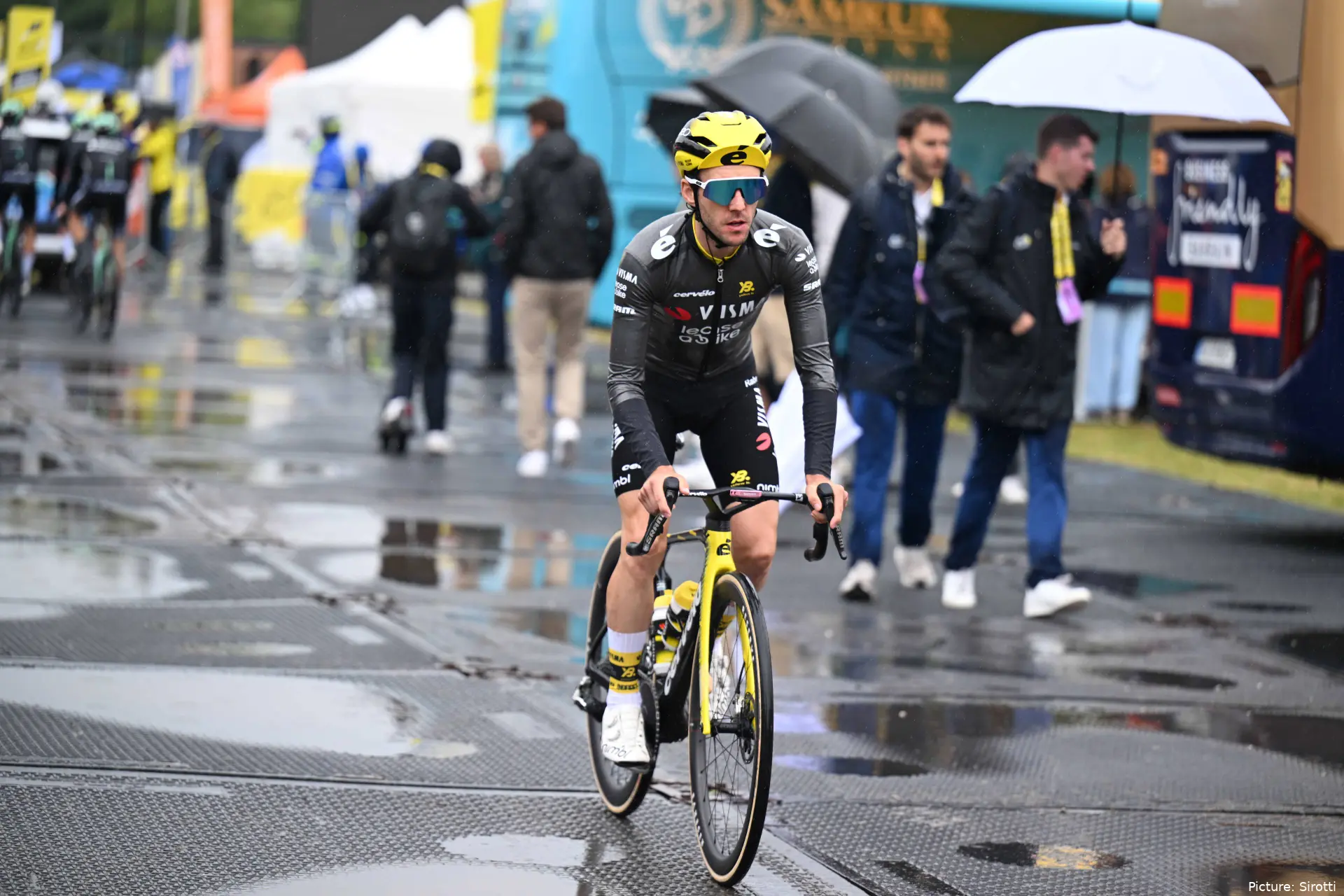
Modern cycling keeps asking more, earlier, and for longer. The calendar is denser, the speeds are higher, and the pressure to be in shape from the very first race of the year has become normal. As surprise retirements stack up, the debate around burnout is no longer theoretical.
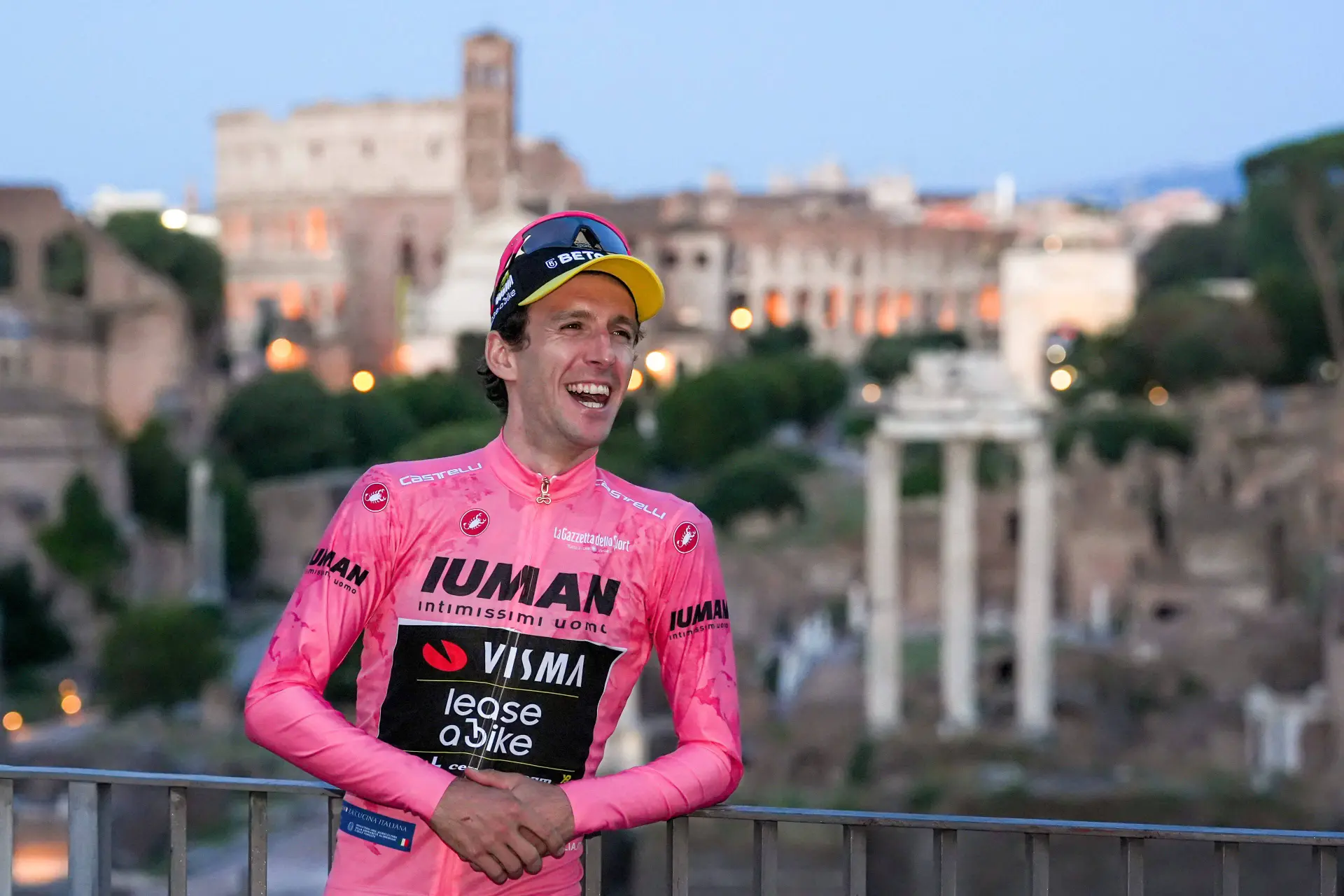
When Simon Yates walked away at 33, fresh from winning the 2025 Giro d’Italia and adding a Tour de France stage to his palmares, it sent a jolt through the peloton. “This may come as a surprise to many, but it is not a decision I have made lightly,” he said in his retirement statement. “I have been thinking about it for a long time, and it now feels like the right moment to step away from the sport.”
Yates described a life shaped entirely by cycling. “From racing on the track at the Manchester Velodrome, to competing and winning on the biggest stage and representing my country at the Olympic Games, it has shaped every chapter of my life.” Yet even after a career-defining season, he chose to stop.
Into that wider moment comes a blunt verdict from a newly retired pro who lived through cycling’s biggest recent transformation. Looking back on 16 years in the peloton in conversation with Spazio Ciclismo, Davide Cimolai summed up what he now sees as the central problem of the modern sport: “You no longer enjoy it. That is what ruins riders.”
When the joy goes
Cimolai says the change has been sharpest in the last few years, especially since Covid. “Having lived through the radical change of recent years, especially after Covid, I understand that it is tough, both physically and mentally.” What once allowed riders to build gradually through a season now demands instant form. “Once, to prepare for Milano–Sanremo, you arrived at Tirreno–Adriatico at 80 or 90%. Now, at the first race of the year, a good professional has to be in shape; otherwise, you risk not finishing or having longer recovery times.”
That constant readiness, he says, drains more than just the legs. “One thing that ruins riders is that you no longer enjoy it.” For him, the difference was personal and clear. “I realised that I was no longer enjoying racing. Once I used to leave races happy, in recent years… well.”
The pressure does not come only from training and racing. Cimolai points to a quieter change inside teams. “Maybe also because of the abuse of social networks, there is little interaction between riders. There is no longer a real group within the team, like there used to be.” Evenings that once meant shared time now look different. “Otherwise, you shut yourself in your room to watch Netflix and scroll social media. This is a bad thing, and it influences the rider a lot.”

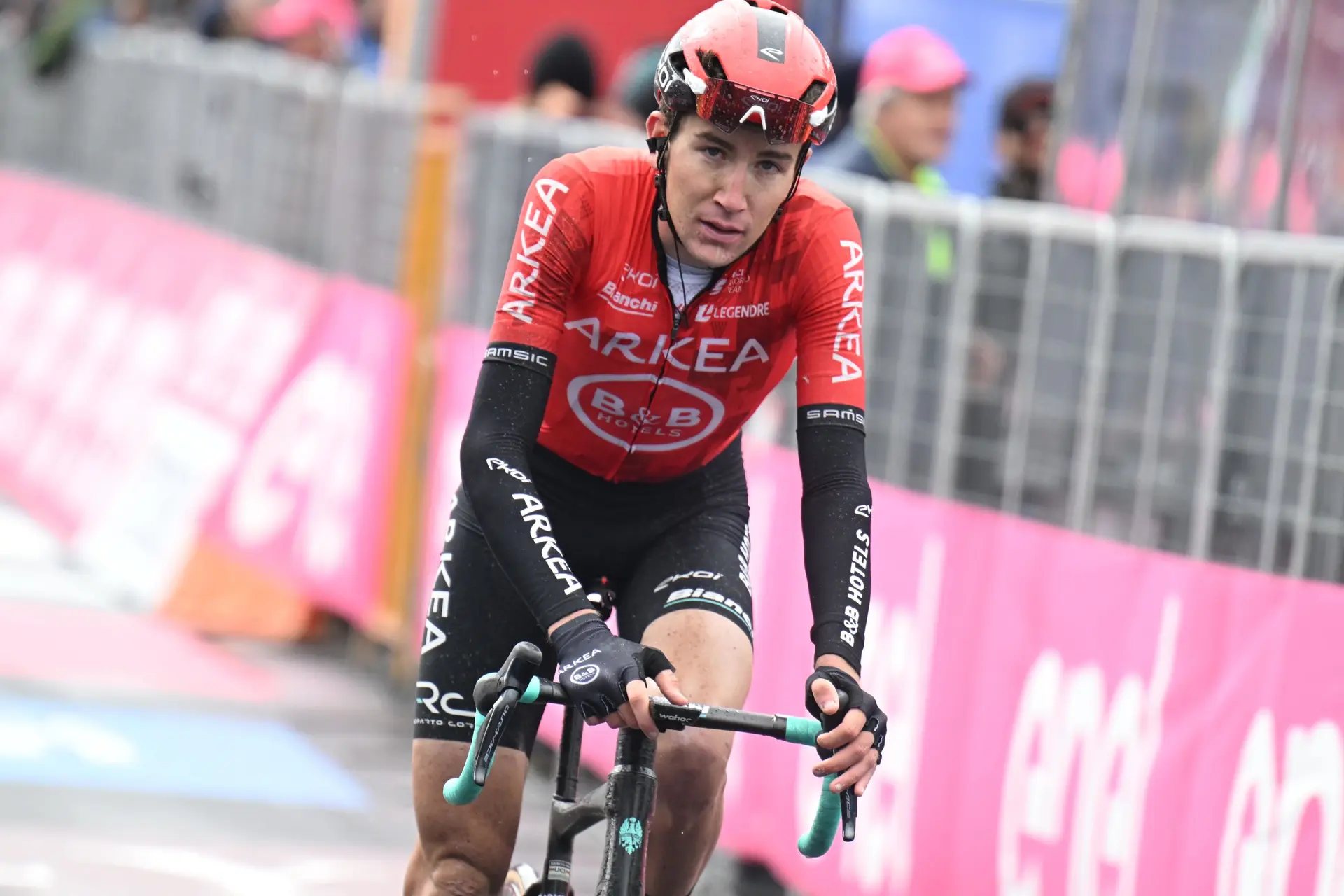
Cimolai in action at Strade Bianche
Family versus the system
For Cimolai, the decision to stop was also tied to what cycling takes away from life at home. “The first eight years are the most important in forming a child’s character and future, so I want to be there.” He accepts that modern sport makes that choice harder. “With the demands that professionalism now requires, it is very difficult to combine a career with a family if you want to raise your children in a certain way.”
Yates did not frame his own retirement around burnout or family pressure, but he spoke of a life entirely shaped by cycling and of stepping away with “deep pride and a sense of peace.” “This chapter has given me more than I ever imagined,” he wrote. “Memories and moments that will stay with me long after the racing ends and for whatever comes next.”
What links the two stories is timing. Yates left at the peak of his powers. Cimolai says that, in theory, that makes sense. “If I had been a great champion, I wouldn’t have thought twice about retiring at a very high level. I would have done it at the peak of my career, regardless of the stress of cycling.” But he also believes the stress itself has grown. “Now, at the first race of the year, you already have to be in shape.” And beyond form, “you always have to be switched on.”
A sport that keeps accelerating
The physical side has shifted too. “The other reason is that speeds have increased. Getting into the wind now is much more damaging compared to riding in the wind ten years ago.” Race design has followed the same path. “The trend is to put fewer and fewer sprint stages, even in stage races, because according to organisers the public gets bored.”
All of it adds to the same pressure point. “I don’t regret stopping, not even for a second,” Cimolai said of his own choice. “If an offer arrived today, it would be very hard to go back.”
Yates leaves behind a career built on resilience, Grand Tours and finally finishing unfinished business. “I am deeply proud of what I have managed to achieve and equally grateful for the lessons that came with it,” he said. “The harder days and setbacks were just as important.”
But his timing, like a growing list of early departures, keeps fuelling the same question. If riders are leaving younger, even at the top, is the system itself pushing them there?
Cimolai’s answer is simple, and hard to ignore: when racing stops being something you enjoy, “that is what ruins riders.”
Kieran WoodDeputy Editor-in-Chief
Kieran Wood is a sports journalist based in Wales and has been active in journalism since 2022. He regularly contributes to DartsNews.com and CyclingUpToDate.com, where he covers professional cycling and darts. In cycling, his work includes liveblogs from major races, including the Tour de France, the Giro d’Italia, and La Vuelta a España, alongside race reports and analysis. He has also conducted interviews with professional riders.
His reporting spans the full racing calendar, from one-day classics to stage races, with a focus on accurate, real-time coverage and clear contextual analysis. For statistics, results, and historical context, he regularly uses resources such as ProCyclingStats. To support reporting on rider activity and training context where relevant, he also references Strava.
In his work, Kieran places strong emphasis on careful sourcing, editorial accuracy, and updating articles as new, verified information becomes available.
claps 6visitors 4
Just in

Popular news
Latest comments
- 50 million isnt low. But if you hire super domestiques for a million and 3rd rung leaders for 3-5 million, natural you dont have money left not the results expected. Most monuments and TDF are out of reach due to Pogi. But there were a promising 2nd rung leaders on the market and they went for broke to get Onley and Kevin. I put their entire troubles due to mismanagementabstractengineer25-10-2026
- I think it’s becoming clear that cycling got way ahead of itself for a few reasons and is now coming to the realisation that some rider salaries just exploded without justification and it snowballed until sponsors started pulling money out because THEY did not see any return on increased costs. Cycling is still a dying sport (that never moved out of the niche family) and will remain so if it doesn’t embrace and promote new ventures or manage to attract new markets. Even within cycling, fans are basically compartimentalised, (almost nobody here follows track for example), and the multiplication of possibilities hasn’t grown the sport, it has just split it into a larger number of smaller branches. If it weren’t for nation state sponsors (far too numerous already) other teams would never have (had to resort to) raised bigger budgets that are now leading to sponsor abandonment. That’s the difference between long-term steady growth and financial doping, the latter can also just blow up in your face. I will venture to wager that apart from one or two exceptional cases, rider salaries will no longer go up and are quite likely to actually drop over the next decade.Jumpyjohn25-10-2026
- You know you can post all this on idlprocycling too with your account(s) don’t you? There’s a whole bunch more articles and people there to inform.Jumpyjohn25-10-2026
- That’s the kind of word my foreign grandma would have rendered fashionable again, like flabbergasted (at her time) ;-) Perhaps he should get a pro to fill out his papers and pack his bag too, customs have become keen on controlling anyone from the balkans.Jumpyjohn25-10-2026
- Alternatively, just call Rod StewardJumpyjohn25-10-2026
- I will be in Adelaide in a shot if Pogi comes to the Tour Down Under. Fingers and toes crossed that this will eventuate, he has just got to remember to stay aware of kangaroo’s, as Jay Vine can attest to. Though can’t be any worse than some of the passionate fans in EuropeSearider25-10-2026
- "The Spaniard also highlighted Florian Lipowitz, third in the recent World Championship time trial, as a rider to watch as he continues to gain experience." Please stop the AI slop
 Rafionain-Glas24-10-2026
 - I think it's great! Now there's a real reason forcing the people-who-don't-fix-the-potholes to fix the potholes... or notRafionain-Glas24-10-2026
- Roglič brought in as many points as some of the lower standing teams, so you would think that more than one team would be trying to get one of the top 25 points machines onto their team. He brought in only 500 points less than the entire Picnic Post NL team. Take those points and Unibet is still not in the top 18, but put him on one of the teams fighting for 18th and they get some security. NSN at 18th with Roglič’s 2100 points would be in 11th place.RidesHills24-10-2026
- He's 20, in two years or so he will be the guy winning everything.awp24-10-2026
Loading
Write a comment