“Who is Felix Gall to resist Jonas Vingegaard?” - Spanish expert questions Giro d’Italia dominance as Tour de France test against Tadej Pogacar looms
Cycling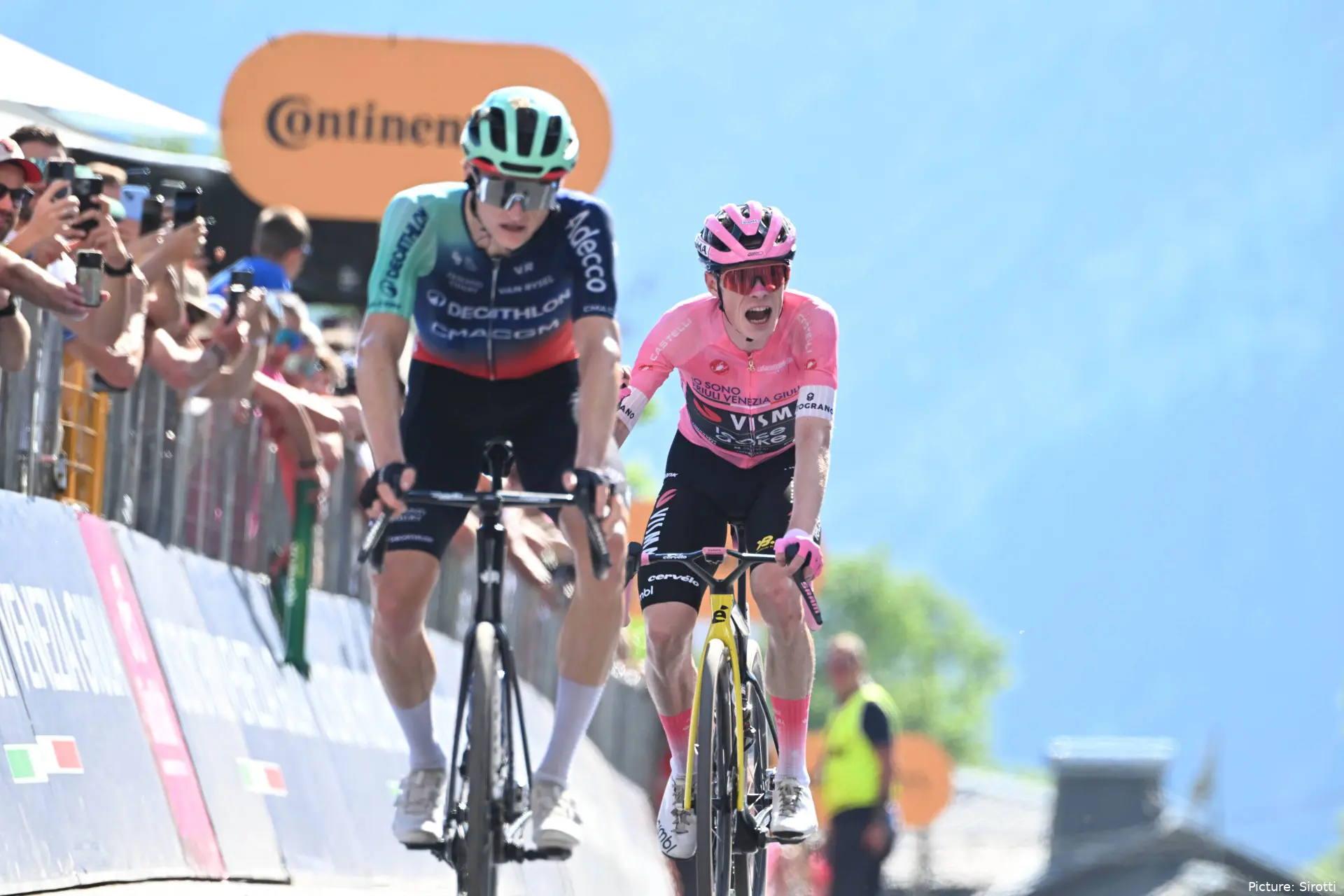
Jonas Vingegaard left the 2026 Giro d’Italia as the race’s first Danish winner, a Grand Tour Triple Crown champion and the dominant force of the Corsa Rosa. For Spanish cycling journalist Javier Ares, the size of that dominance also raised a harder question about the field behind him.
Vingegaard was crowned Giro d’Italia winner in Rome after taking five stage victories and finishing 5:22 clear of Felix Gall. The Team Visma | Lease a Bike leader added the maglia rosa to his Tour de France and Vuelta a Espana titles, becoming only the eighth men’s rider in history to win all three Grand Tours.
His control of the race was established early. Once Vingegaard made his first major mountain statement on the Blockhaus, the battle for pink increasingly became a race for the podium behind him rather than a genuine fight for overall victory.
Ares, speaking on his YouTube channel, was blunt about the gap between Vingegaard and the rest of the GC field. “Gall, Arensman, Hirt and company are not riders capable of putting a rider like Vingegaard in difficulty,” he said.

“Who is Felix Gall to resist Jonas Vingegaard?”
Gall finished second overall after the best Grand Tour result of his career, while Jai Hindley completed the podium and Thymen Arensman finished fourth. All three produced strong races in their own terms, but Ares questioned whether that level of opposition could ever truly test a rider of Vingegaard’s calibre. “Who is Felix Gall to resist Jonas Vingegaard?” Ares asked.
That was the central tension left by this Giro. Vingegaard was brilliant, ruthless and consistent, but the absence of another superstar-level Grand Tour rival made the general classification feel one-sided long before the race reached Rome.
The Giro still produced daily drama. Jonathan Milan won the final sprint in the Italian capital, Paul Magnier dominated the points classification, Giulio Ciccone secured the mountains jersey, Afonso Eulalio broke through in white, and several stages delivered aggressive racing away from the pink jersey battle.
The GC story followed a different pattern. Vingegaard’s closest rivals were fighting for damage limitation, not control of the race.

Felix Gall, Jonas Vingegaard and Jai Hindley on the final podium of the 2026 Giro d'Italia
Giro route faces familiar question
Vingegaard’s victory also revived one of the most persistent modern Giro statistics. Since Miguel Indurain won consecutive editions in 1992 and 1993, no rider has successfully defended the Giro title the following year. Across the past six decades, only Indurain and Eddy Merckx have managed back-to-back Giro wins.
The modern calendar has made that pattern even harder to break. Pogacar won the Giro in 2024 but did not return to defend his title. Vingegaard came to the race in 2026, dominated, and now faces the immediate question of whether the Giro has sharpened him or left a cost before the Tour de France.
Ares also pointed to the Giro organisation’s wider dilemma. Bringing stars such as Vingegaard or Pogacar gives the race huge international pull, but it can also produce a one-sided GC battle if the rest of the field lacks a rider capable of matching them. The 2025 edition carried suspense deep into the final stages. This year, Vingegaard’s advantage looked secure far earlier.
The final day in Rome at least delivered a sharp racing finish. Milan finally ended his Giro frustration with victory after Filippo Ganna had ripped the peloton apart with a late attack, forcing the sprint teams into a tense chase before the bunch came back together.
Pogacar remains the real Tour measure
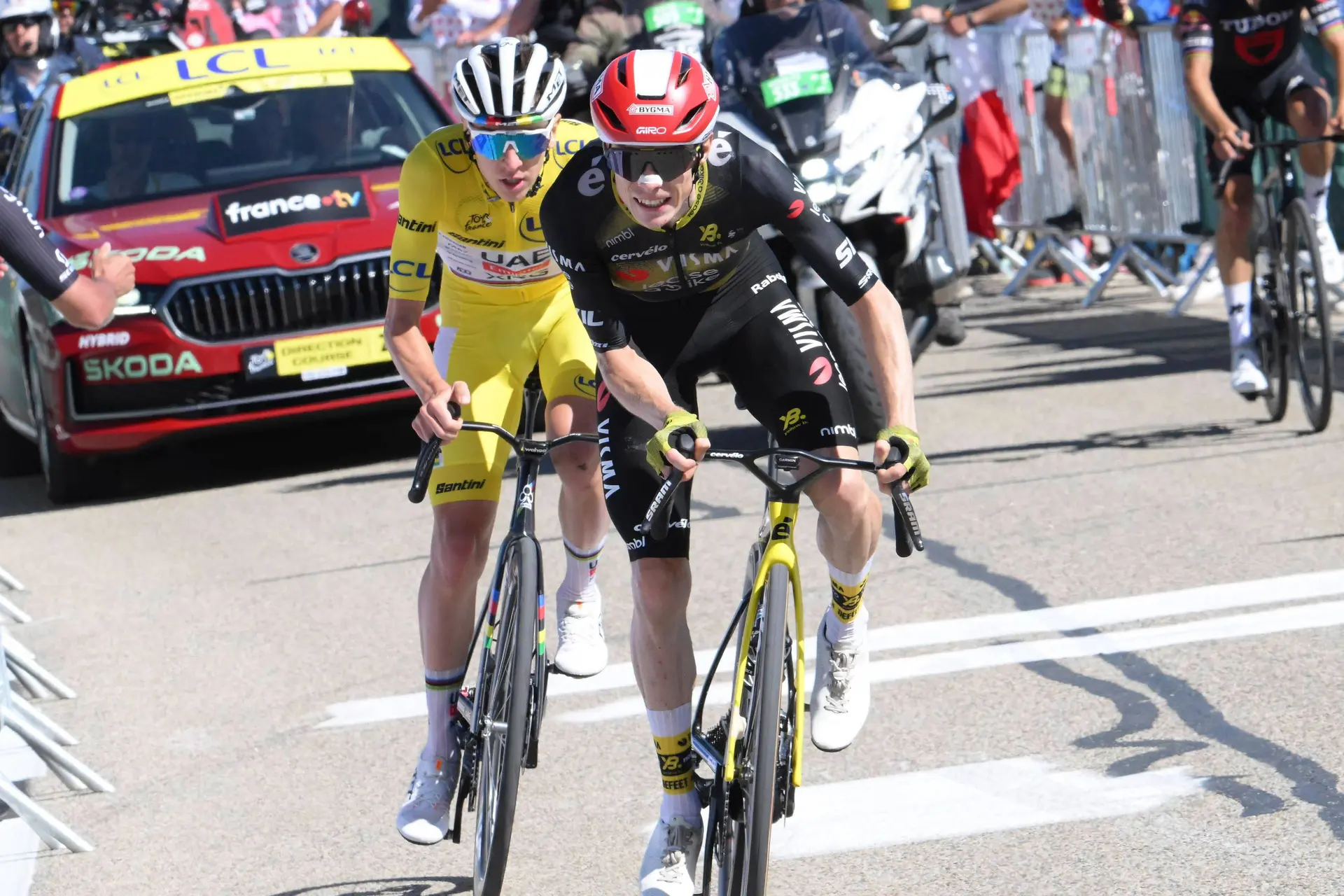
The Tour de France question now takes over. Vingegaard leaves Italy with form, confidence and history, but the size of his Giro margin does not automatically give a clear reading for July.
Ares returned to Alberto Contador’s view on that uncertainty, with the former Giro, Tour and Vuelta winner warning that Vingegaard cannot yet know how his body will respond to linking the Giro and Tour in the same season.
The missing rival remains Pogacar. Gall, Hindley and Arensman gave Vingegaard a Grand Tour podium to beat. Pogacar will bring a different level of pressure, a different team, and the direct rivalry that has defined the past several Tour de France editions.
Vingegaard’s Giro was dominant. July will show what that dominance is worth when the rider across the road is not Gall, Arensman or Hirt, but Pogacar.

Kieran WoodDeputy Editor-in-Chief
Kieran Wood is a sports journalist based in Wales and has been active in journalism since 2022. He regularly contributes to DartsNews.com and CyclingUpToDate.com, where he covers professional cycling and darts. In cycling, his work includes liveblogs from major races, including the Tour de France, the Giro d’Italia, and La Vuelta a España, alongside race reports and analysis. He has also conducted interviews with professional riders.
His reporting spans the full racing calendar, from one-day classics to stage races, with a focus on accurate, real-time coverage and clear contextual analysis. For statistics, results, and historical context, he regularly uses resources such as ProCyclingStats. To support reporting on rider activity and training context where relevant, he also references Strava.
In his work, Kieran places strong emphasis on careful sourcing, editorial accuracy, and updating articles as new, verified information becomes available.
claps 1visitors 1
Just in
Popular news

Latest comments
- It will absolutely change his tt position. Call me out if I'm wrong, when we start seeing him training on the tt bike, you will see.awp27-10-2026
- please , come on now! The Tour begins July 2, 2027!!! It is still 2026 !!!! Get a hobby or something.dave26-10-2026
- How is this relevant? Perhaps you are doing a Coleridge but not poetic
 Rafionain-Glas26-10-2026
 - Brilliantly putRafionain-Glas26-10-2026
- vingegaard will get humiliated. he might not even make the podium. he should retire, or accept being handed down the ranks.Ketterechts26-10-2026
- Bull crap...his C7 injury won't affect his TT position!frieders326-10-2026
- blah blah blah is all I see in your comment!frieders326-10-2026
- i thought they were cycling journalists. either they don‘t know the basics or they don‘t write their reports. either way suboptimal … it is not an american team anymore!Ketterechts26-10-2026
- Quiz, who said "When I watched the Worlds and the Euros, it made me miss racing of course, but I’d say that the older I get, the easier it becomes to stay away from racing and find other things I enjoy." Clue, not Elie Isabit in the doghouse now for supposing he can second guess MVDP, who has the added complication of women having a say these days in his circumstances, something Fien might have explained to him if he’d bothered asking, hope he doesn’t get a talking to for that. And speaking of that, I noticed he celebrated 10 years together in 2023 and yet in 2017 he was definitely with someone else, could get messy tonight. Bye for nowJumpyjohn26-10-2026
- Wout has the lifetime contract. I think he gets first shot no matter what.mij26-10-2026
Loading
Write a comment